The time has never been better for a Christchurch-based NRL team
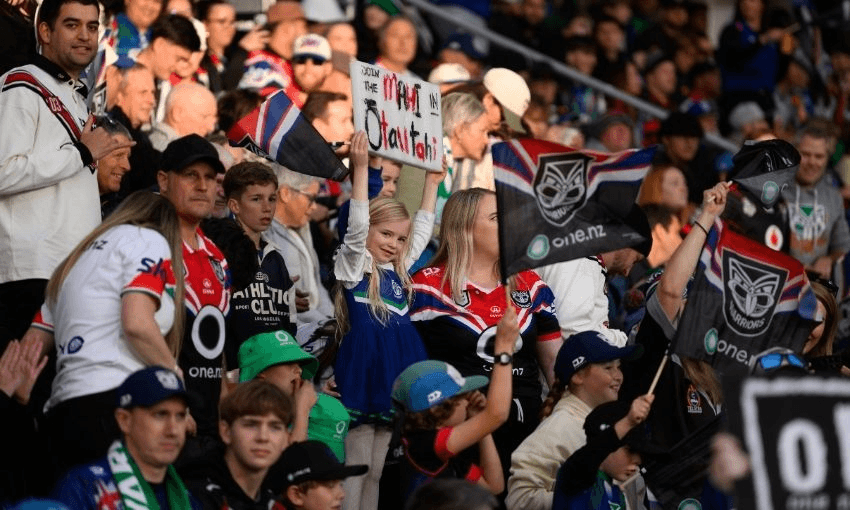
Last weekend’s sell-out Warriors game proved the South Island is ready for a team in the world’s premier rugby league competition.
There were two special guests at One New Zealand Stadium for the Warriors’ first game at Christchurch’s new multimillion-dollar sports and entertainment venue – outgoing NRL CEO Andrew Abdo and Australian Rugby League chair Peter V’landys.
“I might have to find Willie [Mason] and get him to put V’landys in a headlock and tell him we’re not letting him go until he’s signed off on a new team from Christchurch,” former Warrior Shaun Johnson commented during the pre-match coverage. He might’ve been half-joking, but Johnson was articulating what many felt over the weekend – that it’s high time for a second New Zealand NRL team. While the idea isn’t new, several factors are finally aligning to add real merit to the argument.
Firstly, the NRL is looking for a 20th team to enter the competition following the introduction of the Perth Bears next year and the Papua New Guinea Chiefs in 2028.
The NRL was once made up of 20 teams, but this was impacted by the introduction of the rival Super League competition in 1997. By the turn of the millennium, the NRL had just 14 teams. That number has since grown to 17, with the introduction of the Queensland-based Redcliffe Dolphins in 2023 the most recent addition.
If a 20th team was added, no side would be forced to take a bye each round – there would instead be 10 games every week. This would only bolster the NRL’s ability to negotiate for more money as it looks to sign a landmark broadcasting rights package, reportedly targeting $5 billion over a five-year period.
Although it has been reported that pitches for another Queensland team have been made, the fact there are already four teams in the state – not to mention nine in the greater Sydney area – strengthens the case for the introduction of another New Zealand-based team first.
Another factor at play is the NRL’s desire to grow the global game. Annual opening round fixtures in Las Vegas were introduced in 2024 and have become a drawcard for both diehard rugby league fans and curious sports enthusiasts from around the world. While there is a possibility of a team from another country entering the competition – Fiji is a potential option – supporting the introduction of a second New Zealand team is widely regarded as the logical choice for the NRL.
Add to that the fact Christchurch has a brand new state-of-the-art stadium with world-leading facilities and plenty of room for expansion, and the argument only becomes stronger.
There’s no shortage of potential backers either. At least three different groups have pitched the idea to the NRL in recent years. Former rugby league coach Graham Lowe’s Southern Orcas launched a $360 million bid in late 2024, saying they could be operational within two years. It was reported earlier this week that the Christchurch City Council was now backing this bid, which was being combined with a separate bid being led by former Warriors and Kiwis coach Frank Endacott.
Meanwhile, former NRL chief executive David Moffett had led the South Island Kea campaign, which has now been withdrawn.
What’s really caught the eye of NRL executives is the increasing popularity of rugby league in New Zealand, thanks in no small part to the success of the Warriors, who have extended their reach well beyond Auckland. Mount Smart Stadium in Auckland boasts some of the highest season sell-out percentages in the league. Christchurch’s new stadium was sold out over the weekend for its maiden NRL match, with several commentators noting how impressed they were with the atmosphere.
There’s more for Cantabrians to be excited about than just the possibility of being able to watch the world’s best rugby league players competing in regular fixtures. Some reports estimate the introduction of an NRL team in Christchurch could pull in $50m annually, with flow-on economic benefits for the rest of the country.
Investment in the development of domestic competition also reinforces the argument. Warriors CEO Cameron George has told media he is not opposed to the idea of a second New Zealand-based side, but that investment in strengthening the domestic pathways in order to retain local talent will be vital. With New Zealand Rugby League recently announcing sweeping changes to its domestic structure, it’s clear there is an awareness of the need for the domestic competition to continue to grow.
As momentum and support for the idea continues to grow on both sides of the Tasman, it seems a matter of when not if the NRL introduces a second New Zealand-based club. The only question left for rugby league fans will be figuring out who to support when it happens.