NZ secures free trade deal with India, signing expected next year
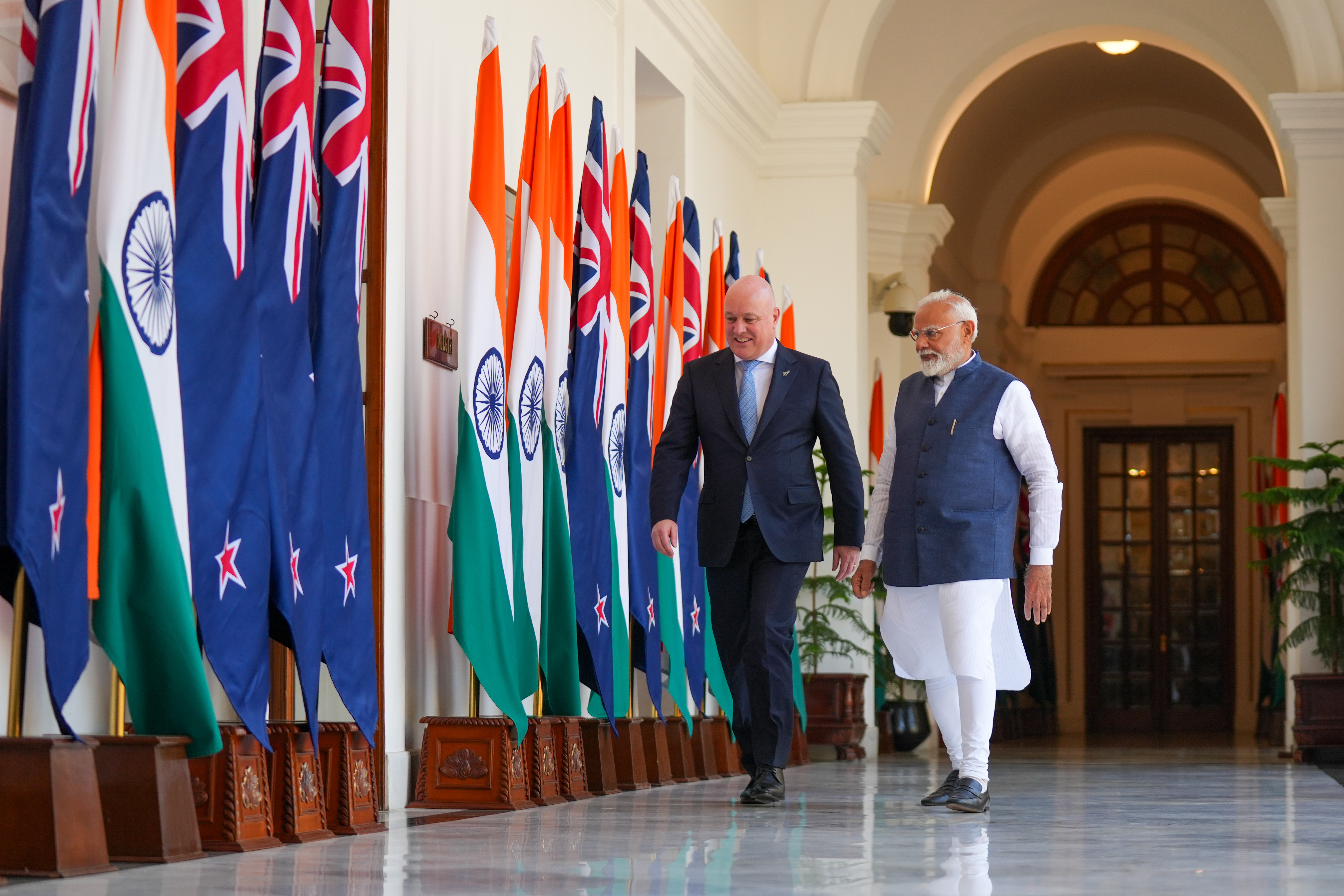
New Zealand has completed negotiations on a free trade agreement with India, paving the way for tariff reductions on the vast majority of exports from New Zealand.
Trade Minister Todd McClay confirmed the deal today, saying both nations expect to sign the agreement in the first half of next year. Negotiations began in March and wrapped up after nine months.
Prime Minister Christopher Luxon described the agreement as a key step in strengthening ties with India, following his visit earlier this year and multiple ministerial exchanges.
New Zealand First leader Winston Peters announced his party will oppose the agreement, creating a significant disagreement within the coalition Government.
Peters called the deal "neither free nor fair" and described it as "quick", "low quality", and a "bad deal".
He argued it failed to deliver for exporters and made "excessive" concessions on immigration.
"It gives too much away, especially on immigration, and does not get enough in return for New Zealanders, including on dairy."
He confirmed NZ First will vote against enabling legislation, despite invoking the coalition’s "agree to disagree" clause when Cabinet signed off the deal last week.
Watch Luxon and McClay announce the free trade agreement with India here.
Under the agreement, tariffs will be eliminated or reduced on 95% of New Zealand’s exports to India. Around 57% of exports will be duty-free when the deal takes effect, rising to 82% once fully implemented. The remaining 13% will see significant tariff cuts.
McClay said the deal would put New Zealand on equal, or better footing, with international competitors and would open the door to India’s rapidly expanding middle class.
"This deal is in New Zealand’s best interest and will deliver thousands of jobs and billions of dollars in additional exports," he said.
India’s economy was forecast to grow to around NZ$12 trillion by 2030, with McClay describing the agreement as a major step toward New Zealand’s long-term goal of doubling the value of exports over 10 years.
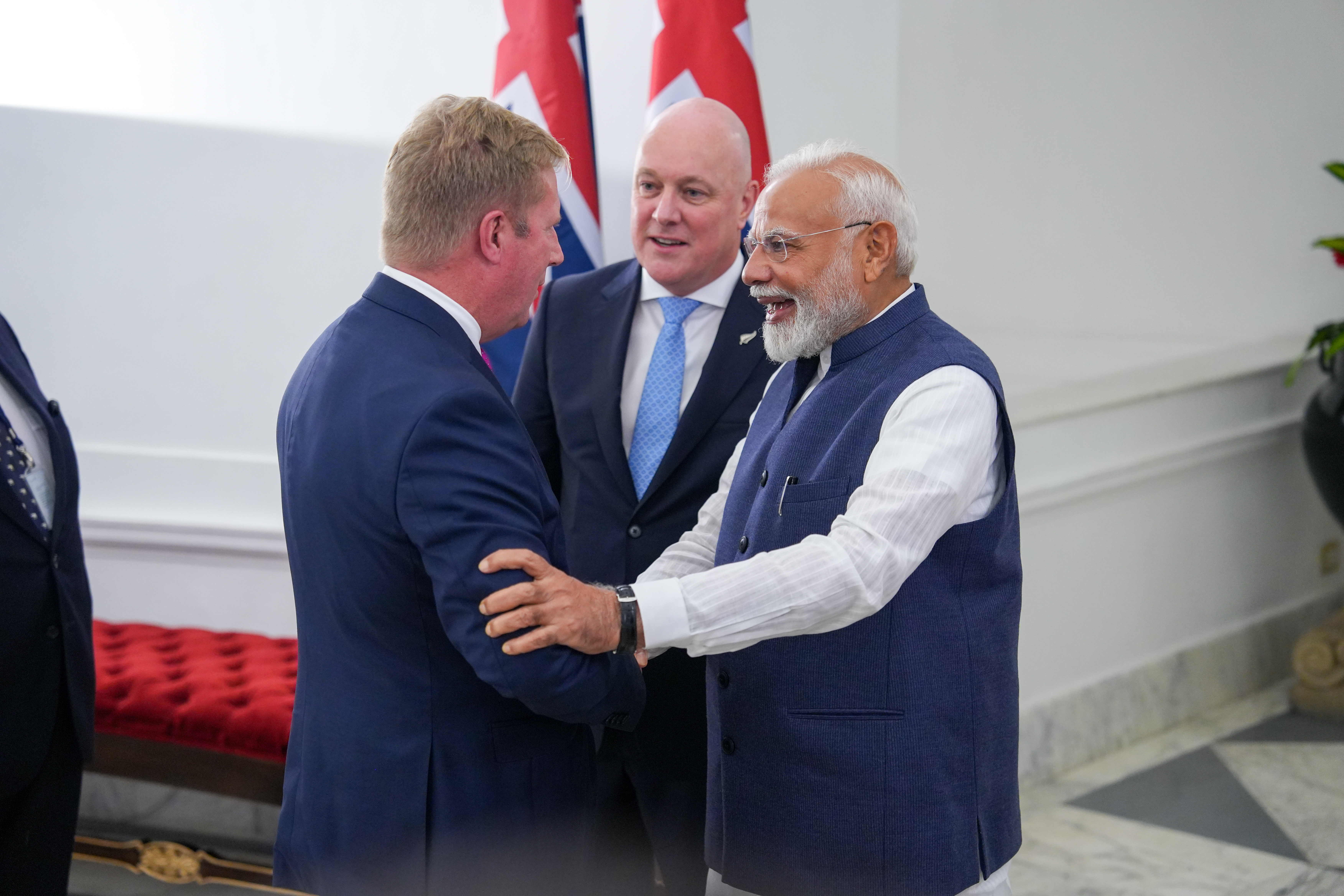
Key outcomes from the deal for New Zealand include:
McClay said the deal would deliver a batch of "world-firsts" for New Zealand, including preferential market access to kiwifruit, apples and mānuka honey, products that have historically faced high barriers in the Indian market.
The deal also includes wide-ranging services commitments, building on India’s World Trade Organization obligations, with particular focus on financial services, digital payments and fintech.
To protect iconic Kiwi product names in each other’s markets, the two countries have agreed to establish Geographical Indication rules, similar to those New Zealand has in the European Union.
The deal will include an MFN-clause, or "most favoured nation" clause, to ensure New Zealand benefits from any future liberalisation India offers other trading partners.
In return, New Zealand will allow India up to an average of 1667 three-year skilled work visas per year, targeting 'priority roles' where New Zealand has skill shortages, including healthcare, education, ICT and engineering.
“Sectors will be drawn from the New Zealand skills shortage 'Green List' with all immigration screening and qualification/experience requirements remaining unaltered," McClay said.
An expanded Working Holiday Scheme was also set to provide up to 1000 places annually to ensure tourism and rural work sectors were adequately staffed.
"This is a good deal that delivers for every New Zealander," McClay said.
"Trade grows the economy and creates jobs, this agreement is about future-proofing opportunities for our exporters and helping Kiwi businesses continue to punch above their weight on the world stage."
A free trade agreement was one of Luxon's campaign promises during the last election, with previous attempts to secure an FTA halted over dairy.
Luxon said the deal was a "landmark moment" and reflected a concentrated diplomatic push, noting McClay visited India seven times since the election and the Foreign Minister twice.
Earlier this year, Luxon led what was described as New Zealand’s largest-ever trade mission to India, and the country has hosted India’s President and two ministerial visits.
"This is an incredibly exciting opportunity for New Zealand exporters, with tariffs immediately removed on more than half of New Zealand’s current exports to India from day one," he said.
"The gains are wide-ranging and significant."
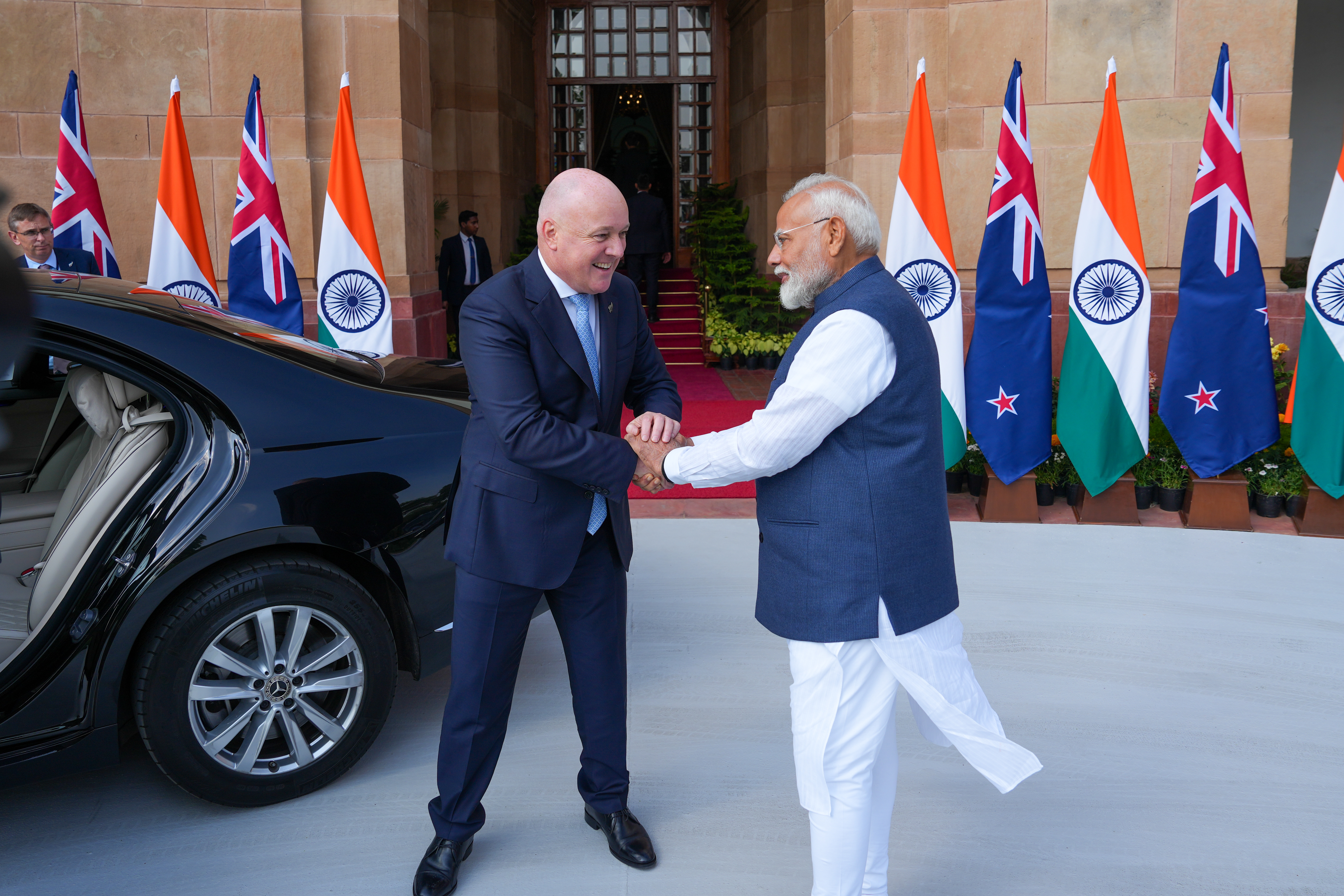
Luxon spoke to Indian Prime Minister Narendra Modi today, with both leaders agreeing the agreement will deepen economic ties.
The deal includes chapters on customs processes, biosecurity standards, sustainable development and cultural cooperation, as well as a Treaty of Waitangi clause.
Both countries have agreed to review the agreement one year after it comes into force.