Public sector job cuts spark fears for provincial communities
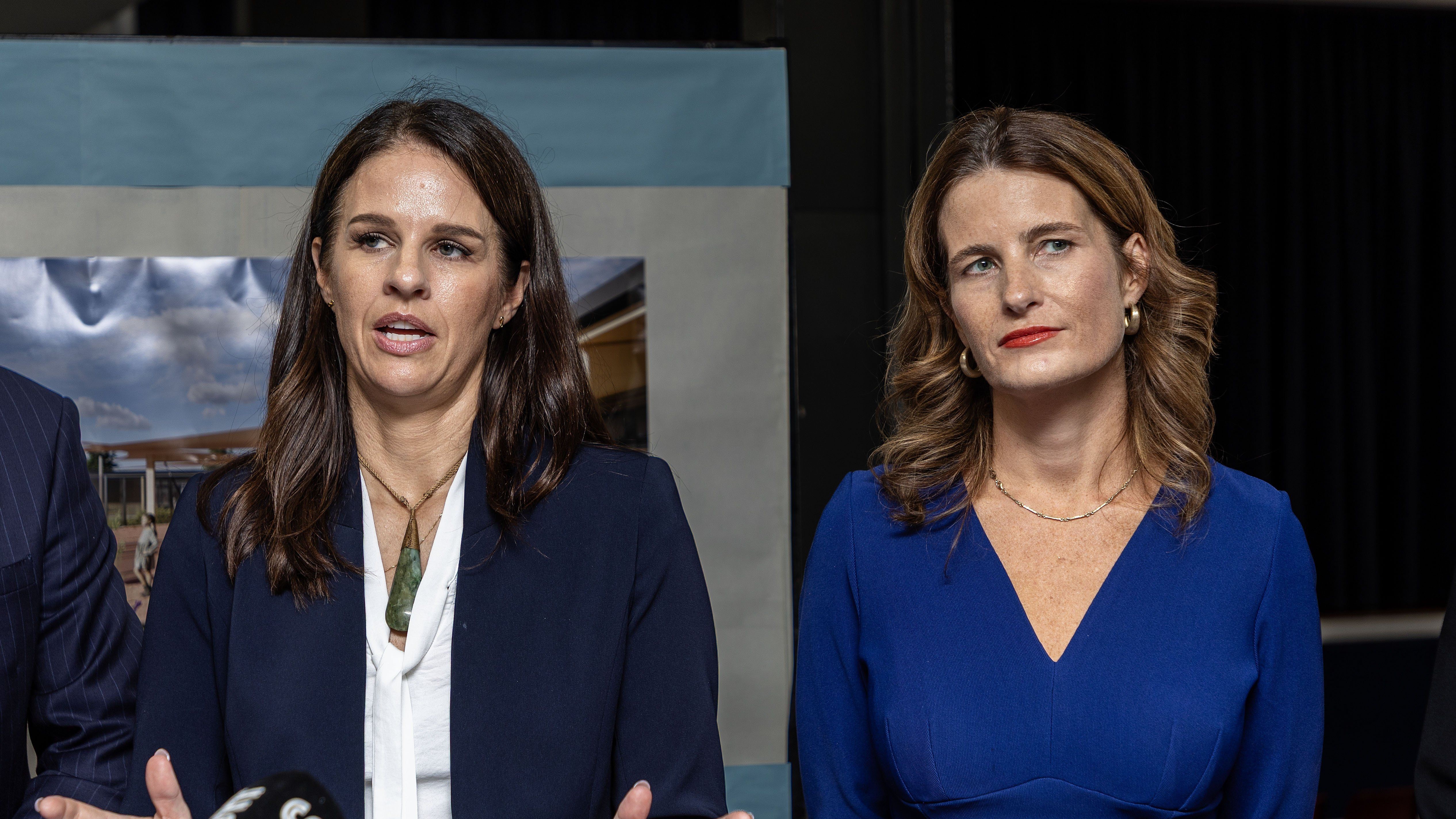
Having watched many small-town government and public services centralise into larger cities over recent years, the Mayor of Tararua is worried rural communities will be left behind and access to public services will only be further degraded due to job cuts.
By Rebecca Hogan of Local Democracy Reporting
Early Budget announcements revealed 8700 public sector jobs would be cut over the next three years, although it remained unclear exactly which services and where in Aotearoa would be worst affected.
Finance Minister Nicola Willis forecast $2.4 billion would be saved by July 2029 by reducing Aotearoa’s public sector from just over 63,000 full time roles to no more than 55,000 – a 14% slashing.
Tararua District mayor Scott Gilmore was concerned the coalition Government's "rushed" Head Start pathway reform reflected a prioritisation of centralisation and amalgamation over providing better outcomes for smaller communities.
“My hope is central government recognises the importance of having a strong presence in provincial New Zealand and does not de-prioritise rural districts.”
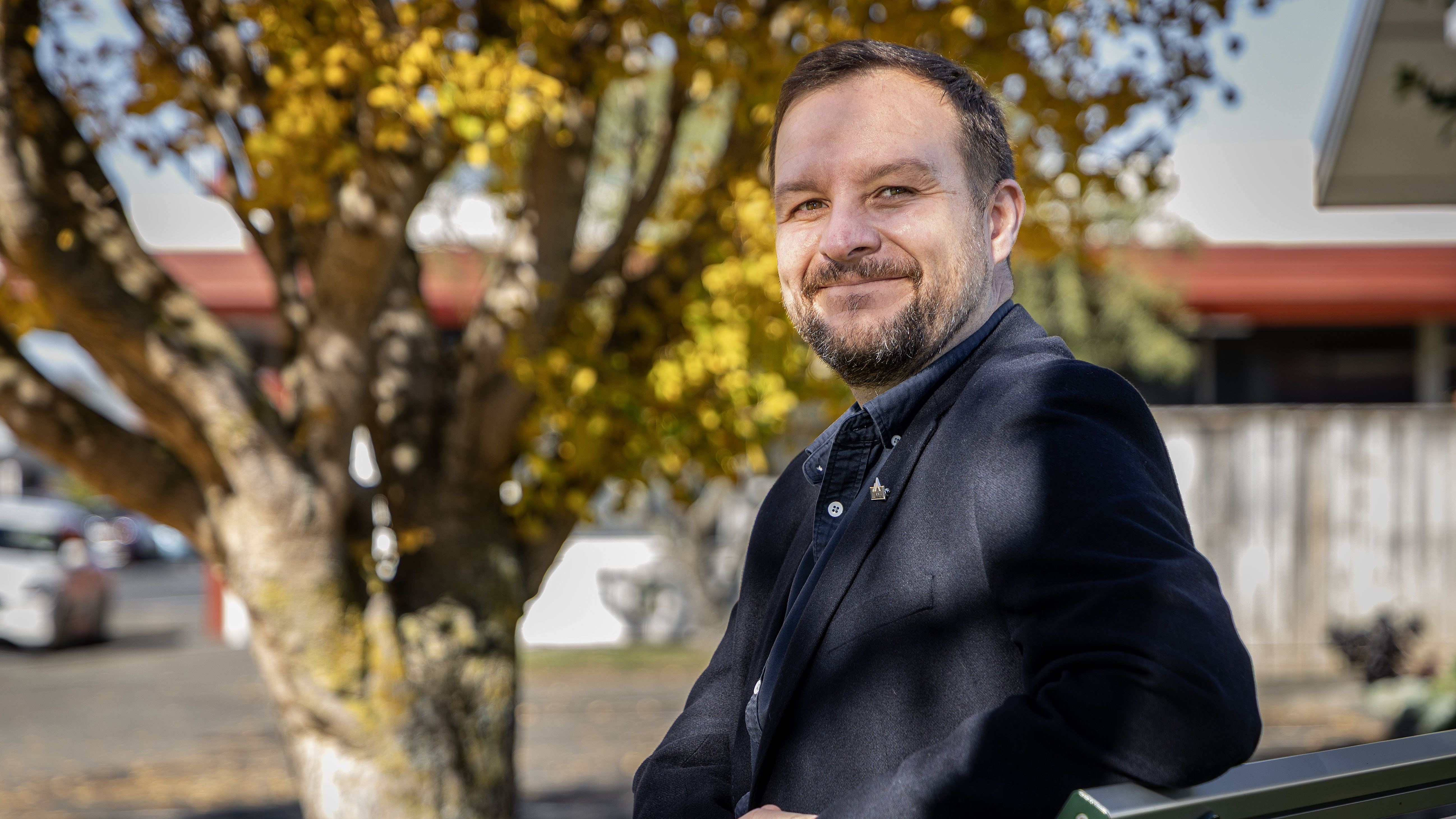
While 45.5% of public service workers were based in Wellington, about 17.5% of the workforce was spread across the motū – with 3.8% of those workers based in the wider Manawatū-Whanganui region.
That workforce stood at 2357.37 full-time equivalent staff in 2025, according to data provided by the Public Service Association.
This was the highest number of total staff across the region since the 2021 peak of 2440.75 FTEs following the height of the pandemic.
The Department of Corrections employed roughly 17% of the total public sector, with the Ministry of Social Development having the second largest number of workers at 14%.
Local Democracy Reporting received data from Corrections that showed as of April 30, there were 826.98 FTE corrections staff across Manawatū, Taranaki and Whanganui.
Across Manawatū-Whanganui, as of May 25, there were 571.9 FTE workers at the Ministry of Social Development.
Public Service and Digitising Government Minister Paul Goldsmith told reporters after the announcement that teachers, doctors, nurses, police, and defence personnel would retain their jobs. Back-office or core public servants such as inspectors, regulatory officers and information professionals, were said to be less secure.
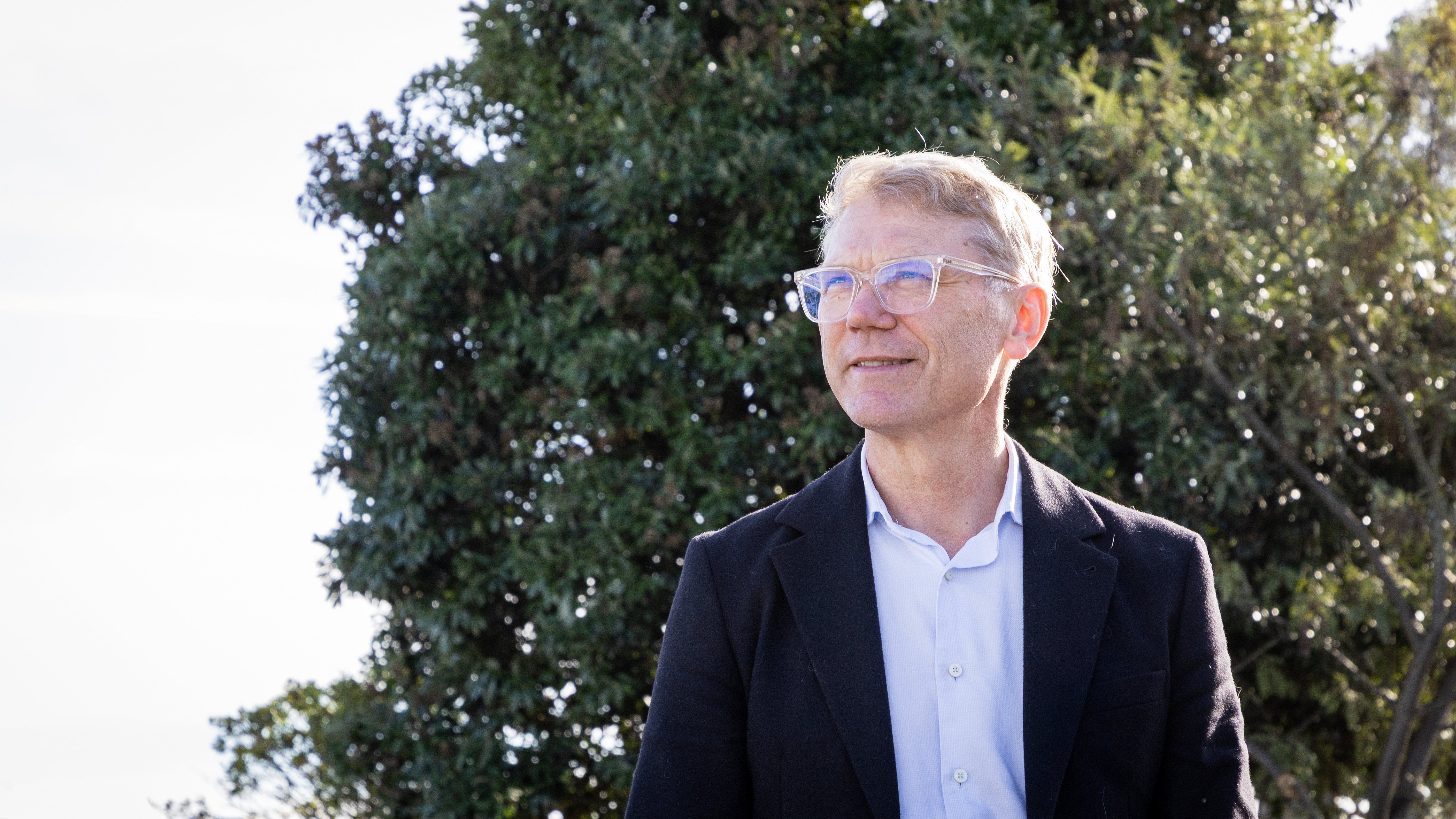
Concerned workers were told opportunities would be waiting for them in the private sector, but experts believed some workers would have to rethink their career choice or re-utilise existing skills.
Public Service Association national secretary Duane Leobut said it was easy for politicians to say the private sector would remedy job losses in the public sector, but it was much harder for those in smaller areas watching their “community shrink” and opportunities dwindle.
“There is no queue of private sector employers waiting to hire displaced public service workers”, said Leobut, who explained a reduction in public opportunities could force the national unemployment figure to continue rising above the current 5.3% mark.
Leobut felt a headline number had been released without explaining what jobs would be cut and, when layered with ongoing local government reforms, he said communities were being hit from both directions with no real say in either.
Manawatū district mayor Michael Ford said the Government had called on councils to be more efficient, but it was time for central government to get “its own house in order” and he felt perhaps the job cuts were a sign of this.
Ford said he felt empathy for those facing uncertainty as the “subdued economy” made jobs hard to lock down. However, after increases to the size of the public sector in recent years, cuts were one way of saving taxpayer and ratepayer money.
– LDR is local body journalism co-funded by RNZ and NZ On Air