Chch mosque attack inquiry asked the wrong question, researchers say
The Royal Commission into the Christchurch mosque attacks was narrowed in scope within weeks of the massacre, two researchers say, leaving New Zealand "with almost no information" about how the country's worst peacetime mass killing might have been prevented.
The warning signs researchers say were missed before attacks - Watch on TVNZ+
Their book, He Told Us, traces how the Christchurch gunman radicalised over five years and argues that warning signs were missed.
University of Auckland researcher Chris Wilson and co-author Michal Dziwulski told Q+A that then-prime minister Jacinda Ardern had repeatedly promised the inquiry would examine what authorities "could or should have known" before the March 15, 2019 attack.
But the final terms of reference instead asked only what agencies "knew".
Dziwulski said the shift mattered enormously.
"To look at what could or should have been known about the attack is looking at an inquiry that's much broader," he said.
"When you're looking at just what agencies knew and then what they did based on that, it just narrows the scope of the inquiry significantly."
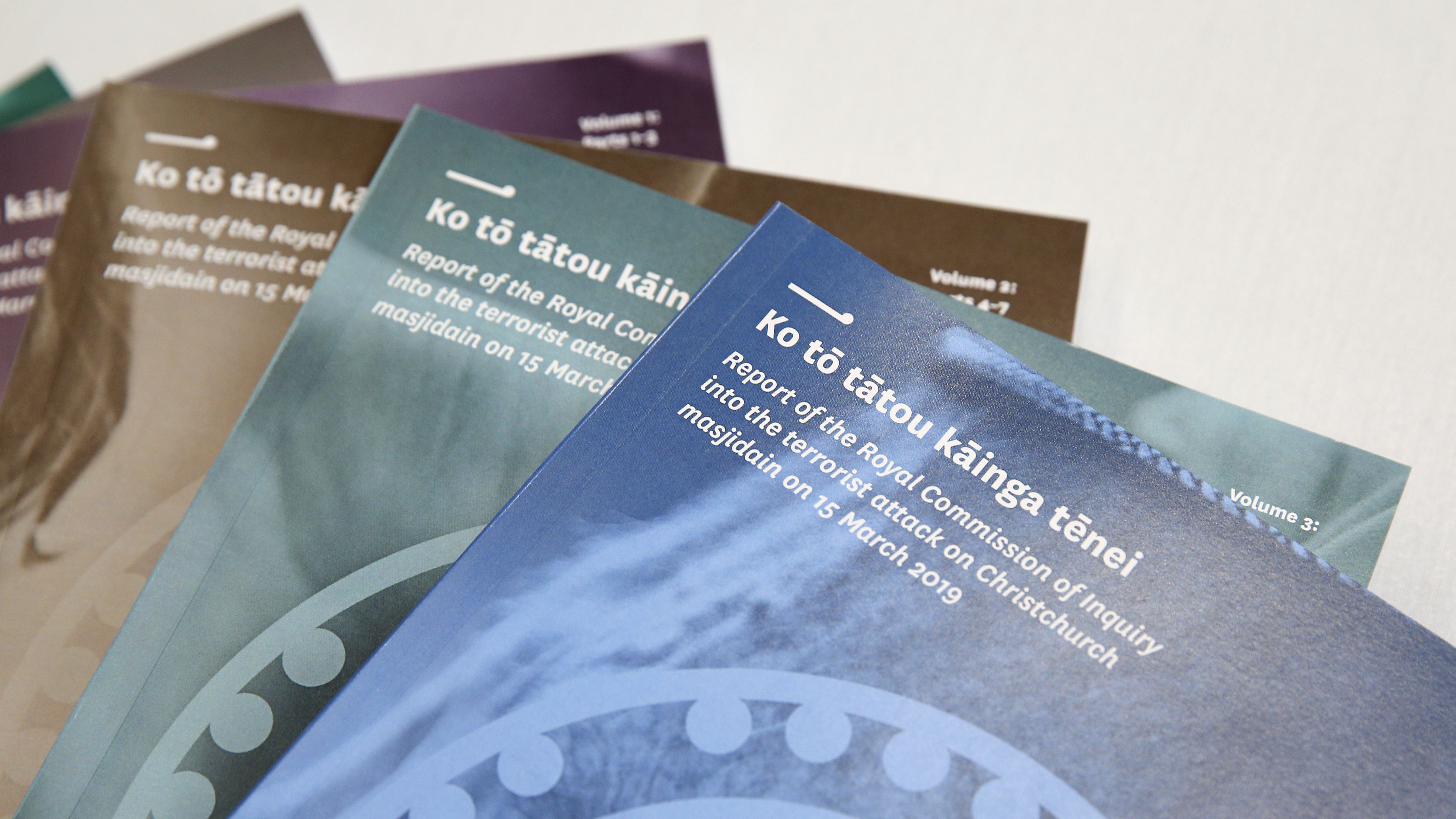
He said advice to Cabinet three days after the attack had recommended a broad inquiry, but by the time the terms were finalised on April 8, 2019, they had been "narrowed and completely changed".
The researchers' criticism is backed by their own findings.
The pair uncovered more than 400 4chan posts that they have attributed to the gunman — public communications the commission never obtained, despite the agencies of the day holding the same information the researchers used to track him down.
"We're an unfunded small university team, and we found it [six] years after the attack," Wilson said.
"With the benefit of hindsight, we can't be too critical of him having been missed beforehand.
"What we are critical of is, why did it take us to be able to find him, that many years after the attack, when every other agency had the same information?
"And it leads to the further question — if that wasn't done, then have the improvements that need to be made been made?"
Wilson said the posts directly contradicted the terrorist's claim to the Royal Commission that he did not use extreme right-wing websites, and exposed the self-image he had cultivated as a reluctant, working-class everyman as "a complete fabrication".
He Told Us: How an Australian Committed Far-Right Terrorism in Christchurch will be published on June 9.
Wilson is an associate professor of politics and international relations at the University of Auckland. Dziwulski, a former Department of Corrections adviser, is completing a master of conflict and terrorism studies at the university.
Speaking to Q+A, the researchers also challenged the inquiry's finding that the terrorist acted alone.
Dziwulski pointed to the messaging app Discord, which the man downloaded in the weeks before the attack and which appeared on his desktop computer in a photo of his bedroom, but which the Royal Commission did not mention beyond a single reference.
"Whether investigators looked into that application, whether they had information from his phone, or whether they contacted Discord is something that we just don't know."
Dziwulski said the inquiry had lacked expertise in terrorism, extremism and digital media, and that a permanent suppression of its underlying information meant no further analysis was possible.
"It really doesn't leave us any safer as a community," he said.
Wilson said the team's wider purpose was to strip away the "maverick outlaw status" that had built up around the terrorist online, where he remained glorified and had inspired more than 100 people to carry out or plan their own attacks.
"At this stage, the current approach to keeping him buried and New Zealand almost moving on as if the attack didn't happen is not working, because he continues to be glorified online," he said.
"It's better that we try and undermine the reputation that's developed around him.
Q+A with Jack Tame is made with the support of New Zealand On Air