New 'game-changing' espresso method could make coffee cheaper
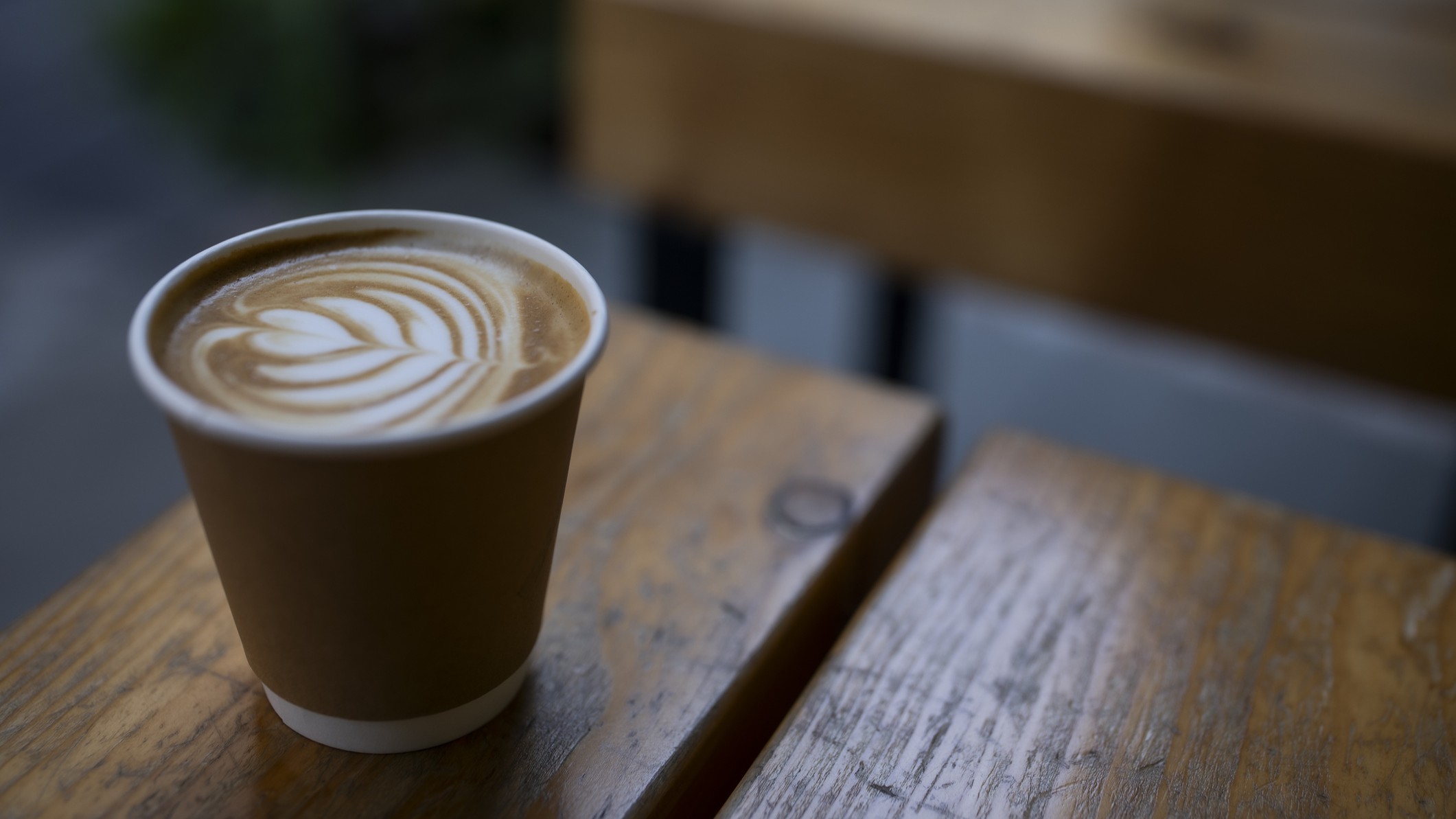
The humble morning brew may be on the brink of a revolution, with Australian researchers harnessing ultrasonic sound waves to make café-quality coffee similar to espresso.
Researchers have created a new brewing process using room-temperature water and sound-waves to create coffee which could lead to cheaper prices for consumers.
It's being described as a game-changing way to produce coffee, according to University of New South Wales senior lecturer Francisco Trujillo.
''We call it an ultrasonic espresso. It's a different process, but you get the same richness and concentration of a normal espresso in under three minutes,'' Trujillo told AAP.
"This is a completely new way to produce coffee very fast with less energy, and you can enhance the flavour a little bit."
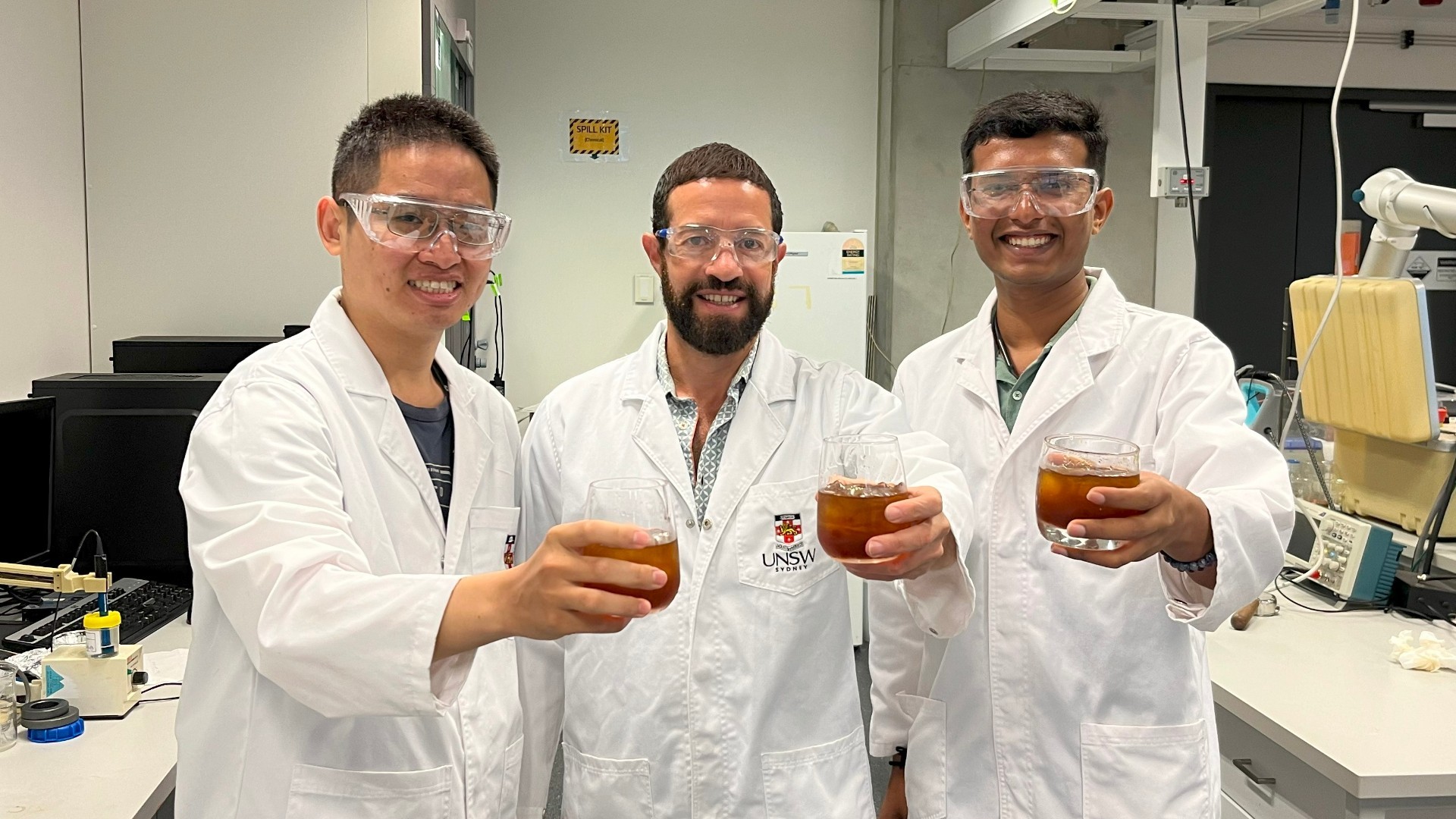
The system uses ultrasound, high-frequency sound waves to help heighten the flavour and aroma from coffee grounds when extracting from a traditional espresso filter basket.
A small metal device generates ultrasound while pressing against the side of the coffee basket holding the ground coffee, causing the basket to vibrate rapidly.
This vibration helps break down the coffee grounds and speeds up the extraction.
The coffee that follows is comparable to espresso made with traditional machines, but it is produced using room-temperature water and much less energy.
Researchers carried out a blind sensory taste-test during the study which included 100 regular coffee drinkers.
"When people tasted the coffee – normal consumers – they couldn't tell the difference with a normal espresso," Trujillo said.

Although the system could be relatively easily developed into an automatic coffee machine for home users, the biggest opportunity is likely to be for large-scale commercial producers of coffee-based drinks.
Coffee prices have continued to climb, with the average cost of a cup rising 37.5% since before the pandemic, from AUD$4 (NZD$4.80) to AUD$5.50 (NZD$6.60), according to the latest La Marzocco Australia's Future of Coffee Report.
The price of speciality coffee currently sits at AUD$7 (NZD$8.50) or AUD$7.50 (NZD$9.10) a cup.
Trujillo hinted the system could provide some cost relief if adopted by businesses due to the benefits it provides in terms of reduced energy use.
"The 75% energy saving is particularly beneficial at that scale and we are also able to produce the coffee very quickly," he said.
''Because the process produces a concentrated, espresso-strength coffee, it can be used directly to manufacture ready-to-drink products, or shipped as a concentrate and later diluted into a range of drinks, including cold brew and milk-based coffee drinks.''