Analysis: Brown's signing highlights NZR's eligibility inconsistencies
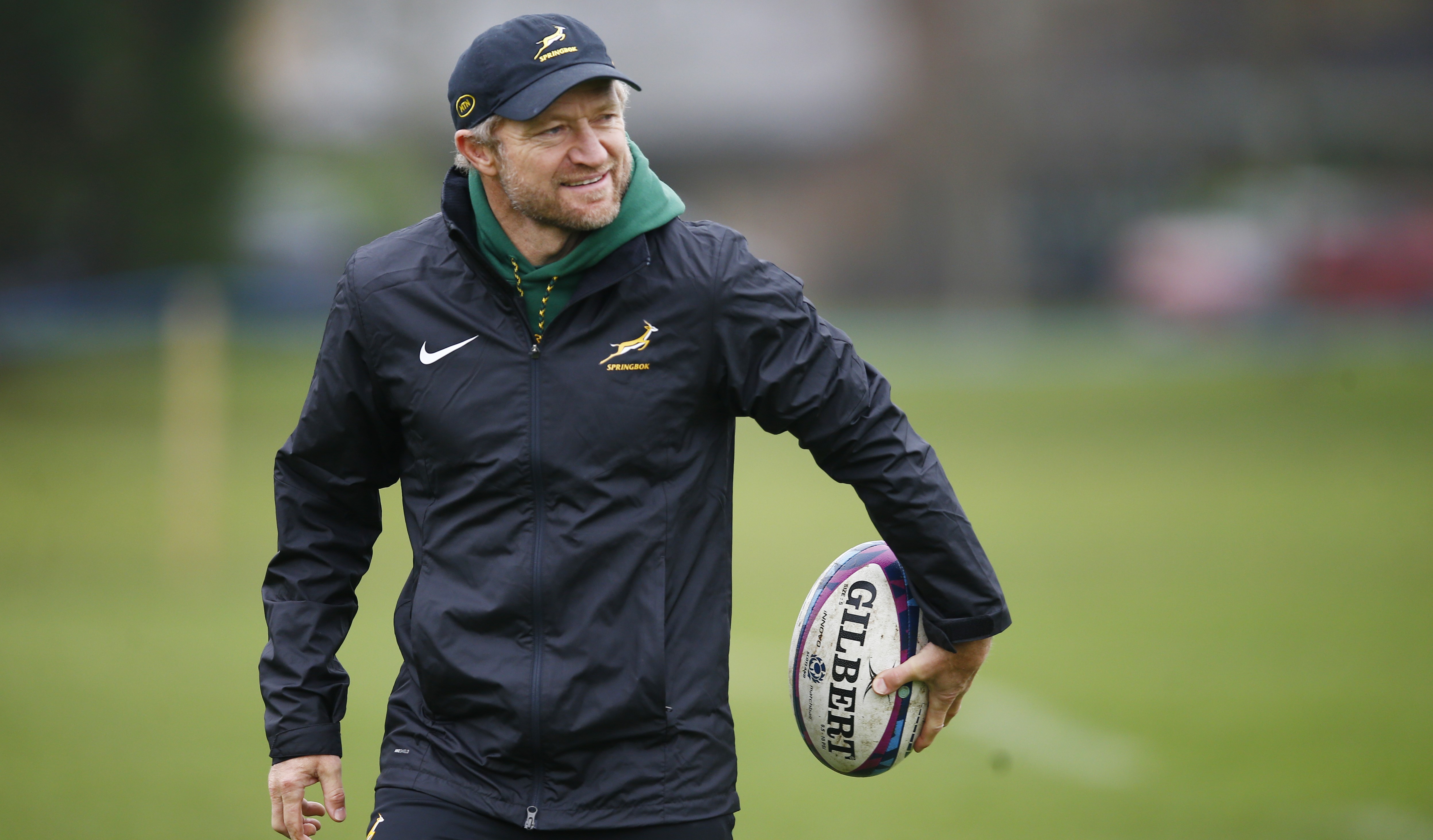
Tony Brown will continue to coach against the All Blacks before joining them. Meanwhile, Richie Mo'unga is already back but can't play for them, writes Patrick McKendry.
Will Tony Brown have to coach in the NPC before he is eligible to be an All Blacks’ assistant from 2028?
This answer is of course “no”, but it is worth examining an inconsistency in New Zealand Rugby’s eligibility laws pertaining to, for example, Richie Mo’unga, and Brown, the man the organisation is extremely pleased to have snapped up once his contract with the Springboks expires after next year’s World Cup.
Until then, Brown will be coaching against the All Blacks, including during this year’s “Greatest Rivalry” tour, just as he did last year when helping to mastermind a record thrashing of the All Blacks by the Boks in Wellington. The two nations are also on track to clash in a World Cup quarter-final.
Brown, widely recognised as one of the most innovative attack coaches in the world, has signed a two-year deal.
Mo’unga, the All Blacks’ first-choice No.10 when he left for Japan club rugby after the 2023 World Cup, has also signed a two-year deal with NZ Rugby until after next year’s World Cup but is ineligible to represent his country before playing for Canterbury in what is now a semi-professional competition.
Mo’unga was widely recognised as one of the best first-fives in the world before he left, and one only needs to look at his highlights during that global tournament in France three years ago to remember why.
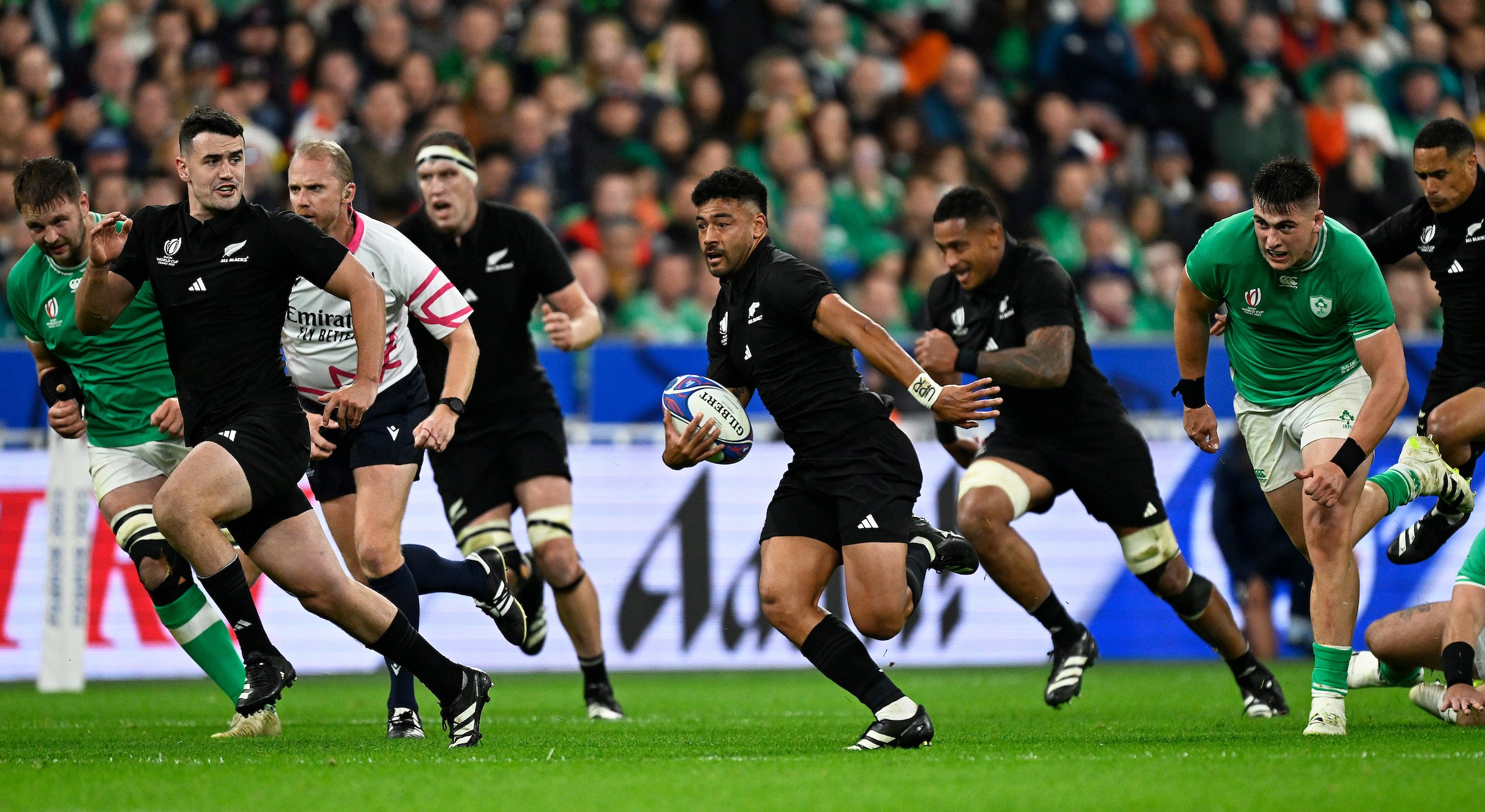
Indeed, he was so hotly in demand by NZ Rugby that the organisation was keen for him to cut short his stay in Japan and return a year earlier to satisfy their own eligibility rules.
After declining the opportunity in favour of honouring his contract with Toshiba, he is preparing to enter the purgatory of provincial New Zealand.
Rugby administrators here have twisted themselves into knots trying to justify their stance on Mo’unga. But the Brown signing – as good as it is for him and the game here – highlights the inconsistencies in their arguments. If not hypocrisy.
All Blacks head coach Dave Rennie wanted to select Mo’unga for the South Africa trip in August and September after getting him into the camp next month to train and observe during the three Nations Championship Tests.
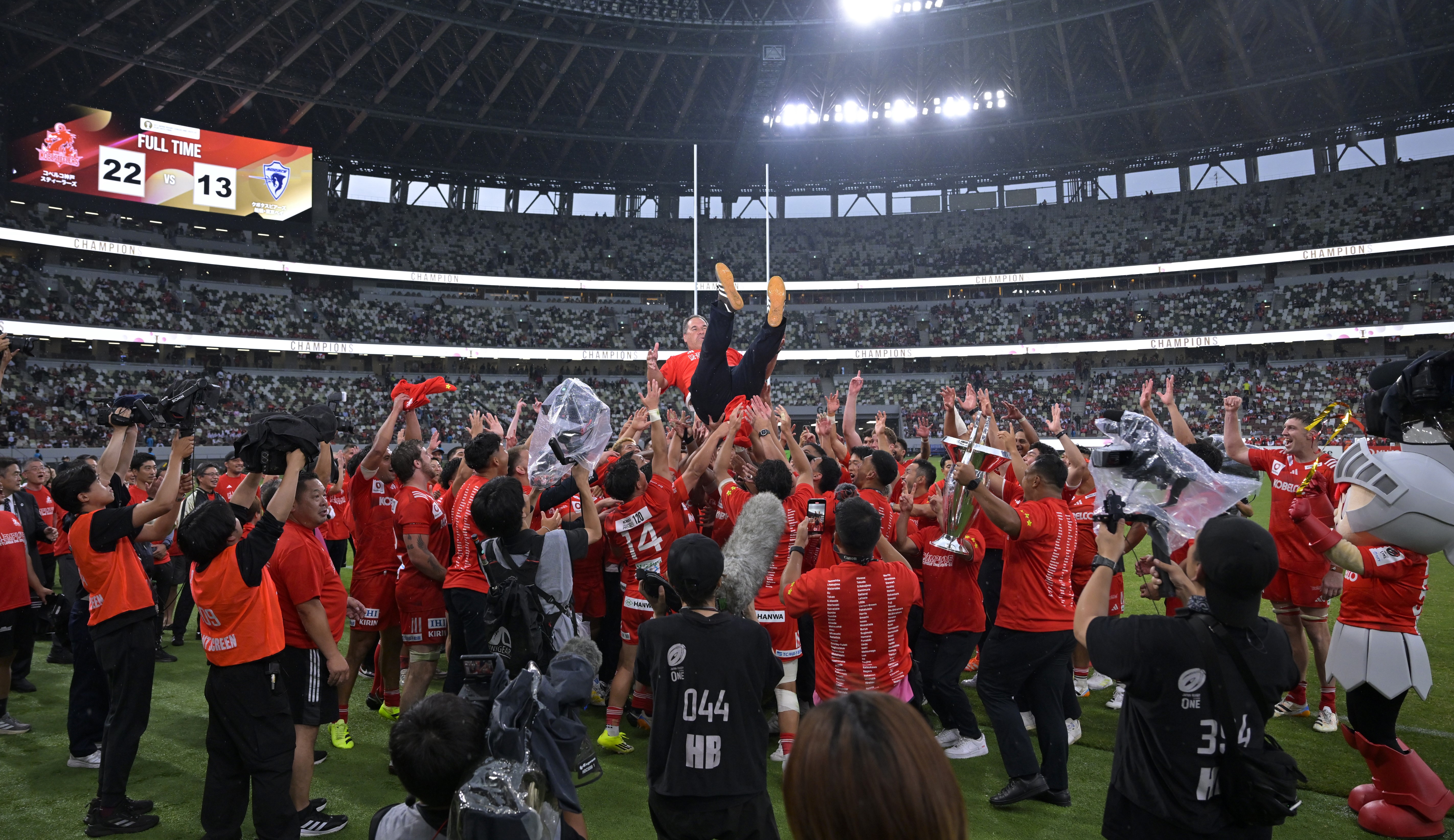
Rennie, the successful Kobe head coach, who won over NZ Rugby's interviewers and board to become Scott Robertson's replacement in March through his attention to detail and thoroughness, was denied.
Why? To keep those players who have signed long-term contracts with NZ Rugby happy and to encourage more to do so.
We’re talking specifically about men such as Beauden Barrett and Damian McKenzie who might be offended should Mo’unga be selected for the No.10 jersey without the same "commitment".
Most should recognise this argument overlooks the reality of modern professional sport. Rennie, now in one of the most scrutinised jobs in world sport, should be able to select who he wants. He cannot.
It also overlooks Mo’unga’s commitment to the New Zealand game beyond his 56 Tests.
He was a mainstay of Canterbury and Crusaders rugby for 10 years, won seven Super Rugby championships in a row, and probably should have earned more Test caps but for a revolving door selection policy between him and Barrett under previous coaches Sir Steve Hansen and Ian Foster.
Meanwhile, one wonders how current All Blacks’ attack coach Mike Blair, who – like Rennie and the other assistants – is on a two-year deal until the next World Cup, received the news that Brown is joining from 2028.
Blair, picked by Rennie, who he worked with at Glasgow and Kobe, has reason to feel unsettled by Brown’s impending arrival, even if NZ Rugby boss Steve Lancaster has stressed that Brown will be an addition to the team rather than a potential replacement. Again, that sounds a bit like how Mo'unga's selection would work.
An argument can be made about there being only a few jobs for top coaches in this country and they must travel to gain experience before potentially returning.
True, but the same applies to players – and they are operating on a far tighter schedule. Mo'unga, 32, probably has only three or four years of top rugby left in him.
It’s also difficult to shake the feeling that the motivations of players and coaches are judged very differently.
Coaches leave for opportunities and experience.
Players leave for money.
It's a paternalistic and condescending attitude that needs to go – along with the out-of-date eligibility rules.