Youth unemployment climbs to highest level in more than 30 years
The number of unemployed young New Zealanders has climbed to its highest level in more than three decades, according to recent figures from Stats NZ.
Figures showed 17.3% of 15–24-year-olds were unemployed in the year to March — up from 16% the previous year.
It followed the Government's announcement in this year’s Budget that it would increase the number of funded trades academy places from 10,000 to 20,000 over the next four years, funded by the cancellation of the fees-free policy.
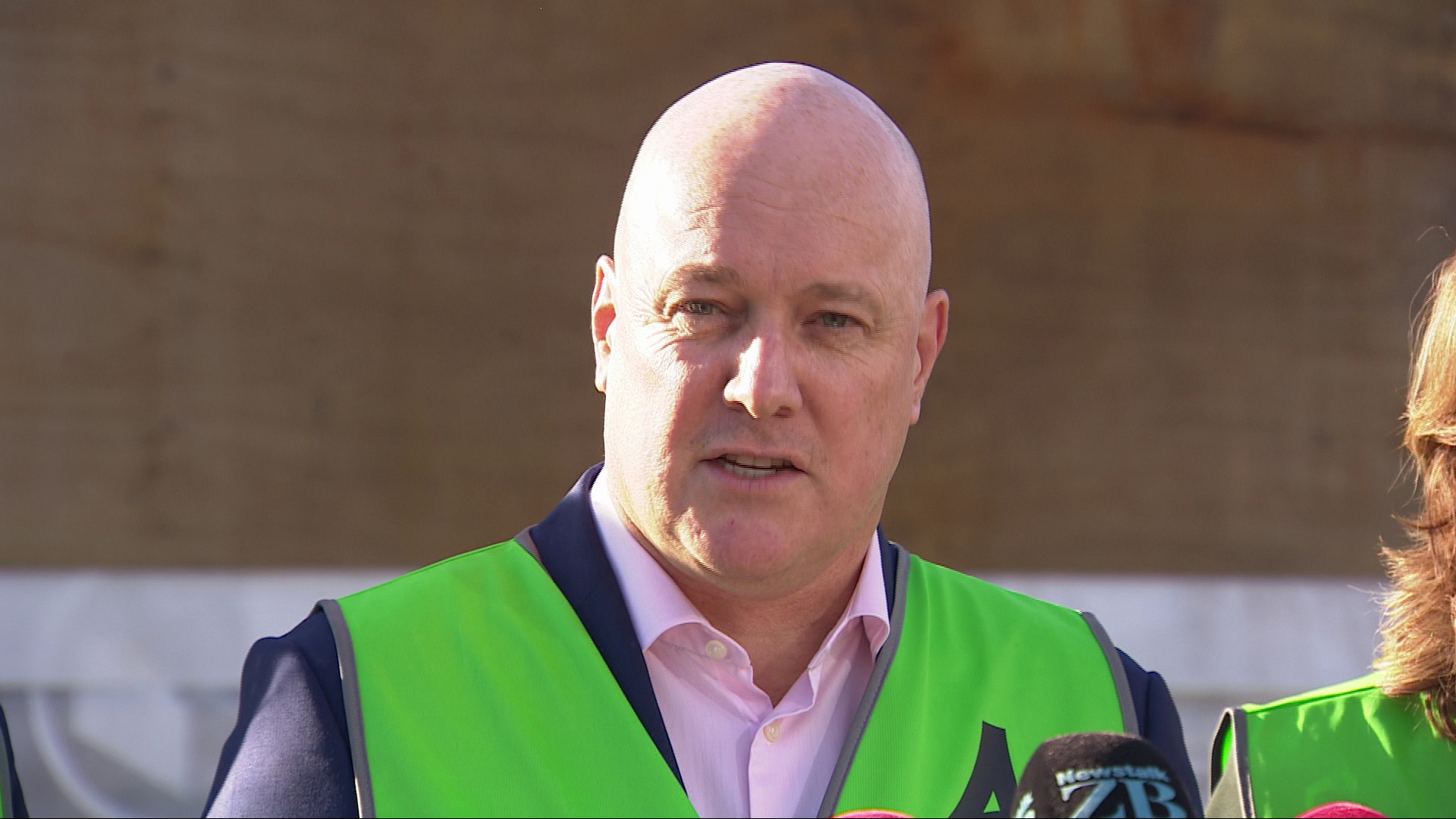
Prime Minister Christopher Luxon said the investment was aimed at preparing young people for an expected surge in employment opportunities, with Treasury forecasting 220,000 new jobs over the next four years.
The new trades academy places would be phased in from the beginning of the 2027 school year.
"We need young Kiwis with the skills to fill those jobs and that means investing in them now with this kind of training," he said.
One programme helping young people into employment was the Ara Charitable Trust in South Auckland, one of 24 programmes nationwide which worked with schools and industry partners to prepare students for careers in trades.
The programme offered hands-on trade skills as well as helping students prepare CVs, obtain their drivers licences and overcome other barriers to employment.
Since 2021, the trust's trades academy had trained more than 700 students, with around half moving into employment.
One of them was 19-year-old former Manurewa High School student David Mafileo, who was now working as an apprentice on Auckland Airport’s multi-billion-dollar terminal redevelopment.
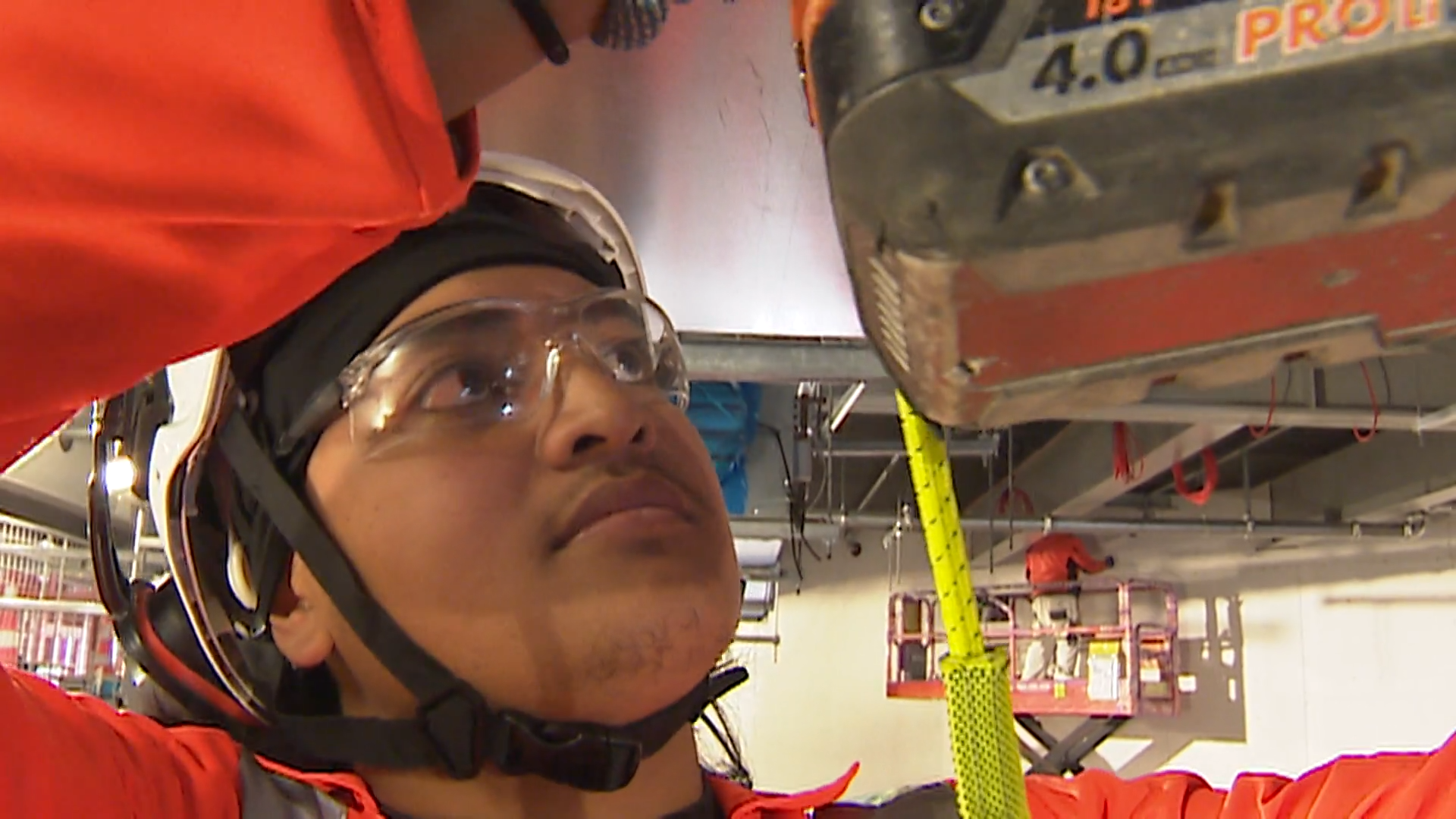
"When they put me to work with some tools and I actually did some work, when I stood back and looked at it, I was really impressed on how I changed something," Mafileo said.
"When I first started, I was the worst. I'm still a bit sluggish every now and then but as long as I make it to work and I do the job, that's what makes me happy."
Hawkins, the construction company delivering the airport project, said continuing to train apprentices during an economic downturn was essential.
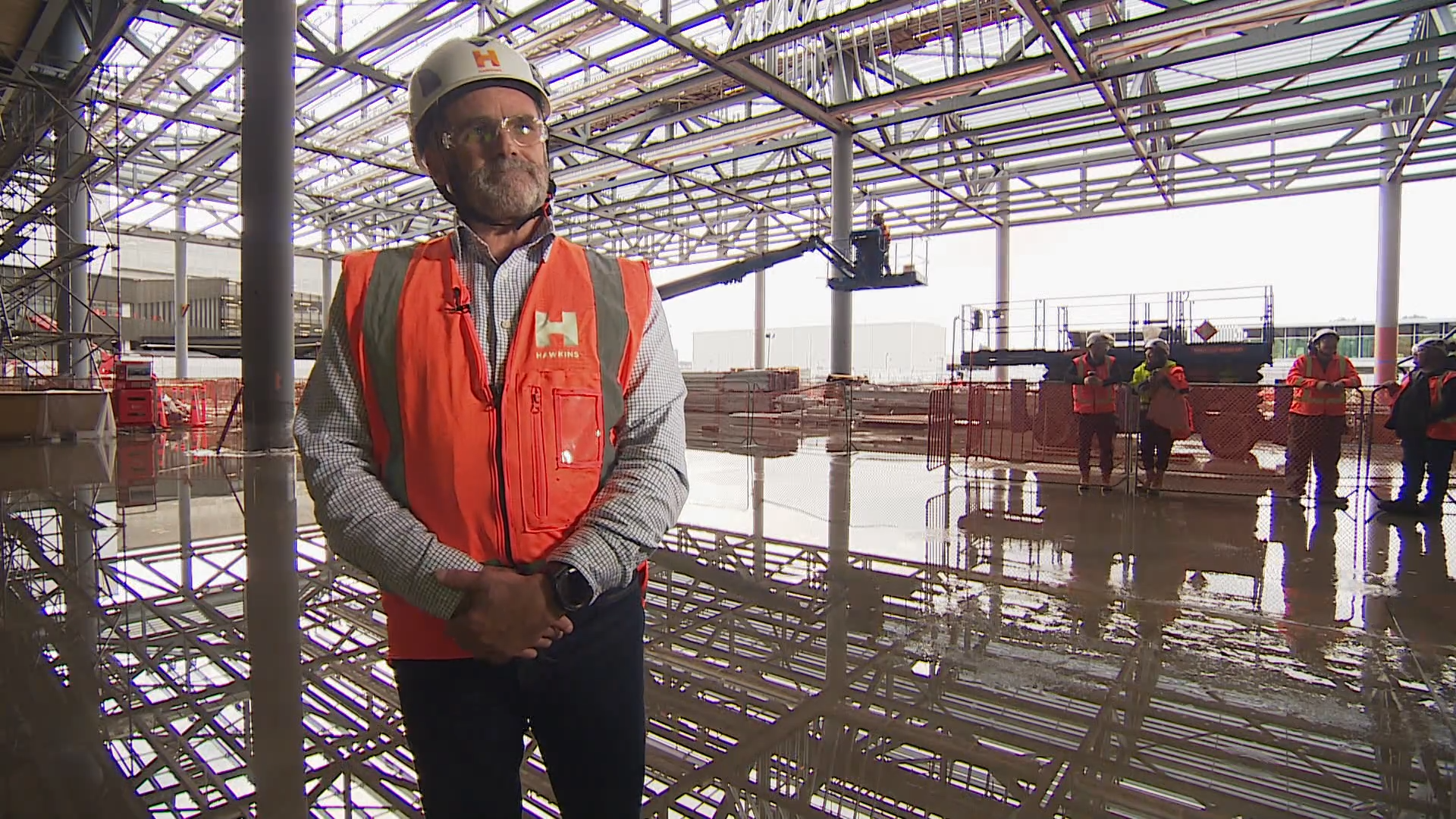
“You must always keep training, no matter what cycle you’re in, because we have to build for the future," general manager Terry Buchan said.
Principal at Alfriston College Kylee Jefferies said it "weighs heavy" to see students struggling to find work.
"We want to make sure that what we are setting our learners up with is clear pathways so that they can successfully transition outside of school," she said.

"We want to know exactly where those employment opportunities are coming from."
Some unions feared many newly trained workers could end up leaving the country with their skills.

Council of Trade Unions president Sandra Grey said without enough jobs in New Zealand, "they’re going to disappear to Australia and get jobs with good wages".