Seven years, $33m, no results: failed govt IT project 'misled' minister
A failed $33 million immigration technology project cycled through a dozen project managers, brushed aside warnings it wouldn't deliver, and gave ministers misleading advice about its progress, a new inquiry has found.
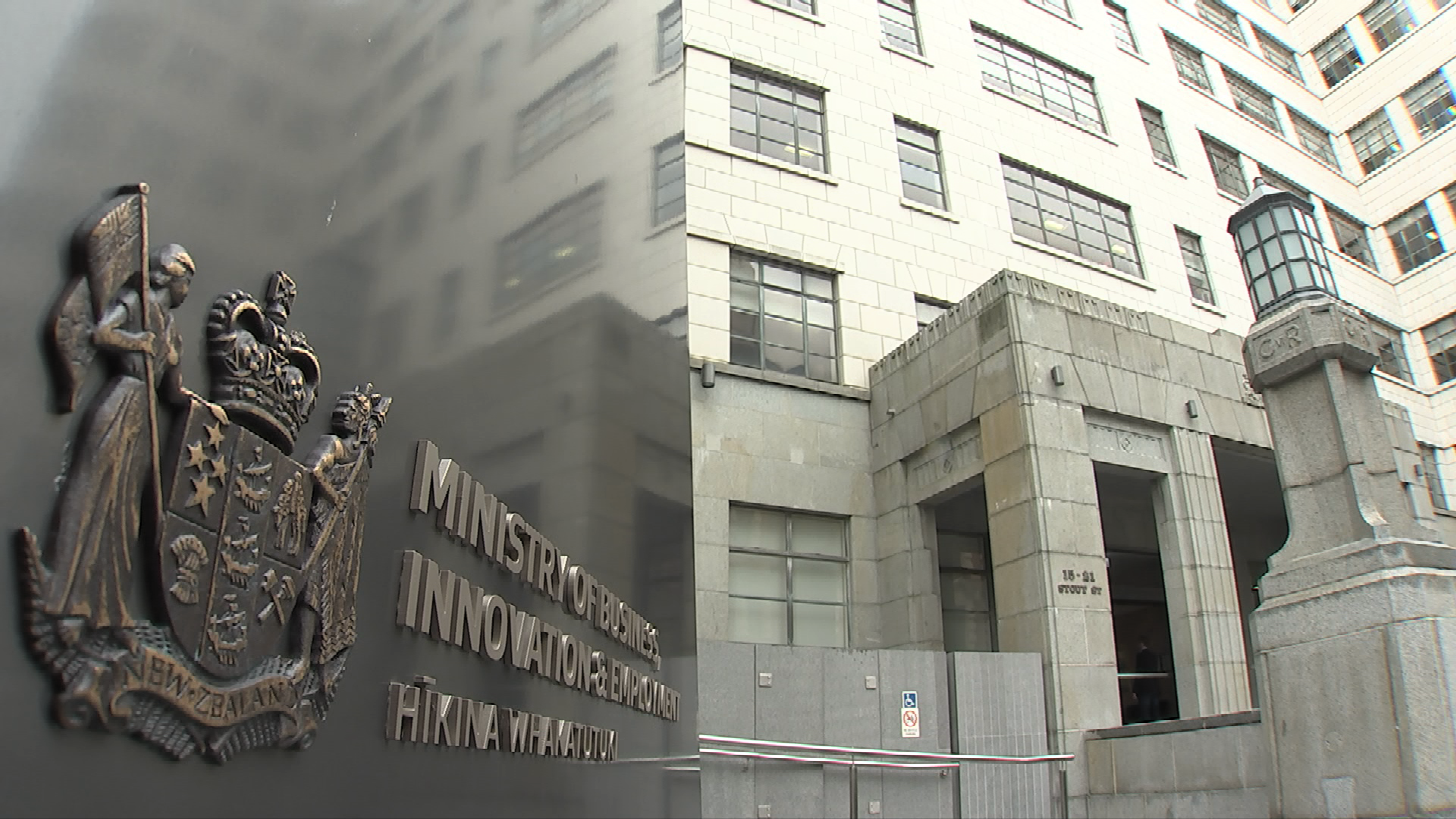
The independent review into the biometric capability update project has prompted the Ministry of Business, Innovation and Employment (MBIE) to welcome a separate Public Service Commission investigation into integrity issues it uncovered.
What was described as "creative accounting" and problematic disclosure to the Government has also led to scathing rebukes from Immigration Minister Erica Stanford.
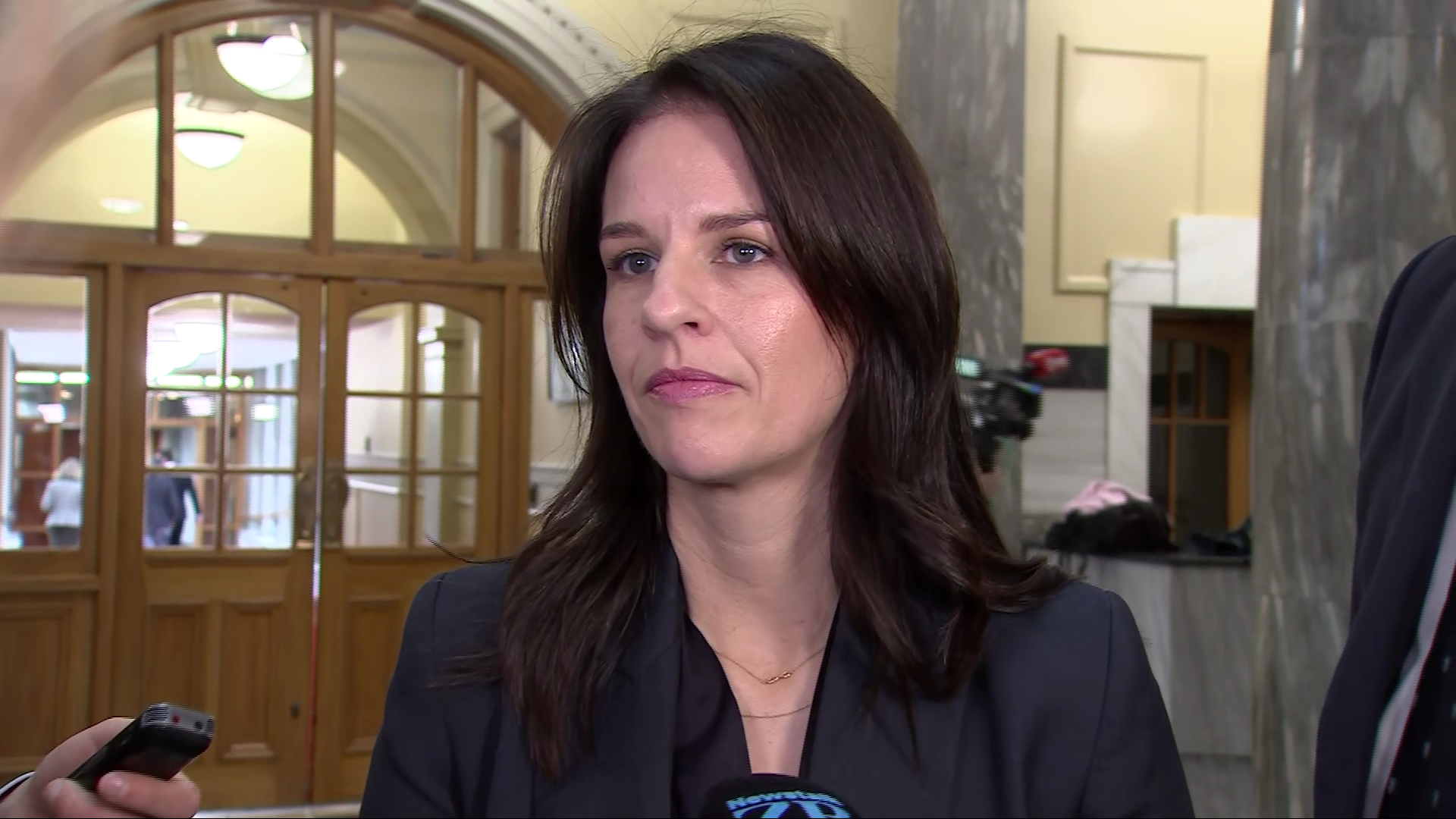
Speaking to media after appearing before a select committee, Stanford said she had been misled and the report raised "more questions than it answers".
"It is very difficult to trust officials when they are deliberately withholding information from you and providing misleading information," she alleged about MBIE advice.
The scrutinised seven-year project began in November 2018 and was meant to modernise Immigration NZ's identity management system.
It was discontinued in November last year, having delivered no measurable benefits.
The review, by consultant Greg James, found MBIE was overly optimistic about delivery, established governance too late and frequently bypassed it, and ignored advice from reviews and staff who questioned whether the project was viable.
Stanford said her confidence in her own officials had been "knocked", and that she had told them so. "It's really sad that we are back to a point now where I have a very dented trust and confidence in my officials."
MBIE chief executive Nic Blakeley said it was unacceptable the project failed.
In a media release, he said his ministry's own decisions, oversight and governance failings had led to the failure and had a significant financial impact.
"We have fallen short of the Government and public's expectations," he said.
"It is integral that the public can have confidence in MBIE and our ability to deliver significant projects like the biometric capability update project. I am committed to addressing the findings of the review to strengthen MBIE’s ability to deliver in future."
Public Service Commissioner Sir Brian Roche confirmed he will investigate integrity concerns and appoint an independent investigator to inquire into the matters raised and recommend any actions required.

At Stanford's request, he said he would also examine the broader Our Future Services immigration transformation programme to ensure the advice the minister had received was accurate and could be relied upon.
Stanford said she was "not confident" the problems at MBIE were isolated to one project, and had asked for the separate IT project to be investigated as well.
She said the cost of the technology project, while small relative to the wider immigration system, would still be "borne by future users of the immigration system".
The review was particularly critical of advice given to Government ministers.
Minister given advice that didn't match the record
In March 2024, MBIE sent Immigration Minister Stanford a briefing seeking approval to lift the project's whole-of-life cost to nearly $40 million.
To support the request, the briefing's addendum said the project had undergone three independent quality assurance reviews.
It stated: "The latest independent quality assurance confirmed the project approach was sound and robust, the build is achievable, and the risk management practice is effective."
The review found that advice was incorrect and misleading. The most recent assurance review, from late 2023, had reached close to the opposite conclusion - doubting whether the project would deliver at all and questioning whether it should continue.
The error prompted a formal apology from Blakeley to Stanford in April 2024.
The review found no evidence of a deliberate intention to mislead.
Stanford said she had grown suspicious early on, when a report told her "everything was rosy, we were on track". When officials were pressed for the underlying quality assurance document, she alleged that "what I was told was pure fiction".
At the time, she said, the issue had been put down to "a junior staffer" and a lack of proper oversight, but the latest report showed "that one piece of misleading information is much wider than that".
Stanford said the project's whole-of-life cost rose from $19 million to $35 million with "almost as far as I can tell no questions asked".
She said officials tried to get her to lift the cost to $40 million through a Cabinet paper - something she refused - without telling her they had earlier made the same request to former Labour government minister Andrew Little, who had already declined twice.
'Creative accounting' claims
It also documented concerns about the project's finances, with some staff describing the management of costs as "creative accounting" - largely driven by efforts to stay under the $35 million Cabinet funding threshold.
A total of $4.44 million was transferred out of the project between 2022 and 2025, the review found, further complicating efforts to track its true cost.
The relationship with provider NEC was also strained throughout, marked by formal breach notices and persistent disagreements over what the system needed to do.
Announcing the further investigation, Roche said the integrity matters highlighted by the review were serious and concerning.
"They go to the core of the behaviours and ethics required of public servants, and the ability of ministers to have confidence in the advice they receive from officials," he said.
Blakeley said he supported the commission looking further into the issues raised, particularly those relating to integrity of advice and financial management.
MBIE said it would investigate any employment matters relating to the project once the commission's investigation concluded.
It is also undertaking a stocktake of all major technology projects.