Nearly half of Marlborough could be sold or developed under new bill
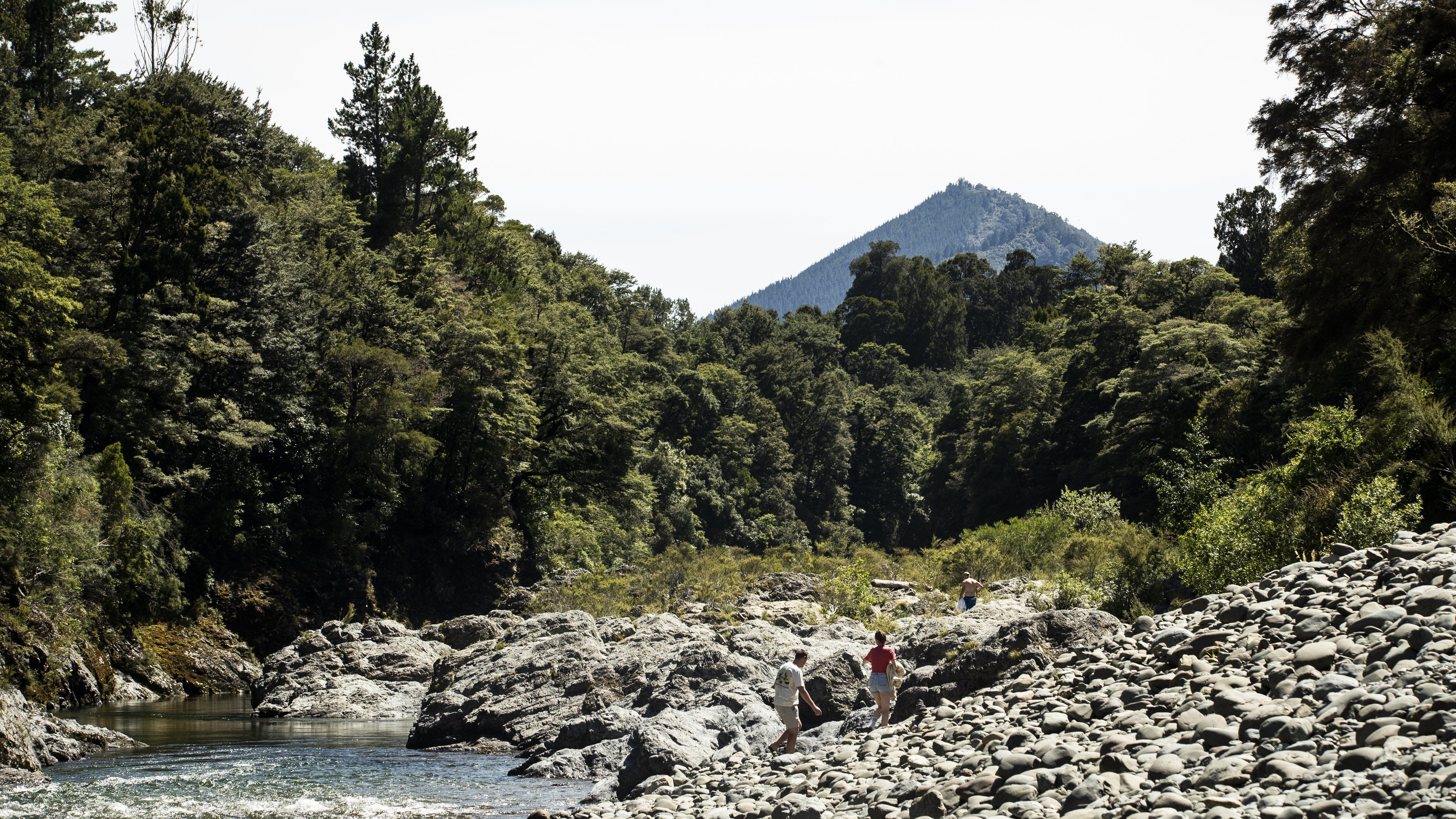
Huge swathes of Marlborough’s conservation land could be opened to development or sale under the Government's Conservation Amendment Bill.
By Kira Carrington of Local Democracy Reporting
The bill, which would make it easier to either sell off or establish economic activity on conservation land, passed its first reading in May.
Lobby group Forest & Bird released maps last week showing that up to 60% of New Zealand’s conservation land could be affected by the bill.
The Department of Conservation managed 4857sq km in Marlborough, 46% of the region’s total area.
The region’s conservation land included the Wairau Bar, Mount Richmond Forest Park, New Zealand’s largest farm Molesworth Station, Ka Whata Tu o Rakihouia Conservation Park in the seaward Kaikōura ranges, Pelorus Bridge Scenic Reserve, and several reserves in the Marlborough Sounds.
Conservation Minister Tama Potaka said during a rowdy spat in Parliament last week it was “spurious” to suggest the Government was intending to sell large tracts of conservation land.
Potaka was adamant the intent was only to sell “bits and bobs” of land with low conservation value, such as the land under the MetService building in Wellington.
The bill intended to make it clearer, when considering possible sales or exchanges, whether doing so would improve conservation outcomes, he said.
Current legislation allowed the sale of land that had no, or very low, conservation value.
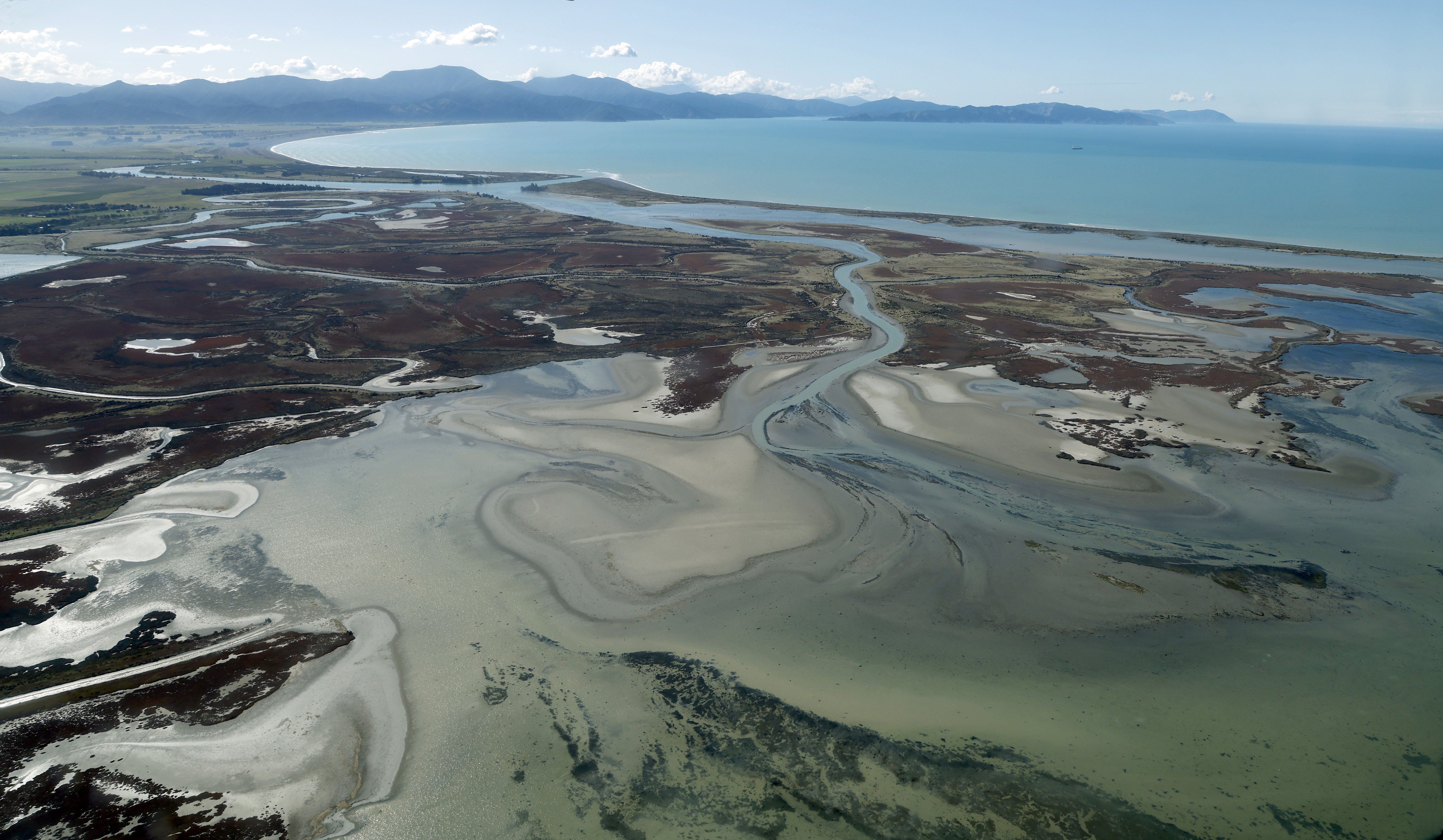
Marlborough councillor Gerald Hope said he did not oppose a “review of public lands” until there was more clarity on the potential impacts.
Hope said he was more focused on the environmental outcomes for conservation land than who owned it.
A “vast estate” of Marlborough conservation land had been “left to languish” by an underfunded DOC, he said.
The council had a decades-long history of collaborative conservation work with private landowners, who “by majority, value the remnant and re-vegetating natural areas on their farms and properties”, Hope said.
“I understand the sensitivity of possible sales of public land, but what is the reality? A continuation of animal pest and weed invasion? The increasing risk of wild fire? Degradation due to extreme weather events?
“My view is that we need to focus on what we have some control over.”
Hope said he thought Molesworth should remain under public ownership with a changed operating model, with surplus revenue reinvested back into conservation.
Councillor Malcolm Taylor said that while he was “generally not in favour” of selling conservation land, “there are a few exceptions”.
Taylor said an argument could be made for selling off conservation land where there was already commercial activity. He thought when the cafe and campground at Pelorus Bridge was operating, that land could have been sold to the operators or any member of the public.
Forest & Bird Marlborough chairperson Penny Wardle said the Conservation Minister was “doing his best to confuse people” about the bill.
“Potaka may be right, perhaps there are no immediate plans to sell vast areas of public conservation land, but this bill does enable that,” she said.
“The bill requires DOC to enable economic use and development of public conservation land ‘to the greatest extent practicable’. That’s a big shift from its current purpose of protecting and restoring nature.”
While Wardle said some of the bill’s proposed changes were sensible, prioritising economics over nature preservation was “unacceptable” in a country renowned for its conservation.
Marlborough Tramping Club president Murray Chapman said the bill allowed the Conservation Department to act as a ”real estate agent” and “hock off the silverware” to fund their revenue shortfalls without public accountability.
“While no-one completely opposes commercialisation it has to be balanced and not at the expense of the public being able to recreate, and to reflect the core values we hold dear, which this bill does not.”
Chapman encouraged the public to have their say and make a submission, as the bill deserved “careful public scrutiny with broad community participation”.
“National need to be reminded this could cost them the election,” he said.
Submissions on the Conservation Amendment Bill close on July 2.
– LDR is local body journalism co-funded by RNZ and NZ On Air.