'Perverse incentive': MSD staff metrics include emergency housing grants
Ministry of Social Development (MSD) managers are being individually assessed on whether they keep emergency housing numbers under the government's targets, and told they could face consequecnes if their performance across their KPIs does not meet expectations.
Multiple tiers of MSD staff are subject to annual performance agreements, according to internal documentation released under the Official Information Act.
The staff receive regular grading on eleven measures, including the number of people in their region who receive emergency housing grants. Managers are rated as either "exceeding", "achieving", or "needs improvement" on each metric.
"Where performance does not meet expectations, you will be required to develop and implement targeted improvement plans to address gaps and restore performance," the letter states.
'Incentivised to say no': Concerns over MSD emergency housing targets - Watch on TVNZ+
"This is just extraordinarily difficult to swallow," said the chief executive of the Auckland City Mission, Helen Robinson.
"The end result means that people, decision makers, are incentivised to say no."
Q+A also showed the performance agreement to Jill Hawkey, who runs the Christchurch Methodist Mission.

"I don't think anybody should be rewarded for denying somebody their human right to shelter, and that's essentially what's happening," she said.
"If you've got KPIs around the number of people who you've actually moved into more appropriate housing, all good and well, it's something that's positive, but you've got this kind of perverse incentive to actually keep people out of emergency housing."
MSD group general manager of client service delivery Graham Allpress confirmed staff are assessed against emergency housing targets, but told Q+A it was just one in a range of metrics in the performance agreements.
"It would be wrong to say someone would face disciplinary action based solely on the housing reduction target. Someone’s performance would be considered against the full suite of measures," Allpress said.
Despite the language in the letter, Allpress insisted that missing the targets would not trigger MSD's internal performance management process, and that no staff have been threatened with losing their jobs for missing emergency housing targets.
“We are clear with our senior managers that they need to be aware of government priorities and targets. However, the number of emergency housing grants in a region does not trigger performance management — this has not occurred, and it is not the expectation set for our staff."
Minister Tama Potaka, who is responsible for emergency housing, told Q+A he had not been aware of the performance agreements.
He initially declined to comment, describing the agreements as an "operational matter".
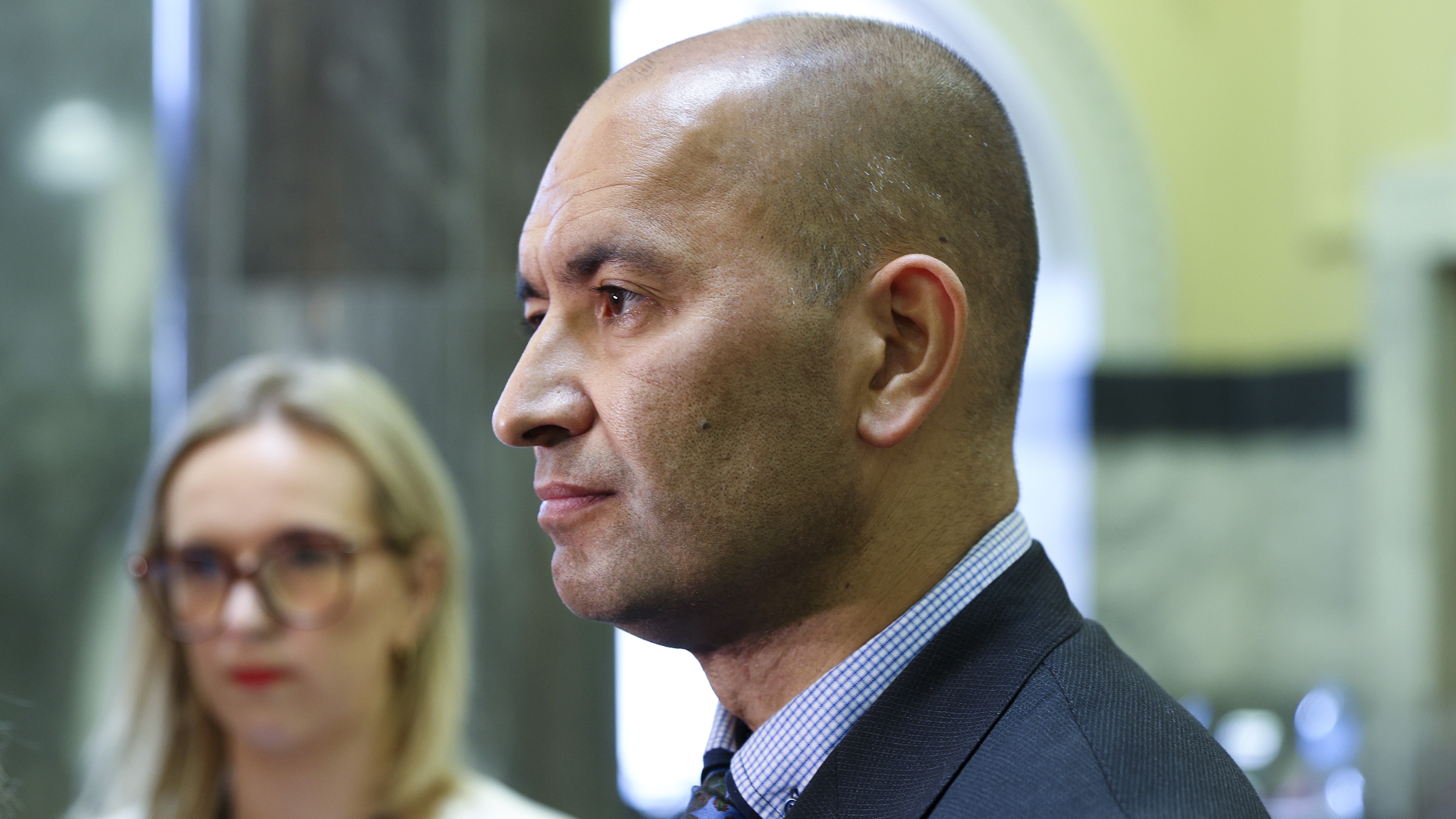
But when asked if he was comfortable with managers being individually assessed on whether or not emergency housing targets were met in their region, he said: "No. That would be something that I’d ask the chief executive at MSD about."
Asked if the letters created incentives for staff to deny legitimate emergency housing requests because they want to hit targets, Potaka told Q+A: "I can see that that’s one interpretation reasonable people can have."
At its peak, nearly 5000 people were living in emergency housing motels in November 2021, a programme that cost the then-government $340 million annually. National campaigned on ending the use of emergency housing motels at the 2023 election.
In 2024, the coalition set targets to lower the number of people in emergency housing by 75%, setting a target date of 2030.
Eligibility rules for emergency housing were also tightened, with families with children automatically prioritised, and MSD staff given powers to decline applications where the applicant was found to have contributed to their own housing instability.
The 2030 target was reached five years early, when Potaka announced in January 2025 that the use of emergency housing had fallen to just 591 people in December 2024.
Of those who did receive emergency housing, 80% were moving into social, transitional or private housing, he said.
"Emergency housing will always be available as a last resort for those who need it, and it’s important we continue monitoring the availability and use of emergency housing to ensure we stay on target," Potaka said at the time.
Documents released to Q+A also reveal different metrics being used to support the emergency housing reduction targets.
Under "the number of households that have exited emergency housing and haven't returned within 26 weeks," staff are told to match or exceed 95%.
“This is a measure we use internally, and have used for some time, to support our staff to make sure that when we are helping clients out of Emergency Housing, that it is into a more sustainable option," Allpress said.
“It would not be a reason to deny someone an Emergency Housing grant.”
Auckland City Missioner Helen Robinson said people who were denied emergency housing had little other choice but to sleep on the street.
"I have never seen this scale of homelessness in my 13 years," she said.
"There are literally hundreds of people who are rough sleeping here in Auckland ... there’s totally unmet need."
She described the performance agreements as "deeply, deeply distressing."
"Decision-makers within [MSD] are good people. And in the end, public ministries are serving the Minister of the day and the government of the day. A target has been set, and they have very faithfully met it."
Q+A also obtained documents from MSD’s call centre logging system, "Q Manager," and compared the data with official numbers of emergency housing applications.
Official applications can only be submitted when someone in need has a formal appointment with a case manager, which follows the initial call.
It’s only at this point that people in need can appeal an emergency housing decision.
For 16 months in a row, there were over 1000 more initial inquiries to MSD about emergency housing per month than official applications that were subsequently submitted.

MSD said there are several reasons for the discrepancy: Some people who initially call the ministry fail to make their subsequent appointments.
Some people also call MSD more than once. And some people have their housing needs met in another way.
But "The Need Can Be Met In Another Way" was the most common reason that official applications for emergency housing grants were declined.
And it wasn't clear why some people had applications submitted, and others didn't.
The data also showed that under the previous government, the number of monthly applications for emergency housing that were submitted by case managers hugely outnumbered initial inquiries about emergency housing.
Last week, Potaka and Housing Minister Chris Bishop announced a new $14.5 million fund to expand housing support initiatives across the country.
Potaka insists emergency housing grants are still accessible for people in need.
"I can guarantee that in most cities and towns in New Zealand, there is an opportunity to, where you have a genuine need ... [stay in] temporary accommodation.
"But in addition to that, that operates in a context where often it is better that you don’t go into a motel. Instead, you go into a house, you go into a home, you go into a transitional housing facility."
Before Parliament is dissolved in September ahead of the election, the Government intends to pass legislation introducing move-on orders, which could criminalise rough sleepers. Robinson said the same people who miss out on emergency housing grants could find themselves getting caught by move-on orders.
"If New Zealand could find a way to provide adequate support to people who are rough sleeping ... then we would go a long way to not needing the move on orders at all."
Q+A with Jack Tame is made with the support of New Zealand On Air