Trump warns Iran 'will no longer exist' if US must 'complete the job'
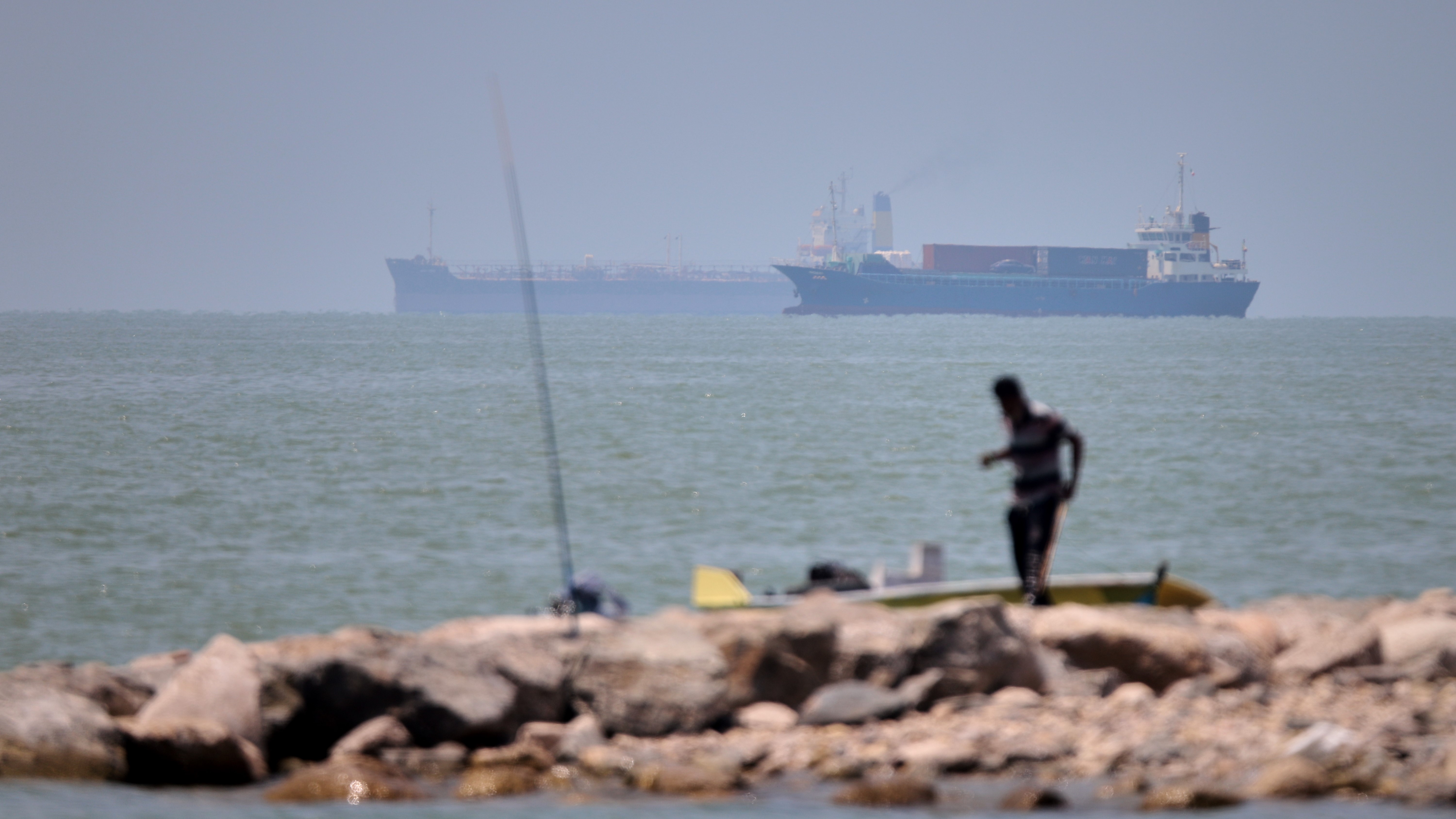
The US military said it had struck 10 targets in Iran at President Donald Trump’s direction, continuing a string of attacks that have shaken the war’s uneasy ceasefire.
US Central Command, in a post to social media, said that US military aircraft targeted Iranian military “surveillance infrastructure, communication systems, air defence sites, drone storage facilities, and minelayer capabilities” following an attack on a merchant vessel early on Saturday morning (local time).
It later specified the strikes involved 10 Iranian military targets at multiple locations in and near the Strait of Hormuz.
The ongoing strikes in the Persian Gulf show the danger of the Iran war again spinning out of control, even after Iran and the US reached an interim deal to try and agree on a final accord to end the conflict.
In a social media post, Trump said the US had “struck Iranian missile and drone storage locations, and coastal radar sites, for violating the Cease Fire Agreement, AGAIN!”
He warned of a point where the US may no longer be able to be reasonable, “and will be forced to militarily complete the job.
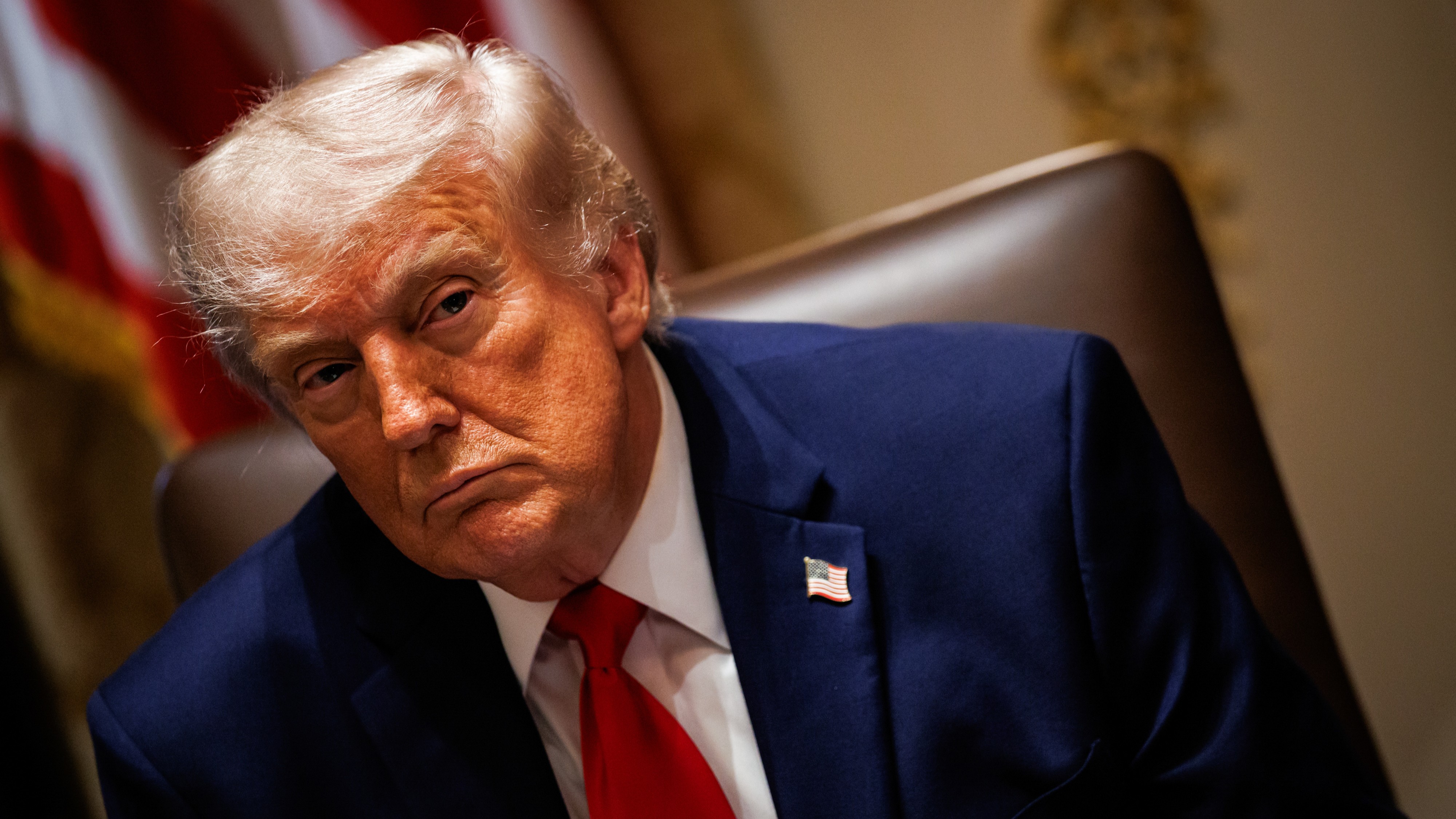
“If that happens, the Islamic Republic of Iran will no longer exist!” Trump wrote on Truth Social.
The incident follows a similar back and forth that occurred just days prior when an Iranian drone struck a merchant vessel off the coast of Oman on Thursday and the US military retaliated with strikes the next day.
US says strikes were a response to Iranian attack on oil tanker
US Central Command said that in this latest attack Iranian forces attacked the oil tanker Kiku with a one-way drone. The tanker was laden with more than two million barrels of crude oil and sailing through the Strait of Hormuz.
According to ship tracking websites, the Kiku left a Qatari oil field in the middle of the Persian Gulf earlier in the week and was bound for a port in the United Arab Emirates that sits on the Gulf of Aman, just on the other side of the Strait of Hormuz.
It appeared to be attempting to use a route that was established near the coast of Oman that is serving as an alternative to the route sanctioned by Iran that runs through its own waters.
A multinational maritime body overseen by the US Navy said today that it would expand the Omani route to allow for both inbound and outbound traffic, likely setting up a new flashpoint with Tehran, which sees the strait as a key source of leverage in ongoing talks with the US
The US military said that “Iran had a chance to honour the ceasefire agreement” but “elected not to” when its forces attacked the Kiku.
Iran state TV reported explosions in an area just north of the Strait of Hormuz.
Bahrain condemns Iran’s drone attack
Earlier today, a statement from Bahrain’s Foreign Ministry said a “number of Iranian drones” targeted the country. It called the attack “a flagrant threat to the security of citizens and residents”. There were no immediate reports of damage.
Iran’s paramilitary Revolutionary Guard earlier issued a statement carried by the state-run IRNA news agency saying it had targeted several locations “of the US terrorist army in the region”. It did not name what areas were targeted.
Bahrain has been one of the strongest critics of Iran and is home to the US Navy’s 5th Fleet. It just hosted US Secretary of State Marco Rubio for a meeting of the Gulf Cooperation Council’s foreign ministers, which ended with a call for an end to Iran’s attacks and for the strait to be completely open.
Overnight into Saturday (local time), the US military’s Central Command said it had struck Iranian missile and drone locations and coastal radar sites.
US Vice President JD Vance, who has led the negotiations with Iran, said on social media Friday night that Iran should “pick up the phone” if there are disagreements about the ceasefire agreement, “but violence will be met with violence”.
The US and Iran are negotiating terms of the deal including issues such as getting ships through the strait that’s vital to global supplies of oil and natural gas and addressing the future of Iran’s nuclear program and stockpile of highly enriched uranium.
Under the interim deal, the two sides have 60 days to work out the details. Ending the fighting in Lebanon between Israel and the Iranian-backed Hezbollah militant group is a key part of the deal.
Ship comes under attack as strait route expands
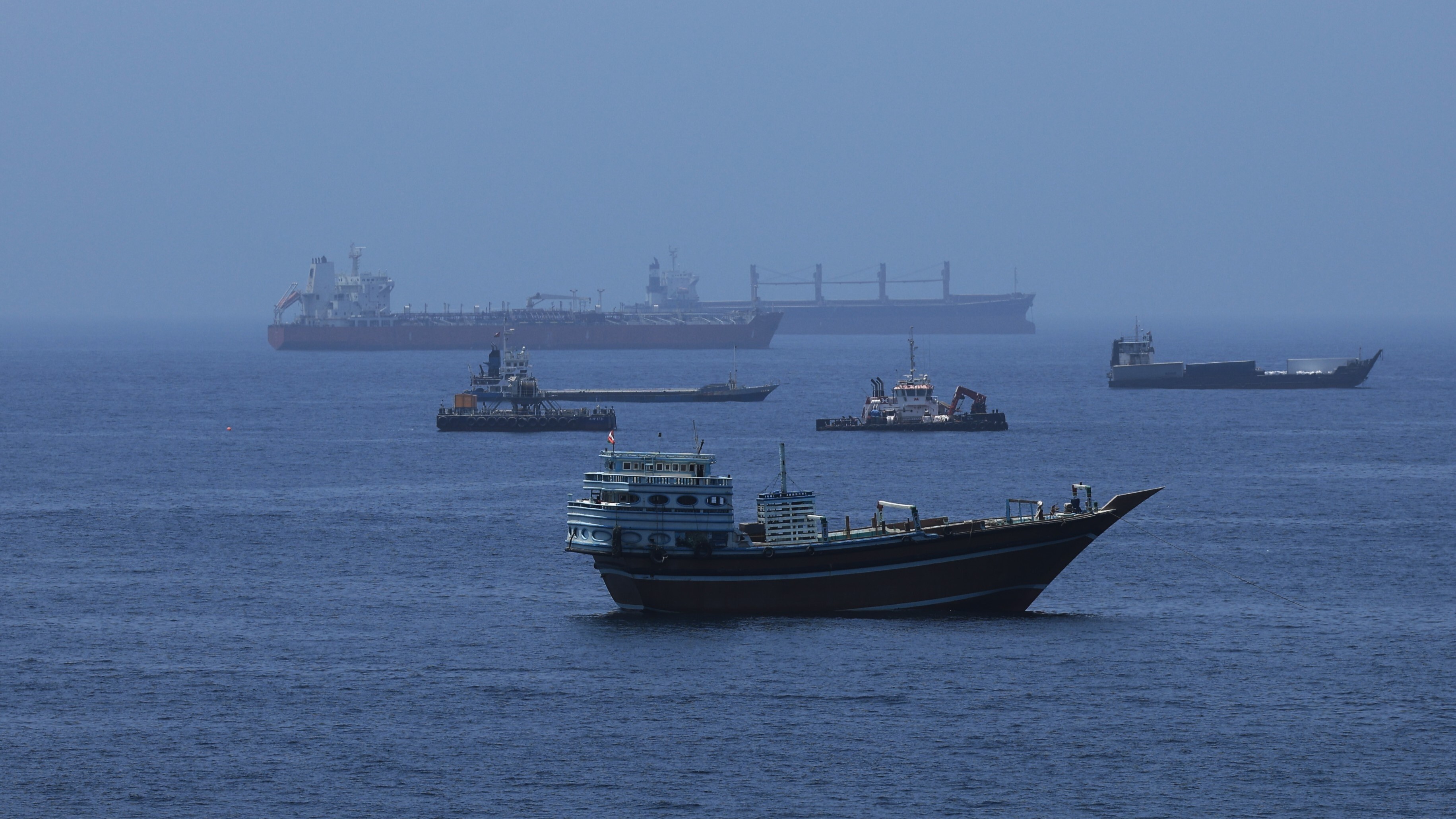
The British military’s United Kingdom Maritime Trade Operations center said that a tanker was attacked Saturday (local time) in the strait, with the crew safe and no environmental damage reported. No one immediately claimed the strike, but suspicion fell on Iran.
Just after that report, the Joint Maritime Information Center, overseen by the US Navy, said the route near Oman’s shore is expanding to allow for inbound and outbound traffic.
Iran has insisted that ships must obey its orders and warned it will start charging fees for transit through the strait. However, ships have been increasingly trying to leave the Gulf in recent days.
Ebrahim Azizi, who heads the Iranian parliament’s national security commission, wrote Friday that “the Strait of Hormuz is governed by Iran, so: Respect the rules”.
The US and Gulf Arab states have rejected Iran’s demands. The strait is considered as an international waterway, despite being the territorial waters of Iran and Oman.
The Joint Maritime Information Center warned that the threat to ships was “substantial,” adding that “mariners are advised of the existence of mines and should expect a naval presence as clearance operations continue”.
The International Maritime Organisation on Friday halted a new effort to evacuate ships said it won’t resume until there are guarantees that the other ships won’t be attacked. It said about 115 ships have been able to move out of the strait in recent days.