'Health system is dangerous for Māori' says Dr Lance O’Sullivan
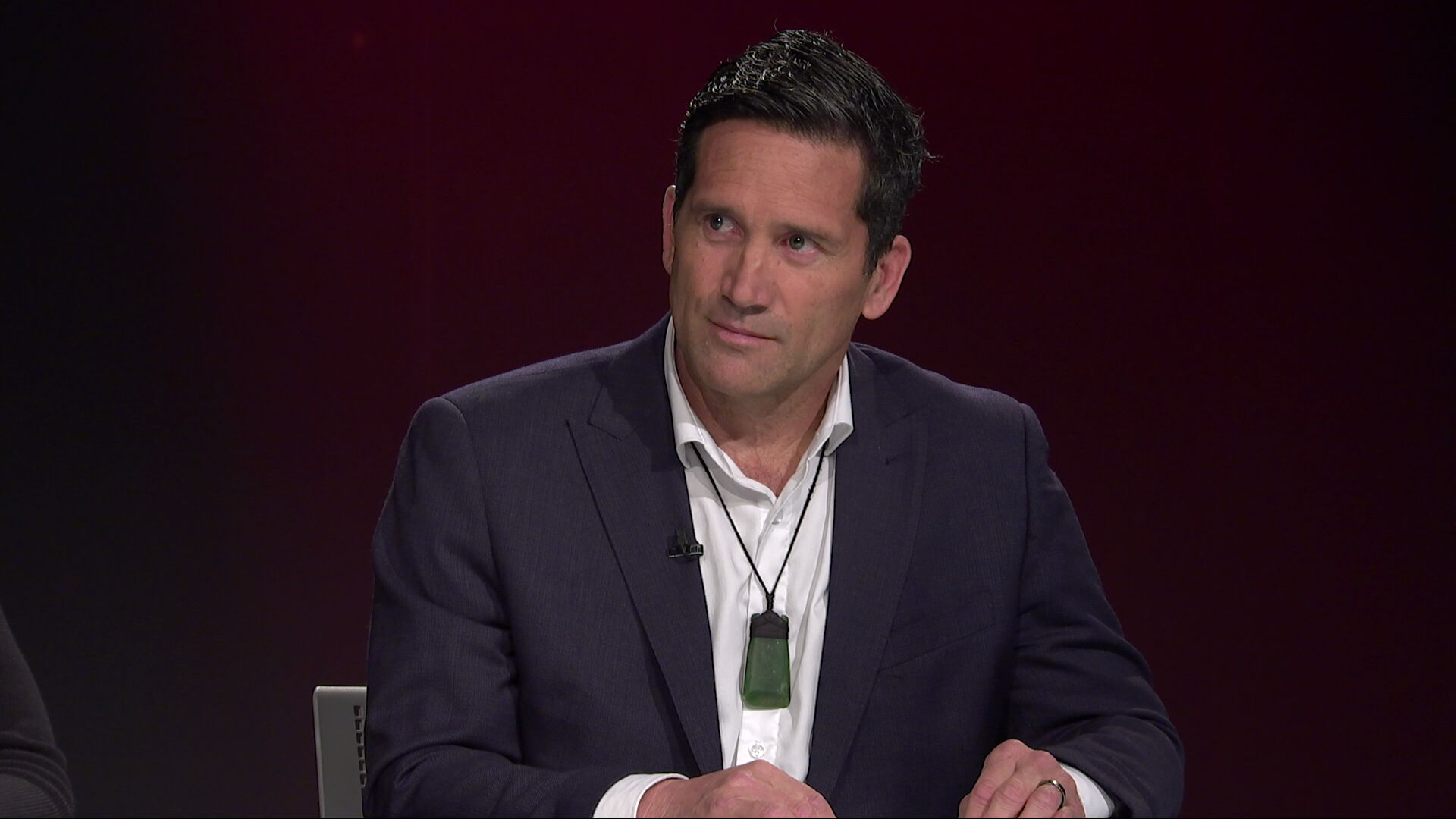
Former New Zealander of the Year Dr Lance O’Sullivan is critical of recent announcements made in the health sector, going so far as to say the health system is dangerous for Māori.
He and professor Papaarangi Reid, head of University of Auckland’s medical and health sciences department, appeared on TVNZ’s Marae to talk about health inequities, the value of cultural competency and the Health Minister’s recent refusal to reappoint the existing chairperson and deputy chairperson of the Medical Council.
Watch the panel interview on TVNZ+
'Dangerous' for Māori, cultural competency needed
According to Ministry of Health statistics, on average Māori die seven years earlier than non-Māori, are twice as likely to have diabetes, twice as likely to die from heart disease, and have poorer survival outcomes in 23 of the 24 deadliest cancers.
Reid said inequities in the health system are longstanding and come from complex and multi-layered factors. She said health systems and health providers are implicated in the differences in outcomes and therefore should "look at ourselves" to mitigate the role they play in those inequities.
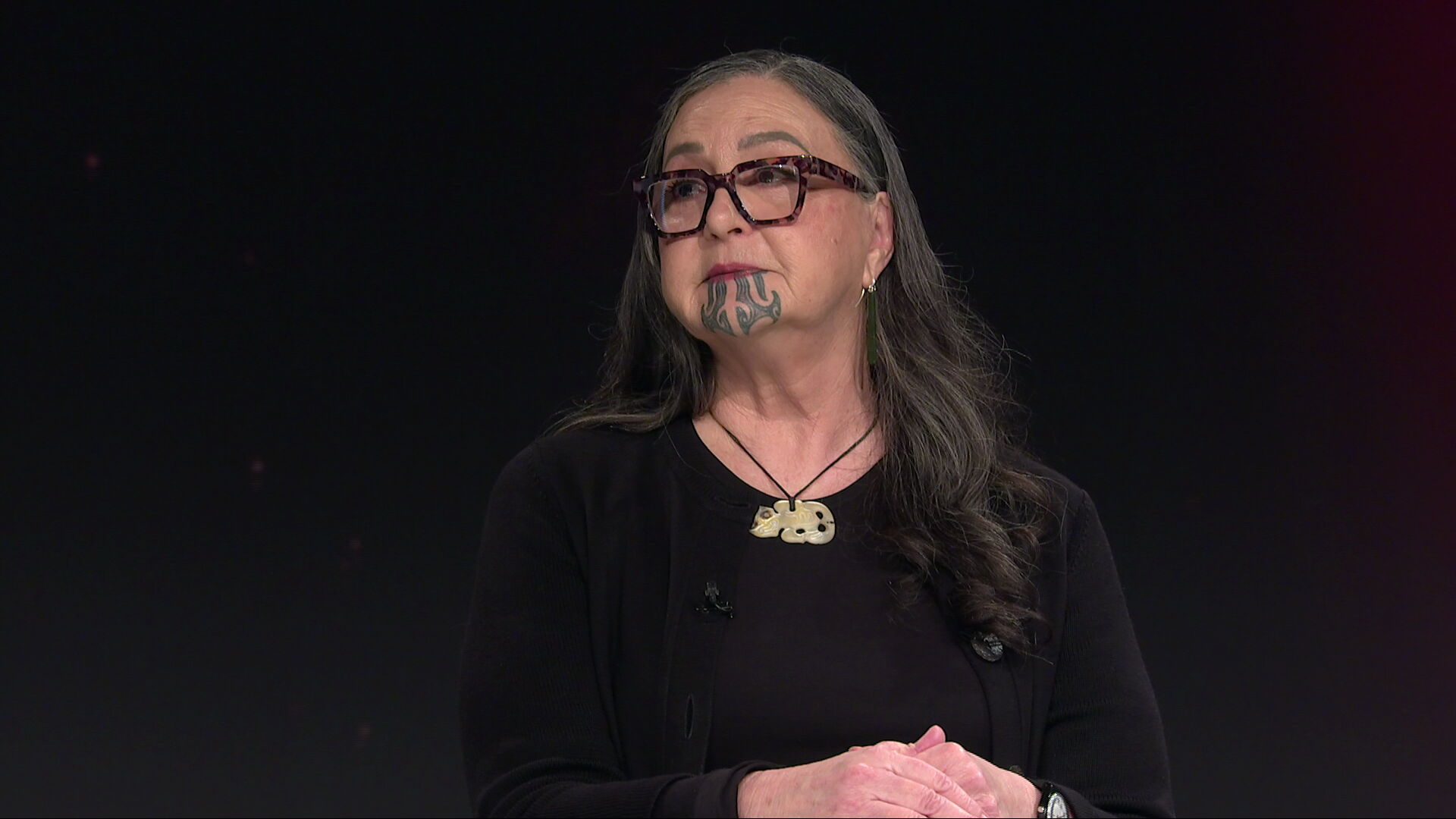
"We know Māori, once we get into care, we have less care, fewer prescriptions, fewer referrals, we have later care – there's always a delay in every part of the health pathway – and we have less quality care.
"There's lots of examples here and internationally that our unequal outcomes are due to these multiple factors, so it won't be one solution that's going to fix it.
"Each one of those solutions, from housing to employment, to the determinants of health, right through to better health systems that pay attention to Māori needs, are going to be important in getting rid of those complex and multilayered inequities."
She said cultural safety is about health practitioners being aware of how they treat patients differently.
"How do we build self-awareness and how do we put in place self-audits, and how do we put in place interventions that make sure all health practitioners deliver equitable health outcomes?" said Reid.
O’Sullivan believes the health system is dangerous for Māori.
“It's not serving Māori and some of the dialogue that's coming out recently about what we're here to talk about today highlights, that is, it's a dangerous system with really poor systems for Māori.
"But what's really important is that if we're not putting in the right people in there and working in that system that are equipped with the tools – and I'm talking both the physical tools but also the soft tools such as communication, whanaungatanga (establishing relationships) – then our people are going to be experiencing an even more dangerous system."
O’Sullivan said non-Māori New Zealanders might want to ask themselves about their own experience of cultural competency where people "haven’t go that connect right".
He said he's had conversations with Pākehā who felt like that and said they had a poorer health outcome in their experience with medical staff whose second language was English
"Everyone thinks that cultural competency in New Zealand around health is around non-Māori working with Māori, but if you flip it on its head and say, actually, it's for everyone, right?
"Everyday New Zealanders experience this but not many think it’s important enough to embed in terms of Māori health services.
"[I and Reid] both could tell you all day about where that's failing Māori, but actually, it happens all the time in our health system, it's just that we need to shine a light on where it's happening for us as Treaty partners."
Cultural competency is as important as clinical competency, he said.
Minister declines Medical Council reappointments
Last week Health Minister Simeon Brown declined to reappoint the chair and deputy chair of the Medical Council, saying the body had become distracted by politics and an "ideological agenda".
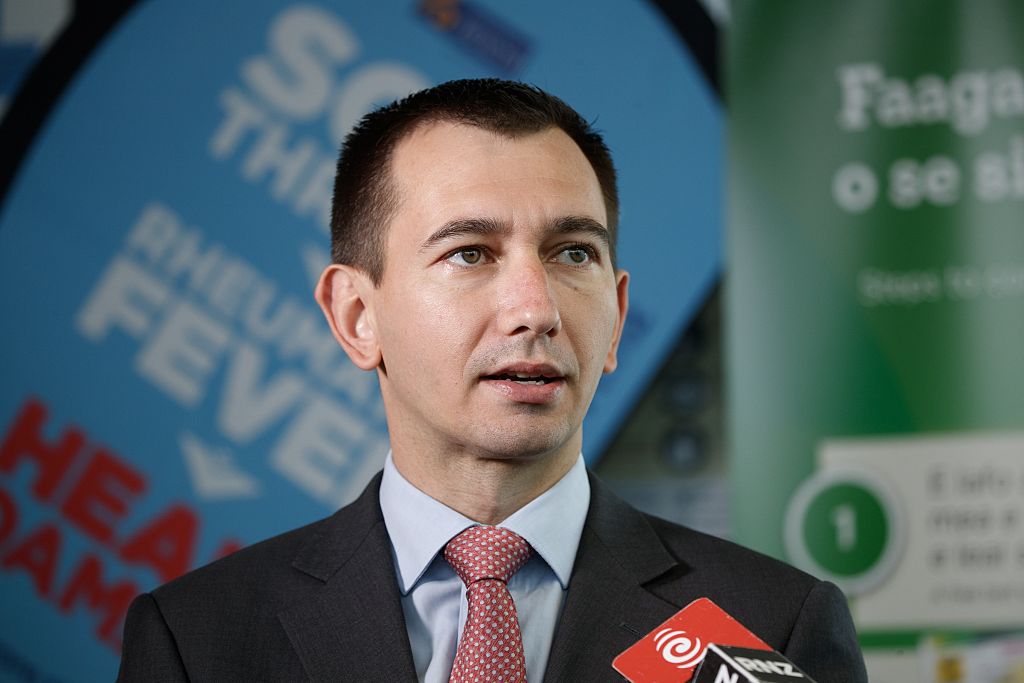
He defended the decision to Parliament’s Health Committee on Tuesday.
"My view, our view was the Medical Council was distracted. We want it to focus on patients, we want it to focus on strengthening workforce and that’s what my decisions were," he said.
Reid said the Health Minister’s comments on the Medical Council being distracted by ideological agenda is "rubbish".
“It's not an issue that's just happening here in Aotearoa. Culturally safety and cultural competency – and indigenous health – are issues that have been taken up worldwide in a lot of jurisdictions where there's differences are shown, so it's not an ideological thing."
She said the Government’s intention to "mess" with independent regulatory authorities is unprecedented.
"Those regulated authorities, not just the medical councils, but they've actually dismissed a lot of people out of the Nursing Council, especially six Māori lost their positions. So, they've reduced the number of Māori on the Nursing Council as well."
She said the number of nurses on the council has also been reduced.
"The independent regulatory authorities like the Nursing Council and the Medical Council are really important. They've come out of all the safety issues that we've had as New Zealanders, they've come out of the things like the Cartwright Inquiry, they've come out of our intention to increase patient voice, to increase safety, to regulate our profession to keep the public safe – all New Zealanders should be concerned about this."