National quietly ditches under-30s KiwiSaver rent bond policy
A National election promise to let under-30s tap their KiwiSaver to pay rental bonds has been quietly shelved, with Housing Minister Chris Bishop conceding it proved far harder to deliver than the party expected.
The policy, announced by Bishop and party leader Christopher Luxon during the 2023 campaign, would have allowed people under 30 to draw down on their KiwiSaver to cover bonds, with the money returned to their account when the tenancy ended.
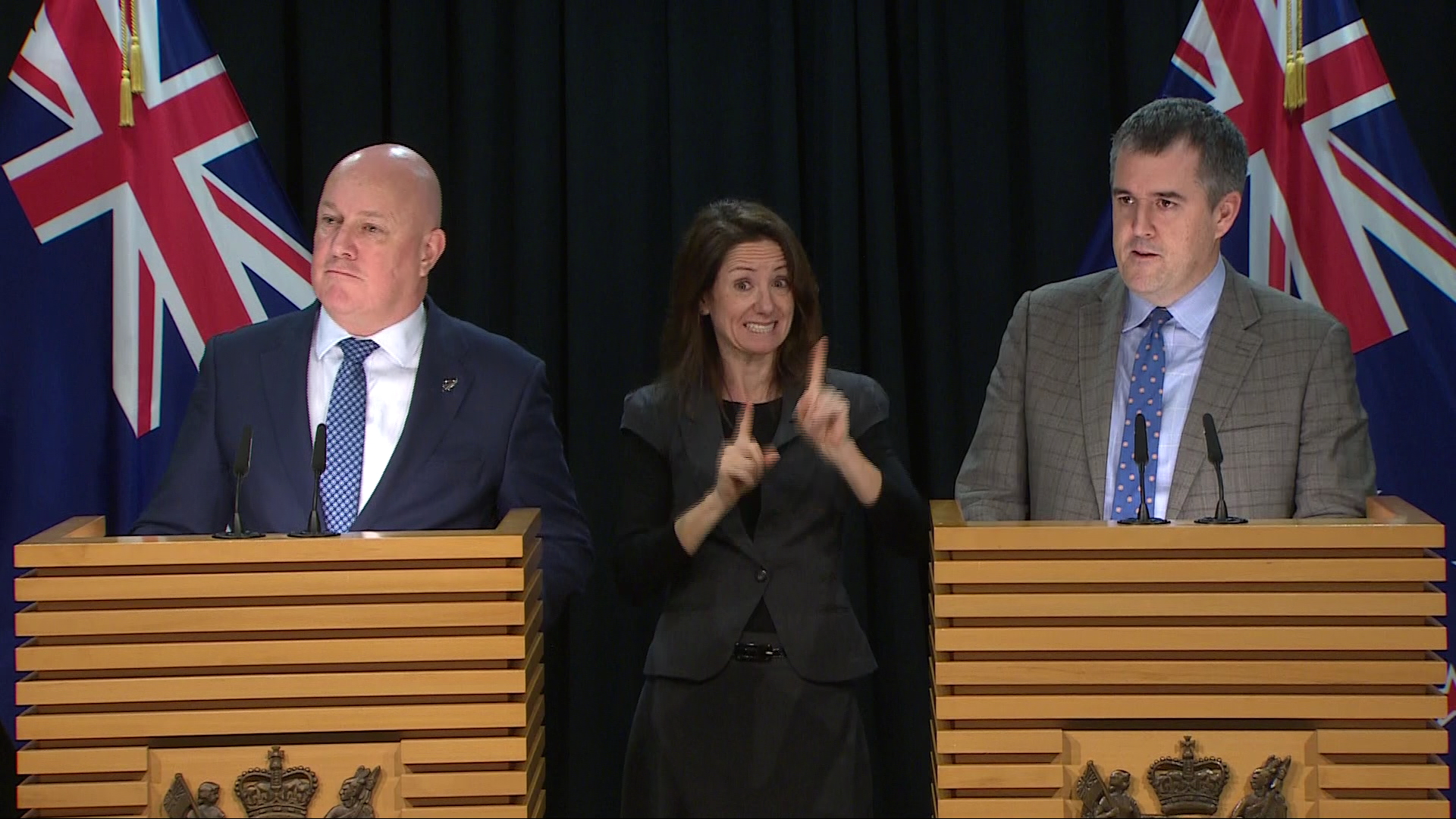
Asked at today's post-Cabinet media conference whether the Government would still allow renters to use KiwiSaver to pay bonds, Bishop confirmed the policy had stalled.
"We have not made any progress on that," he said. "I took some initial oral advice from memory, and the short answer is: It's way more complicated than we thought it would be.
"So we're not intending to progress it."

Bishop said the initiative had ended up in the "nice idea, but too difficult basket".
Luxon added today: "The good news is, we've done KiwiSaver for farmers, so that's great."
The Prime Minister was referring to a raft of changes the coalition Government has made for farmers to more easily buy their first homes.
The confirmation of the shelving of the 2023-era policy comes as National pushes a far more ambitious set of KiwiSaver plans into this year's campaign.
At the time of the 2023 announcement, Bishop said getting together up to four weeks' rent in advance was "not easy for many people, particularly for students and young graduates, who don't have a lot of cash".
"Our policy will mean that people who have some money saved in KiwiSaver accounts will be able to use that money to pay the bond for a rental agreement.

"The money will be transferred from their KiwiSaver account to Tenancy Services and returned to the KiwiSaver account when the tenancy ends. As is currently the case, tenants will also be able to transfer their bond to a new tenancy.
"This is a common-sense change that will make it easier for people to pay for bonds, and free up cash for young people."
The policy would have applied only to those under 30 and would have been limited to five years' worth of bond payments, reflecting what Bishop said was a desire to see "young people joining KiwiSaver early and staying in for the long haul".
Meanwhile, at this year's election, National has signalled it wants a broader overhaul of the KiwiSaver scheme, including making it compulsory for all workers, automatically enrolling babies at birth, and progressively lifting default contribution rates over time.
That broader policy package was unveiled by Luxon at National's annual conference in Lower Hutt last week, where the party confirmed KiwiSaver would become compulsory for every New Zealand worker from July 2028 if it is re-elected.
Luxon said the existing scheme was working for most, but more needed to be done.
"For many Kiwis, especially those on low incomes, the self-employed, and many young people, saving for their future isn't a priority. I think that's a mistake," he said.
National costed the package at $110.1 million in 2027/28, rising to $361.6 million by 2030/31, with much of the cost coming from the government itself stepping in as a contributor and as an employer matching KiwiSavers.