PM's office breached OIA over climate note - Ombudsman
The Chief Ombudsman says he finds it "surprising" that a former senior staffer for Prime Minister Christopher Luxon can't recall what became of Fonterra and Z Energy documents tied to a proposed climate law change, in a case he has ruled an unreasonable breach of the OIA.
In an opinion released today, John Allen ruled the office unreasonably breached the Official Information Act when it failed to disclose the note, which was tied to the Smith v Fonterra climate litigation and sent in part to a staffer's personal email address.
He also warned of the "possibility" that government business may be routinely flowing through personal email accounts, which he deemed "particularly concerning".
The note was prepared by Fonterra and Z Energy and hand-delivered to the then chief policy advisor in mid-2024, then emailed to his personal email address on June 25, 2024.
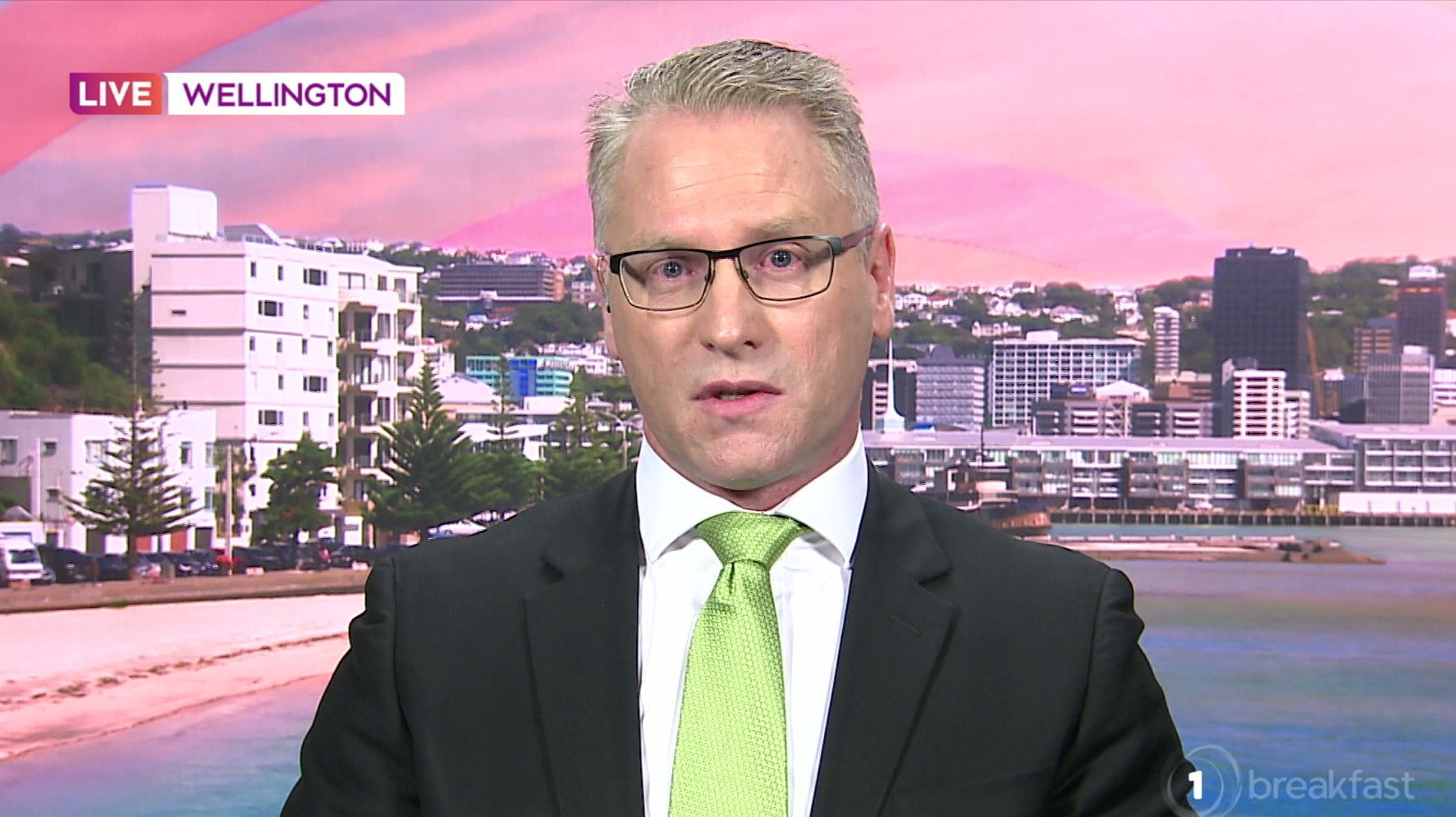
The staffer was Matt Burgess, who was Christopher Luxon's chief policy adviser at the time. Allen found that its suggested wording for a legislative change was ultimately reflected in proposed amendments to the Climate Change Response Act 2002.
"These appear to have been documents of significance to informing the legislative process that followed," he wrote.
The briefing note argued the uncertainty created by iwi leader Mike Smith's case against seven big polluters created "sovereign risk and significant uncertainty for the international investment community in New Zealand", arguing intervention was "critical".
The Government announced in May it would amend climate laws to prevent companies from being sued over damage or harm caused by greenhouse gas emissions.
The change would prevent findings of liability in tort, with Justice Minister Paul Goldsmith making it apply to both current and future cases.
That move stopped the Smith v Fonterra case from going any further.
'Surprising' that staffer couldn't remember briefing
The former chief policy advisor told the Ombudsman the role was a high-workload, high-pressure environment involving very large volumes of information, received in written and oral form and in both hard and soft copy.
He said his recollection was limited because the events occurred between one and two years earlier, and that he did not recall the meetings with Fonterra or Z Energy, the OIA request, or what he did with the hard-copy briefings - though he insisted he did not knowingly destroy any public record and had engaged with the request in good faith.
"I did not find any evidence that contradicts this advice, and I appreciate that the chief policy advisor role has a high-workload," Allen wrote.
"I do find it surprising that the former chief policy advisor had no recollection of what was done with the information in the briefings, given they related to a prominent issue, were provided by high-profile companies."
The former chief policy advisor also told the Ombudsman he did not recall any training or guidance from the Department of Internal Affairs on how records must be managed.
The department disputed this, saying it provides written guidance and OIA training to ministerial staff, including specific advice on handling emails and physical records.
Burgess also advised the Ombudsman that it was "well documented" that Internal Affairs’ IT systems were "inadequate to deal with many files", and "this has contributed to the use of personal email for government business across government".
"He advised me that at times had to use his personal email to manage these limitations."
Personal email use under scrutiny
It's not the first time the use of personal emails has surfaced during this term of Government. Education Minister Erica Stanford was also the subject of scrutiny last year after 1News revealed she forwarded pre-Budget documents to her personal email.
When the document in the Smith v Fonterra surfaced last month, Luxon told media the process had been "unacceptable," noting the use of personal email accounts.
"Actually having people transact and communicate through their private email doesn't help build transparency or public trust, and that has definitely not met the high standard that I have of staffers in the Beehive," he said in early June.
A Fonterra spokesperson said at the time it understood the note had been sent to the private address "at the staff member's request".
"We acknowledge that communicating in this way is not appropriate, and it is not consistent with Fonterra's policies."
The Environmental Law Initiative requested information relating to the Smith v Fonterra proceedings on March 26, 2025.
Christopher Luxon's chief of staff, acting as decision-maker, responded on May 21, 2025, releasing nine documents in whole or in part.
The briefing note was not among them. The PM's office told the Ombudsman it was unaware of the hard-copy note until contacted by media on May 22, 2026, days after the note surfaced publicly during High Court proceedings.
The Environmental Law Initiative complained to the Ombudsman on May 25.
Smith, responding to those developments, told 1News the PM still had not answered "the key question, which is: 'What did he know about this lobbying and when did he know it?'"
He added: "No one, not even the Prime Minister, and certainly not the country's biggest polluters, should be above the law."