Huffer says probe found 'no evidence' of AI model recreation claims
Popular clothing brand Huffer says an "independent forensic investigation" it commissioned has found "no evidence" that it used the likenesses of former models to create AI-generated campaign images.
The streetwear label has also warned it will take "appropriate steps" to protect its reputation if allegations continue to be repeated and has sent a fresh legal letter to Auckland model Elijah Timmins-Scanlon.
The brand came under scrutiny last month after Timmins-Scanlon alleged Huffer had used artificial intelligence to create images resembling himself and other models who had previously worked with the company, without their knowledge or consent.
1News asked to see the report underpinning Huffer's claims, but the company has not released it or identified the specialist who carried out the investigation, saying a full report would be provided on Tuesday.
In a statement issued through a PR firm, Huffer said the investigation found "no evidence" that the brand or the agency acting on its behalf had used photographs or images of Timmins-Scanlon or any other model "as prompts, inputs or reference material" to generate the AI images.
The company also said the investigation found "no evidence supporting allegations that Huffer copied or recreated the likeness of any model using AI".
Huffer’s statement coincided with a legal letter sent to Timmins-Scanlon warning against further public allegations.
When asked about the legal letter, a spokesperson for Huffer said the report’s findings were clear.
"Huffer now considers this matter to have been independently and comprehensively investigated."
'Genuinely sorry'
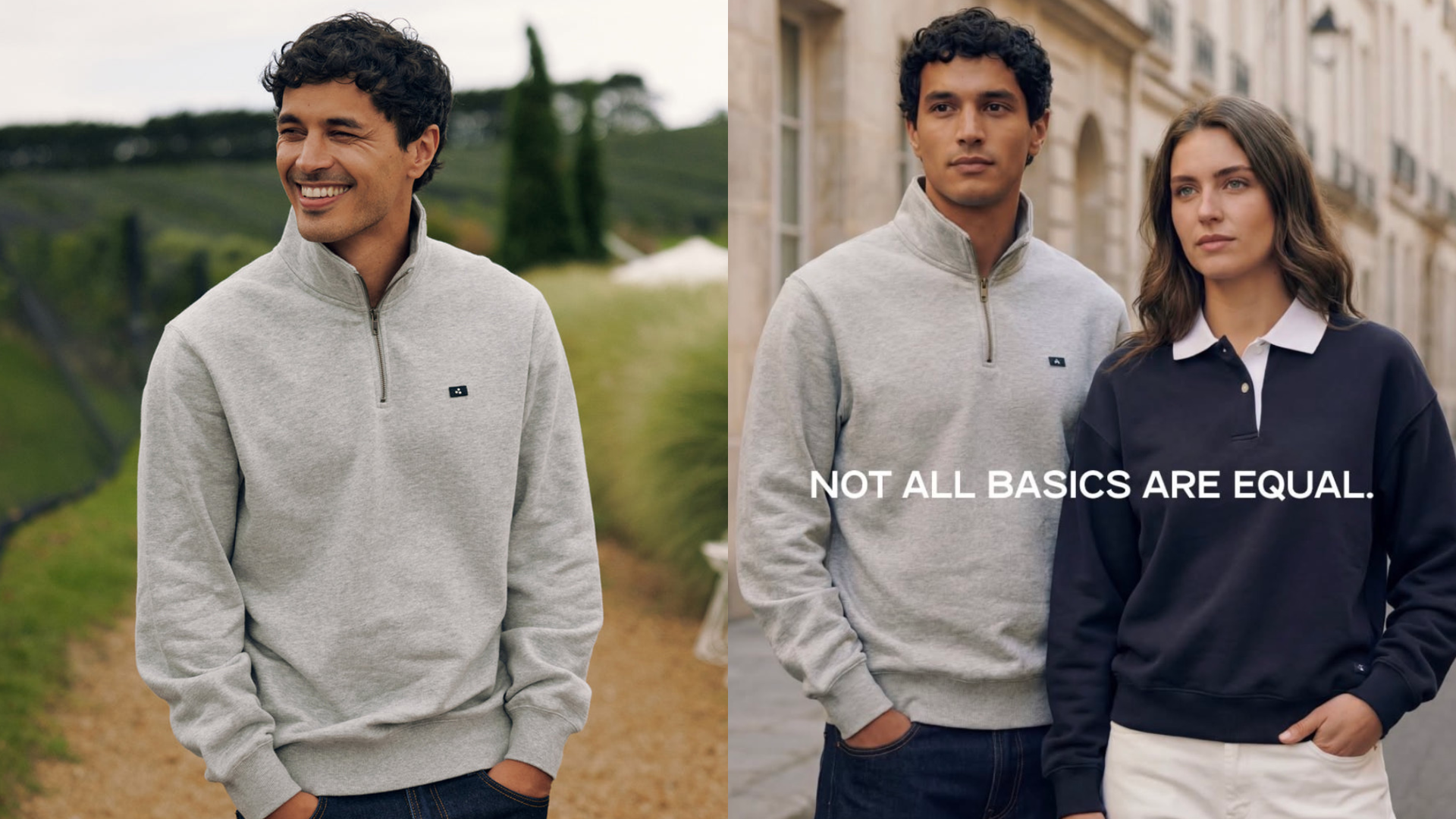
Another model, Akshay Raju, previously told 1News he believed the AI-generated images closely resembled himself.
Raju compared a previous Huffer campaign photograph of himself with another advertisement featuring an AI-generated model, saying the clothing, pose and composition appeared virtually identical despite the model's face being different.
1News has again asked Huffer how it explains the apparent similarities between the two images.
The company also acknowledged that its handling of the controversy had fallen short.
"Aspects of our public response fell short of the standard we expect of ourselves, and for that we are genuinely sorry," Huffer said.
"While the independent investigation has now answered the central allegations, we recognise we could have handled parts of our response better, and we have learnt from that experience."
Huffer said it had reviewed its use of artificial intelligence and would publish a new AI policy in the coming days, setting out how the technology would be used across its business.
It also warned it would "take appropriate steps to protect the reputation of our brand and business" if the allegations continued to be repeated despite the forensic findings.
The controversy sparked wider debate within the creative industry over the use of AI in advertising, with model agencies and a legal expert calling for greater transparency around how AI-generated content is created.