Luxon commits to trade talks with seven new markets if re-elected
National has committed to launching trade negotiations with seven new economies within five years if re-elected, in a bid to secure what it calls New Zealand's "next billion customers" as it launched an election trade policy today.
The party has pledged to open negotiations with Brazil, Uruguay, Argentina, Bangladesh, Nigeria, Switzerland, and the European Free Trade Association (EFTA) bloc comprising Iceland, Liechtenstein, and Norway.
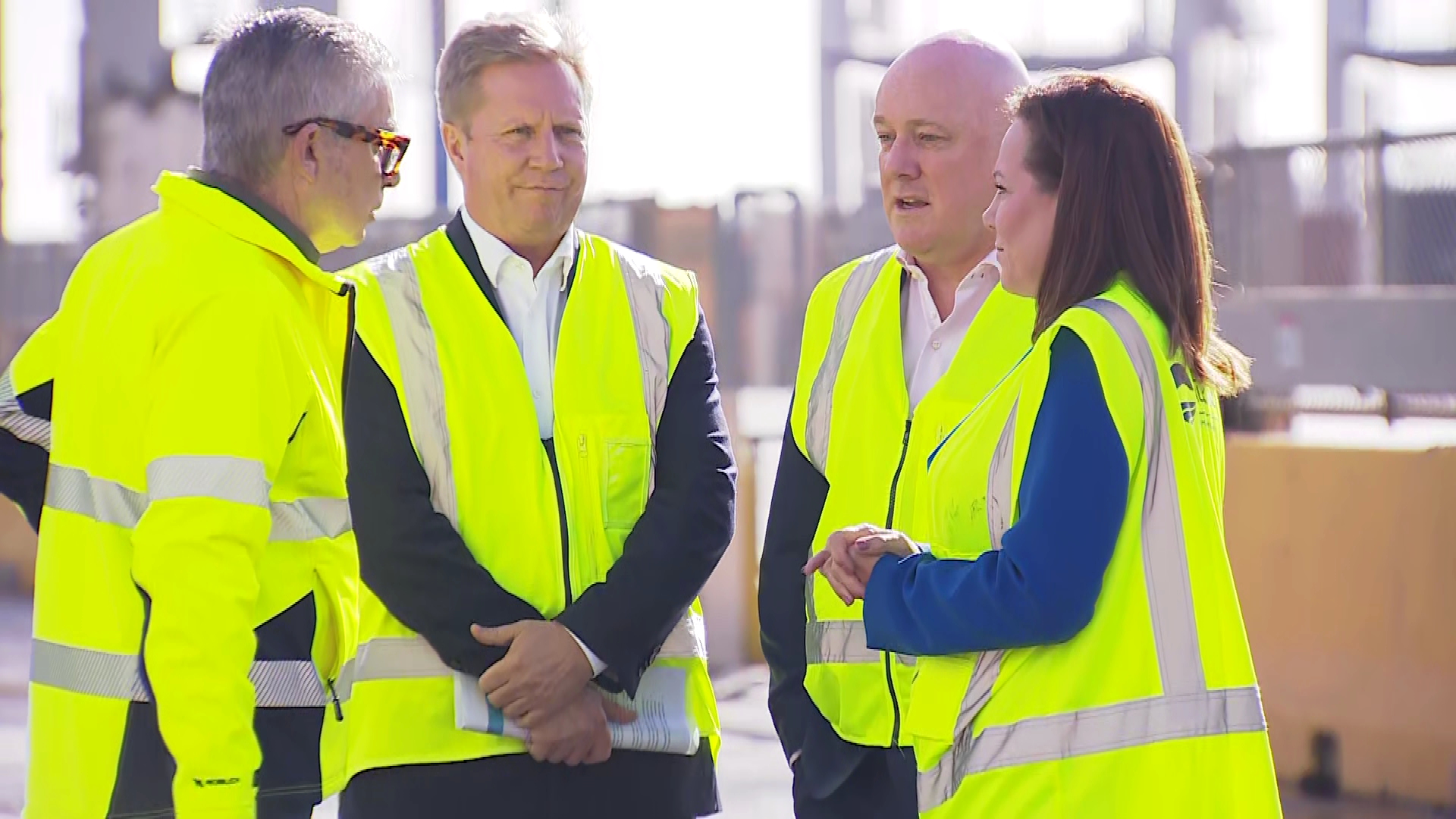
Prime Minister Christopher Luxon revealed the election pledge alongside trade spokesperson Todd McClay at an event held at the Port of Auckland earlier today.
"The seven markets we have identified offer huge, untapped opportunities for New Zealand exporters. Our exports to these countries are currently worth just $1.8 billion, demonstrating the scale of the opportunity for our exporters," McClay said.
The party has grouped them into three categories — high-value European economies in Switzerland and the EFTA states; large South American economies in Brazil. Argentina and Uruguay, and fast-growing Asian and African economies in Bangladesh and Nigeria.
McClay said: "A re-elected National government will prioritise commencing negotiations with each of these seven markets in the next five years to secure better access for Kiwi companies, boost exports, create jobs and lift incomes.
"This first tranche of markets will be followed by a second tranche, made up of six other markets, with negotiations to commence with this tranche over the next decade."
The second group of six markets included South Africa, Turkey, Colombia, Morocco, Sri Lanka and Mauritius. The two tranches together spanned almost a billion people.
The Trade Minister cited the party's India deal as evidence it could deliver.
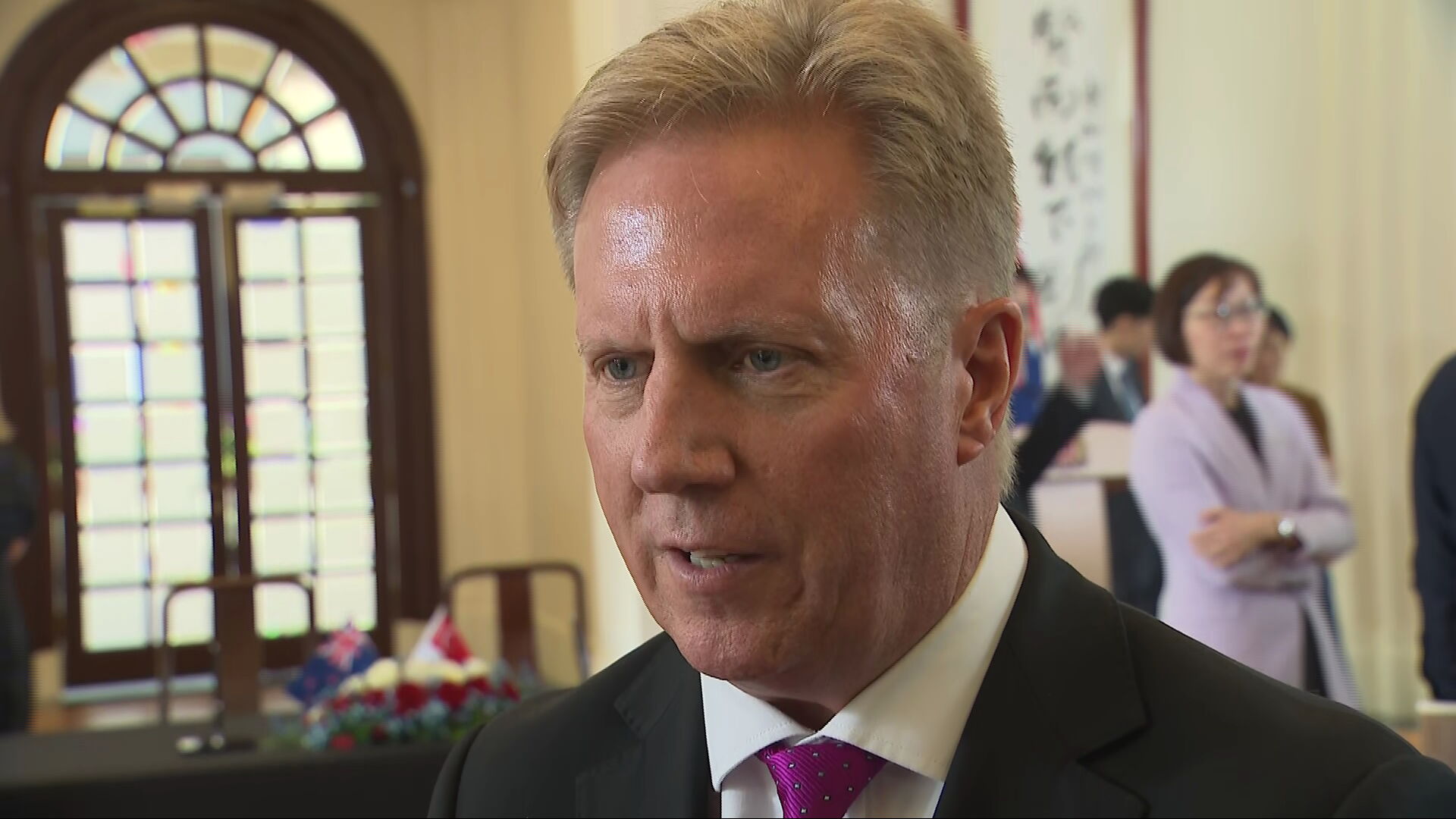
"Christopher Luxon promised National would get a free trade deal with India in our first term of government. We delivered, despite many saying it couldn't be done," he said.
"A re-elected National government will apply this same ambition and focus on securing New Zealand's next billion customers ... National has a proud record of pushing open doors for New Zealand exporters in new and growing markets."
The launch comes days before India's prime minister Narendra Modi visits New Zealand, arriving in Auckland on July 10 in the first official visit by a leader from India in 40 years.
What's in the policy
McClay said he would like to get all seven deals done within the five-year timeframe, but that ultimately a willing partner was needed on the other side.
The policy commits to negotiating new essential supplies agreements modelled on the NZ-Singapore AOTES deal, eliminating $1 billion in non-tariff barriers, giving New Zealand Trade and Enterprise a sharper mandate, and completing at least 23 trade missions.
National also outlined plans to create three AI-powered digital tools to help exporters navigate tariffs, rules of origin and market access requirements, and to establish a "Next 200" programme targeting 200 high-potential businesses not yet exporting.
Under the plan, New Zealand Trade and Enterprise would shift from a "follow" to a "lead and follow" model, proactively identifying opportunities and targeting the companies best placed to benefit, rather than waiting for exporters to seek support.
McClay told media that a deal with Bangladesh – a major dairy importer – would be critical to protecting New Zealand's access as competition intensified, noting the United States had just secured an agreement there.
"I don't know why you would want more US dairy product in your market when you could have the highest-quality, safest in the world from New Zealand."
McClay said: "Every extra sale offshore supports stronger businesses, more jobs and higher incomes at home. National will keep backing our exporters to seize new opportunities and become more competitive."
'No reason' for concern following India visa reports
Luxon framed the policy as a defining one for voters.
"The choice is clear at the next election," he said.
"National's track record of delivering on trade access to grow our economy, to create jobs, and to boost wages, leading to a more secure future for you and your family – or the opposite, which could see less progress, and more uncertainty."
Today's launch came as The Post reported the Government was moving to tighten immigration settings for Indian nationals ahead of Modi's expected Auckland visit this month, despite ministers publicly insisting no final decisions had been made.
Questioned by media on the report today, McClay was adamant the country would meet its obligations under the existing India agreement.
"New Zealand takes its obligations seriously. In all trade agreements, there is detailed negotiation, and both sides always understand both their obligation and commitments.
"I'll be very clear, we will meet our obligations under the Indian Free Trade Agreement in all, in all senses," he said. "There is no reason for people to be concerned."