Models reject Huffer probe finding their likeness wasn't used in AI ads
Images of models from Huffer shoots were used as reference material to create controversial AI-generated ads, but an independent investigation's found their faces were removed beforehand and concluded there was "no evidence" their facial likeness was used.
Some former models and an agent reject the report's findings, while a legal expert said questions remained about whether likeness extended beyond a person's face.
The brand came under scrutiny last month after Elijah Timmins-Scanlon alleged Huffer had used AI to create images resembling himself and other models, without their knowledge or consent. Huffer denied the claims.
After apologising for its handling of the fallout and removing the images, the company commissioned Incident Response Solutions, an independent forensic technology and cyber security consultancy, to "establish the facts".
A summary of the findings, released this week, provided the clearest explanation yet of how the AI-generated campaign was created.
1News requested the full report but was unable to review it. Huffer said access would require a non-disclosure agreement due to legal privilege and commercial sensitivity.
The summary concluded the AI process "does not copy or recreate an identifiable person's facial image from a source photograph to generate a new image".
It found "no New Zealand models were used as inputs in the creation of the facial imagery under investigation" and said there was no evidence any model's facial features had been "copied, replicated, or incorporated" into the AI-generated images.
The report said the AI process used images from previous Huffer modelling shoots after the models' faces had been removed.
While the faces were not used, "clothing, poses and other non-facial attributes" from the original images could influence the final result.
'Cherry-picked truths'
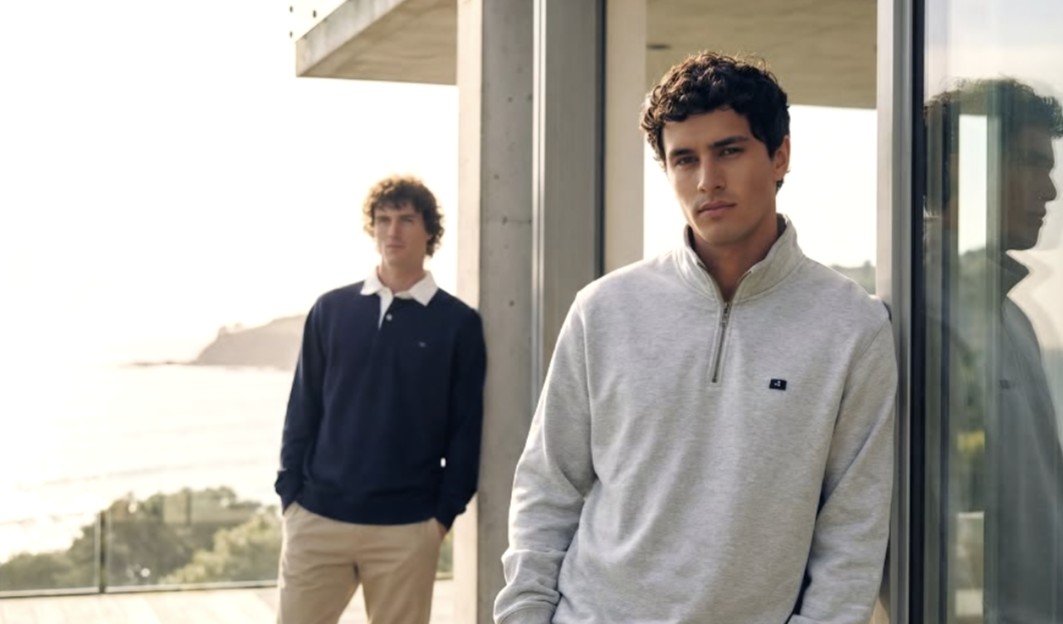
Timmins-Scanlon said the report focused too heavily on faces and overlooked other aspects of a model's likeness.
"I think they've just cherry-picked truths," he said
“They're completely missing aspects like body likeness... they haven't denied taking our bodies and then just changing the face on it," he told 1News.
Caitlin Hadlee, a lawyer specialising in entertainment and intellectual property disputes at Hudson Gavin Martin, said the findings answered part of the debate, but not all of it.
"It doesn't quite answer the question of whether these models' likenesses were used," she said.
"All it really answers is whether their faces were used as prompts or inputs into the process by Huffer or its agency."
Hadlee said it was less clear whether other aspects of the models' likenesses – such as their bodies and hair – played a role in the AI process.
"If you're a model whose job it is to model clothing, there is an argument that their bodies – the non-facial attributes, if you like – are fairly key elements of their likeness," she said.
Former Huffer model Akshay Raju agreed.
"I think likeness in this case extends beyond our faces because the photos they used are a by-product of the model and photographer’s work," he said.
"This should be worthy of permission and compensation from both parties."
Huffer said the use of the images was permitted because it owned the copyright in the original product photography.
Mandy Jacobsen from modelling agency Red11, which represented Timmins-Scanlon and other models involved in the dispute, said AI was never part of the agreed use of those images.
“If models are happy for their images to be changed, let's talk about it and let's see what that looks like and let's compensate them.”
She wanted Huffer to release the full report and withdraw legal letters sent to both herself and Timmins-Scanlon.
Huffer said it now considered the matter “comprehensively investigated” and had warned it would take "appropriate steps" to protect its reputation if allegations continue.
The company had also released a new AI policy that said Huffer would never use AI to generate imagery from a person's photograph, image or likeness without "explicit written consent", and would never use a model's previous photography outside the terms of the original usage agreement.