Trump warns Iran after calls for his assassination at Khamenei's funeral
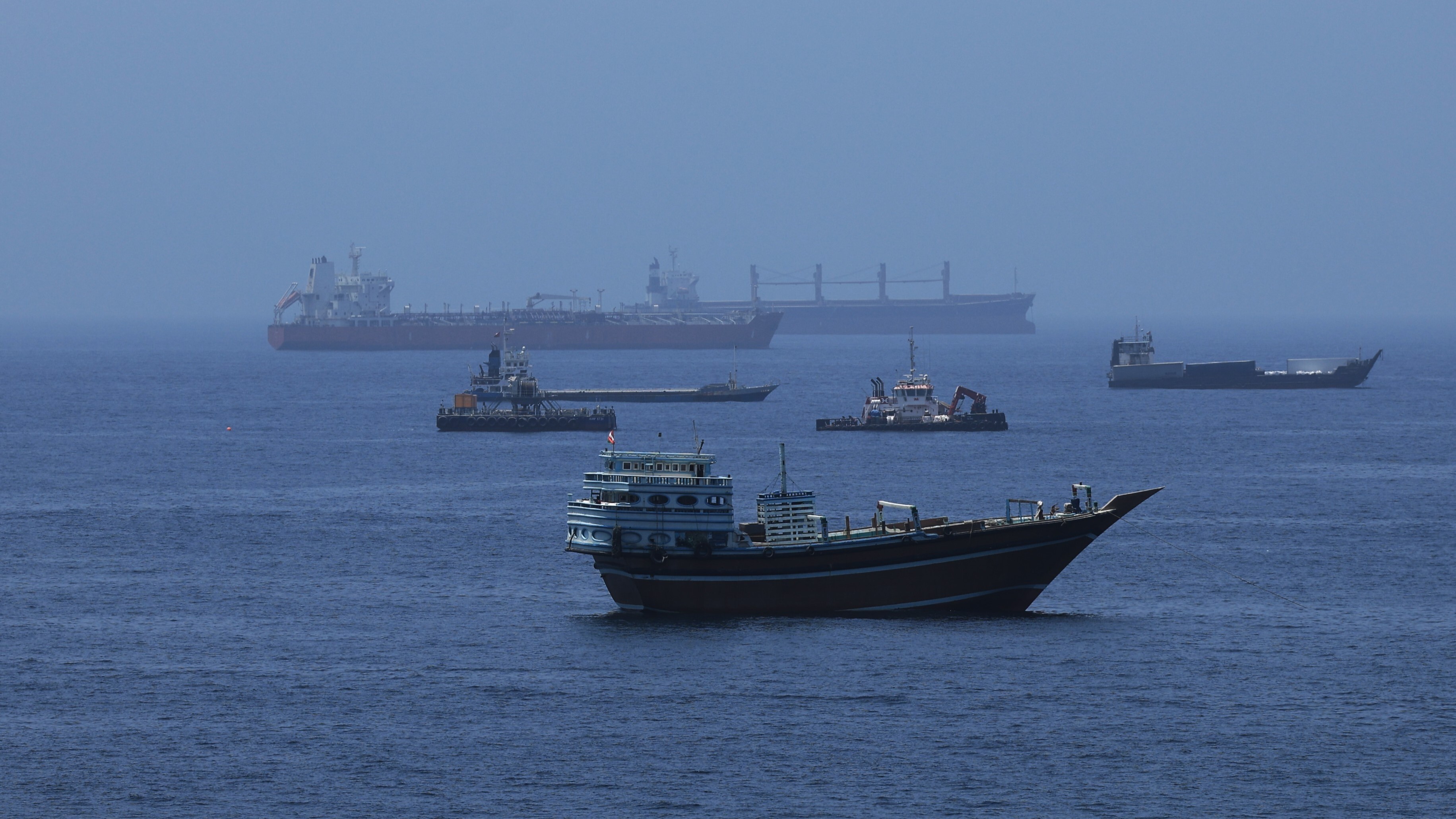
US President Donald Trump has threatened to unleash a massive military response against Iran after open calls for his assassination were made during the funeral of the country's Supreme Leader, Ayatollah Ali Khamenei.
Writing on his Truth Social platform, Trump warned that "1000 Missiles are Locked and Loaded" and aimed at Iran, saying thousands more would follow if Tehran acted on its threats.
"The US military would completely decimate and destroy all areas of Iran — PRAISE BE TO ALLAH!" Trump wrote.
The comments are likely to inflame tensions in the Middle East, where a fragile ceasefire has followed days of US airstrikes on Iran and retaliatory Iranian attacks across the region.
Senior US officials said Washington wants Tehran to declare that vessels can safely transit the strategic waterway without attack, though they acknowledged internal power struggles within Iran had complicated negotiations.
The US officials, who spoke on condition of anonymity to describe to reporters the state of play with Iran, said on Friday (local time) that the resumption of strikes this week came after what they described as a rogue faction of Iranian hard-liners trying to sabotage the ceasefire between Tehran and Washington.
It comes as US President Donald Trump reiterated on social media Friday that he views the interim ceasefire deal as "OVER!" But he said the US would continue talks aimed at putting a permanent end to the war.
The officials said Friday that Trump is giving US negotiators limited time to reach a deal with Iran, but, in a sign of the challenges ahead, they underscored that the president had a wide range of options if talks fall apart. They also said a power struggle was playing out in real time in Iran after US and Israeli strikes at the start of the war killed its longtime leader, Ayatollah Ali Khamenei.
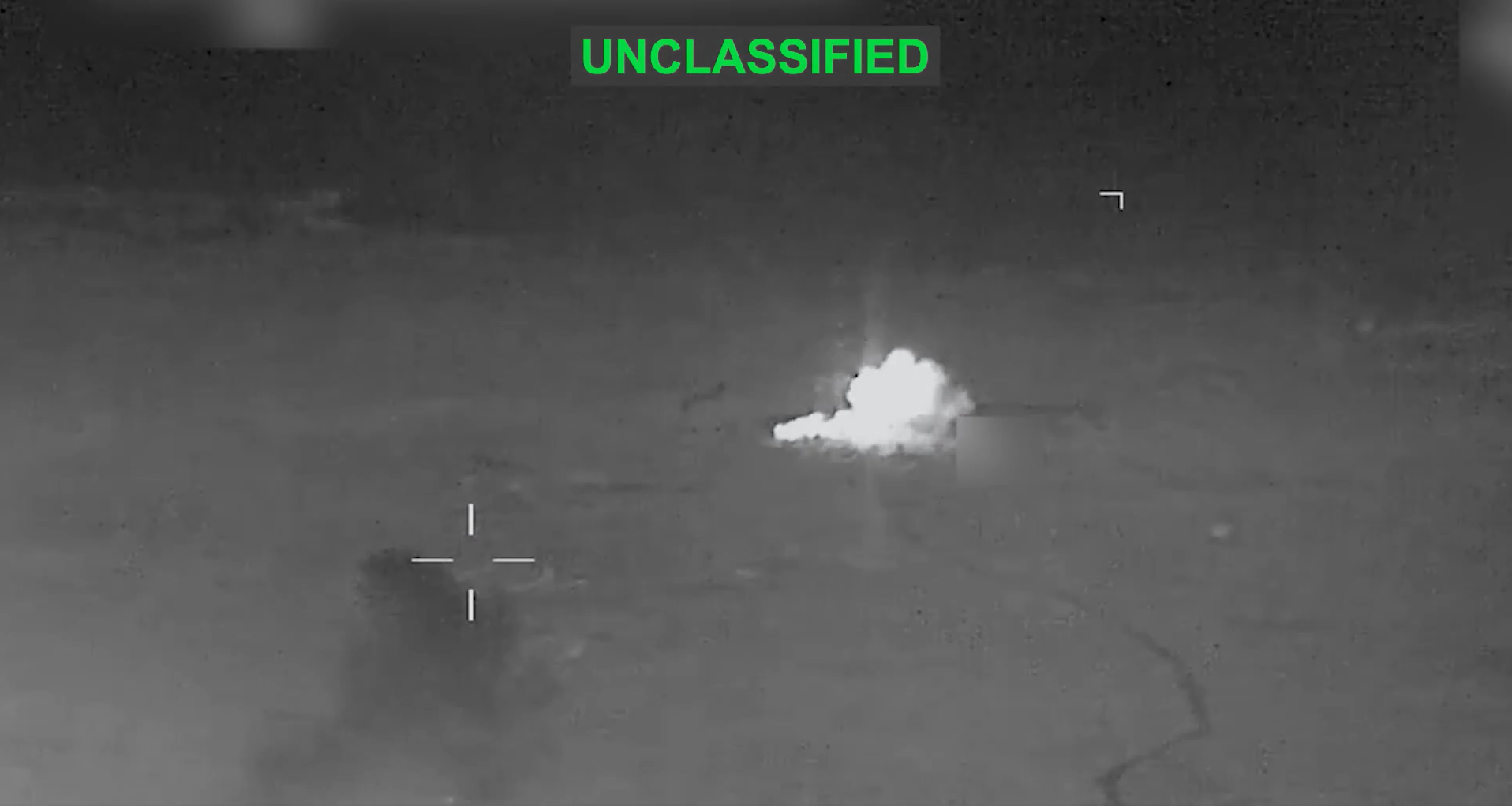
Iran says it wants to control Strait of Hormuz 'exclusively'
The US is working on pressing Iran to make a public statement that the Strait of Hormuz, a vital waterway for world energy markets, is open and free to ships to transit, the officials said.
On a call with reporters, the officials suggested that leaders in Iran even told their US counterparts that the ship strikes were a mistake and the country hoped to continue negotiations despite that.
Trump didn't care that the firing on ships came from a hard-line faction and responded with more powerful counterattacks, showing Iran that there would be consequences no matter who was behind it, the officials said.
But moments before the US officials spoke, Tehran's diplomat at the United Nations told reporters that any activity in the Strait of Hormuz, including its opening or demining operations, "rests exclusively with Iran".
"Any attempt, by external actors, to interfere with or establish a power arrangement would violate the (interim deal), and undermine its implementation, delay the restoration of normal commercial navigation, jeopardize maritime safety, and increase regional tensions," Ambassador Amir Saeid Iravani said outside the UN Security Council.
Iran has said the strait must now be under its sole control and that vessels should begin to pay fees to Tehran — even though the world for decades has considered it an international waterway. About a fifth of all traded oil and natural gas passed through the strait before the war began.
Iran's grip on the strait during the conflict led to a global energy crisis, though oil prices have sharply dropped since wartime highs of US$120 a barrel.
Any nuclear deal will require Iran to turn over enriched material
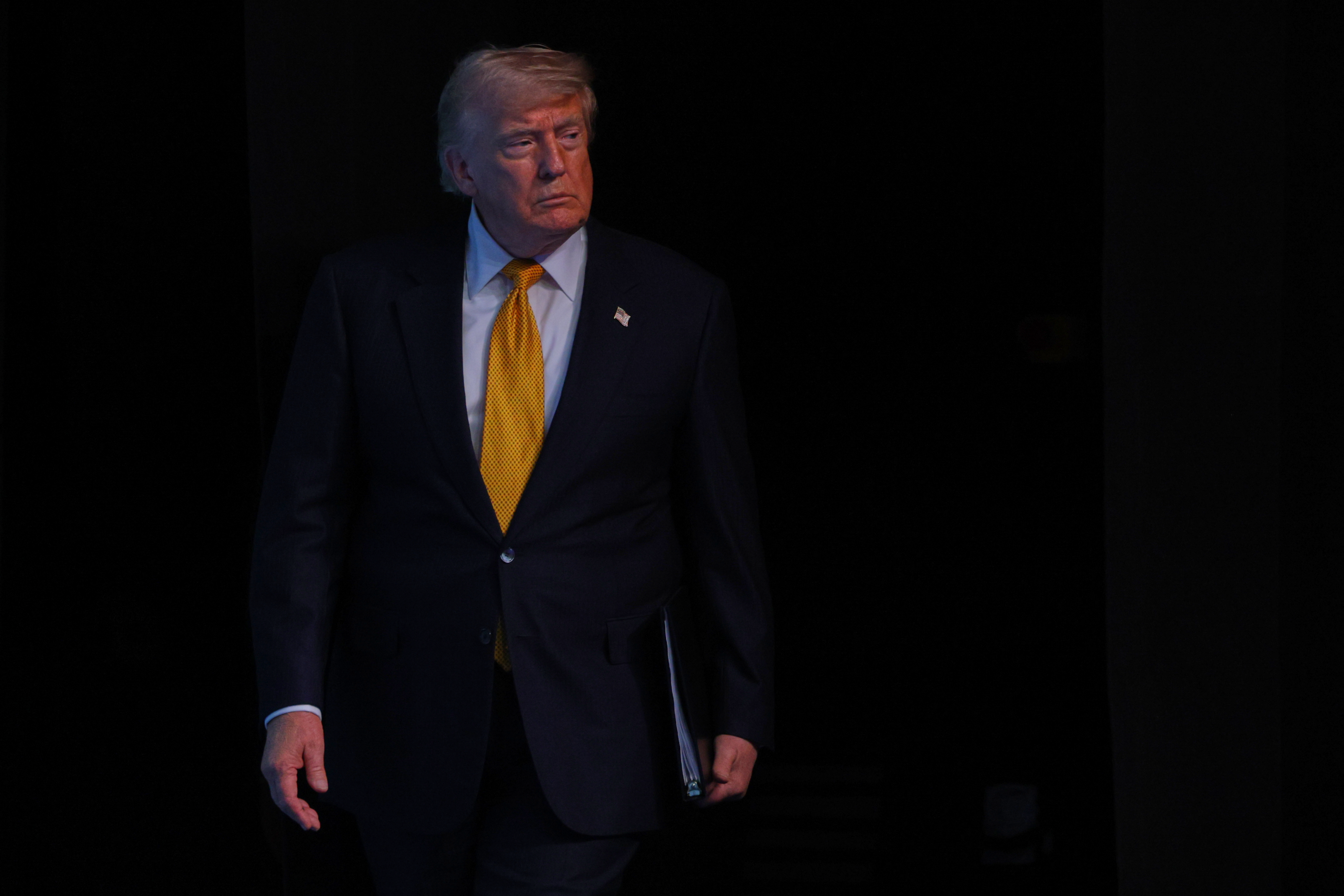
The US officials said to reporters Friday that any deal on Iran's nuclear programme would require Tehran to turn over its stockpile of highly enriched uranium. If the US does not reach a deal with Iran to turn over its nuclear material, it has military options to ensure that it remains buried underground forever, the officials said. They did not detail those options.
The highly enriched material that could potentially be used to make a nuclear weapon is believed to be buried after strikes the US launched on Iran last summer. Iran says its nuclear program is intended for peaceful purposes.
The officials said they would never reach a nuclear deal with Iran if it would not first abide by terms of the ceasefire deal and stop renewed attacks on ships in the Strait of Hormuz.
That struggle underscores the long-term challenges the Trump administration faces in the wake of the war it started and expected to wrap up months ago.
Trump in late February broke off talks with Iran over its nuclear program and launched the military campaign, saying he was taking the action because Tehran was attempting to rebuild its program and develop long-range missiles.
He faces political pressure in the US to bring the conflict and its economic impact to a close and avoid the kind of prolonged Middle East conflict he had campaigned against.
Additional reporting by 1News.