US resumes strikes on Iran as Tehran hits UAE tankers and Bahrain
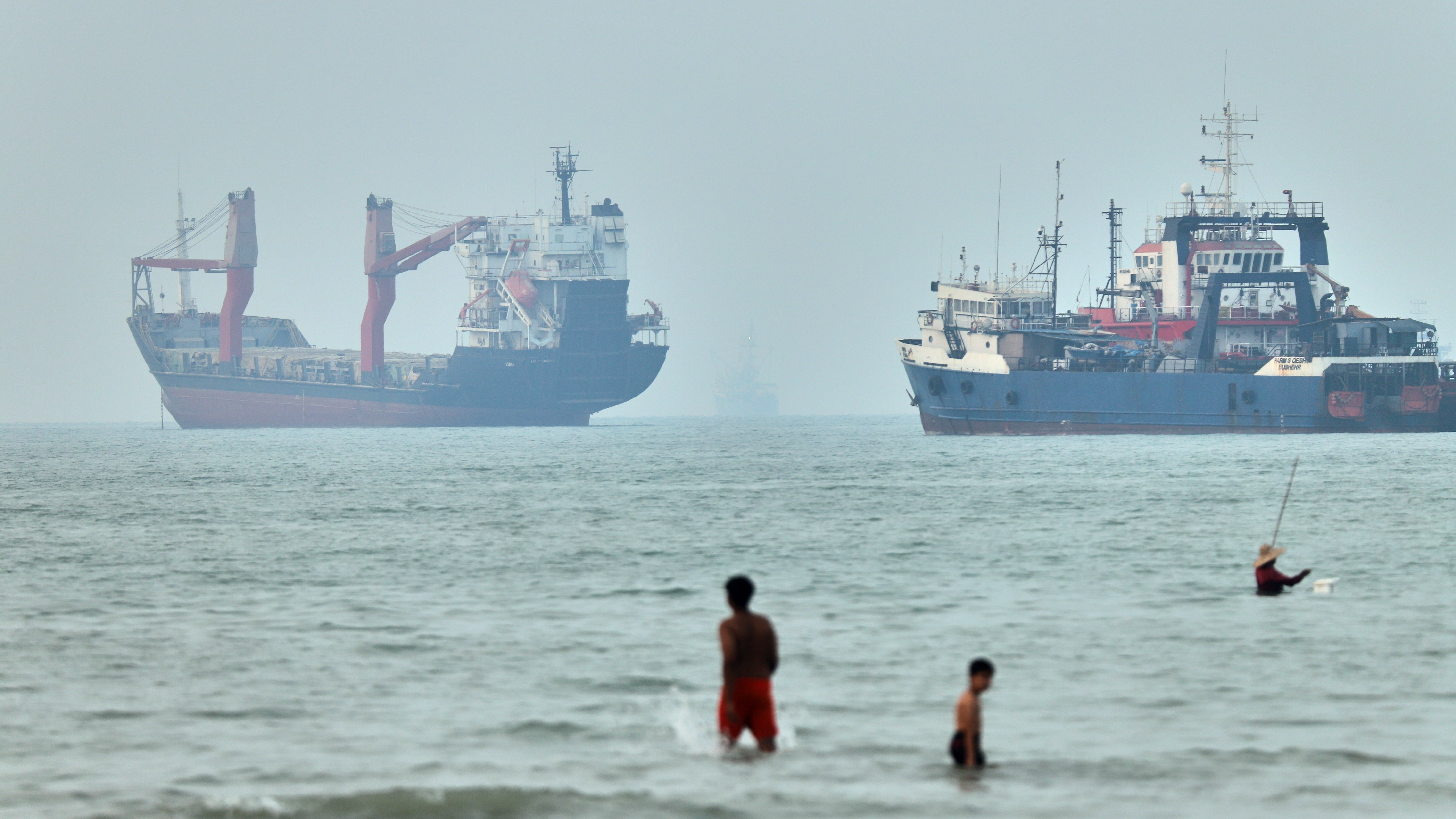
The US launched strikes on Iran, hours after US President Donald Trump said Washington is “reinstating” a blockade on Iran in the Strait of Hormuz. Trump separately suggested the United States will charge other ships for safe passage, upending hundreds of years of American policy supporting freedom of navigation across the globe.
Iran responded with attacks targeting Bahrain and two tankers associated with the United Arab Emirates travelling through the strait, killing one mariner and wounding eight others. The Emirates threatened to retaliate against Iran, potentially drawing the nation home to Abu Dhabi and Dubai back into fighting with Tehran.
The attacks come as Iran and the US both vie for control of the strait through which a fifth of all crude oil and natural gas once passed in peacetime. The price of benchmark Brent crude oil rose 7.8% to $81.92 a barrel, still well below the nearly $120 reached at the height of the war but threatening to make costs everywhere higher.
Oil prices spike as US reinstates blockade, ship charges in Strait of Hormuz - Watch on TVNZ+
Trump insists strait will be open
The US military's Central Command said it struck areas around Abu Musa, Bandar Abbas, Bushehr, Chahbahar, Jask and Konarak, targeting Iranian “coastal defense systems, missile and drone sites and maritime capabilities".
Iran acknowledged strikes around those areas, but provided no immediate casualty or damage assessments.
“These strikes will continue imposing a heavy cost on Iranian forces and degrade their ability to attack innocent civilians and commercial shipping in the Strait of Hormuz,” the US military said.
Moments after the military announced the new strikes, Trump called it “another major attack.”
“We’re hitting them very hard. And it’ll continue, and we’ll see what happens,” he told reporters in the Oval Office. “We’re knocking out all of their offensive capability and we’re controlling the straits. We’re putting the blockade back.”
Trump also provided new details on his administration doing an about-face and suggesting it will charge tolls for ships going through the strait, after previously suggesting that it wouldn’t.
“We’re protecting a very rich portion of the world,” he said. “We’re spending money. And so, what we’ve done is, we are going to be reimbursed for protection.”
It's a change in US policy that, until now, said the strait should remain open to all without tolls — as it was before the US and Israel attacked Iran on February 28. Any attempt by the US or Iran to charge fees would violate global norms on freedom of navigation and raise tensions, likely causing further economic disruption far beyond the region.
Attacks resume across the Mideast
The United Arab Emirates’ Defense Ministry said early Tuesday that Iran attacked two tankers in the Strait of Hormuz, killing one mariner and wounding eight others.
The Emirati Defense Ministry said Iran launched two cruise missiles at the tankers Mombasa and Al Bahiyah.
The attacks set both tankers ablaze, though the fires were extinguished.
Bahrain also came under renewed attack early Tuesday morning as Iran retaliated over the latest round of US airstrikes. Bahrain sounded its missile alert siren, urging the public to seek shelter. There was no word on any damage or casualties from the attack.
The Emirati Defense Ministry said the attack on the tankers killed one Indian national and wounded six Indians and two Ukrainians.
“The UAE reserves its full right to respond to this escalation and to take all necessary measures to protect its territory, its citizens and residents,” the Defense Ministry added.
The Emirates used similar language before launching attacks against Iran during the war. Fighter jets could be heard overheard Tuesday morning in Dubai.
The struggle over the Strait is escalating
The International Maritime Organization, the United Nations agency overseeing international shipping, said it was waiting to find out more about Trump’s proposal but remained opposed to tolls for passage through international waterways.
“There is no legal basis through which to introduce mandatory tolls simply to transit through a strait,” it said in a statement.
A fifth of the world’s oil and gas passed through the Strait before Iran effectively shut it down at the start of the war, driving up global prices of energy, fertiliser and other goods. Traffic had picked up after last month's agreement, but remained well below prewar levels.
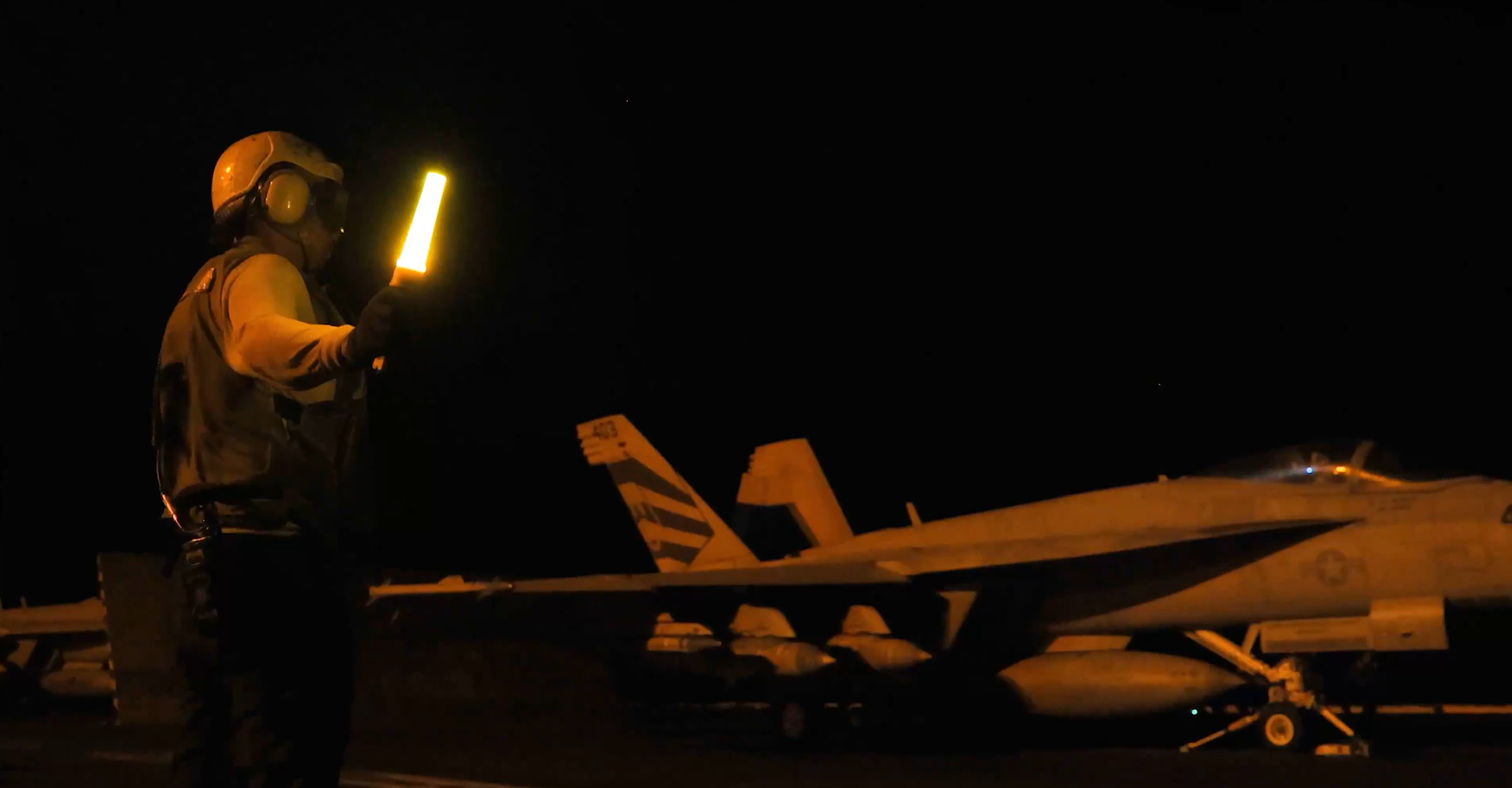
The US military said it struck dozens of sites on Monday (local time) in response to an Iranian attack on a container ship the day before, including air defence systems, radar sites, missile and drone equipment, and small boats.
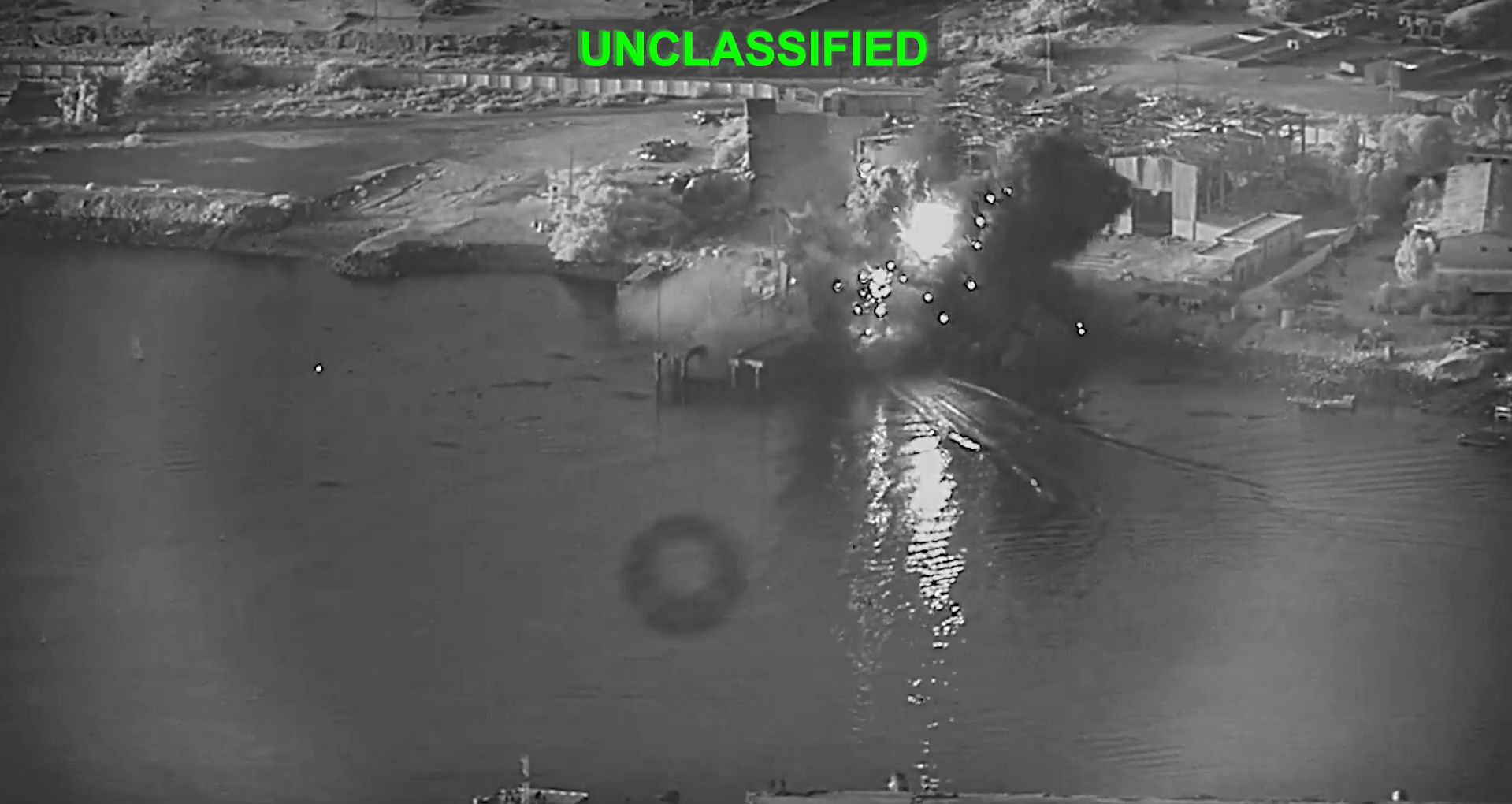
It said it used drone ships to hit an Iranian ship maintenance facility and a submarine on Sunday, calling it a first.
The American military has tried to establish a route through the Strait along the coast of Oman that would be outside of Iranian control. Iran has attacked ships using that route, saying the US is violating the interim peace deal. The US has attacked Iran in response, drawing Iranian attacks on US-allied Arab states. The US also ended waivers allowing Iran to sell crude oil on the open market in US dollars.
The US had opposed charging fees in the Strait
Meeting with Gulf leaders late last month, Secretary of State Marco Rubio had spoken forcefully against Iran charging fees for transit through the Strait.
“That’s international waterway. There isn’t a nation on Earth that supports having to pay money to go through the Straits,” Rubio told reporters in Bahrain on June 25.
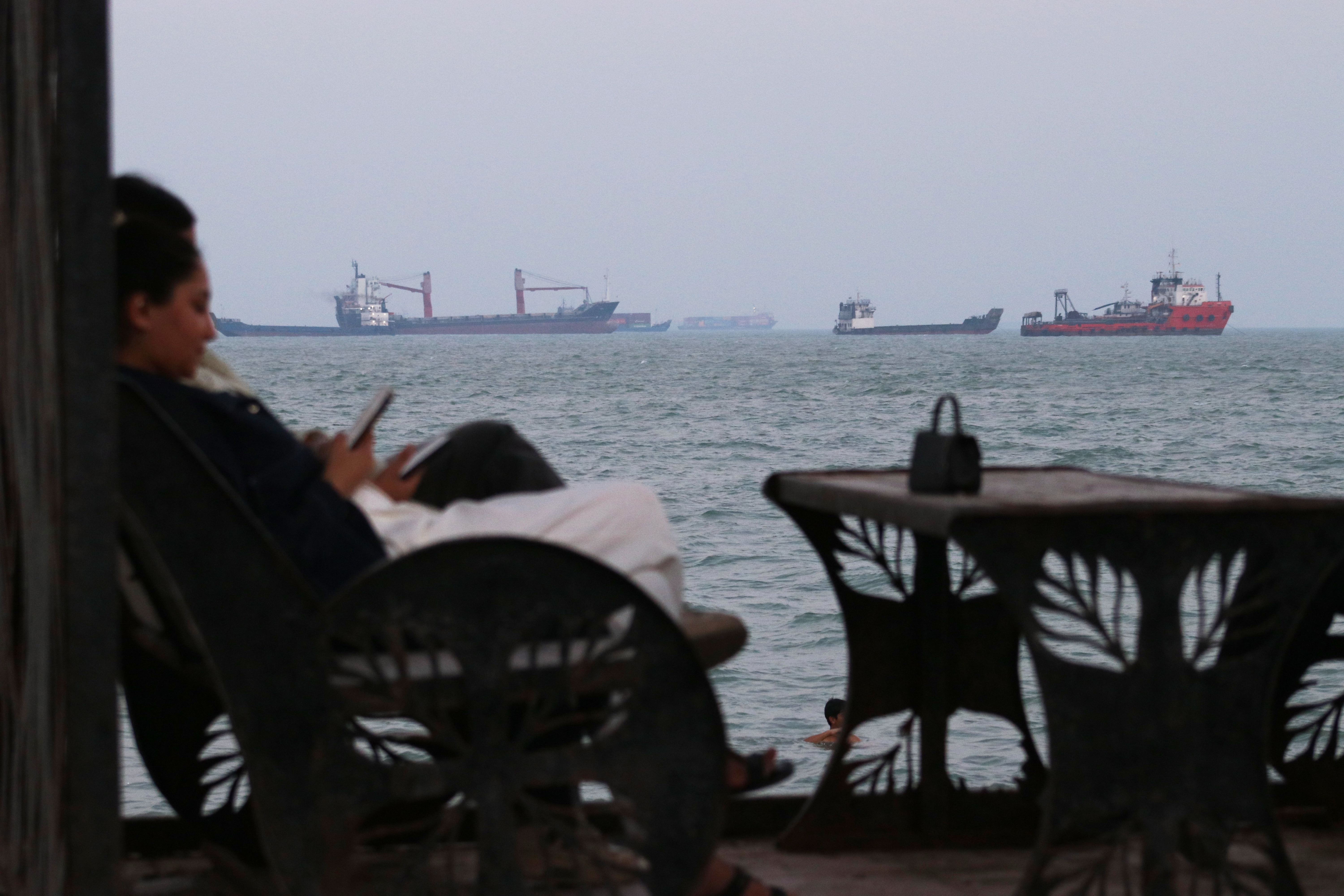
Rubio also said there was “zero support among the Gulf countries for any sort of toll or fees or anything that charges for the use of international waters. The President’s made it clear that’s not going to happen”.
US-allied Arab states report another wave of attacks
Missile alert sirens sounded three times Monday in Bahrain, home to the US Navy’s 5th Fleet. There was no immediate word on damage.
Separately, Kuwait's Foreign Ministry said its consulate in Iraq had been attacked. It did not immediately blame anyone for the attack or disclose damages or casualties.
The oil-rich kingdom also condemned Iran and “its factions and militias loyal to it in Iraq” for attacking what it described as “several border points” and a maritime oil drilling platform that belonged to the Kuwait Petroleum Corporation.
Kuwait and Washington share strong ties, and the tiny country along the Persian Gulf hosts several US military bases.
In Jordan, the kingdom's military said it shot down four Iranian missiles in an incident that “resulted in zero casualties or material damage”. Jordan also hosts US military forces and aircraft.
In Iran, authorities reported attacks in Hormozgan, Khuzestan and Markazi provinces and said at least two people were killed, according to state-run IRNA news agency. Semiofficial Iranian media also reported strikes in the eastern Sistan and Baluchestan province, which is on the coast of the Gulf of Oman.
Iran blames the US for the chaos in the region
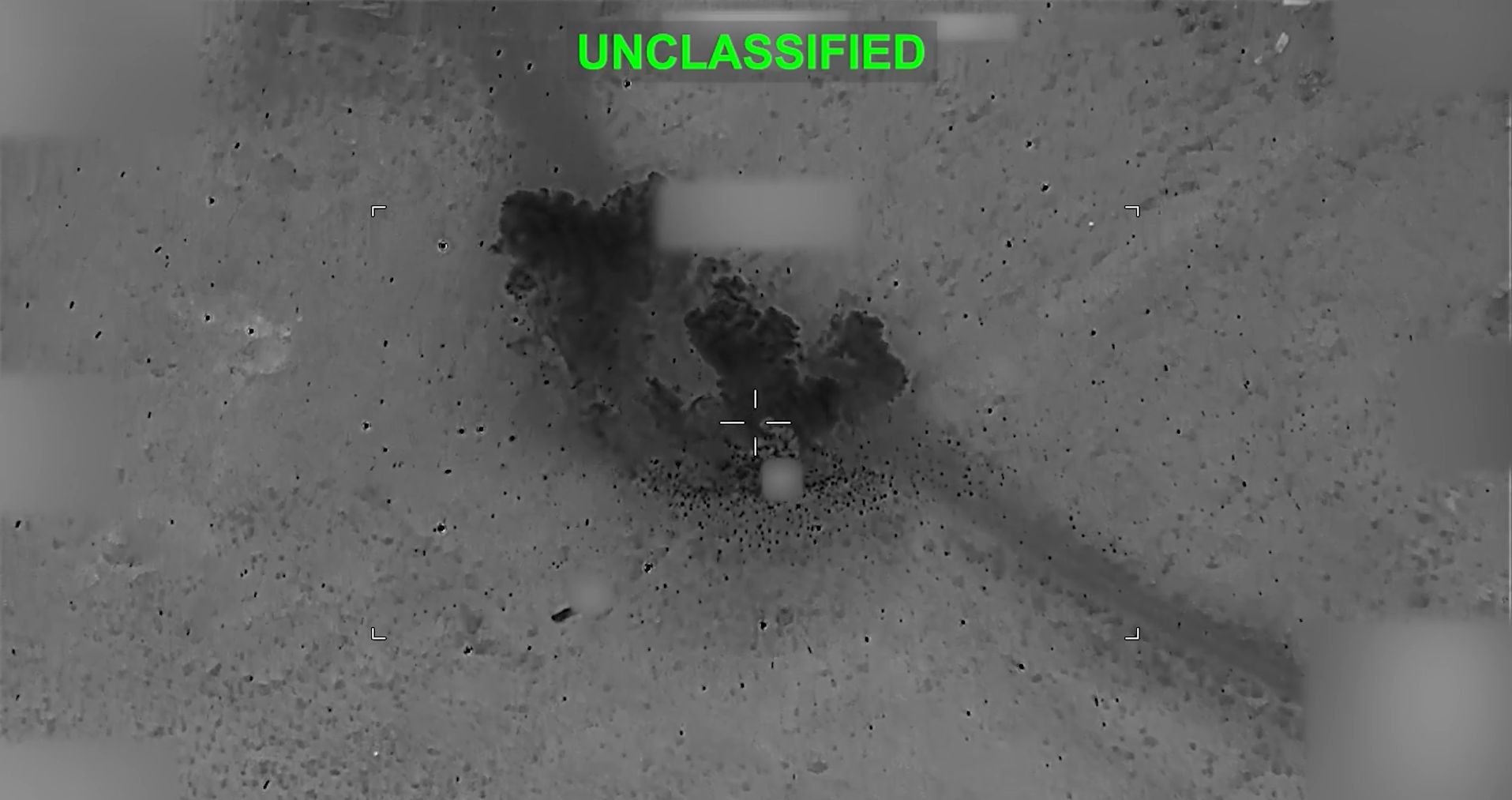
The attacks on Iran continued hours after the US ended its strikes — again raising the possibility of Gulf Arab states retaliating. There were unclaimed attacks on Iran on Thursday (local time).
A base belonging to the armed wing of an Iranian Kurdish opposition group based in Iraq’s semiautonomous Kurdish region came under drone attack on Monday, according to Rebaz Sharifi, a local commander. There were no immediate details on casualties or damage. No group immediately claimed responsibility.
Iran’s Foreign Ministry spokesperson Esmail Baghaei blamed Washington for the chaos gripping the region. He said Iran wouldn't agree to visits by the International Atomic Energy Agency to nuclear sites the US bombed in 2025. That's where Tehran's stockpile of highly enriched uranium is believed to be entombed.
Trump suggested last week that the interim deal in the war was “over”. But mediators, including Pakistan, Qatar and Egypt, have continued efforts to reach a final agreement to end the war.
Iran and the US are nearly halfway through the 60-day period in which they were supposed to negotiate such an agreement, which was also supposed to address Iran's disputed nuclear programme.
Additional reporting by 1News.