Bird flu: Native birds vaccinated to prepare for NZ arrival
The Department of Conservation has started vaccinating some of New Zealand's most vulnerable native bird species as authorities prepare for the potential arrival of the highly pathogenic H5N1 bird flu virus.
Kākāpō, takahē, shore plover, black stilt and the critically endangered orange-fronted parakeetare will receive the vaccine.
DOC plans to vaccinate around 300 birds, with a focus on species considered both highly at risk and practical to vaccinate as they live in captive environments or on offshore islands where they can receive a full vaccination course.
Katie McInnes, a veterinarian at DOC, said the programme follows a world-first trial completed last year that found vaccination was safe and effective in the five species.
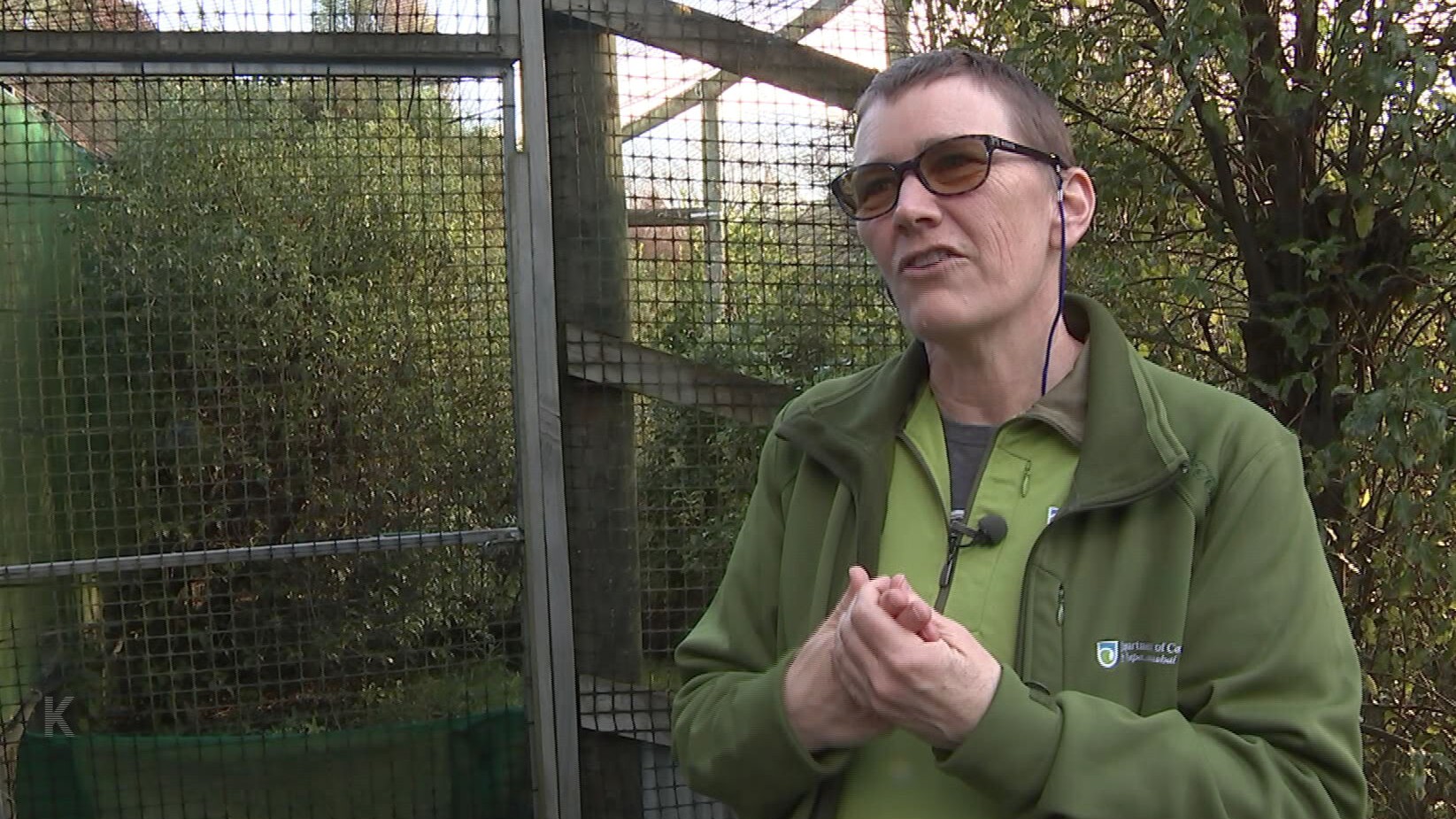
"We actually came up with these five because we knew that we had them in contained situations," McInnes said.
"You need your first shot and your booster, and if we can't give them a booster we're not sure that they'll get enough protection."
The research showed vaccinated birds developed strong antibody protection against the virus.
"We know for these species that we get at least six months of good antibody protection, which is really reassuring," McInnes said.
Although New Zealand remained free of H5N1, migratory birdswere considered the most likely pathway for the virus to reach the country.
At Christchurch's Willowbank Wildlife Reserve, staff have spent years preparing for the possibility of an outbreak.
Spokesperson Laura Ashton said bird flu would be devastating if it entered the park.

Extra biosecurity measures have already been put in place, including covering some enclosures with mesh and shade cloth to prevent contamination from wild birds.
"We have chosen to cover some of our enclosures with mesh, things like shade cloth that helps to prevent droppings from birds that may be flying over," Ashton said.
"It also helps to prevent smaller birds like sparrows entering the aviaries as well."
Still many unknowns about H5N1
Scientists wee still learning how the virus affected different bird species.
McInnes said overseas outbreaks had shown some species appeared vulnerable while others remained unaffected, and researchers did not yet know why.
"In places overseas, they've had an island with 19 different seabird species breeding and half of them got it and half of them didn't, and we don't know why half are immune," she said.