Will jogging give you 'runner's waist' or 'cortisol face'?

A spate of new social media exercise trends has raised concerns young Kiwi women are being discouraged from healthy exercise.
Buzzwords such as 'runners' waist' and 'cortisol face' have been singled out by non-profit ExerciseNZ as trends that leveraged fears of appearing bulky to push young women away from the gym.
Both non-scientifically backed trends claimed that regular exercise created boxy, wider or puffy appearances.
ExerciseNZ chief executive Richard Beddie said the trends were disappointing as it had taken decades to cultivate the current healthy public perspective on exercise.
"Health and mental wellbeing are consistently the two most common reasons people exercise. But these latest social media crazes buck that trend, often driven by online influencers with little or no formal training in exercise, health or wellbeing."
The organisation said the trends seen on social media had no scientific evidence.
The 'runner's waist' myth claims that regular running will create a wider, boxier waist due to visible oblique muscles. However, research in a medically reviewed article by Healthline showed that while running activated the core, it did not provide the heavy resistance needed to significantly increase the size of the obliques. Instead, running developed endurance, cardiovascular health and core stability.
"The idea that running makes your waist bigger is misleading and potentially dangerous," it read.
"Primary research shows running activates the core for stability and endurance, but at intensities far below what’s required to increase muscle size, making the idea that it 'widens your waist' physiologically implausible."
'Cortisol face', meanwhile, suggested exercise would cause facial puffiness and bloating through elevated stress hormones and cortisol levels. But research by medical experts from the Ohio State Wexner Medical Centre said it was not a recognised medical condition.
"While rare disorders that cause abnormally high cortisol levels can change facial appearance, everyday exercise and normal life stress do not create the dramatic facial changes portrayed across TikTok and Instagram," Beddie explained.
Becoming 'bulky' through weightlifting was another persistent misconception, he said, adding that substantial muscle mass required "years of progressive resistance training, carefully managed nutrition and, in many cases, favourable genetics".
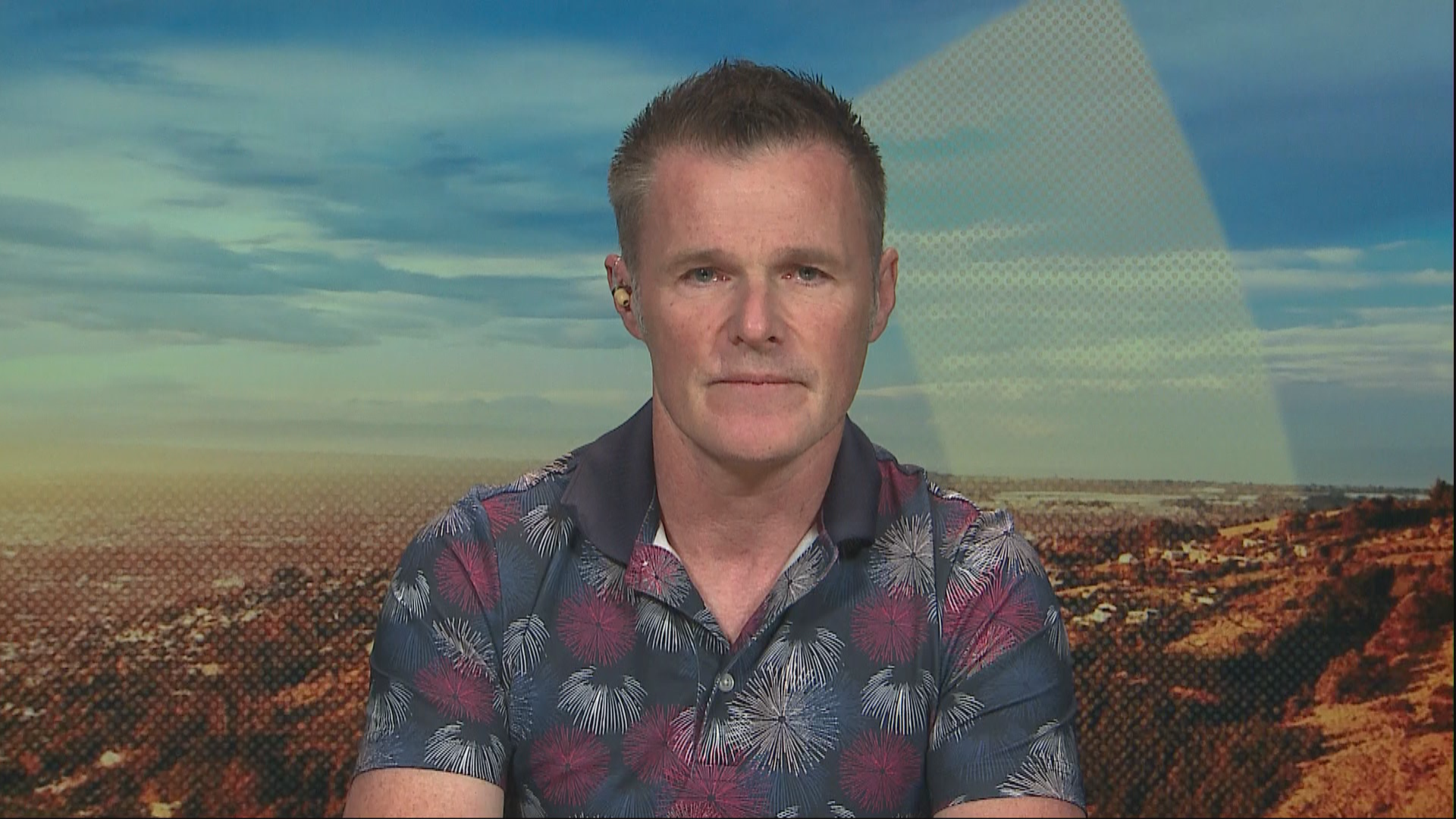
Beddie said he felt the greatest concern wasn't the trends themselves but, rather, what they said about how young women viewed themselves.
"We've gone from celebrating what our bodies can do to worrying about whether our waistline or face fits the latest TikTok trend. That's a step backwards."
He said it was ironic that the very activities that improved people's health — regular exercise, running and strength training — were being targeted.
Beddie went on to encourage young women to be cautious when taking health advice from social media.
"Exercise should never be about chasing the latest social media ideal. It should be about improving your health, building confidence, feeling strong and giving yourself the best chance of living a long, healthy life. That's something no viral trend should ever take away," he said.
"Your body isn't a trend."