Do you secretly binge on food? There's a way to stop (and no, it's not another diet)
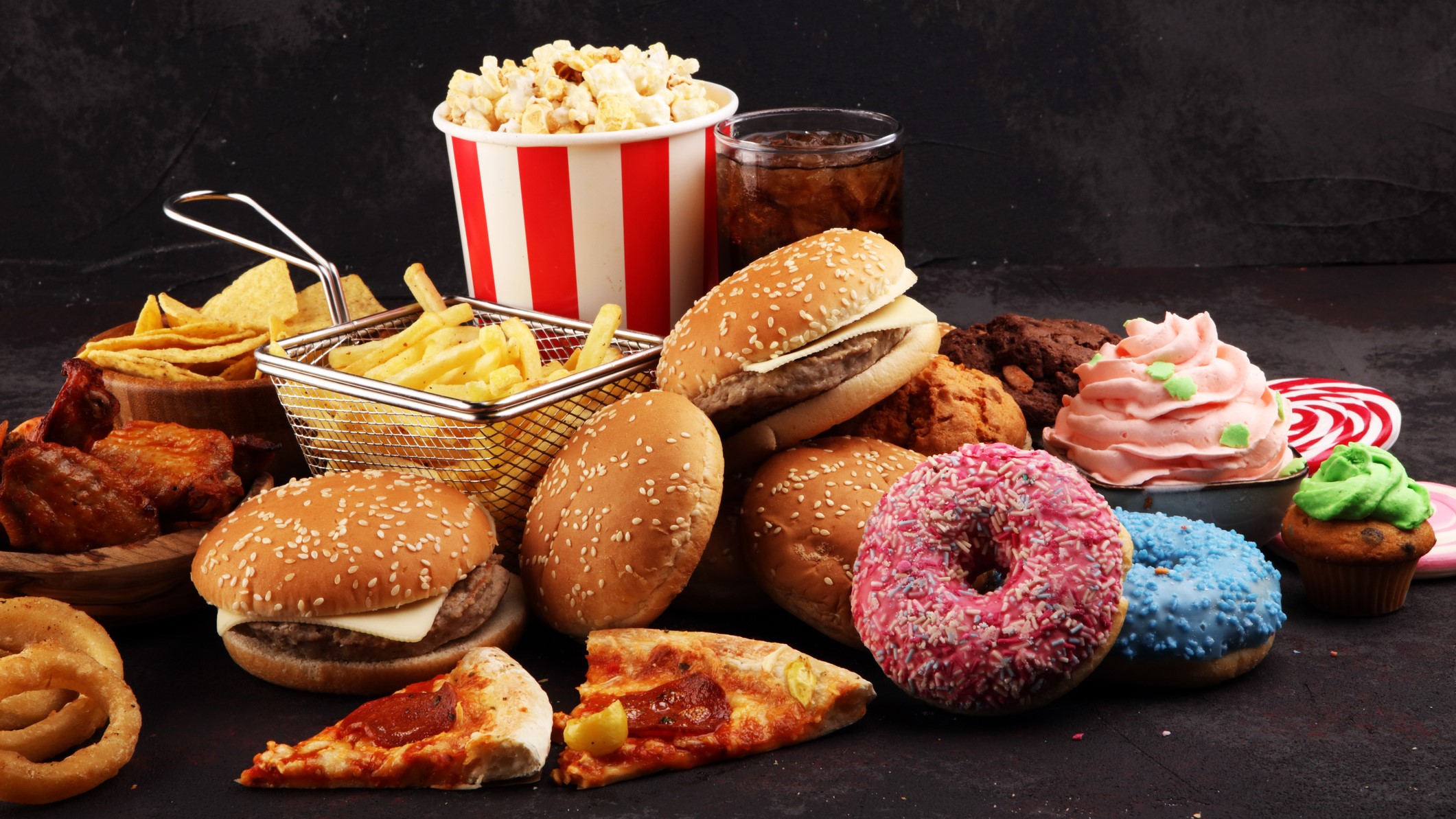
Binge eating disorder is the most common eating disorder of all, yet the least understood. Nicole Gaviria explodes six myths about it and explains how full recovery is possible – without a pill, potion or meal plan in sight.
If you've ever eaten past the point of fullness and felt a wave of guilt, shame, or disgust wash over you afterwards, you're not alone. If food feels like something you fight with rather than simply eat, enjoy, and move on from, you're not alone. And if you've quietly wondered whether something more is going on with these strange and even self-destructive eating habits of yours, but you've talked yourself out of calling it an "eating disorder", you're definitely not alone.
Binge eating disorder is the most common eating disorder in Aotearoa and worldwide, more prevalent than anorexia and bulimia combined. And yet most people who live with it have never heard of it, wouldn't apply the term to themselves, and are unlikely to ever seek help. I know, because I was one of them.
At my worst, I was pulling into the drive-through every day on the way home from work, eating alone in my car until I felt sick, disposing of the evidence before my partner got home, and then sitting down to a full family dinner as though nothing had happened. I didn't think I had an eating disorder. I thought I was a bad person. That this was a moral failing. That I wasn't doing enough to help myself, despite the fact that I was constantly on a diet, constantly searching for the next fix to my weight issues, constantly trying. It took for a GP to name my eating disorder before I even entertained that possibility and, even then, I still felt it was some kind of personal failing.
I'm now a registered counsellor specialising in binge and emotional eating, and I've supported more than 400 people through their own recovery. What I see, again and again, is people struggling in silence, people who've often suspected that their relationship with food is something more than a lack of discipline, but when they've asked for help they've been dismissed, told they need more willpower, a better meal plan, or to simply try harder.
The fact is binge eating disorder is both the most common and least understood eating disorder of all. Here are six myths, I'd like to explode once and for all.
1. If you have an eating disorder, you know it
Most people with binge eating disorder wouldn't call it that. The language they'll use is far more familiar: they're a food addict, an emotional eater, someone who just can't stop once they start, someone who looks at a block of chocolate and gains a kilogram, someone who is disciplined all day then loses all control by evening. Many live with it for years without ever being screened or given the language to understand what they're experiencing. That is not a reflection of how hard they've tried. It's a reflection of how little we talk about this, and how easily it is dismissed by those who haven’t been in the trenches.
2. People with eating disorders have small bodies
This is one of the most damaging myths, and it stops countless people from getting help. Binge eating disorder occurs across every body size. Fewer than six percent of people with an eating disorder are medically underweight. People in larger bodies are routinely told their eating is a weight problem rather than a mental health one, and sent away with diet advice that makes things worse. I was never screened for an eating disorder when I sought help for my weight. I was offered bariatric surgery and meal replacement shakes. These steps do nothing to address the core, underlying issues that have led to disordered eating.
3. You just need to get some willpower
If willpower were the issue, your years of trying would have solved it. People with binge eating disorder are not lazy or undisciplined. Most have spent years, sometimes decades, trying every plan, programme, and product available to them, and being failed by all of it. They are often among the most determined people in the room, having regularly exercised more willpower than most to fix something that willpower was never going to touch. Binge eating disorder is a recognised mental health condition with neurobiological underpinnings, not a character flaw or a failure of resolve. Telling someone to "just try harder" is like telling someone with a broken leg to walk it off. It doesn't just fail to help. It causes harm.
4. Eating less would fix the whole problem
Diet culture is a 70-billion-dollar industry that first convinces you your body is the problem, then sells you the solution. What it doesn't tell you is that eating less, restricting more, and cutting out food groups is one of the primary drivers of binge eating, not the cure. It creates the problem, profits from the shame, and sells you another product to fix what it helped to break.
When the body is consistently under-nourished, it mounts a powerful biological response. Hunger intensifies, cravings spike, and the drive to eat becomes urgent and hard to override. What follows is the binge-restrict cycle: you restrict, the body rebels, you eat in a way that feels out of control, shame floods in, and you restrict again. The cycle is self-perpetuating, and the diet industry profits from every lap of it.
5. It's just emotional eating
Let's be clear about something: emotional eating from time to time is actually okay. Finding comfort and pleasure in food, eating celebratory cake when you're not particularly hungry, using food to soothe after a hard day, these are ordinary human experiences and not something to fear or pathologise. Food is allowed to be comforting. When those moments happen, the healthiest response is self-compassion, and perhaps a little curiosity about which part of you is asking for attention. Then simply move on. What doesn't help is guilt, and what can actively make things worse is the idea that indulging in a spot of emotional eating must be followed or "paid for" by restriction – that logic simply sets the next binge in motion.
The problem isn't emotional eating itself. It's when food becomes the only tool we reach for when life gets hard, and when reaching for it starts to feel less like a choice and more like a compulsion.
6. 'This behaviour is a part of me – I’ll always be this way'
You can recover. I did, and I've watched hundreds of others do the same. Recovery means building a calm, flexible relationship with eating that doesn't hijack your days or define your worth.
There's more than one way to recover. Evidence-based approaches like CBT-E (enhanced cognitive behaviour therapy) and ACT (acceptance and committment therapy) are great places to start. The most lasting change comes when people also dismantle diet culture conditioning, learn to regulate their nervous system, and tend to the emotional needs that they have been trying to meet with food.
One of the most important parts of that process, and one that is often overlooked, is finding a safe, non-judgmental space to be honest about what's really going on. Shame and silence allow these struggles to thrive. When we finally speak about it, to a trusted friend, a GP, a counsellor who gets it, something shifts. The secrecy that feeds the cycle begins to lose its grip. Community, connection, and feeling genuinely seen without judgment are not soft extras in recovery. They are essential.
You don't have to keep carrying this alone.
Nicole Gaviria is a registered counsellor and host of the Binge Free Bestie Podcast.