Cost-of-living: Working Bay of Plenty family struggles to stick to budget as costs rise
A budget-conscious working Bay of Plenty mum says food is so expensive she sometimes skips breakfast or eats her children’s leftovers as a meal to make the family’s $200 weekly grocery budget stretch.
Mother-of-two Terri Wright says she and her husband work fulltime but it is still a struggle to make ends meet despite budgeting 52 weeks a year and walking the supermarket aisles with a calculator.
Her comments come after Stats NZ data showed food prices on the rise again in January, with the 0.9 per cent increase following four months of decreases.
The data showed food prices had risen 4 per cent year-on-year.
It found the biggest contributor to the increase was grocery food, driven by higher prices for two-litre milk cartons, fresh eggs (excluding free-range eggs) and boxed chocolates.
Meanwhile, Infometrics NZ recorded a 4.3 per cent rise in what suppliers charged one major supermarket chain over the same period as production costs rose.
‘Maybe my kids will leave a piece … that’s what I will eat’
Wright said she and her husband were “middle-income earners” renting in Tauranga with their two children, aged 6 and 9.
They budgeted $200 a week for groceries but there were times the parents did not eat breakfast to make the shop go further and save money.
“If we’re hungry during the day we have soup because soup is pretty cheap.”
She said she would sometimes eat whatever was left uneaten by her children rather than making herself dinner.
“I know somewhere along the line, maybe my kids will leave a piece or two on the plate and that’s what I will eat,” Wright said.
She said nothing from dinner ever went to waste because “if there are leftovers then my husband will get that for lunch”.
Her children needed “healthy foods” in their school lunchboxes, including a piece of fruit, but this could be expensive.
“My daughter comes with me every time I go shopping. She has the calculator and we go through everything we buy.
“We only buy what’s on the list.”
Her weekly budget was set up for “52 weeks” and she budgeted the entire year based on the couple’s salaries.
She said the budget accounted for “every cent” to cover household costs and necessities, and a small amount of savings for expenses such as children’s camps.
“When you only have $200 you’ve got to buy things that the entire family can eat.”
The family shopped around for bargains and “never eat out”.
“I’m not brand loyal at all.
“I will buy the cheapest possible products that are on special.”
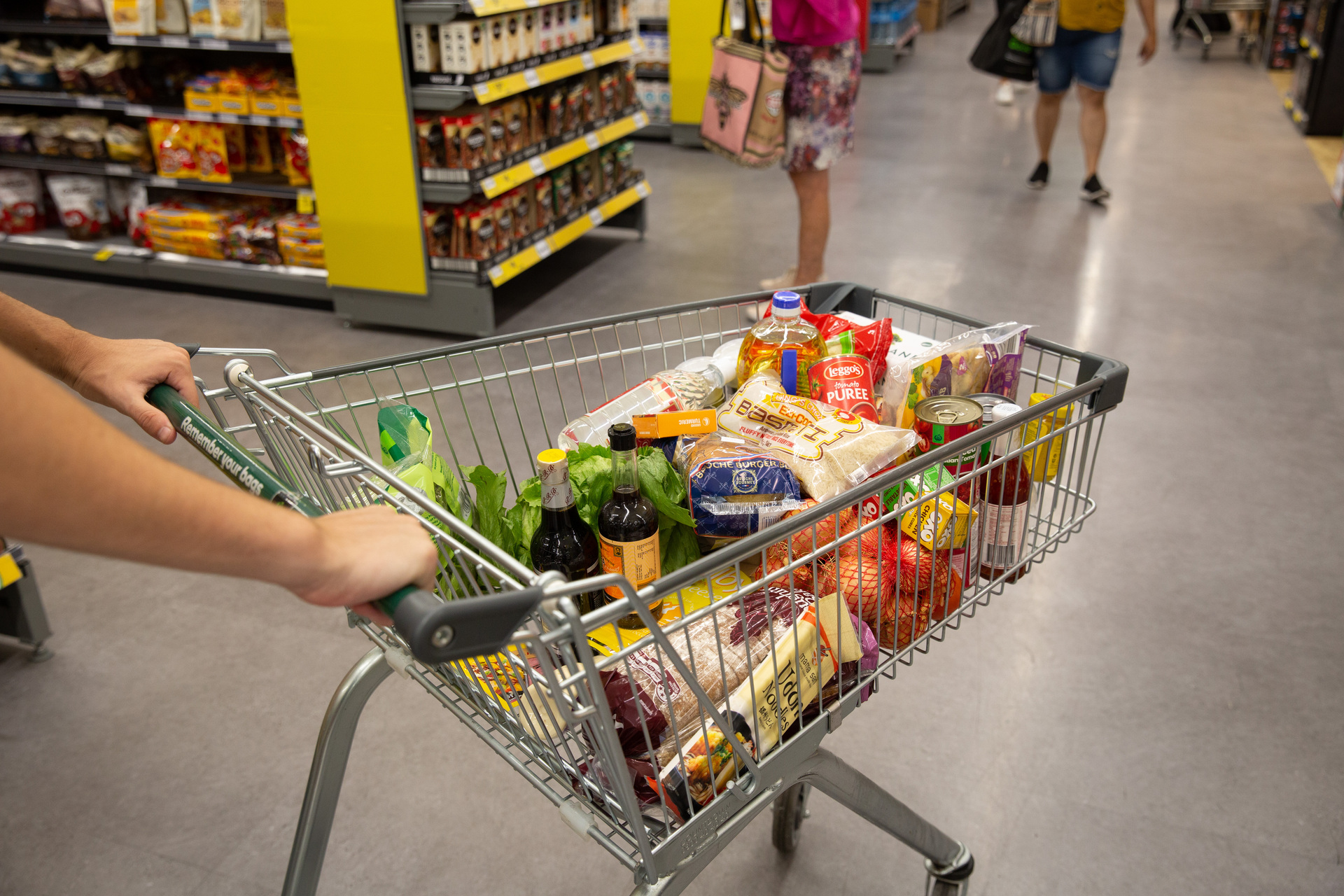
She bought bread from a bakery near her work and fruit from a local greengrocer.
She said the bakery’s bread was $1.69 for a loaf compared to around $2.50 at the supermarket.
The main items on her list included “milk, bread, eggs and cheese”.
“We don’t get to have any luxuries in our trolley at all.
“There would be times in that we would like to have something a little different or venture out of our normal routine, but we know we can’t.”
Shop planning ‘tiresome’ – but worth it
Rotorua Budget Advisory Services manager Pakanui Tuhura said after budgeting for the “essentials of rent, power and food first” families should consider if there was money spent elsewhere that could be “moved to the food budget”.

“I know it sounds boring and tiresome but plan your grocery spend and keep to it,” Tuhura said.
Bay Financial Mentor general manager Shirley McCombe said finding potential areas to “free up additional funds” in budgets “may be possible for some families to extend their grocery bill”.
“Planning and giving every dollar a job helps,” McCombe said.
“Meal planning, mindful shopping, and buying seasonally can help, but it is tough with the cost of food right now.”

Supplier’s charges rise - Infometrics
Infometrics’ monthly grocery supplier cost index was released last week and commissioned by Foodstuffs, which owns Pak’n Save, New World and Four Square supermarket brands.
It found in the 12 months to January the amount suppliers charged the chain rose 4.3 per cent.
Infometrics chief executive and principal economist Brad Olsen said products ranging from “fresh produce through to packaged goods” saw a rise in price.
He said some of the reasons for supplier price increases were linked to fertiliser and fuel costs.

“The labour market was tight and wage pressures were high.”
Olsen said those factors led to “greater cost pressures” for suppliers, which increased what supermarkets had to pay for their stock.
He said this was “flowing through to consumers” in higher food prices.
“[We] continue to hear from social agencies that food is still expensive.
“Produce is becoming a little bit more normal in a sense with … more normal seasonal fluctuation.”
Michaela Pointon is an NZME reporter based in the Bay of Plenty and was formerly a feature writer.