Housing: Tauranga kiwifruit orchard to be cleared for planned Pyes Pa subdivision
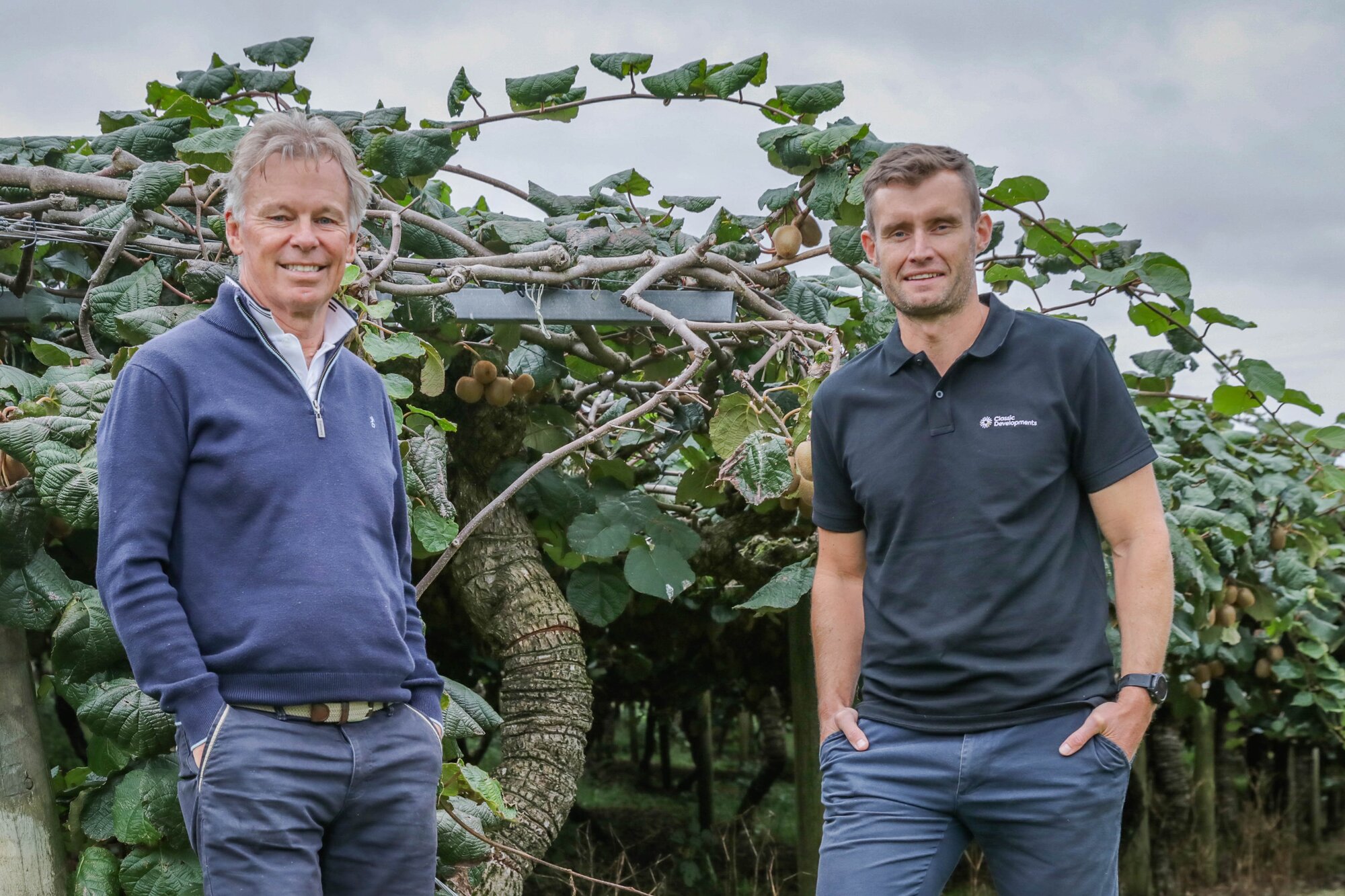
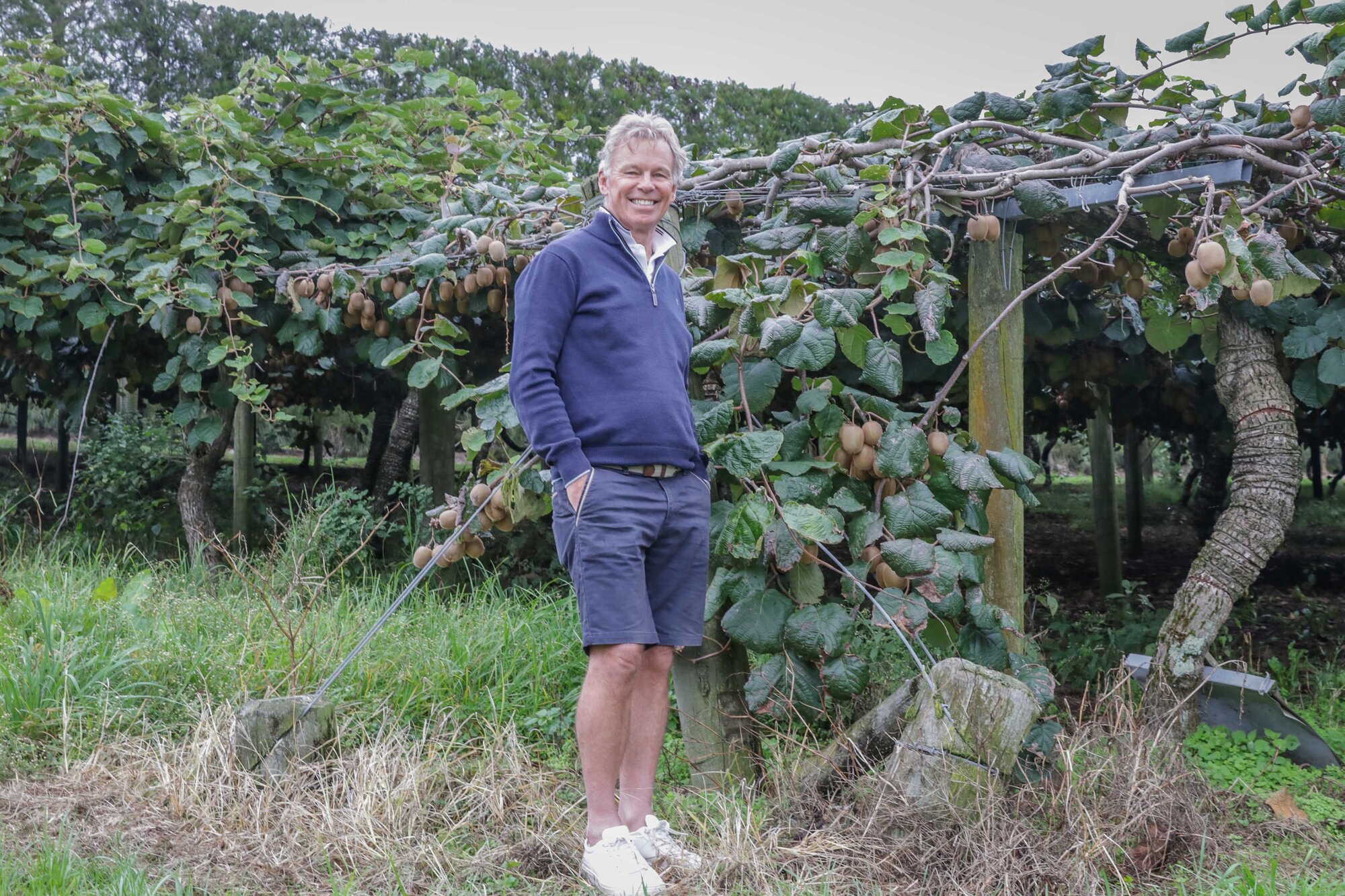
A Tauranga kiwifruit orchard will be cleared to make way for a planned 75-home subdivision.
Classic Group has bought the orchard at the end of Inverness Drive in Pyes Pa and is planning to lodge resource consent with Tauranga City Council for a 75-lot subdivision.
Classic Group director Peter Cooney told the Bay of Plenty Times it was the “last piece of the puzzle“ after the company developed 30 hectares adjacent to the site in the early 2000s.
Earthworks were planned to start in September or October for the 5ha-6ha orchard, he said.
“Once this crop’s been picked off, then we’ll remove the kiwifruit vines and then we’ll start earthworks ...”
Cooney said earthworks and civil works would take about six months, “and then probably nine months by the time until we get our first titles”.
Sections would be priced from $350,000 to $400,000, he said.
“I’ll be selling the sites out to individual owners or builders, whoever wants them, and we’ll build some of the houses.”
Cooney said it would be a mix of three- and four-bedroom homes and would be most suited for “more established” buyers and families.
“It’s quite a nice area – it’s next to the schools, parks, walkways ... ”
Cooney said the first 10ha stage of the original development was “sold out in a day”.
“The second 10 hectares we sold out in a day and a half,” he said.
“It was back in those days where there was an insatiable demand for property in Pyes Pa. It was just a very up-and-coming, growing area and recently rezoned.”
He said the Pyes Pa area had always been “well sought after” with its location near a state highway, Tauranga Crossing, Greerton and ease to get to Rotorua.
“We expect the demand to be strong.”
Asked about traffic and infrastructure impacts, he said “all those things have been taken into account” when the area was rezoned.
“It’s been designed to have that many houses ... we don’t see an issue at all with traffic or wastewater or anything like that.”
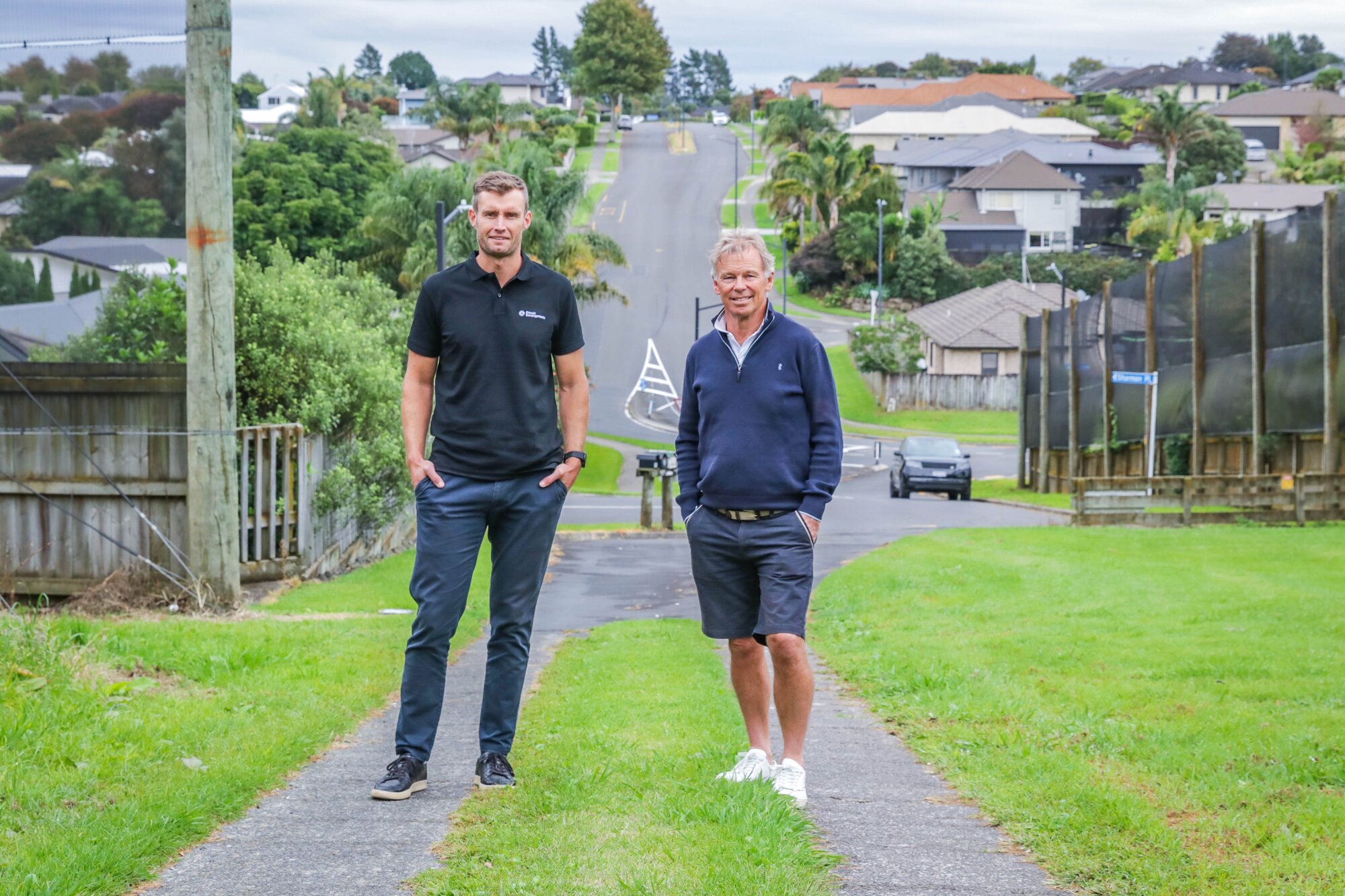
He said it was “exciting to finish the last piece of the puzzle”.
“The owners have just held on to this for so long that they’ve finally made the decision that kiwifruit growing and residential housing don’t go hand in hand and they’ve decided ... it’s had its day and it’s time to move on.”
Local resident, former MP and Tauranga councillor Larry Baldock said he had lived in the area for 34 years.
“It’s always been a bit of a mystery that that land never got developed before, but it would make sense given the shortage of housing in the city.”
Baldock said it was important the area had adequate stormwater infrastructure.
In response, Cooney said it had a retention device on-site “to hold water to release slowly back into the system”.
He said, in his view, insufficient stormwater capacity was a result of the council “underdelivering”, and the company had paid for these works to be done via development contributions when it first developed the original 30ha.
Tauranga City Council head of city planning and growth Andrew Mead said the site was initially rezoned for residential development in the early 1990s as part of the Pyes Pa urban growth area.
As part of the rezoning, a structure plan was created to support the delivery of key infrastructure for the wider area. This included infrastructure that development contributions helped fund, he said.
A catchment‑wide stormwater management plan was also prepared, based on the expected development density and rainfall standards at that time, Mead said.
“Over the past 30 years, both rainfall design standards and development density have increased significantly.”
Consequently, new developments designed under higher rainfall standards now needed their stormwater impacts to be managed “more carefully to protect the receiving environment”, he said.
This “limitation” was shared with Classic and other interested parties to assist with their decision‑making, he said.
Mead said the council was finalising an updated catchment‑wide stormwater model, which included this development area and would capture recent changes.
Once completed, conceptual scenarios to improve any local flooding would be tested and prioritised as part of the council’s stormwater network improvement programme, Mead said.
On the resource consent application process, Mead said the council aimed to make decisions within the statutory timeframes – usually 20 working days.
For this application, the council would look at how it fits with the city plan, including infrastructure servicing such as water and roading, he said.
“This subdivision will increase housing in Tauranga, which is a positive step. However, because the housing shortage is a large and complex issue, a development of this size is a small piece of the puzzle.”
Classic Developments is also building a 1200-lot housing development nearby at its Tauriko West site, which will include a 200-unit retirement village.
Megan Wilson is a health and general news reporter for the Bay of Plenty Times and the Rotorua Daily Post. She has been a journalist since 2021.