India-NZ free trade deal offers limited gains for dairy, brighter for meat
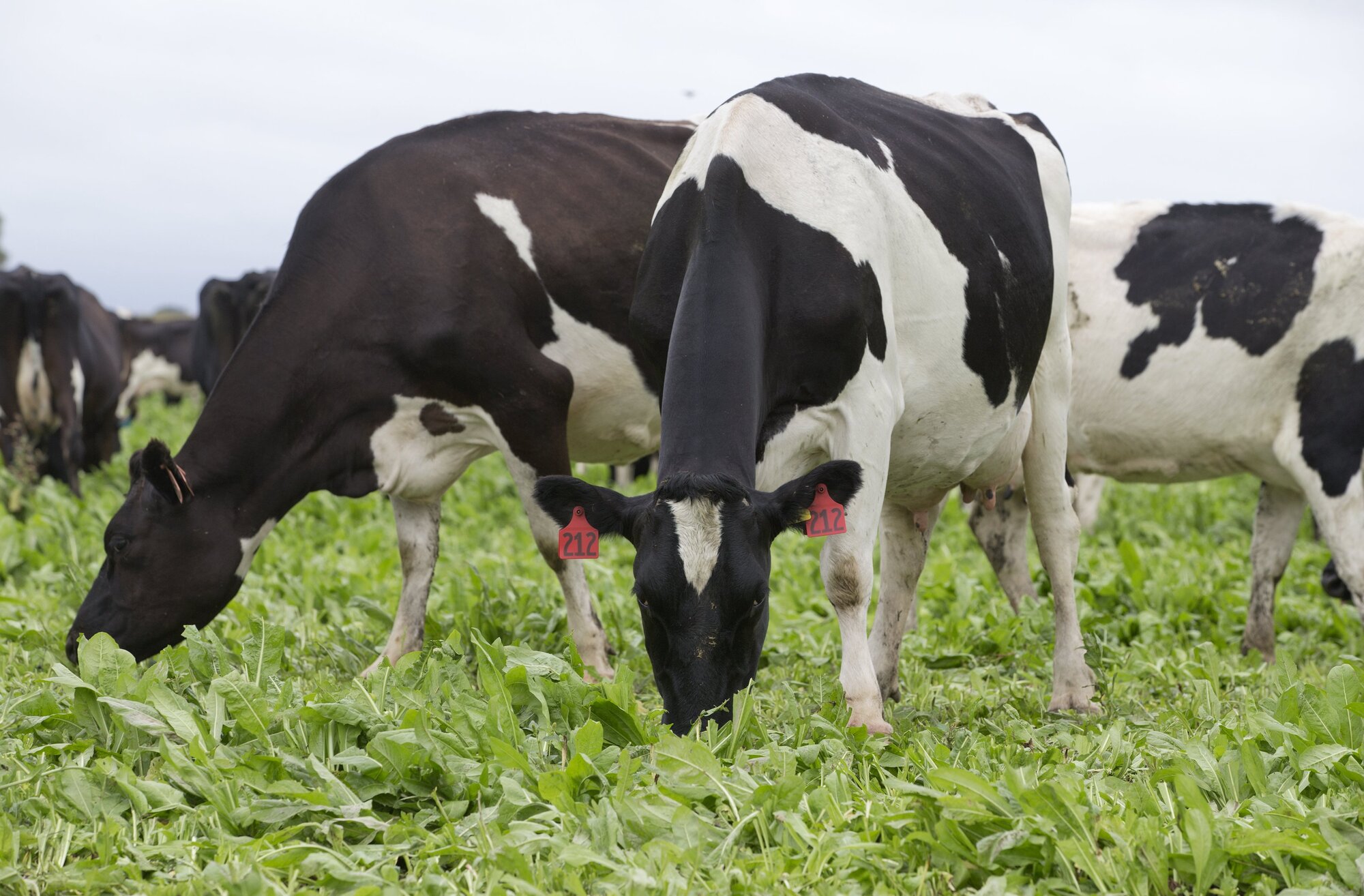
New Zealand’s $27 billion dairy export sector has given a mixed reception to its treatment in the India-New Zealand Free Trade Agreement.
Export heavyweight Fonterra says it’s “disappointing that negotiations were unable to secure any significant new core dairy access opportunities for New Zealand into the Indian dairy market”.
DCANZ, the organisation representing the country’s dairy companies, says the opportunities secured for dairy to date are “limited”.
Executive director Kimberly Crewther says the FTA’s dairy package covers only three tariff lines – about 3.8% of New Zealand’s current global dairy trade by value.
But the country’s second-largest dairy exporter, Open Country, is looking on the brighter side, saying the FTA is an opportunity that “keeps us in the tent”.
Chairman Laurie Margrain says while there is no material upside for the dairy industry, that was hardly unexpected.
“Having the agreement allows greater opportunities to develop relationships with that market, to demonstrate our capacity to benefit both countries over time and to improve each country’s understanding of how each of us operate.
“The view we take is that further progress in dairy to India will occur over time with the agreement in place. Progress would be measurably more difficult were we not to have the agreement.”

Fonterra, in a statement attributed to Simon Tucker, Group Director Global External Affairs, says the farmer-owned dairy co-operative acknowledges the “considerable” efforts of trade minister Todd McClay and officials on behalf of dairy.
While the outcome for dairy was disappointing, Tucker says it wasn’t a surprise given India’s long-standing sensitivities in relation to its dairy market.
India is the largest milk producer in the world, mostly from small and marginal farmers with one to five cows.
Fonterra welcomed the positive outcomes for other sectors under the FTA, expected to deliver benefits back to the wider New Zealand economy.
Tucker says Fonterra will continue to work with the Government on how best to utilise the FTA provisions relevant to dairy.
The Government says under the FTA for dairy, tariffs on bulk infant formula and other dairy-based preparations, and peptones (a dairy-based product) will be phased out over seven years.
Tariffs for albumins, a milk protein product, are halved within a quota covering average recent trade.
The FTA includes a commitment to implement a dedicated fast-track mechanism to facilitate the supply of New Zealand products duty-free to India for further manufacturing and export.
The Government says this includes dairy ingredients and opens the door for greater collaboration, creating new opportunities for New Zealand exporters in India’s supply chains, including into its growing number of FTA partners.
In addition, India has committed that should it offer dairy access to comparable countries in the future, it will consult with New Zealand on the prospect of extending similar treatment to us. This is alongside a commitment to review the FTA one year after entering into force.

DCANZ’s Crewther says of the only three tariff lines covered in dairy, two get tariff elimination. The third, milk albumin, remains constrained by a tariff rate quota that is smaller than current trade volumes and an 11% in-quota tariff, she says.
“For milk albumin, we will be at a disadvantage to UK exporters who received a full tariff elimination outcome.
“This is not yet a platform for meaningful growth, and active use of the review provisions to make improvements over time will be a priority for us. The import-for-re-export commitment could also be useful – but only if it is workable and capable of supporting real trade flows.”
The detail of this mechanism is still being worked through, Crewther says.
The immediate elimination of a 30% tariff on New Zealand sheep meat exports to India the bilateral free trade agreement opens a previously closed door to a promising long-term market, says the meat industry.
In its submissions to the parliamentary select committee considering the free trade agreement, the Meat Industry Association said the tariff made it “commercially impossible” to compete in India.
The deal puts New Zealand on a level playing field with Australia for sheepmeat exports to India.
The FTA is expected to be ratified later this year. It also immediately removes tariffs on New Zealand wool exports to India.
In 2025, the total value of New Zealand meat exports to India was small compared to its major markets.
Out of $476.5 million in total merchandise exports to India, the combined value of all New Zealand meat exports accounted for less than $15m.
While the current meat export share to India is modest, the New Zealand red meat sector says it anticipates significant market growth.