Core Aviation grows Bell helicopter fleet in NZ to rival Airbus
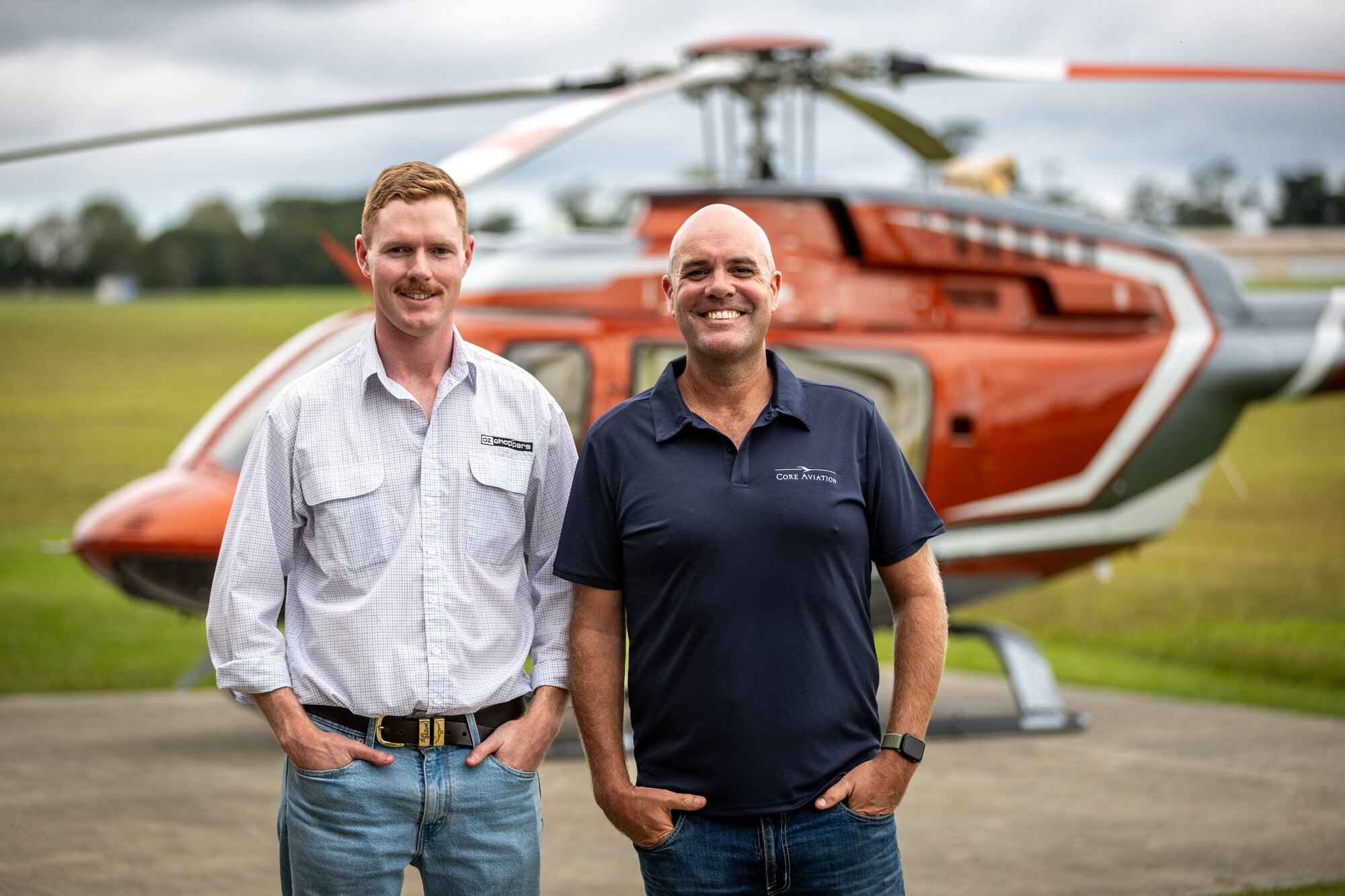
A family-run local aviation company hopes to spice up the local market by bringing in more Bell helicopters.
Core Aviation director Lachlan Jones said New Zealand was a big market for helicopters.
“Globally, Bell and Airbus are competitors. Locally, Bell’s been completely underrepresented.”
Jones said it would be as if BMW had no dealers in New Zealand and Mercedes-Benz was running rampant.
New Zealand is thought to have one of the highest per-capita helicopter ownership rates on earth.
“Look at Auckland - how are you going to get to the islands? How are you going to get down country?”
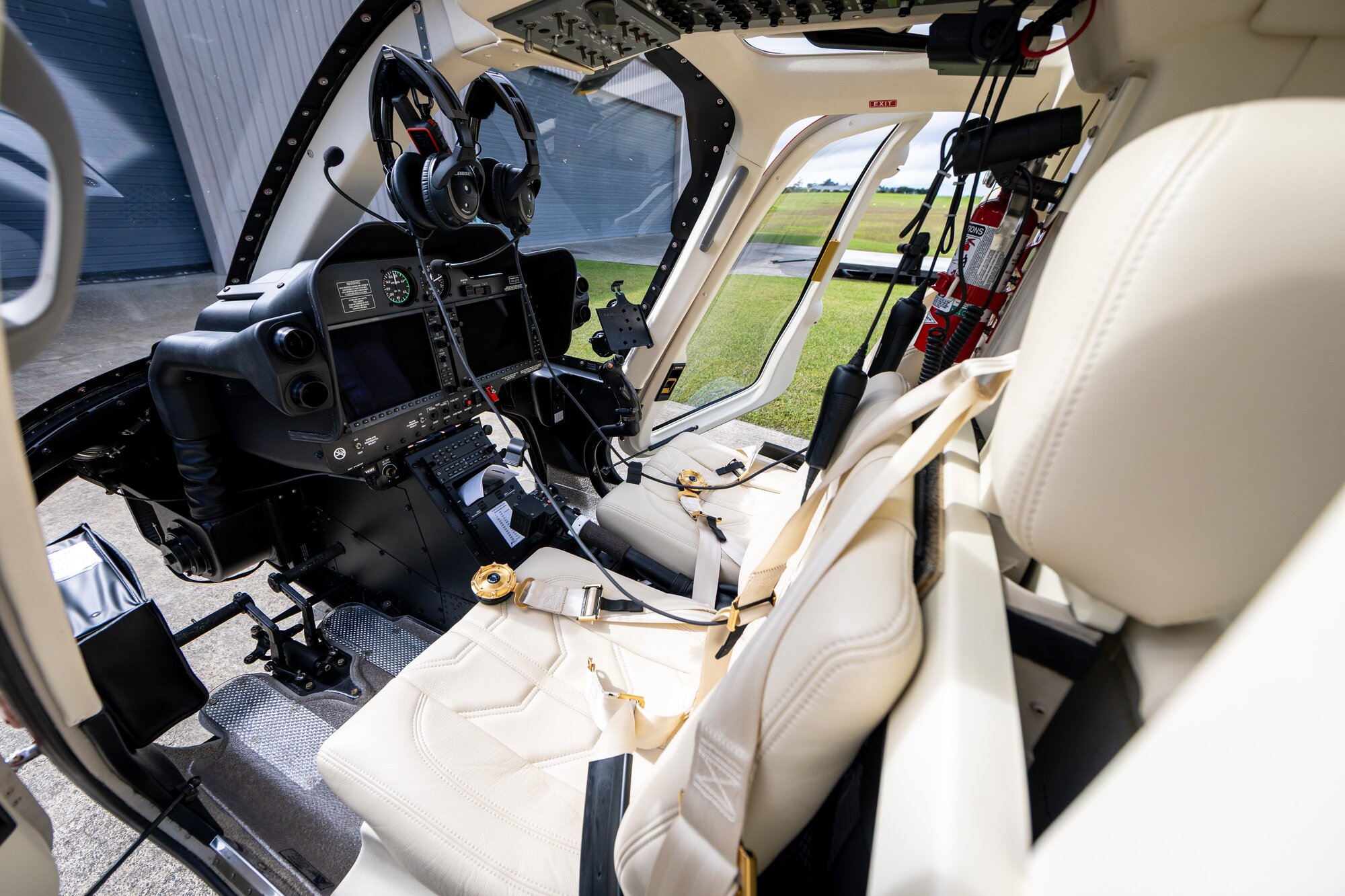
Jones, speaking at the Core Aviation base at North Shore Airport, said the family company started in 2018 with six aircraft.
“Then we thought, to operate these we ought to have an operating licence. Then we thought we better start a maintenance business.”
The company is now an MRO (maintenance, repair, and overhaul) business working across different branches of aviation.
Jones said Core Aviation also had an advanced avionics business.
“We’re doing upgrades and new installations as well.”
The business picked up a defence contract in 2020, doing fixed-wing work.
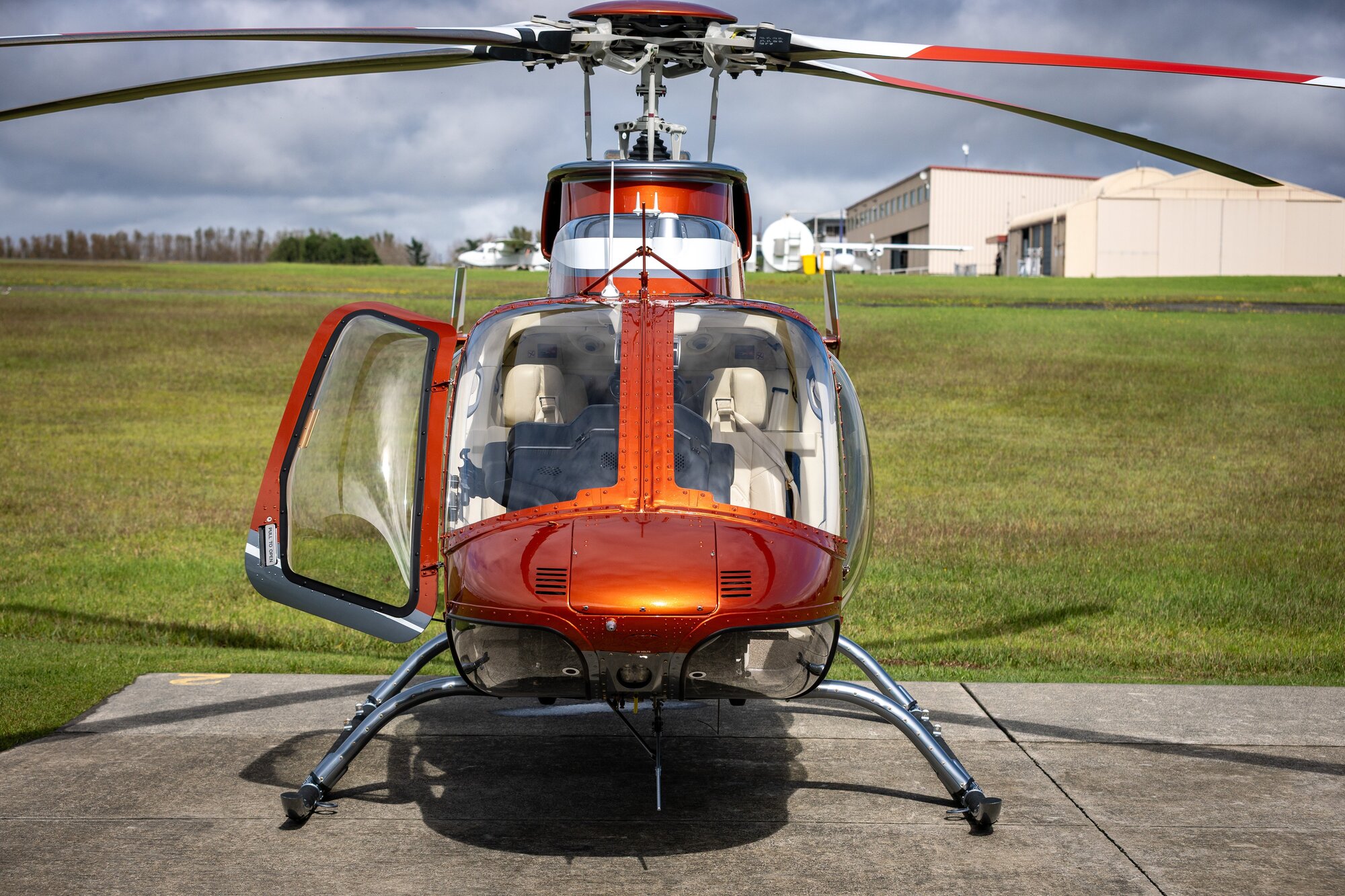
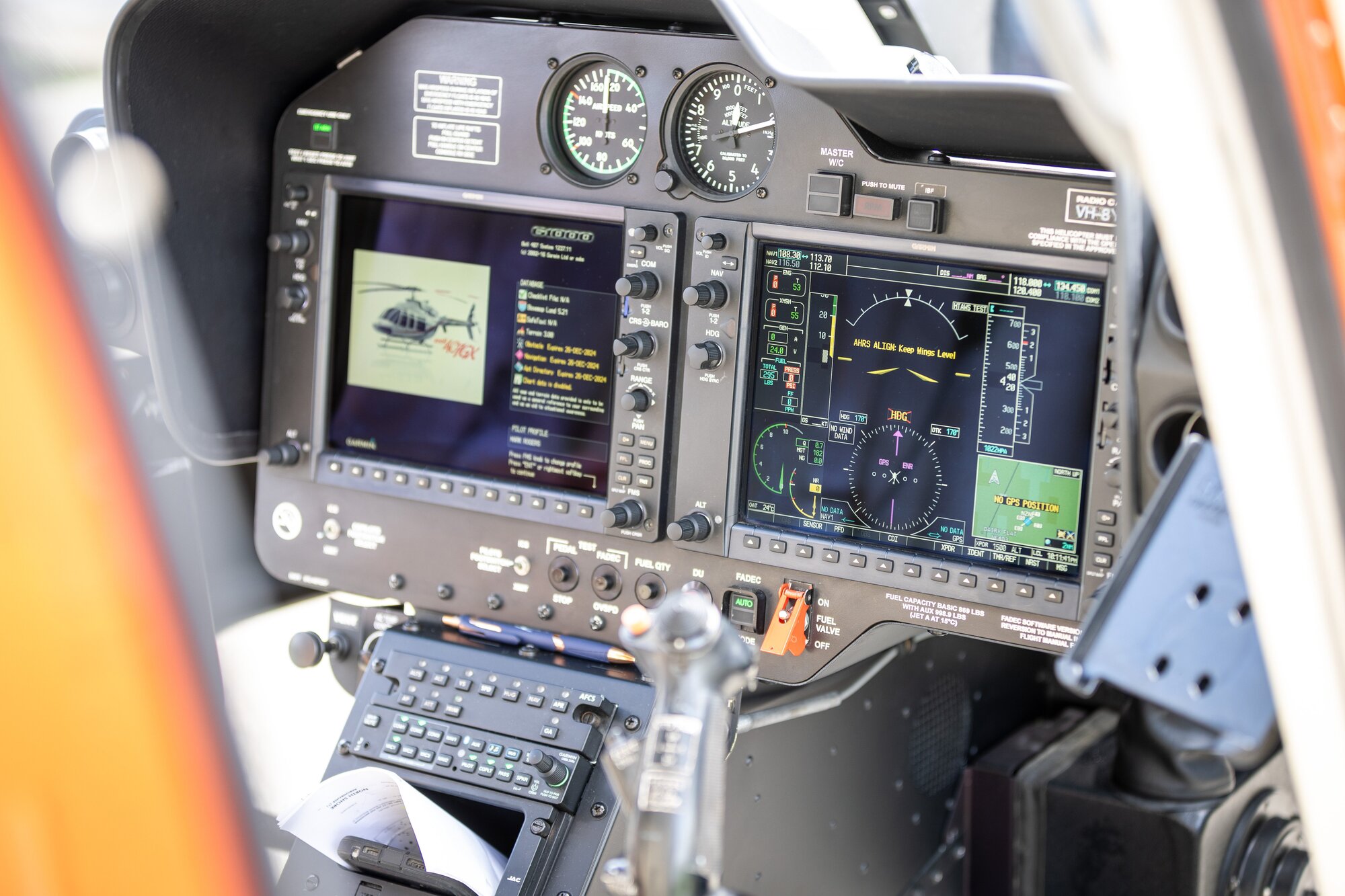
Jones showed off the Bell 407GXP, one of many machines at Core Aviation’s North Shore premises.
“This particular machine with its particular configuration is pitched at the private market.”
He won’t disclose which individuals are buying or looking to buy, but the machine costs about US$5 million ($8.5m).
“Globally it’s a 50-50 race between Airbus and Bell.”
The site is a dream for helicopter people, with multiple machines on site and a variety of work being done on them and on small fixed-wing aircraft.
“It’s a very competitive industry to be in,” Jones said.
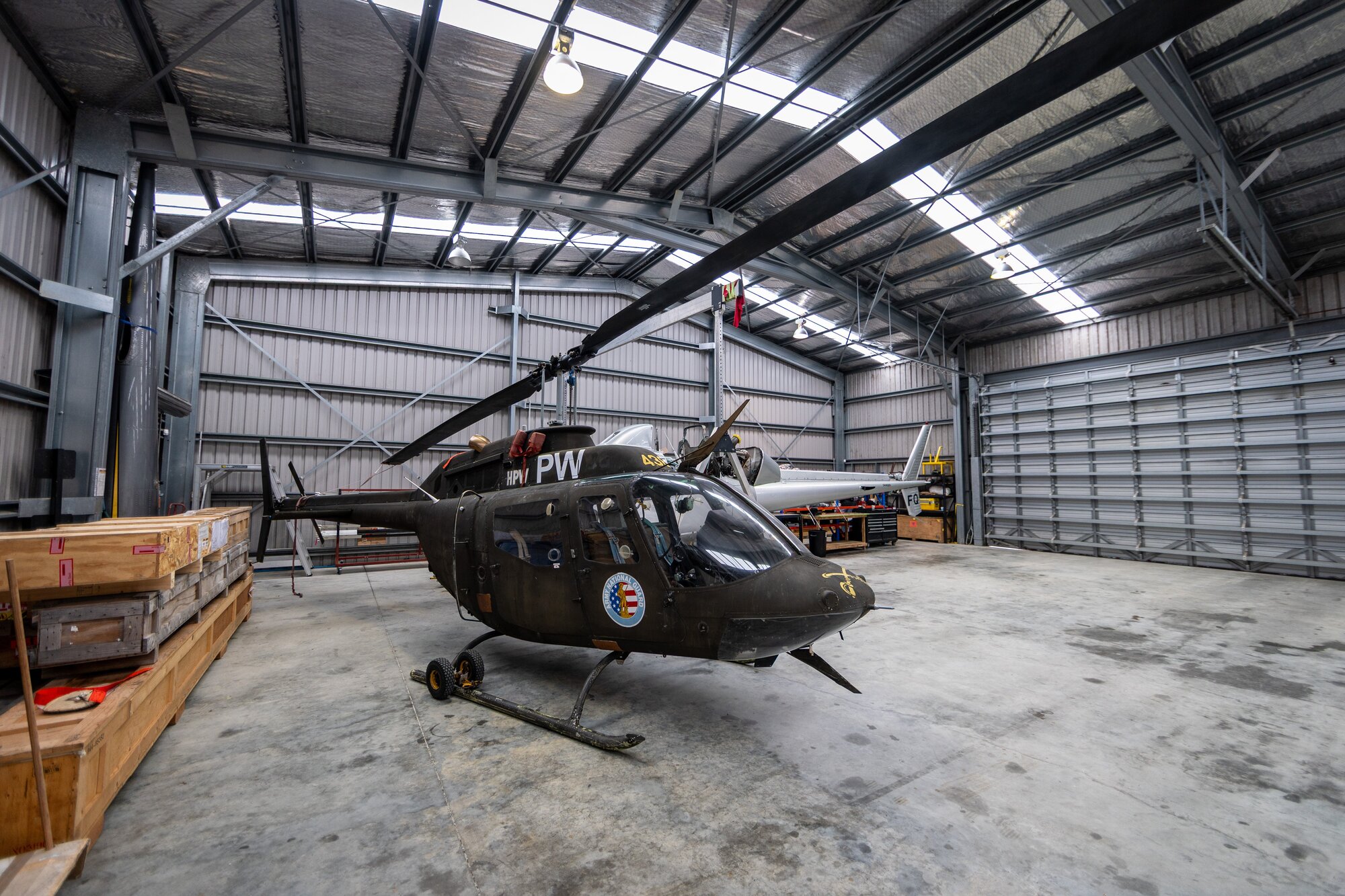
Core Aviation’s fleet includes Airbus H145 and AS355 F1 Twin Squirrel machines and the Robinson R44, the world’s best-selling general aviation helicopter.
It also has a Guimbal Cabri G2 and Bell 206 Longranger.
New Zealand in 2024 was one of the top 15 helicopter exporters. The machines are used across tourism, agriculture, and medical and emergency services.
“We’re working with Bell in getting another demonstrator here,” Jones said.
And the Kiwi firm was working with the Texas company to get the support, parts, and network for a growing fleet.
Core Aviation had also teamed up with Oz Choppers from Mudgee in New South Wales to bring the 407GXP over.
“We’re looking at pre-owned machines as well.”
Oz Choppers specialises in Bell maintenance and refurbishment.
Other Bell models include the 429, which is used as the police Eagle helicopter in Auckland.
The sector has had its challenges with Covid, supply chains, and now jet fuel and avgas prices.
But Jones said the supply chain issues affecting airlines were not so bad for general aviation.
Aviation analytics company Cirium in a report last month said the global helicopter market was showing signs of greater stability and maturity.
“Long asset lives, disciplined deliveries and an ageing global fleet are supporting stability today, while also underpinning future replacement demand,” Cirium said of the global market.
Cirium said the global civil helicopter fleet had grown at an average rate of 1.5% per year for the past decade.
Expansion since a brief 2020 slowdown was closer to 2% annually in recent years.
Geopolitical conflict and oil price mayhem renewed concerns about a potential downturn.
“However, there is currently little evidence to suggest that short‑term price movements alone will materially alter helicopter fleet dynamics," Cirium added.
The analysts expected average global fleet growth of about 1.4% per year, equating to about 7500 deliveries.
John Weekes is a business journalist covering aviation. He previously covered consumer affairs, crime, politics and courts.