The PM’s next jet? French firm Dassault makes a pitch for its Falcon 8X as Avalon Air Show draws industry to the neighbourhood
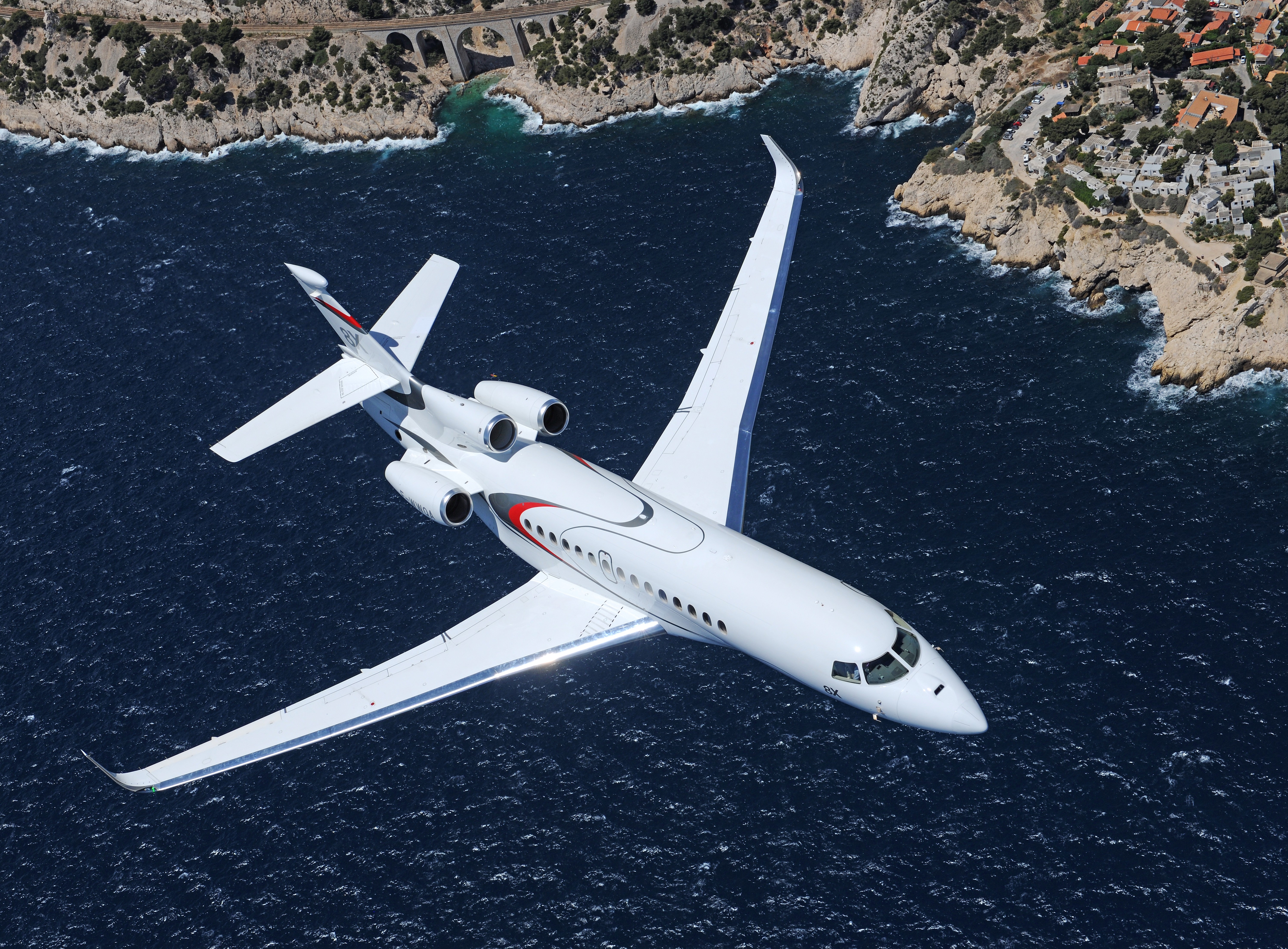
A French aerospace company is among those likely hoping Prime Minister Christopher Luxon reconsiders how he flies when on official business.
Dassault executives arrived in Australia this week for the Avalon Air Show near Melbourne, and are among hundreds of exhibitors from dozens of nations.
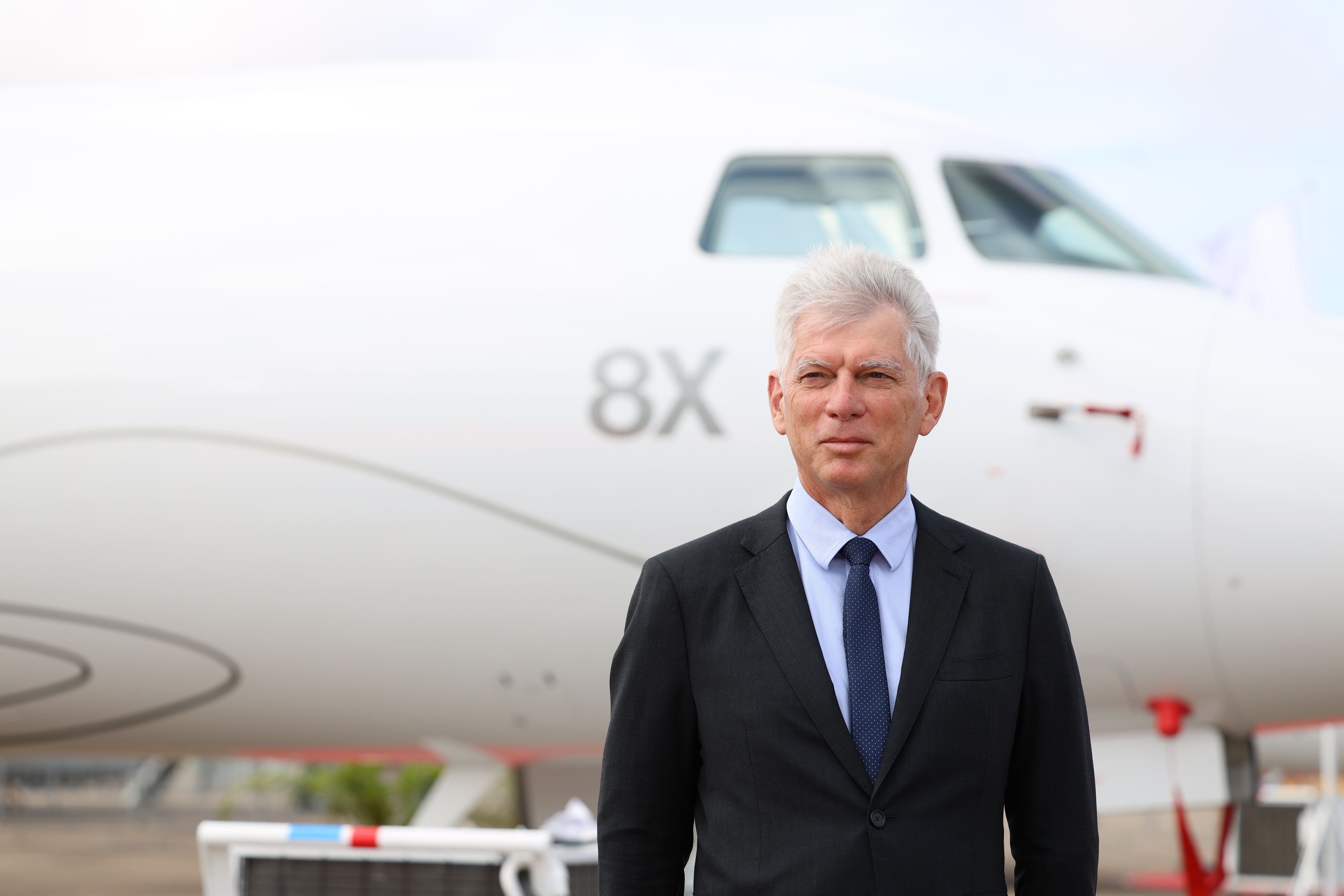
Jean-Michel Jacob, Dassault Aviation’s Asia Pacific president civil aircraft, said New Zealand was a market with big potential.
Dassault worked on civilian planes but also made combat aircraft. The Falcon range included the 7X, introduced in 2005, and the 6X, which entered service in November 2023.
“There are two types of customer. One is private owners, big corporations, and we already have a 7X flying with one big company in New Zealand,” Jacob told the Herald.
The other target market was the Government.
“We succeeded in sending recently three Falcon 7X’s to the Commonwealth of Australia.
“In Indonesia, we’ve just begun the delivery of a certain number of 8Xs to the Government. Two are already delivered, and more to come.”
The 8X is a stretched version of the Falcon 7X, with a longer cabin and longer range, capable of flying up to 11,945km non-stop.
Luxon had to book a commercial flight to Japan after a Royal New Zealand Air Force Boeing 757 with a business and cultural delegation broke down in Papua New Guinea in June on the way there.
Defence Minister Judith Collins at the time told Newstalk ZB the flight issues were embarrassing — but she also pointed out the cost of living crisis, adding: “No Prime Minister wants to spend a lot of money on something deemed as ‘nice to have’”.
Three months before the PNG breakdown, a fault with the Defence Force plane also forced the Prime Minister to fly commercially to Melbourne.
Jacob told the Herald the Falcons were “a private office in flight” and said Dassault had already won over Australian customers.
Flying magazine said the 6X grew to be bigger in cabin volume, heavier overall, and more powerful than originally intended.
Some Falcon rivals included Gulfstream and Bombardier aircraft.
Jacob said the 8X had “the ability to get access to very challenging airfields”, which was useful for a country such as New Zealand.
“You’re better having a Falcon 8X than a big airliner to do some very specific jobs.”
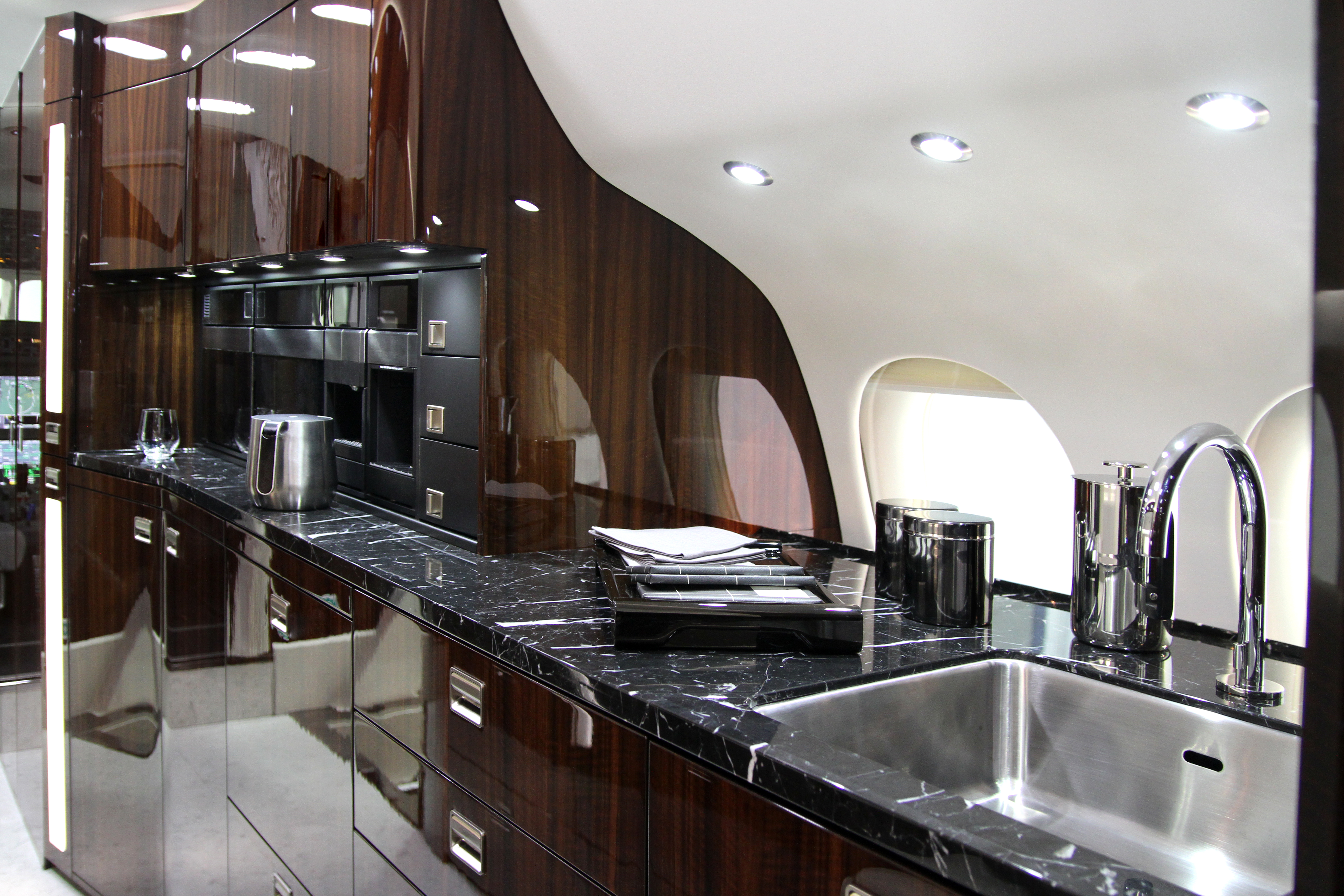
He said the Falcon was suitable for some alpine, island, and Antarctic locations.
Jacob said the list price was about US$69 million (NZ$120.4m).
Even if the Government chose not to purchase a Falcon, Jacob was confident the jets could appeal to private-sector buyers.
“New Zealand is a very specific market because of the location ... It’s not exactly in the middle of the world. So your people, they like to get an airplane that at least gets easily to Honolulu or Singapore and of course to the neighbour, Australia.”
Jacob said more people in New Zealand were buying jets with large cabins and reasonably long-range capabilities to satisfy those demands.
The 8X was generally marketed as seating 12-16 people but was certified to carry up to 19.
“I would say they are ideally suited for this type of transportation. If the Government wants to transport a lot of people ... indeed they buy a bigger airplane, but I see that in most countries whenever a head of state wants to travel and have meetings with counterparts, they mostly travel in an aircraft of that category.”
He said for a delegation of the size the Falcon could accommodate, the Dassault jet would be much more fuel-efficient than a big aircraft.
Australian Prime Ministers used the 7X, as did ministers, but used the 737-8 Boeing Business Jet (BBJ) if travelling with a large entourage.
Asked who Dassault’s major rivals were, Jacob said: “We consider them as a good opportunity for us to do better” rather than labelling them as competitors.
He said the Australian Air Force used the 7X after Dassault “had to do an incredible number of studies” to demonstrate the 7X could access more Outback airfields than, well, its competitors.
Outback airfields sometimes have no refuel options and a variety of obstacles as well as some brutally hot summertime temperatures.
Jacob said another condition had to be satisfied to win over the Australians.
“They still get access to those airplanes, to those airfields, but we could also get access to London or New York.”
Pandemic bounceback
Many aviation companies have faced challenges with supply chains since the pandemic, and Jacob said Dassault also noticed some of these disruptions early in the pandemic.
But he said the company also had a dramatic increase in orders shortly after Covid arrived as some people looked at alternatives to the then highly disrupted airline system.