Christchurch medtech start-up Zuuka seeks $2m to fund drug-infusion pump prototype

Christchurch start-up Zuuka is launching a capital raise to fund prototype development for its wearable drug-infusion pump ahead of launching into the US market.
Zuuka’s miniaturised technology, designed to be about half the size of some current patch pumps, was developed by Dr Jake Campbell (Te Rarawa) as part of a post-doctoral research team at the University of Canterbury.
The company’s product is designed to replace traditional motor-driven wearable delivery systems with a lower-power platform that reduces charging requirements, device size and operating complexity.
It is also designed to support a broad range of next-generation injectable medicines for chronic diseases and neurological conditions, alongside automated insulin delivery systems that can respond in real time to changing glucose levels.
Campbell said many of the biggest barriers to long-term treatment adherence were not medical, but practical and psychological.
“The same barriers affecting insulin pump adoption, including complexity, stigma and treatment burden, increasingly exist across a wide range of injectable therapies,” he said.
“A huge amount of effort goes into developing medicines, but treatments only work if people can realistically use them every day and manage them long-term. The most expensive medicine in the world is the one the patient never ends up taking.”
The system uses a reusable pump body with replaceable infusion components rather than fully disposable products, which Campbell said could reduce medical waste by up to 99% compared with some disposable patch-pump systems currently on the market.
He said a person diagnosed with Type 1 diabetes at a young age could potentially use and discard more than 7000 disposable pumps over their lifetime.
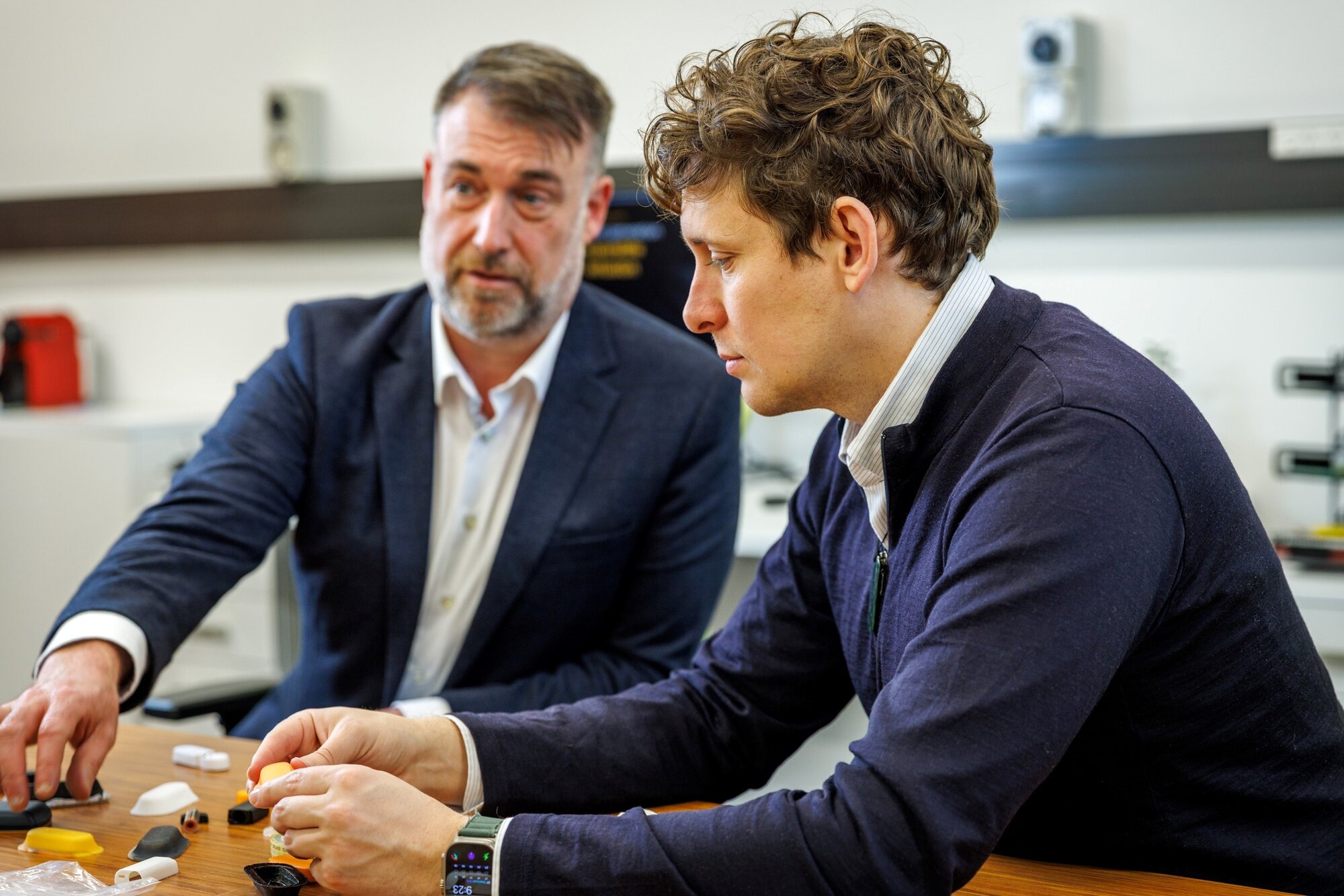
Zuuka wants to raise between $1.5-$2 million to help fund prototype development and regulatory submissions before a planned launch in the United States in 2029.
The move follows a wave of recent clearances by the United States Food and Drug Administration (FDA) which have extended automated insulin pump therapy to Type 2 diabetes.
The change is expected to bring millions of additional patients into the market for wearable insulin delivery devices.
Zuuka co-founder and chief executive Jamie Cairns said the funding round was expected to support new engineering and product development hires in Christchurch as the company moves through the phases.
“People don’t want to walk around feeling like they’re attached to medical equipment,” Cairns said.
“Existing systems can be intrusive, operationally complex and highly visible in daily life. We wanted to develop something that becomes almost invisible.”
Zuuka has already received investment from Angel Investors Marlborough, Stewart Capital Partners, Mainland Angel Investors and the University of Canterbury.
Cairns said growing competition among pharmaceutical companies is increasing demand for wearable delivery systems capable of improving treatment adherence and long-term patient retention.
He said the company’s unique housing and usability-focused design approach was developed to make wearable medical technology more accessible to a broader range of users, including people who may traditionally struggle with smaller or more complex medical devices.
The platform is intended to integrate with continuous glucose monitoring systems, smartphone apps and cloud-based clinician platforms.
Cairns said wearable healthcare technologies were increasingly being integrated into artificial intelligence-driven monitoring systems as healthcare shifts towards more proactive and remote models of care.

After launching in the New Zealand market, the company sees the United States as its primary commercial opportunity, with about two million Americans already using insulin.
Cairns said the current funding round is expected to provide a 12-18 month runway through prototype completion, user trials, app development and commencement of regulatory processes.
The company is targeting initial New Zealand regulatory approval and early local sales before pursuing full US regulatory approval and broader American market entry.
“The global insulin pump market is projected to grow from about US$8.2 billion in 2026 to more than US$22 billion by 2034, driven by rising diabetes rates and growing demand for wearable patch-based delivery systems,” Cairns added.
“Our long-term goal is to make complex injectable treatments easier for people to manage independently at home over decades of living with chronic disease.”
Tom Raynel is a multimedia business journalist for the Herald, covering small business, retail and tourism.