Poulter Family Wines buys Selaks and seven brands from Constellation Wines
A family-owned wine company has snapped up eight wine labels from US-owned Constellation Wines New Zealand, returning them to local ownership.
The conditional agreement, signed last month, means Poulter Family Wines will take over brands including Selaks, Little Harvest, The People’s Wine, Young & Co, State of Light, Wild Grace, Superstate and Tipping Point.
The deal included other assets such as Selaks’ 10,000-tonne winery, vineyard and manufacturing facility.
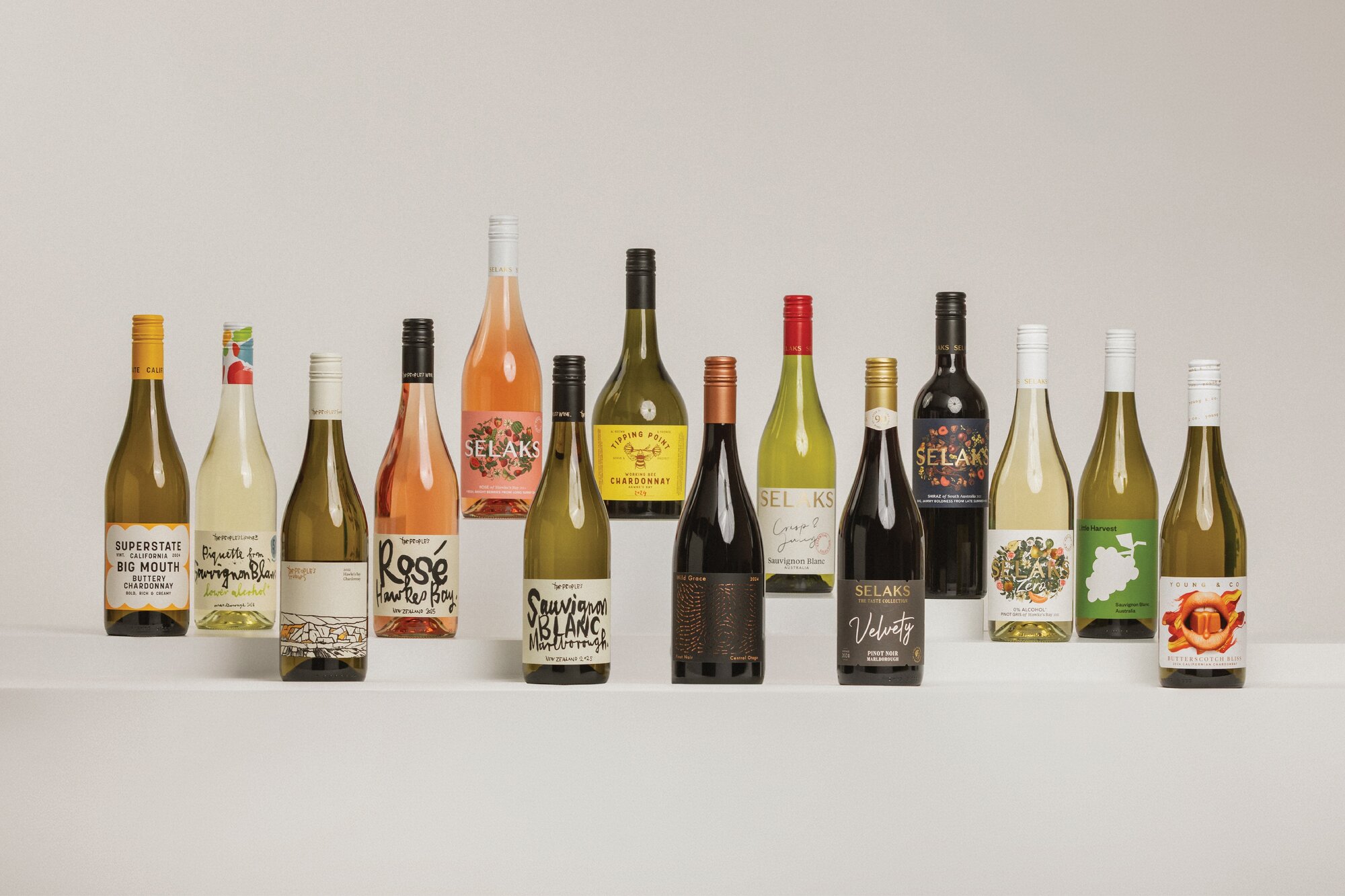
Constellation Brands New Zealand will retain its core New Zealand brands Kim Crawford and Drylands.
Poulter Family Wines head of sales and manufacturing Sam Poulter said the opportunity to add to its portfolio came at a good time.
“We’ve been looking to grow our domestic presence, and it really suits our business well. Constellation [Wines] have done an incredible job with the brands and being the caretaker of them, but we’re really excited to be bringing it back into New Zealand ownership and family ownership, which I think is even better,” Poulter said.
“For us as we move forward into this next stage, we’re just excited about honouring what they’ve built, but also developing it into something that we can be really proud of.”
Poulter is one of three siblings involved in the family business, with sister Alexis working as chief executive and brother Ben the company’s head of viticulture.
The family business was founded nearly 30 years ago by their father Steve Poulter, who alongside wife Kerina, has built Poulter Group into one of the country’s leading importers and exporters of fruit, as well as one of New Zealand’s largest family-owned winemakers.
The family now manages about 900ha of owned and leased vineyards across Hawke’s Bay and Martinborough, with Selaks one of the biggest vineyards in the Bay and led by chief winemaker Nick Picone, a multiple NZ Winemaker of the Year.
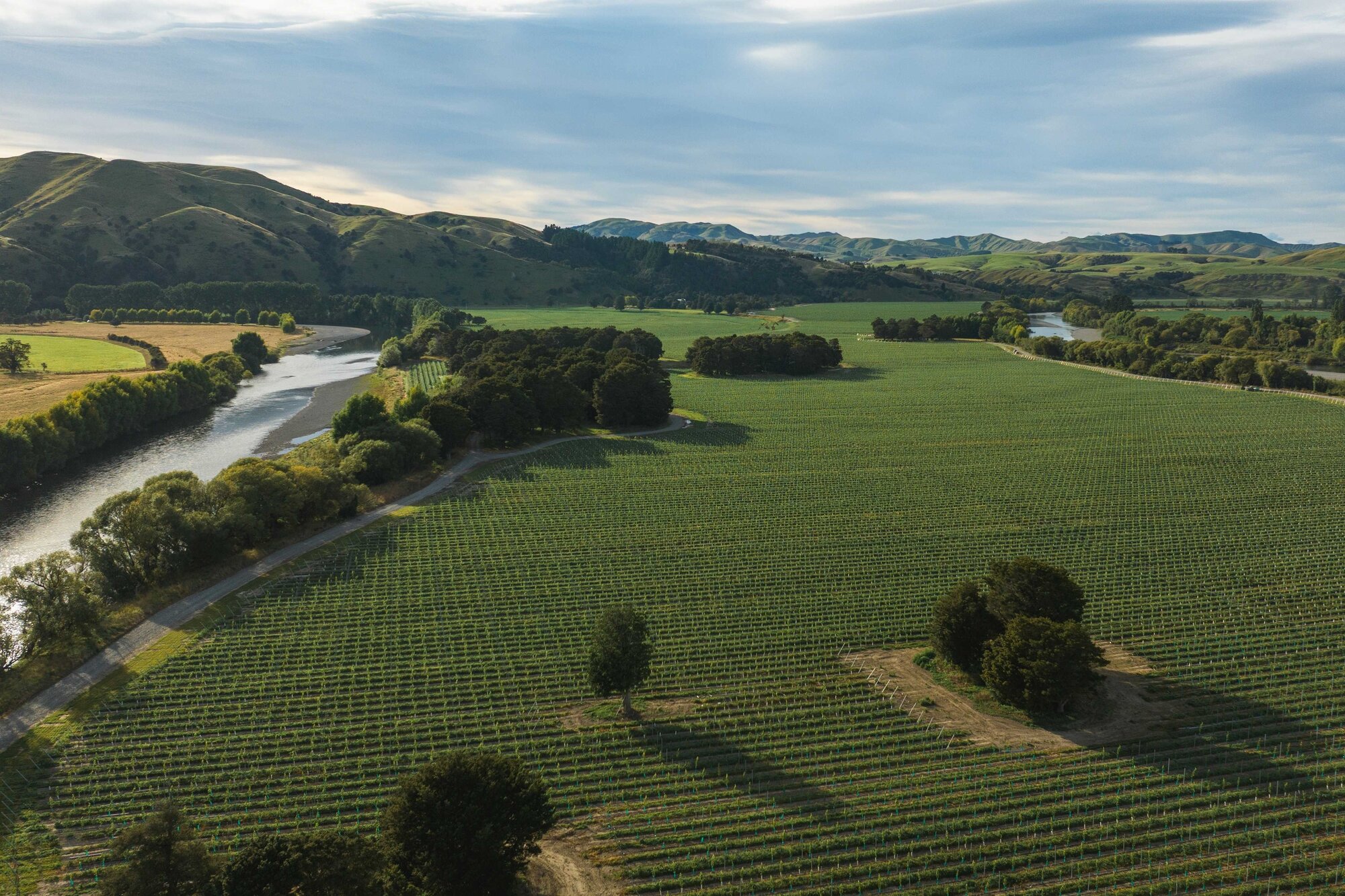
The acquisition of assets from Constellation Wines, for an undisclosed sum, takes Poulter Family Wines’ portfolio from 11 brands to 19.
It represents a significant next step for the business, but one it has been preparing for over the past year.
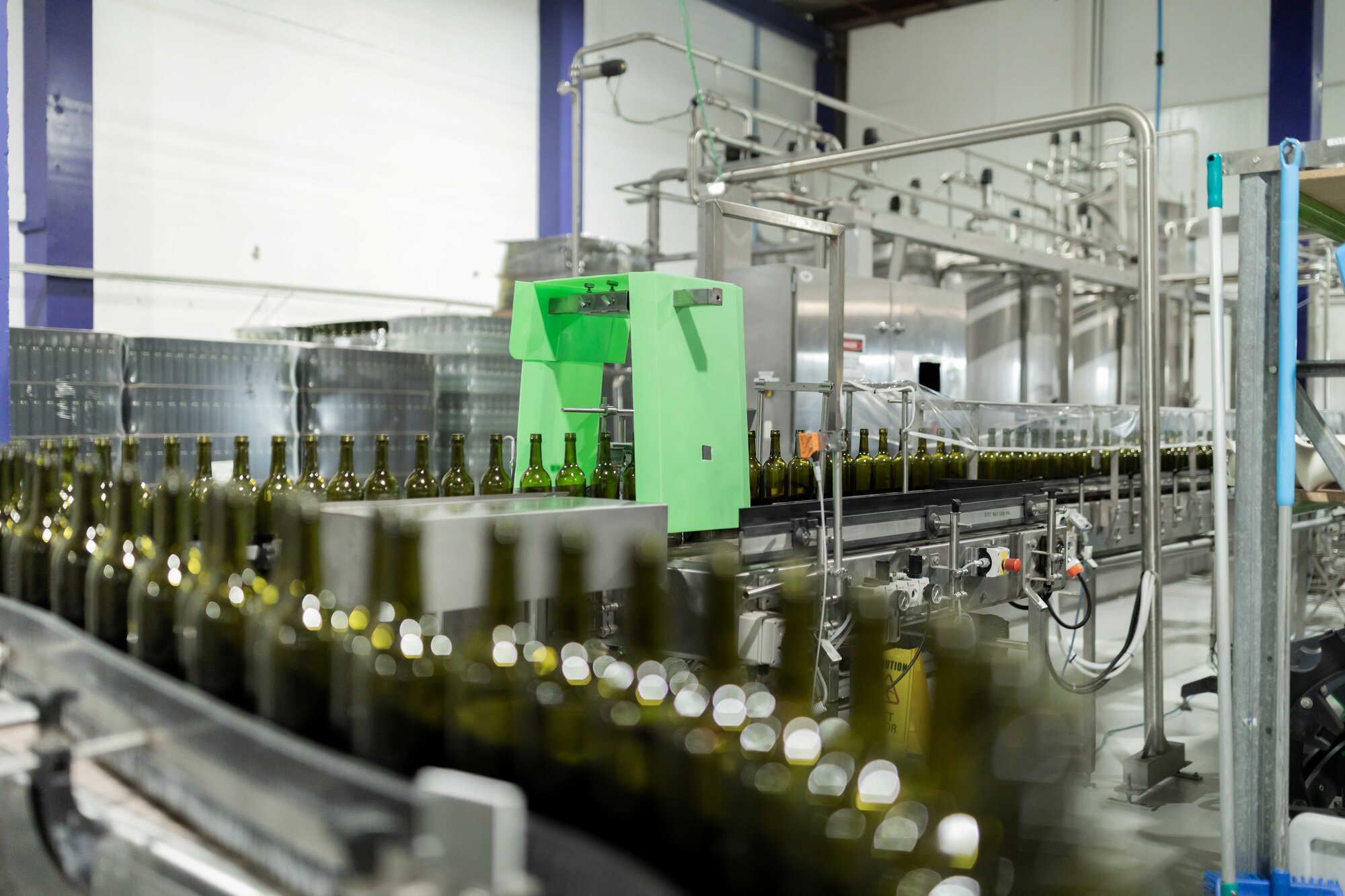
In March 2025, the business set up an in-house bottling facility in South Auckland, capable of processing up to 12,000 bottles of wine per hour or 250,000 litres of wine a week, equating to about 16 million bottles a year.
The facility is scalable, allowing Poulter to double that capacity for future growth.
The equipment, some of which was acquired from fellow industry veteran Villa Maria, took about six months to install and modify for Poulter’s specifications, including a switch away from water-based bottle cleaning to nitrogen – something Sam Poulter prided as part of the business’ sustainable credentials.
The credentials extend across the business, from the amount of glass used per bottle (an ongoing debate with its consumers), to the level of ink used for brand packaging.
The facility is managed to ensure quality is controlled throughout, and although there is a high exposure to technology and automation, Sam Poulter said it was important to ensure a human connection was always present.
He said each of the brands now owned by the business has a unique purpose within the market.
“They’re all serving a different price point, a different type of wine or a style of wine and I think that’s important for us. Each brand needs to have its own unique identity, and be focused on what that brand does well and what consumer that brand is serving.
“We think there is value to all of them in that they all serve a certain customer need. Obviously we’ll continue to work with our retail partners to fine-tune our portfolio, but the way we see it now, they’ve done a great job with every brand we’ve acquired and we’re excited to continue with every one of them.”
Poulter supplies its products to several large retailers, including Woolworths, Foodstuffs North Island and Tasman Liquor, owner of chains Liquor Centre and The Bottle-O, distributing 500 pallets of wine per week.
The business also exports worldwide, with key locations including Europe, Britain, the United States and Australia.
Southeast Asia, China and India are markets the business is targeting as growth opportunities, with Sam Poulter’s fluent knowledge of Mandarin a beneficial factor in any future relationship building.
Despite the growing opportunities for exporting overseas, the experience of the local industry has been mixed.
Wine consumption is at its lowest level in more than 20 years, while per capita wine sales are at a 30-year low.
Sam Poulter sees the situation differently, and although he acknowledged the “rough patch” the industry was in, believed it was important to remember agricultural cycles are normal.
“We are confident we will come out of the cycle and we’ll come out stronger, and I think that is part of why we’ve purchased these brands and the winery and the vineyard holdings. We want to cycle out of this downturn in a really strong position.
“We’re really confident in New Zealand wine. We’re confident in the products, and we’re confident that consumers still have a really large demand for them. The key thing is we’ve done this acquisition, so if we weren’t confident, we wouldn’t have done it.”
Tom Raynel is a multimedia business journalist for the Herald, covering small business, retail and tourism.