Govt could face pay equity funding hole of its own if Plunket, Hospice, Bupa Aged Care nurses win claims
Labour isn’t the only party faced with a funding challenge related to the country’s pay equity regime.
The Government is no longer accounting for the fact it may need to support the organisations it helps fund, should pay equity settlements lead to their costs rising.
The three pay equity claims in the works relate to people who work for organisations partially funded by the Government – Plunket, Hospice and Bupa Aged Care.
The union representing these workers is worried that if the claims succeed, the organisations might struggle to meet their higher wage bills without government support.
New Zealand Nurses Organisation chief executive Paul Goulter fears that if the organisations became cash-strapped, they may have to cut their services, or even close.
This said, he is wary the coalition Government’s decision to tighten the pay equity regime has made it harder for workers to get claims across the line.
The three organisations at the centre of existing claims have differing levels of reliance on the Government.
Plunket, for example, is a charity that gets 92% of its income from government contracts.
Whereas Bupa is a company that is part of a multinational group. The Herald understands about 60% of the revenue for its aged care business comes from the Government.
Last year, the Government decided to stop putting money aside to support organisations like these, which it is reliant on to deliver public services, should pay equity settlements send their wage bills higher.
Finance Minister Nicola Willis said the old approach of guaranteeing more funding for government-funded organisations “led to far less robust negotiations and a huge escalation in potential costs for taxpayers”.
“This Government’s view is that, in the first instance, responsibility for addressing proven, sex-based discrimination in the private sector rests with private sector employers.
“Any contribution from the Government to future non-government settlements will be managed through the Budget process.”
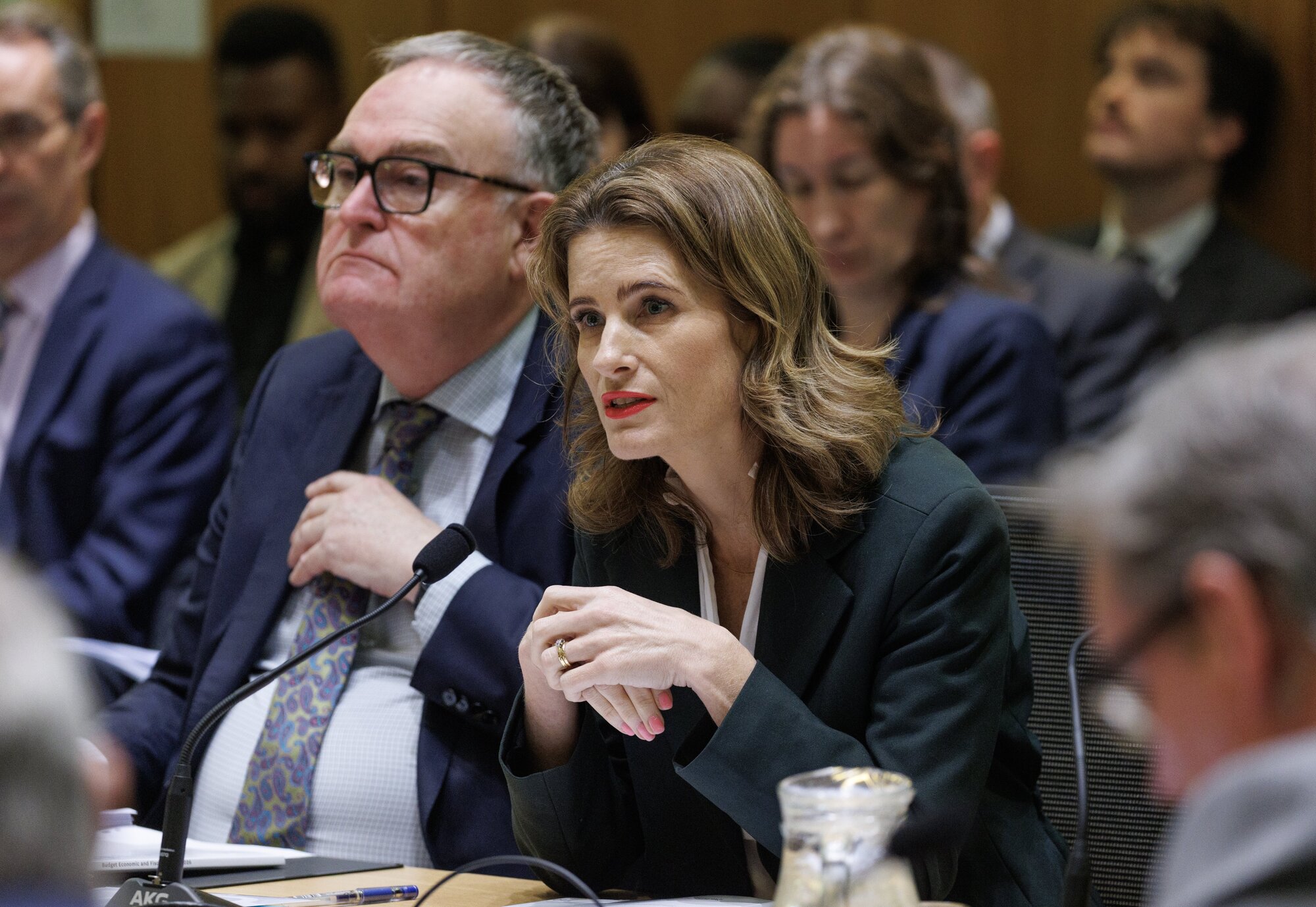
During an appearance before Parliament’s Finance and Expenditure Committee last week, Treasury secretary Iain Rennie explained requests for funding by organisations in what’s called the “funded sector” would be considered on a case-by-case basis.
Labour’s finance spokeswoman Barbara Edmonds queried the situation.
“There is actually nothing to support any future government?” she said.
“No contingency whatsoever for that funded sector pay equity claims, nothing?”
“That’s correct,” Rennie responded.
He said the potential costs of pay equity settlements related to those directly employed by the Crown had been factored into Treasury’s forecasts.
However, costs that may arise from settlements in the funded sector hadn’t been.
The early childhood education sector is another example of a funded sector with a large female workforce.
Edmonds characterised the situation as a “fiscal risk”.
“For all her [Willis’] talk about fiscal responsibility, it’s irresponsible of her not to budget for this,” Edmonds told the Herald.
Willis had been pointing the finger at Labour for not explaining how it would fund the more worker-friendly pay equity regime it is campaigning on reinstating.
This is expected to cost about an extra $2.7 billion a year.
Edmonds said Labour would have more to say on the matter once it released its fiscal plan before the election.
Treasury hasn’t disclosed how much it believes settling claims (related to direct government employees) under the existing regime could cost.
It doesn’t want to make this estimate public, as this could jeopardise the Crown’s position in negotiations.
Jenée Tibshraeny is the Herald’s Wellington business editor, based in the parliamentary press gallery. She specialises in government and Reserve Bank policymaking, economics and banking.