Media Insider: Will John Campbell help RNZ rise again?; RNZ reporter’s sweary blooper; Katie Bradford’s new role; Questions over Facebook, Google ad data
Can John Campbell supercharge an RNZ ratings revival, as they prepare for a new battle with Mike Hosking? Plus, ‘F***ing f***’ - RNZ reporter’s sweary on-air blooper; Katie Bradford returns to journalism; TVNZ announces business show host; and questions over the accuracy of Google and Facebook advertising data.
Tap, tap, tap ... is this thing on? In a little over three weeks, John Campbell will fill the seat of one of the highest-profile media jobs in New Zealand – co-host of RNZ’s flagship breakfast show Morning Report. And with it, he’ll open one of the biggest storylines of New Zealand media in 2026.
A few weeks after that – with the release of the first radio ratings of the year – we’ll know whether Morning Report has further clawed back any of the almost 200,000 listeners it lost between 2020 and 2025.
Timing-wise, Campbell’s influence on that first survey will be minimal – he starts on April 13 and will be behind the mic for only three weeks of the first 12-week survey period.
We’ll have to wait until the second survey period results, in August, before we see any proper impact.
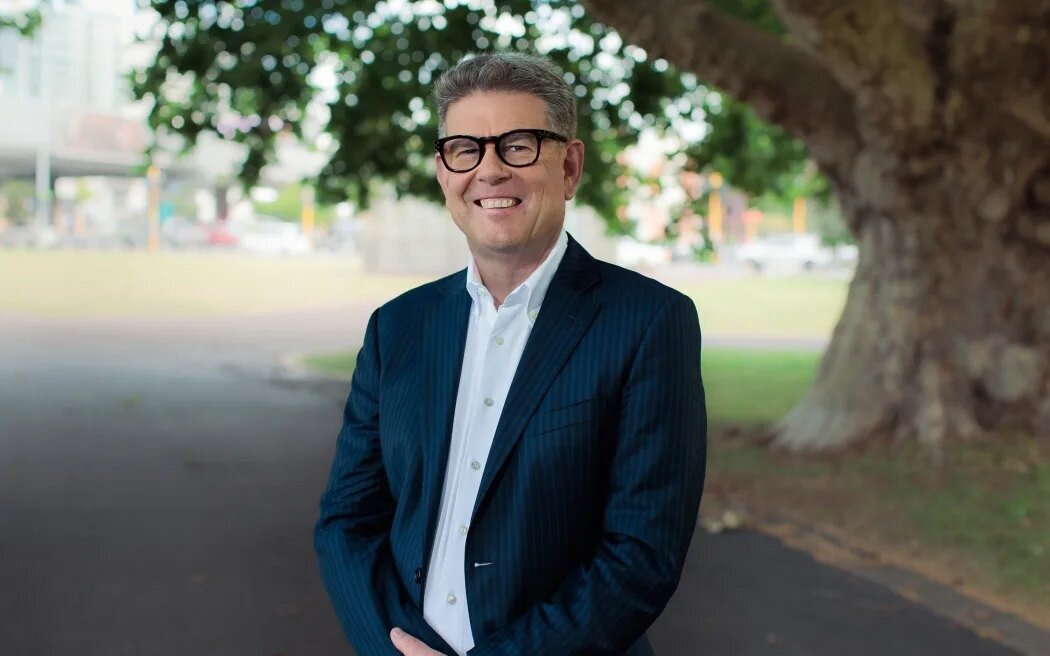
And while there was a keen battle for the role of co-host alongside Ingrid Hipkiss – Media Insider understands Lloyd Burr and Emile Donovan were two other leading candidates – there’s been an equally fascinating contest behind the scenes.
For the past nine months, the Morning Report team has been reshaped and restructured – its long-time executive editor, Martin Gibson, resigned and the overall number of roles attached to the team was reduced from around 16 to about 12, according to a document obtained by Media Insider.
That’s still a healthy number when you compare it to the four fulltime staff who work on Mike Hosking’s show on Newstalk ZB.
At Morning Report, there are now two critical roles – AM editor and PM editor, with the morning role essentially considered Gibson’s former job.
Initially, the AM editor position was filled by Denise Garland, a long-time RNZ staff member and Gibson’s deputy. She resigned several months ago and now has a communications job at Retail NZ.
There has been a lot of internal interest in who might fill the role, and one source felt that this had sometimes spilt over into day-to-day working relationships. “The editor squabbles were pretty hostile right up until the end of last year.”
RNZ said yesterday it would not be discussing individual staff or roles, but it is understood that senior producer Annabel Bania is a front-runner to fill the AM role.
The role reports to the executive editor of news programmes, Sarah de Croy, a former Newshub and NZME news leader. De Croy herself is relatively new to RNZ – she started in her position a few months ago, following the elevation of Pip Keane to the new RNZ executive position of chief audio officer.
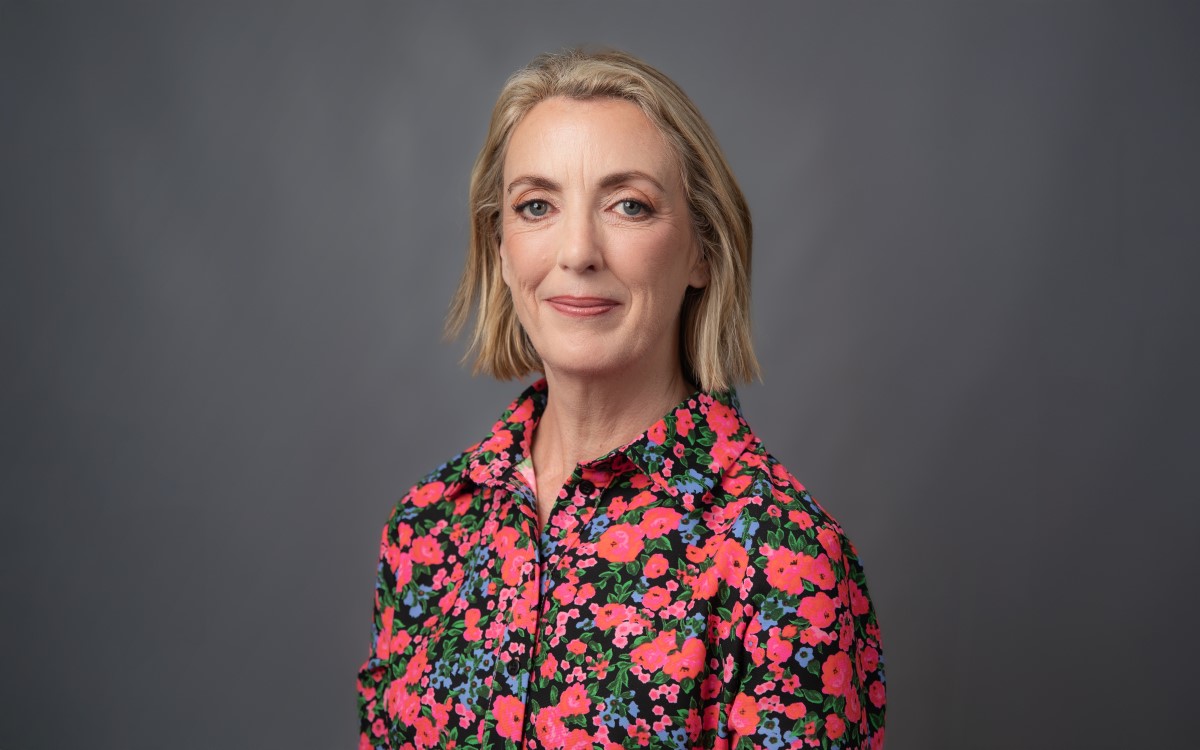
Keane has played a pivotal role in luring Campbell from TVNZ. The pair worked as a tight unit on TV3’s Campbell Live and, later, RNZ’s Checkpoint.
The big question is whether the return to RNZ of one of New Zealand’s best-known and experienced broadcasters will lead to any substantial change to the ratings of its flagship show – and the impact, if any, on its commercial rival Newstalk ZB.
An RNZ spokeswoman said its “extremely talented” staff would be making a “much-loved” and “respected” show “even better”. “We urge listeners, especially if you have preconceptions about the programme, to judge that for themselves.”
Both breakfast shows should benefit from what has already been a supercharged news year – the Iran conflict is already causing economic upheaval, and the New Zealand election campaign has essentially started. In theory, there should be a lot of potential new listeners switching on for these issues.
Then it’s a question of whether Hosking or Campbell can steal existing audience from each other – unlikely, in the view of experienced radio industry insiders.
Both shows have loyal, bolted-on listeners; many of the existing Morning Report audience will undoubtedly adore Campbell; equally, few Hosking fans are likely to cross over.
Regular listeners will broadly know the politics of the two hosts - Hosking regularly reinforces the point on his show that he’s a broadcaster, not a journalist.
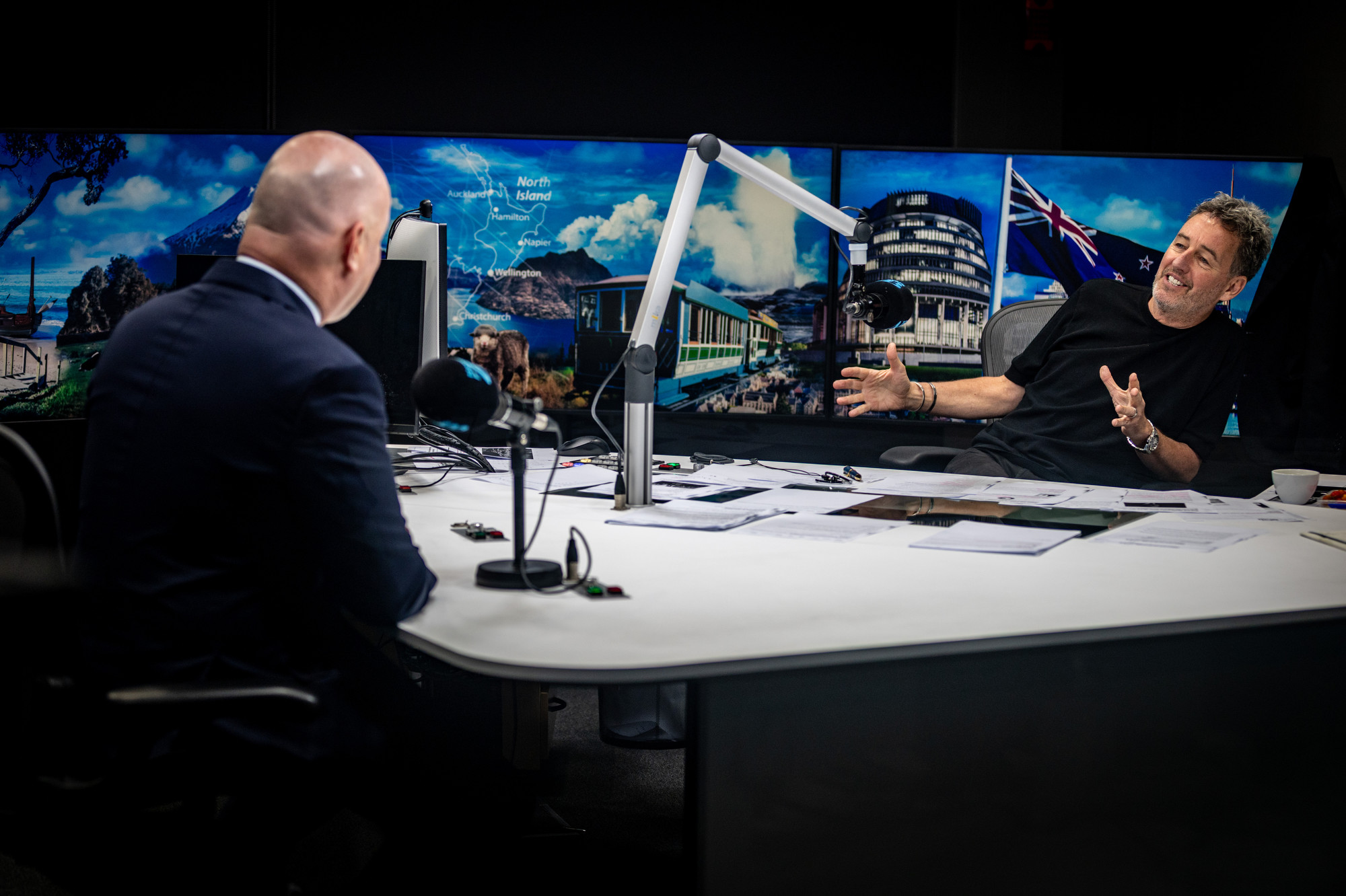
Campbell, on the other hand, may have to be a little more circumspect with his approach, given the nature and expectations of filling a pivotal role on the public broadcaster.
It will be interesting to see, for example, if he changes his social media approach in any way – in recent weeks, he’s been retweeting up a storm, many of them posts that are critical of Israel, media coverage of Gaza and Donald Trump’s Iran efforts.
“John Campbell is not currently employed by RNZ,” a spokeswoman said, when asked about the retweets. “When he commences employment at RNZ, like any employee, he will be subject to RNZ’s social media policy, which is a public document.”
That policy states that everyone who works at RNZ must ensure their actions online do not compromise its reputation or integrity.
“As an independent public media organisation, RNZ strives to set the highest standards of impartiality, independence and civility in debate, whether in person or online,” it says.
“News, current affairs and content creators, factual journalism production, those with an audience-facing role or acting in such a role, have a particular responsibility to ensure their use of social media does not compromise the perception of or undermine the impartiality, independence and/or reputation of RNZ.”
Among “dos and don’ts”, it lists several points, including “Do not offer your view on any matter of political debate, or any other matter provoking heightened debate or controversy”.
The battle for Auckland
RNZ has identified that it needs to rebuild its Auckland live-listening audience across the board. The public broadcaster has a total of 132,700 Auckland listeners, according to the most recent radio survey, compared with 222,700 for Newstalk ZB.
The Auckland focus was a key point in a report from consultant and former RNZ news boss Richard Sutherland last year, and it was reinforced internally as the Morning Report team was restructured nine months ago.
“The proposal sets out changes aimed at adapting the team to build more resilience for the programme and enables us to tap more readily into Auckland’s live-listening audience and their stories,” chief news officer Mark Stevens told staff in a document in July.
“Sustaining and growing RNZ’s live listening audience – one of RNZ’s strategic goals – has been an ongoing focus over the past six months, and this proposal forms part of that overall project.”
The proposal outlined plans for more “deliberate resourcing” in Auckland and “increasing the focus on stories most relevant to Aucklanders”.
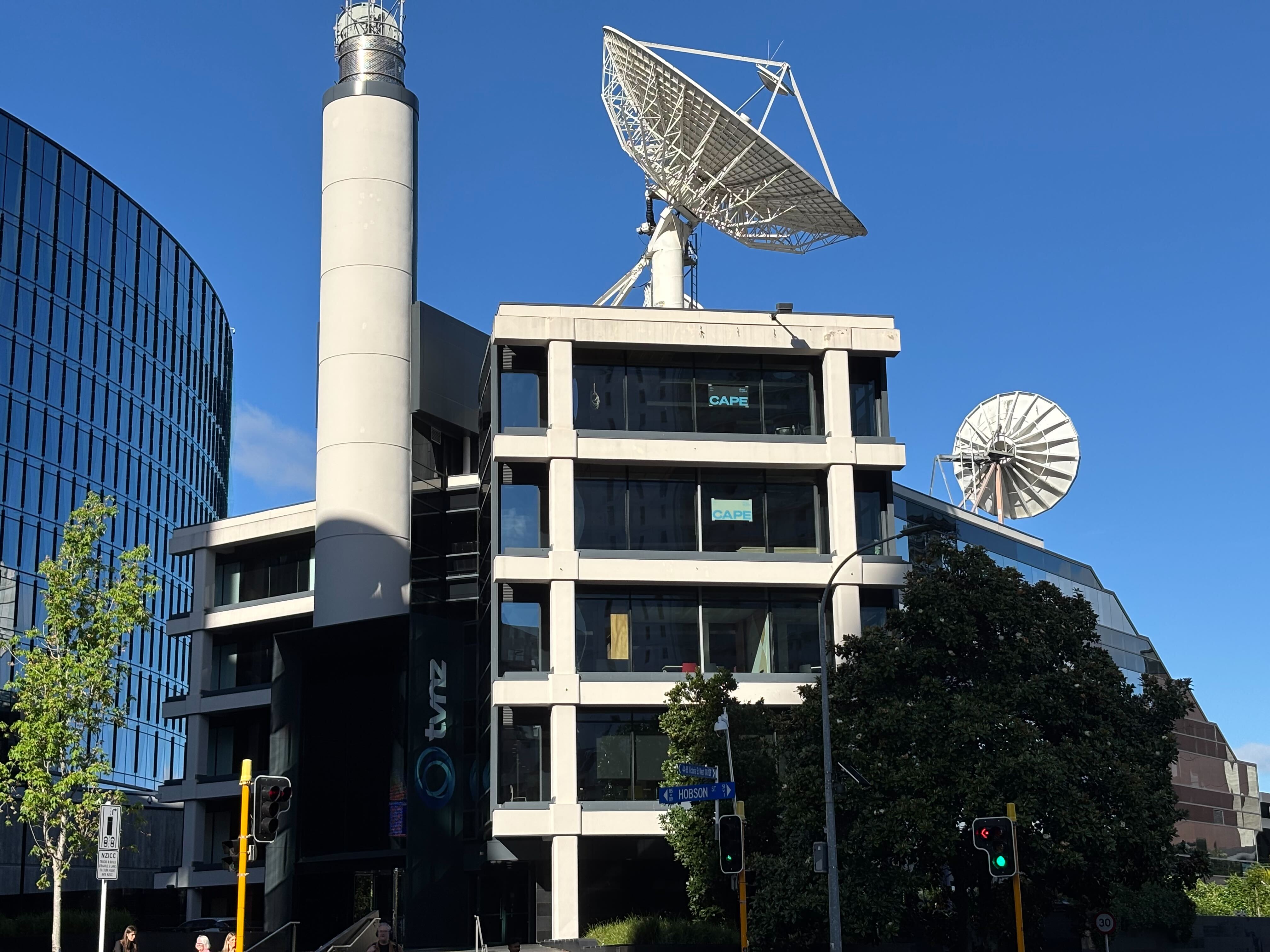
RNZ’s Auckland staff will soon be sitting, literally, inside the TVNZ empire, in revamped office space and studios. RNZ will occupy levels six and seven of the TVNZ building in Victoria St, affording staff decent views of the city crucial to their ratings rebuild.
The RNZ move – expected to be completed by mid-year at a cost of around $11 million – will also give the two state broadcasters an opportunity to work more closely together.
But for Campbell and the Morning Report team, their focus will be on the critical 6am-9am window, and a renewed battle with Hosking, operating from his Newstalk ZB studio just a little way down the block.
“We expect Morning Report to continue to help drive growth in 2026 as we focus on achieving a total audience of more than 520,000 for RNZ National by November 2027,” a spokeswoman said.
‘Homecoming’: Katie Bradford returns to journalism
Former TVNZ reporter Katie Bradford is returning to journalism, joining the NZ Herald after a year in the corporate world.
Bradford would start as a senior correspondent in the Herald’s Auckland newsroom in April, NZME editor in chief Murray Kirkness told staff last night.
He called it “great news to share”.
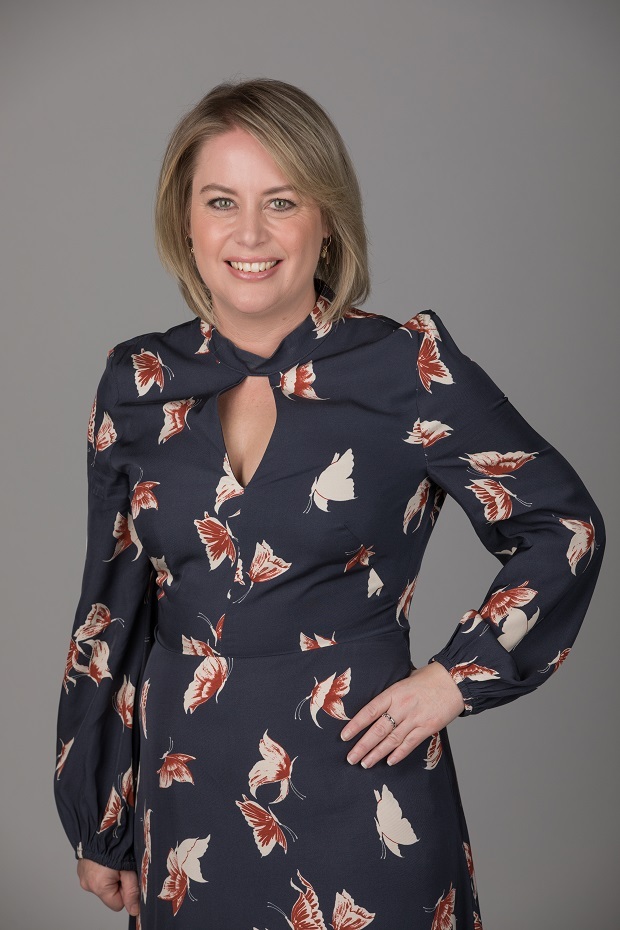
“Many of you will know Katie, and I’m sure everyone will be familiar with her terrific work as business correspondent and political reporter at TVNZ. She’s most recently been strategy and engagement manager at Infrastructure New Zealand.
“Katie is one of New Zealand’s finest journalists, and I’m so pleased she’s agreed to join us in her new role, producing multi-media content for all our platforms across a range of topics including business, politics and Auckland issues.”
Bradford told Media Insider she felt the move to NZME was “a bit of a homecoming” - she previously worked for more than three years at Newstalk ZB as a political reporter in the Wellington press gallery.
She said she was excited about a return to journalism and the chance to break big, important stories.
“It’s been a privilege to work with the Infrastructure New Zealand team, who do incredible work to boost the sector and try to fix the country’s infrastructure problem.
“I’ve learnt a lot, and it’s been a great experience. But journalism is in my blood, and this is an opportunity any journalist with a pointy-headed passion for politics, business and Auckland issues would jump at. It’s really my dream role.”
Bradford’s arrival will help boost the Herald’s Auckland newsroom, particularly following the retirements of Super City reporter Bernard Orsman and columnist Simon Wilson.
‘F***ing f***’ - RNZ reporter’s sweary blooper
RNZ has apologised “profusely” after a frustrated reporter’s sweary outburst - “f***ing f***” - made it to air.
The reporter was voicing a story during the Pacific Waves segment on RNZ’s Nights show on Wednesday evening, when his recorded track was suddenly interrupted by the two expletives.
“Three days later, Tokona had an interview ... f**ing f*** ... three days later, Tokona had an email,” said the reporter, correcting himself.
He was voicing a story about local media’s controversial references to lesbianism in Vanuatu football.
Soon afterwards, Nights host Emile Donovan explained the error and apologised on behalf of RNZ.
“You may have heard something in tonight’s edition of Pacific Waves that, well, probably wasn’t intended for as wide an audience [that] heard it in the end.
“The way things work when you’re reporting [and] doing a package for a show like Pacific Waves is you go and do your interviews, you talk to your people, and you acquire your information.
“For a piece like what we heard, you’ll write a script for yourself, and then you’ll go into a voice booth, and you’ll record your lines.
“Sometimes, you record your lines, and you’re just like a superstar. You cut through those lines like a hot knife through butter, and you’re on cloud nine.
“You’re sailing through, you’re flying through the air, everything’s working smoothly. You’re the greatest journalist who lived.”
On other occasions, he said, the read could be “just hard”.
“You mix up your words and then you get frustrated and you say some things in the heat of that frustration that are understandable in a frustrated moment.
“Normally, you edit them out. But unfortunately, there’s clearly some kind of editing mishap tonight, and they were left in.
“So I do apologise. I do apologise if you heard those lines. They were not intended to be in there and we will endeavour to not broadcast words of that nature again in the near future or in the distant future.”
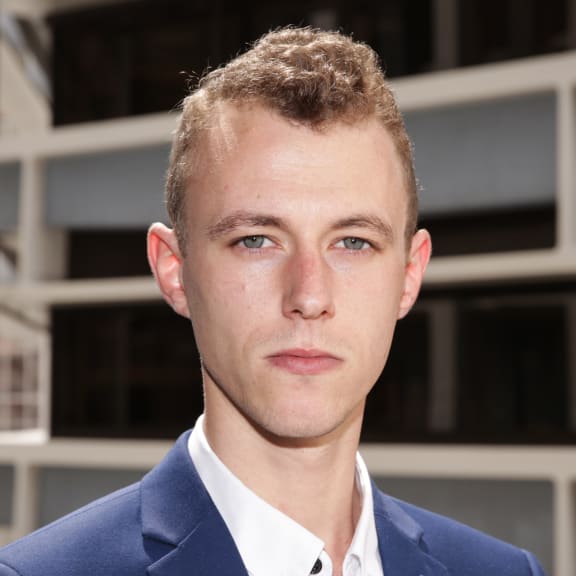
An RNZ spokeswoman said: “A reporter voicing his story for Pacific Waves made a mistake voicing his script and got frustrated and swore.
“He revoiced the lines but unfortunately in the editing process the wrong version was used and went to air. We will be following up with the reporter.
“Nights host Emile Donovan apologised profusely for the editing mishap straight after our 10pm news. The on-air version was immediately re-edited and the corrected version is on RNZ’s website.”
Business time
Back to breakfast time. Aside from John Campbell’s arrival at RNZ, there’s another big battle brewing in the morning – on our screens.
Tova O’Brien starts as the new TVNZ Breakfast co-host in 10 days, alongside Chris Chang.
TVNZ has also announced the new host of its morning business show. Senior reporter and former Europe correspondent Mei Heron will host Business Breakfast – a half-hour lead-in show that will start each day at 6am.

The launch of Business Breakfast follows the launch this week of Herald NOW Business, hosted by Garth Bray. That’s also a half-hour show, starting at 6.30am, and leading into the Ryan Bridge TODAY show between 7am-9am.
TVNZ executive editor – news Phil O’Sullivan said Heron brought a depth of journalism experience that was crucial for the role.
“From reporting on world-shaping events like the war in Ukraine to flagship local bulletins and drivetime radio, Mei excels in the live broadcast environment. We’re delighted to have her lead this new programme.”
SFO on Alex Breingan
The Serious Fraud Office (SFO) has declined a Media Insider request for more details of the 33 charges it has laid against TV producer Alex Breingan.
All it will reveal – for now – is that 20 charges relate to allegedly “using a forged document”, the other 13 charges are of allegedly “obtaining by deception”.
Previously, the SFO revealed the charges related to $14.5 million of public and private funds.
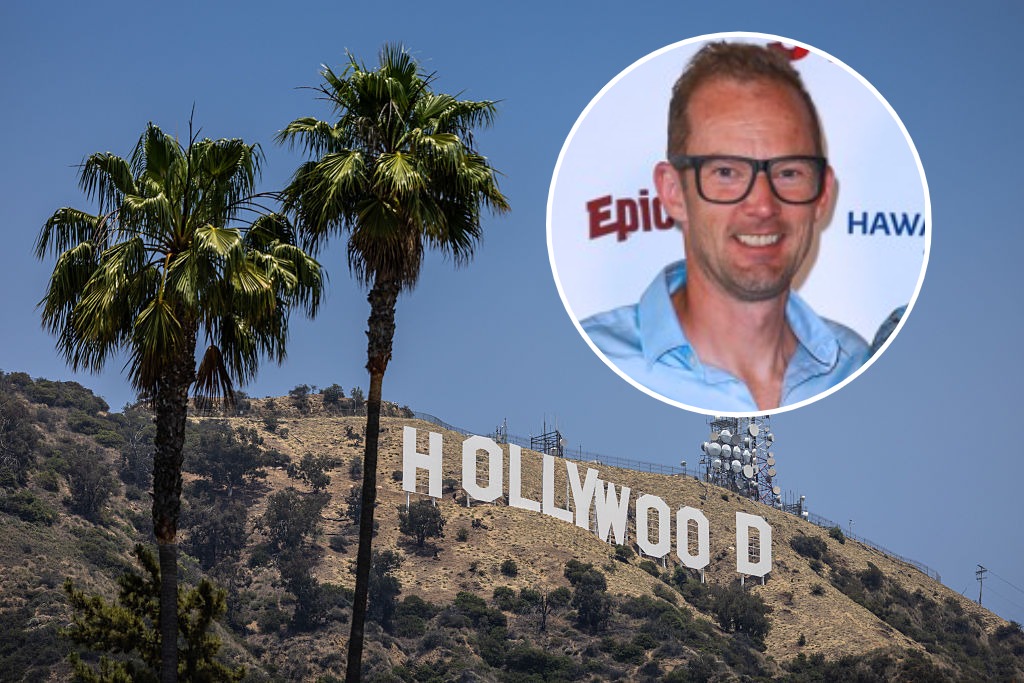
“The alleged offending relates to the financing of 13 television programmes that were produced, or proposed to be produced, by Mr Breingan through his Stripe Studios companies.”
Breingan was the head of the now-collapsed Stripe Studios. He now lives in Los Angeles and, in a brief message, has said that he denies the charges.
In a letter to Media Insider this week, the SFO said it would not be releasing more details of its case at this stage.
“Given that Mr Breingan has not yet had his first court appearance, or instructed defence counsel, our view is that release of the charging documents in full (before having been dealt with in open court) would not be appropriate and may prejudice fair trial rights.
“These documents contain specific allegations and particulars against Mr Breingan which, given the very early stage of proceedings, are unproven and are currently subject to the court’s adjudicative process.”
A date for a first appearance has yet to be set.
The state of the advertising market

Questions are being raised about the accuracy of Google, Facebook and TikTok advertising revenue data in New Zealand.
While it comes as no surprise that the global tech giants dominate the digital advertising market, are we receiving a full and accurate picture? Is it as high as it’s made out?
The Interactive Advertising Bureau (IAB), through the Advertising Standards Authority (ASA), has released its annual New Zealand digital advertising data, proclaiming a 12% increase in overall revenue, from $2.65b in 2024 to $2.97b in 2025.
But as one media industry source told me, that data is largely estimated and, in their opinion, is “pseudo-science”.
The IAB, on the other hand, has defended the numbers, saying they use a third-party provider to help analyse the estimates. It says the data correlates with overseas estimates.
Alongside that, we’ve also received the real and confirmed annual advertising data for television, newspapers, radio, outdoor, magazines and cinema – with radio a standout performer.
Traditional television advertising in New Zealand fell from $392 million in 2024 to $338m in 2025, according to the numbers released through the ASA. TV digital advertising rose from $97m to $106m in the same period. That total of $444m in 2025 represented 10.8% of the total advertising revenue market, down from 12.8% the previous year.
Newspapers’ total revenue (traditional print and digital) fell from $274m to $264m and now represents 6.4% of the total advertising market.
Radio is proving to be not just the “cockroach” of the media industry once again, but a cockroach with babies – radio’s revenue increased from $272m to $283m, representing 6.9% of the market.
Magazines’ advertising revenue was also up – from $112m to $126m (3.1% of the market).
Digital, meanwhile, soared – from $2.65 billion in 2024 to $2.97b in 2025, now at 72.1% of the market.
But those digital numbers are estimates only - Google, Meta and TikTok do not disclose their revenues.
One of the dangers, as other platforms and media players see it, is that it becomes a self-fulfilling prophecy. A young media buyer in an ad agency sees the Meta/Google numbers, and automatically thinks that’s the way to go.
“There’s a real imbalance in how revenue is reported across the media landscape,” Think TV communications general manager Jacqueline Freeman said.
“Local media companies report openly and accountably, while other parts of the market are still represented through estimated figures rather than actuals. That means we’re not looking at a complete picture of where investment is truly going.
“It matters because local media are the ones investing here, employing New Zealanders and contributing directly back into our economy.”
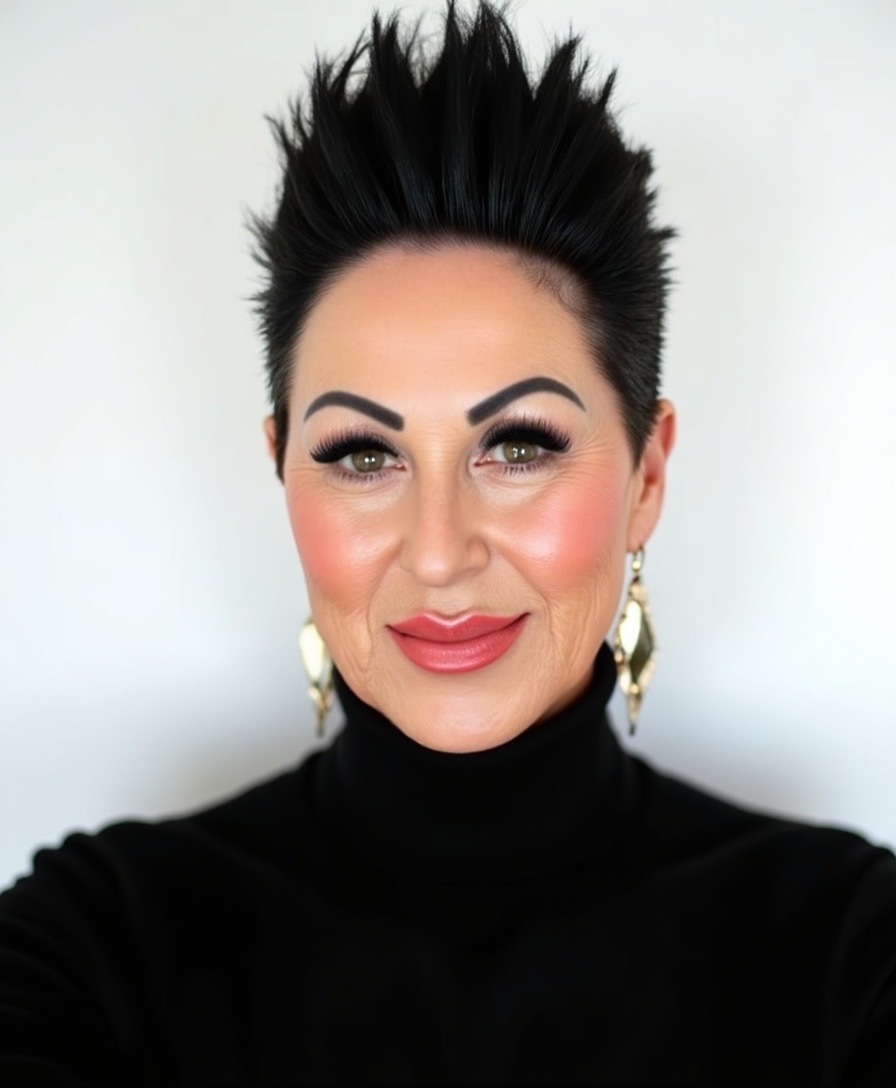
The chief executive of the out-of-home advertising industry body agrees, and says the growth in the overall market brings a complex reality.
“A significant share of that [advertising] investment is flowing to global platforms, with much of that revenue ultimately leaving the country,” said Oohmaa chief executive Kath Mitchell.
“That’s not necessarily a reflection of poor decision-making. It reflects how the market has evolved. But it does raise an important question about the broader impact of where those dollars end up.
“This isn’t about whether a business is local or global. We’re not anti-global. We’re pro-contribution. It’s about how companies show up in New Zealand. Many global businesses invest meaningfully here. They employ people, pay tax, build infrastructure and contribute to the wider economy. That’s the benchmark.”
Mitchell said advertising investment didn’t just drive brand outcomes. “It shapes the economy around us. It supports jobs, infrastructure, communities and long-term industry sustainability in ways that extend well beyond campaign performance.
“This is where the industry has an opportunity to take a more balanced view.
“Digital will, and should, remain a critical part of the mix. But as these numbers grow, we need to ask three questions.
“Are the numbers accurate, and how are they gathered? Are we striking the right balance in our media investment? And are we doing enough to ensure more of that investment contributes back into the New Zealand economy?
“The next phase of growth isn’t just about where we spend. It’s about what that spend supports and are those spend figures accurate?”
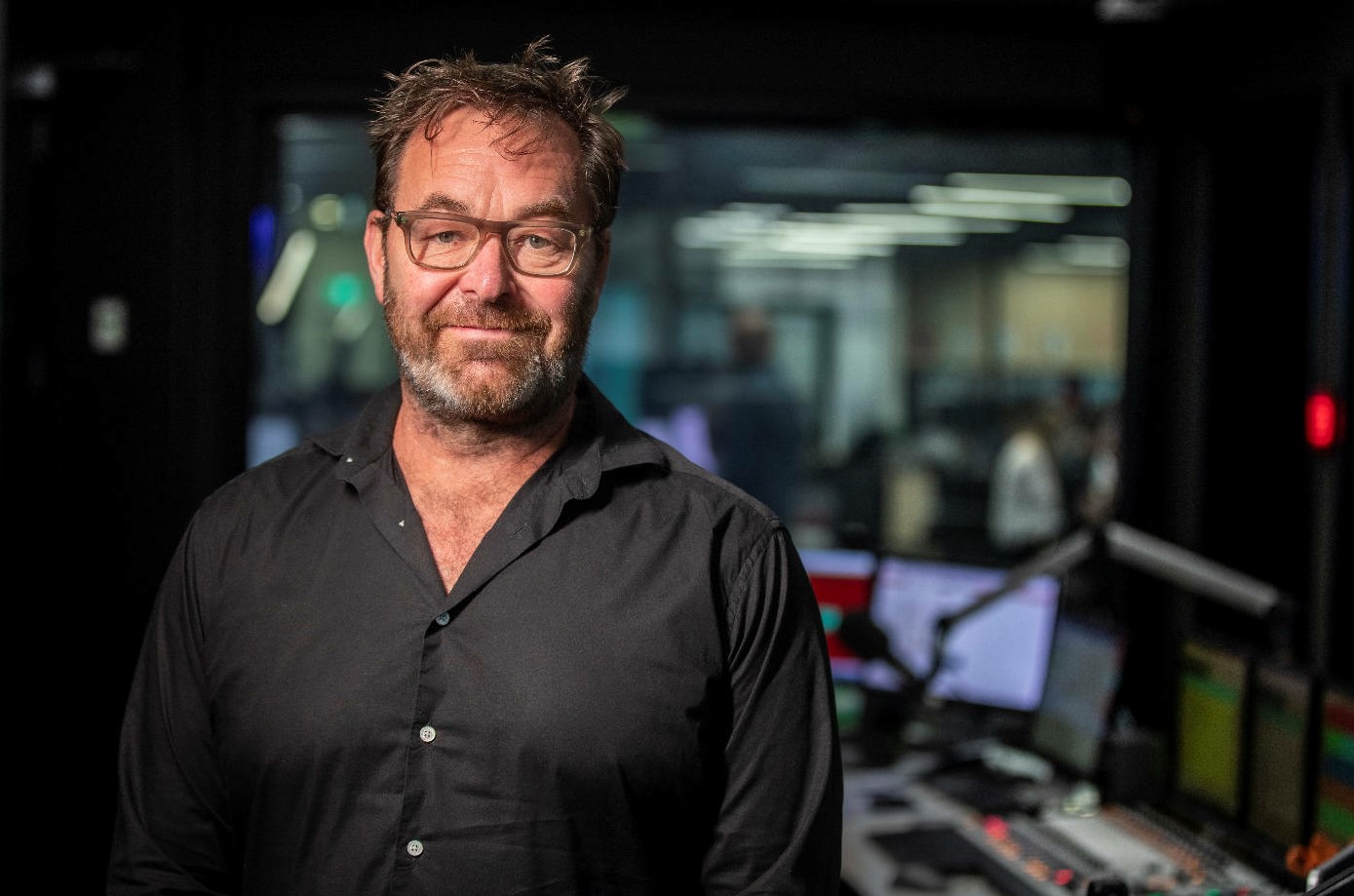
The digital numbers also raised some eyebrows at The Radio Bureau (TRB).
“For me, this is about comparative measurement and ensuring we are comparing apples with apples and that people looking at the data take the time to understand the methodology,” said The Radio Bureau chief executive Al Jamison.
“For the bulk of reporting, this is based on member organisations collating actual revenue and sharing to ASA.
“The digi number is largely based on estimates without total transparency on how they are derived. I’m not saying the number is wrong per se, but I do think it’s a bit of a head scratcher that we saw, driven by digital spend, the highest-ever increase in reported ad spend (Covid aside) at both a $ and % level. This in a year where I think most would agree the economy was at best challenged.”
He believed it was important to probe the data.
“The data saying 72% of spend is now on digital becomes self-fulfilling, and in that context, I think it’s important advertisers stop and sense check the data.”
The IAB responds
The IAB confirmed that Meta, Google and TikTok did not disclose revenues based on geography or product line – social media and search digital advertising revenue had historically been estimated in its revenue reports.
“IAB New Zealand develops estimates for this revenue using an independent third-party through an analysis of company earnings reports, estimates from research firms, reported data from major advertising publishers and other sources,” chief executive Angelina Farry said.
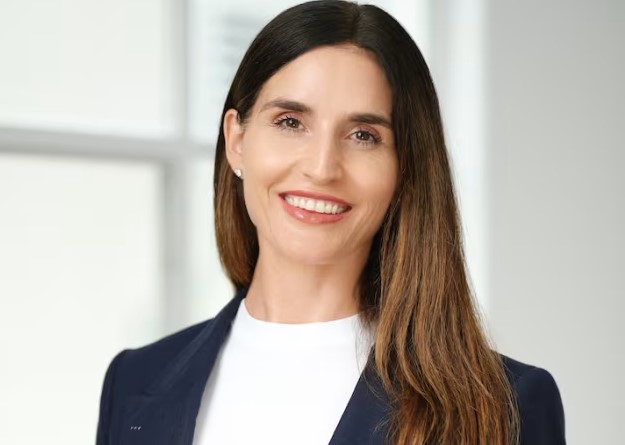
“These are estimates only and apply only to Google, Meta and TikTok. IAB New Zealand does not report on LinkedIn, Pinterest, Snapchat, Spotify or X.”
“New Zealand’s 12% growth is consistent with comparable, more mature markets globally,” she said.
IAB UK’s full-year 2025 Digital Adspend Report, released this month, confirmed the UK market grew 10% year on year to reach £40.5b, she said. IAB Australia’s Internet Advertising Revenue Report, also released this month, confirmed the Australian market grew 11.5% year on year to reach A$18.4b.
“Across all three markets, video was the standout growth format, and commentary from both IAB UK and IAB Australia highlighted the resilience of digital advertising investment against a backdrop of economic uncertainty,” Farry said.
Radio/outdoor rises
Kath Mitchell of Oohmaa says the data shows how quickly the New Zealand advertising market is changing.
“The latest ASA figures show encouraging momentum in the advertising industry, and wonderful to see growth in channels like out-of-home, with the sector growing 9.91% year on year,” she said.
“It continues to prove its value as a high-impact, real-world broadcast medium that connects with audiences at scale.
“At the same time, the data highlights how quickly Aotearoa New Zealand’s media landscape is evolving.”
Jamison, meanwhile, said there were a range of factors behind the rise in revenue for radio.
“In the first instance, driven by great content, is the stability and predictability of linear audience is increasingly recognised. That combined with the growing reach and time spent of podcast and streaming audiences, means we can deliver a scaled audience.”
He said radio was also flexible, with a strong speed to market and it was cost-effective and easy to transact.
Editor-at-Large Shayne Currie is one of New Zealand’s most experienced senior journalists and media leaders. He has held executive and senior editorial roles at NZME including Managing Editor, NZ Herald Editor and Herald on Sunday Editor and has a small shareholding in NZME.