Budget 2026: RNZ and NZ on Air funding cut, boost for domestic screen production rebate and Māori broadcasting – Media Insider
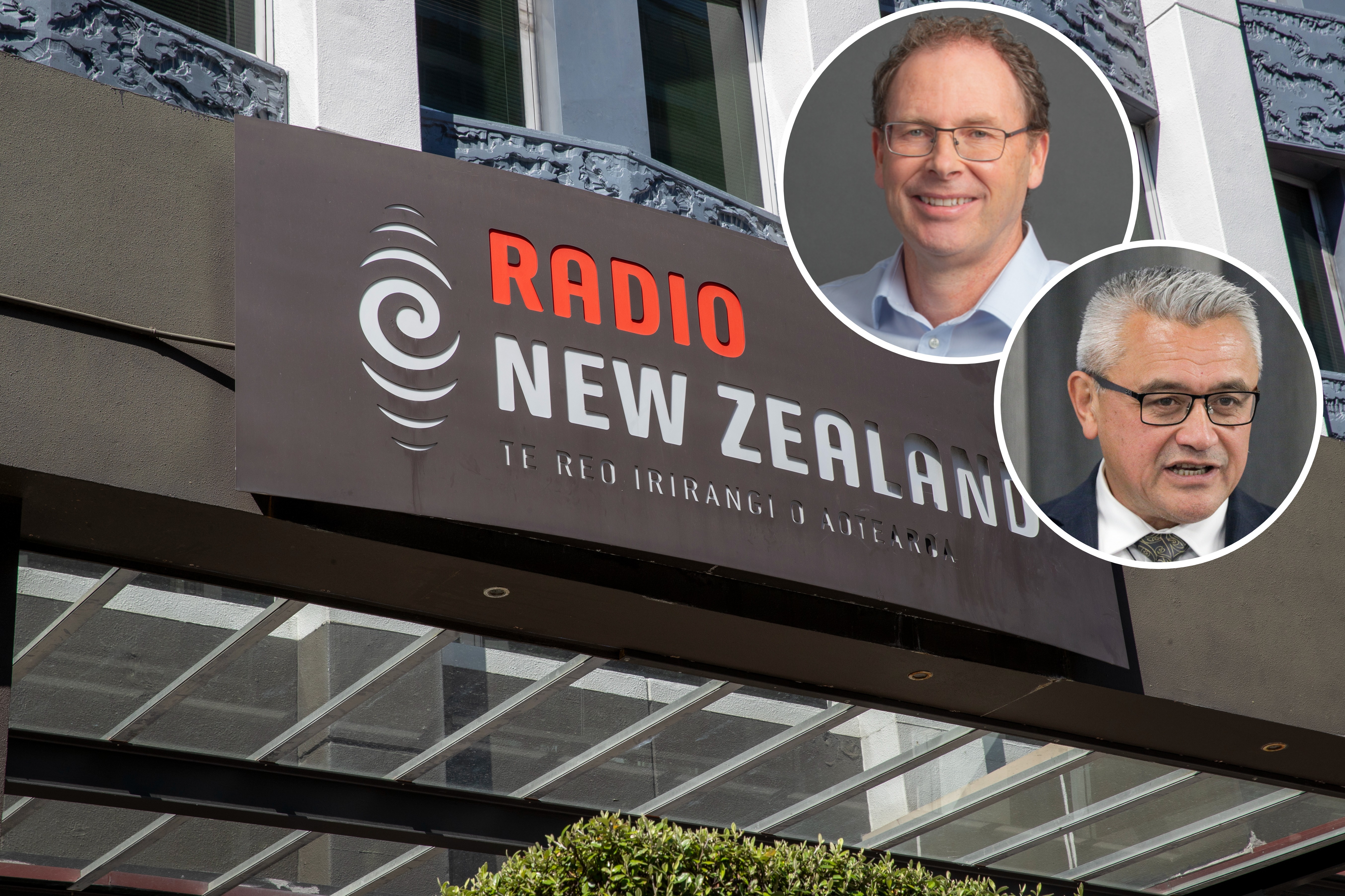
Media money: the Budget has delivered more funding for New Zealand’s domestic screen rebate and Māori broadcasting, but less for RNZ, NZ on Air, and the Film Commission.
Public broadcaster RNZ has had its budget shaved once again – a $1.4 million baseline cut on top of a $4.6m annual reduction last year.
RNZ chair Jim Mather said today that “we will need to make further changes to ensure RNZ remains financially sustainable and can do the best possible job for audiences”.
In last year’s Budget, taxpayer funding for RNZ was slashed by almost $5 million a year – about 7% of its annual budget – for the next four years.
Today’s cut, from baseline funding of $65.831m to $64.422m, is on top of that.
Mather said RNZ acknowledged “the current fiscal challenge and that its funding reduction is in alignment with most government agencies”.
“RNZ absorbed a 7% reduction in funding over the last year. This further 2% reduction and the prospect of 5% reductions over the following two financial years means we will need to make further changes to ensure RNZ remains financially sustainable and can do the best possible job for audiences.”
He said RNZ was mindful of the value that it “brings to New Zealanders and the need to protect the audience relationship by minimising the impact on our content”.
RNZ was put on notice about its financial performance in a forceful letter from the Government in March.
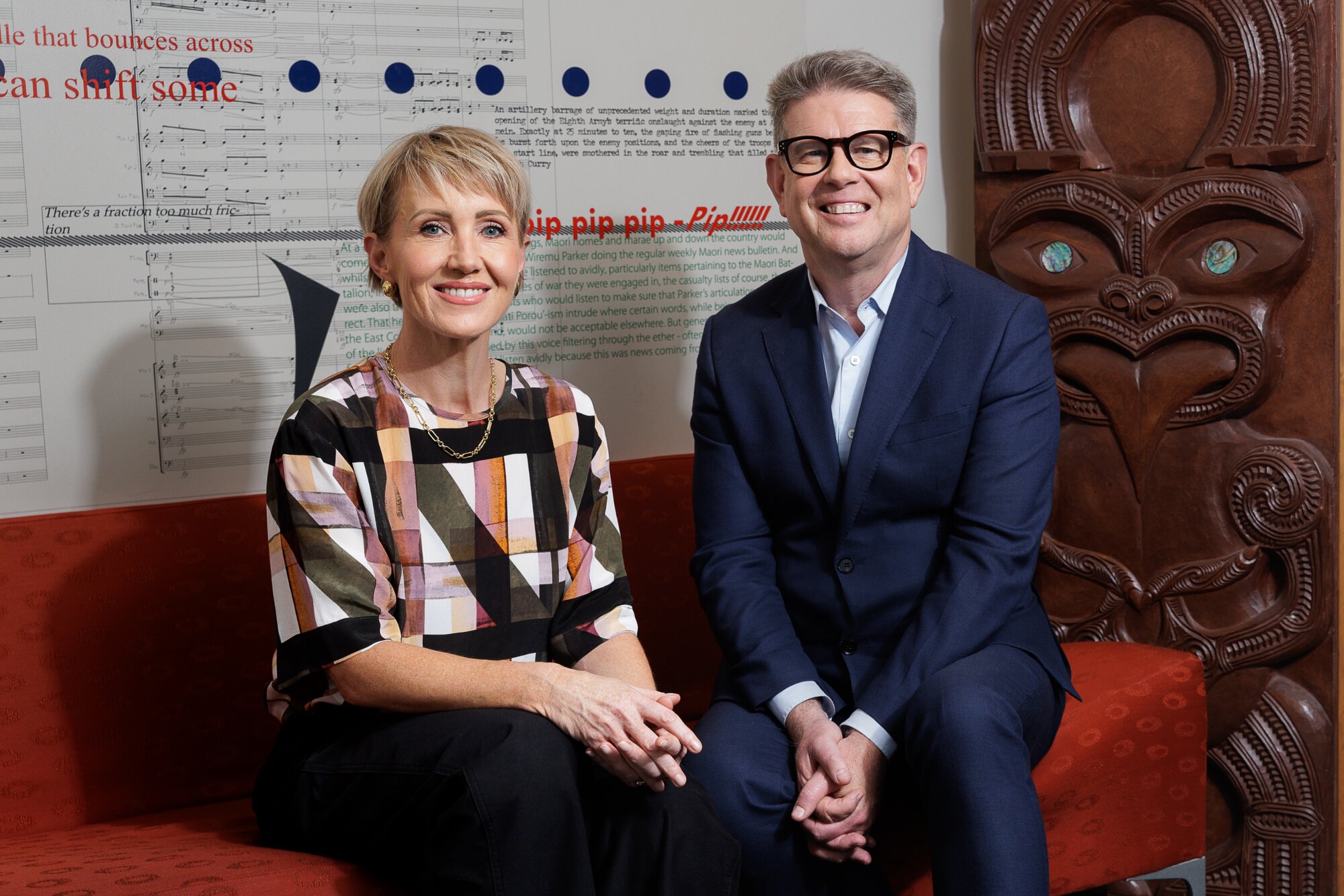
Media and Communications Minister Paul Goldsmith told the public broadcaster that the Government wanted further savings “to be identified and realised to ensure RNZ’s long-term financial sustainability”.
“It is a vital, ongoing expectation that RNZ delivers improved performance and represents a value-for-money investment for the Crown as owner. This includes right-sizing operations and increasing efficiency to mitigate reliance on cash reserves and the sale of land to fund operations.
“While some cost-reduction initiatives have been implemented, further savings need to be identified and realised to ensure RNZ’s long-term financial sustainability.”
In response, Mather told the Herald at the time that public funding was treated seriously and prudently.
“The operating costs referred to in the letter are for the year ending June 2025, when we were operating under an increased budget and had expanded our services.
“In the current financial year, we are absorbing a 7% funding cut and have reduced expenditure accordingly.
“RNZ has reduced discretionary ($2.5m), marketing ($0.4m) and commissioning spend ($1.5m), reduced capital expenditure with new initiatives to be funded through internal change ($2m) and removed a proposed healthcare benefit and performance-based payments ($1m).
“RNZ has focused its resources, controlled costs, and modernised the business. It has made significant savings and efficiencies while improving services.
“In terms of FTEs [fulltime employees], as of 30 March, RNZ’s FTE was 342 – a reduction of 5.3% from the end of the last financial year. Looking ahead to the new financial year, RNZ will continue to live within its means and focus on providing value to the public through trusted content."
RNZ said today that the 5% reduction in its workforce had been achieved largely through a voluntary redundancy scheme, fixed-term appointments ending and decisions not to replace, or defer filling, vacancies.
Mather is due to vacate his position as chairman at the end of June, along with two other long-serving directors, Irene Gardiner and Jane Wrightson.
NZ on Air funding reduction
The Government has also reduced NZ on Air’s budget by $2m a year and the New Zealand Film Commission’s budget by $100,000 a year for the next four years.
NZ on Air’s budget is dropping from $104.76 million this year to $102.697m for each of the next four financial years.
NZ on Air – which funds New Zealand shows, gaming and music – said it was not “massively surprised” by the reduction.
“We are modelling how to apply our baseline reduction with the ultimate goal to cause as little pain as possible for content creators and platforms, and as little impact as possible on audience outcomes,” chief executive Cameron Harland said.
“Whilst we are a lean organisation with just 4% of the overall budget used for admin, we will be looking for savings where we can. However, it is likely that reductions in funding will need to be applied across much of what we do.”
He said the agency was likely to adopt a pro-rata approach to the budget cuts across all its work – “creation (screen and music), platforms, capability, research and admin”.
“We are hopeful that this level of reduction will not materially impact on the industries we support or on audiences.”
The Film Commission’s annual operating budget drops from $5,196,000 to $5,096,000 but in happier news, the domestic screen rebate – which the commission administers on behalf of the Ministry for Culture and Heritage – is receiving a boost.
“Funding of $185.3m (over four years) will secure the future of the domestic Screen Production Rebate, which supports New Zealand stories on screen (and investment into them),” the ministry said.
“This includes funding of $800,000 across four years to support the New Zealand Film Commission to administer the rebate.”
Māori broadcasting boost
Māori Development Minister Tama Potaka said the Government was investing in te reo Māori by strengthening Māori broadcasting.
“Budget 2026 sets aside $48 million over the next four years to support the long-term sustainability of Māori broadcasting by helping Māori media organisations adapt to a changing digital environment, commission new te reo Māori content, develop talent and strengthen their capability.
“The Budget also supports Te Māori Tū through $10 million of reprioritised funding, recognising growing international interest in Māori culture, creativity, and storytelling, and creating new opportunities for Māori artists, creatives, businesses, and exporters.”
To follow the latest Budget coverage, click here for our live blog.
Editor-at-Large Shayne Currie is one of New Zealand’s most experienced senior journalists and media leaders. He has held executive and senior editorial roles at NZME including Managing Editor, NZ Herald Editor and Herald on Sunday Editor and has a small shareholding in NZME.