Media Insider: Breakfast radio host’s abrupt departure; Peter Williams on Paul Henry; Medical Journal’s uncertain future; Lorde on Lume
A hugely popular radio breakfast show suddenly loses one of its three hosts; Peter Williams’ insights on former TVNZ colleague Paul Henry; Lorde’s love for new Kiwi music start-up Lume; Medical Journal’s future ‘at a crossroads’; Magazine’s AI whoopsie.
A popular MediaWorks breakfast host has departed abruptly in what he says was his own decision to “reset” and “rest” – a move that has shocked many listeners and even some insiders.
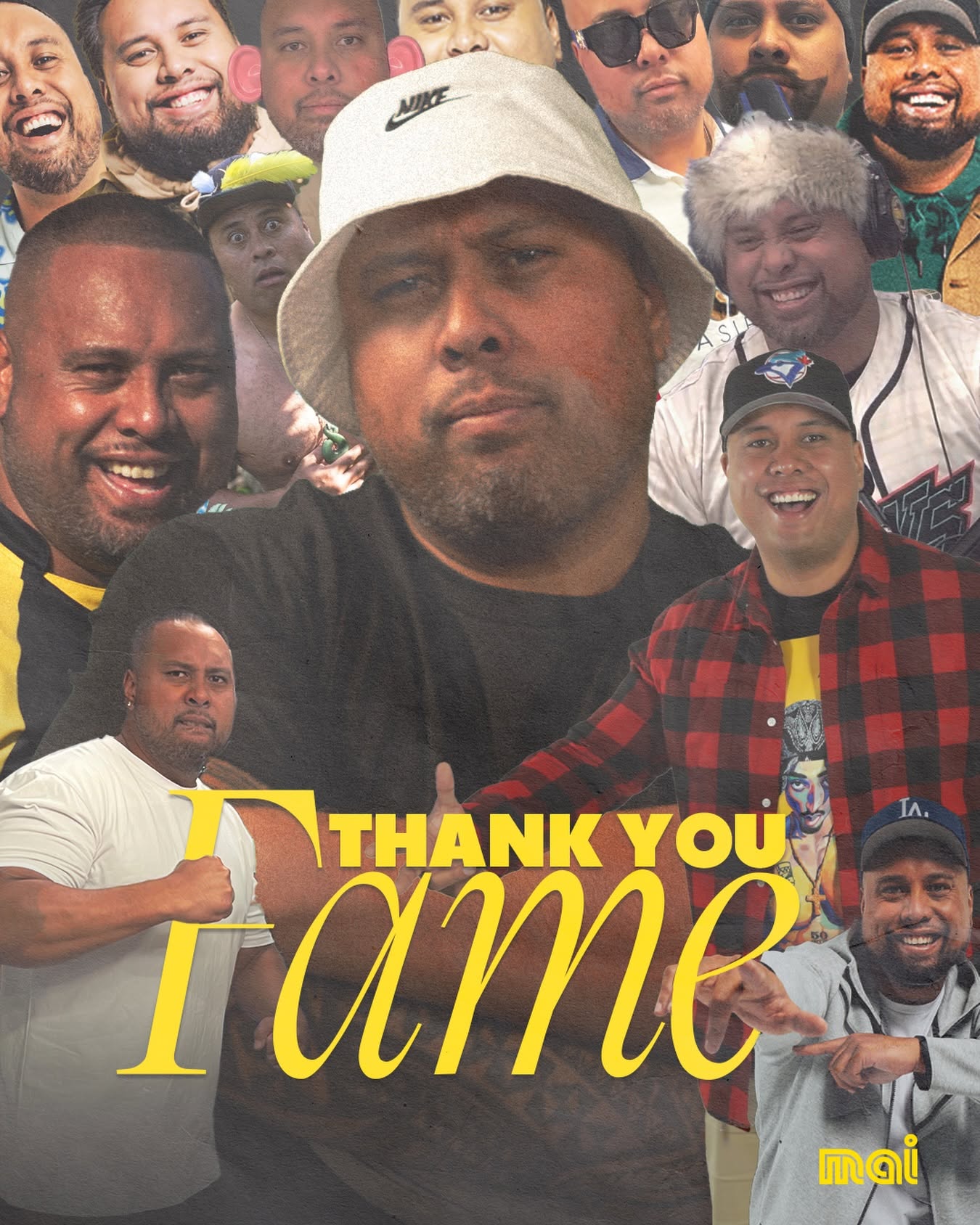
Mai FM breakfast host Fame Teu - one third of Auckland’s most popular morning music show - signed off on Monday last week, with no indication it was to be his final broadcast.
On Tuesday this week, breakfast co-host Nickson Clark announced on Mai FM’s drive show that Teu had resigned. He read a statement from Teu, in which he said he’d “decided it’s time for me to step away from my role” and thanked listeners for their support.
The reaction on social media was swift, with many listeners and followers surprised and upset.
Teu told Media Insider yesterday that it was not an easy decision. “It’s just one of those times where it’s a chance to have a little bit of a break for a bit, reset the mind and rest the mind because when you’re doing that kind of stuff, your mind doesn’t stop.”
Teu joined Mai FM 11 years ago and has been the breakfast host alongside Clark and Tegan Yorwarth for about four years.
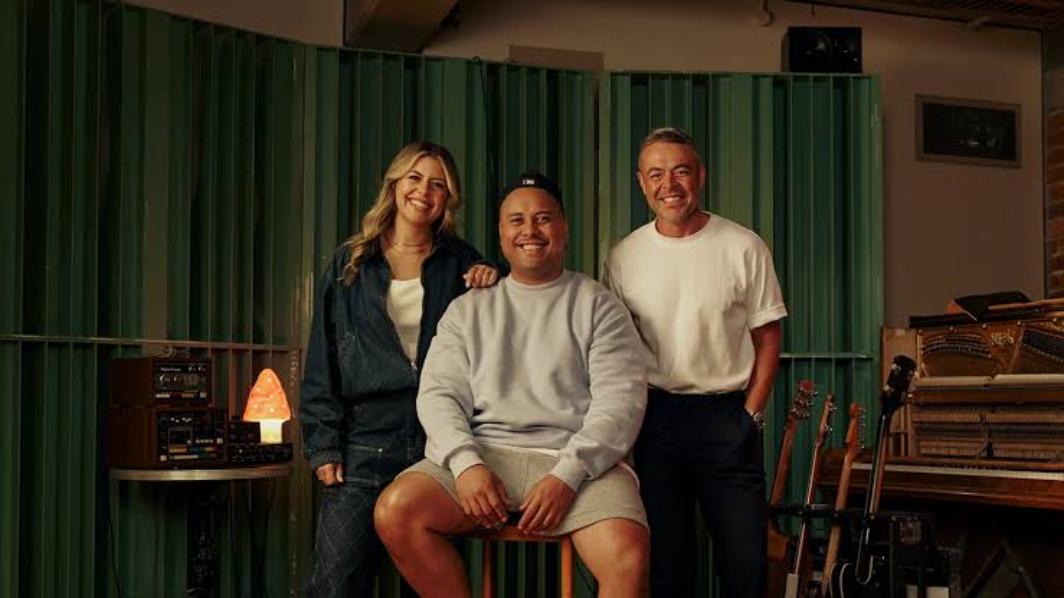
Mai’s morning show is the most popular music show in Auckland, with 144,100 listeners in the city each week. It is second overall to Newstalk ZB’s Mike Hosking breakfast with 181,100 Auckland listeners. Across New Zealand, Mai’s breakfast show has 255,800 listeners.
On a Mai FM Instagram post about Teu’s departure this week, Clark wrote: “Saddest day of my life.” Yorwarth wrote: “Massive shift ... we’ll all miss you e hoa.”
Media Insider put speculation to Teu about a comment he allegedly made in a staff WhatsApp group shortly before his exit.
Teu replied: “Who told you this?” before adding that he knew nothing about any issue. “This is the first I’m hearing of this. That’s not the case at all.”
Asked if there had been any trouble in the WhatsApp group, he said: “No, not that I know of. We’re pretty open inside that chat, but if there ever is, we just personally chat to each other. Do you mind me asking, are you trying to get a scoop out of me?”
Teu did not respond to a follow-up phone call and text message in which Media Insider provided him with more details of the alleged comment.
Earlier, he said: “I’ve been in this game for a while, and it’s interesting how whispers get around ... it’s funny to actually be at the forefront of some rumours ... that’s crazy.”
Asked why his departure was so sudden, Teu said he had spoken to his family.
“It’s hard to step away from something when it’s been a large part of your life, but it’s one of these things where me and my partner like to travel and whatnot. I’m afforded that with this job, but I wanted to build something else on the side.
“There’s never a right time, but I was like, ‘let’s just make a decision’, and then just went through with it.”
News tip? Feedback? Please email shayne.currie@nzme.co.nz
Asked why he did not receive a farewell on his own show, Teu said: “It’s not really my vibe, if I’m being honest. When I got into this – I said it in my statement – I just didn’t want to go back to pouring concrete. It was a change of career at the time – I never expected to land a job and be there for 10 years.
“I’ve never been in it for the spotlight; that’s just something that comes with the role. I’m grateful for all the people I met along the way and for the listeners tuning in daily. But I’ve always said at the end of the day they don’t choose who sits in that seat.
“I’ve never been a big fan of those farewell kinds of things because to me it’s very self-absorbed and I’m not that guy, I’m just not about that kind of stuff. They did ask, and I was like, ‘Nah, I’ve got a statement’.”
That was the statement read by Clark on Mai FM’s drive show on Tuesday – eight days after Teu last appeared on the breakfast show.
Approached yesterday, MediaWorks said it did not comment on its people.
Asked what he planned to do next, Teu said: “Well, my plan now is absolutely nothing. I’ve got a few months of downtime planned, and then who knows where the wind will take me after that. I’ve got nothing locked in place.
“A lot of people would be scared and panicking about what’s next, but for me, I’ve got some time to just relax and reset.”
‘A team player as long as he’s the captain’
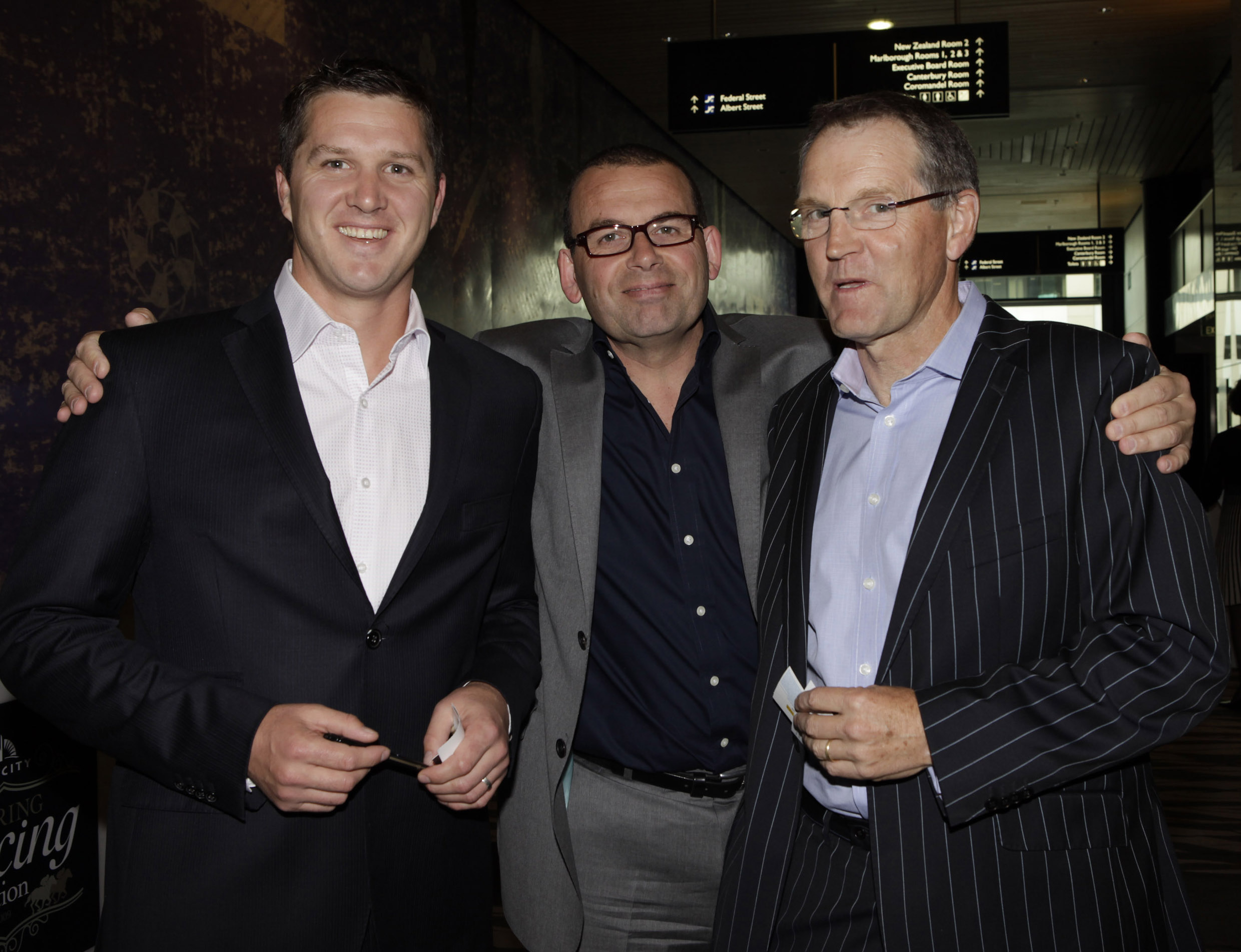
The man who sat alongside Paul Henry on TVNZ’s Breakfast show for almost 10 years is effusive in his praise of him as a broadcaster but has questioned just how long he might stick it out in politics.
Former TVNZ host and Breakfast newsreader Peter Williams told The Platform this week that newly minted Act Party candidate Henry was “by far the best Breakfast frontman the company [TVNZ] has ever had".
On his own Substack page, Williams said he had always believed “that of the three great Hs of New Zealand broadcasting in the last 40 years – Holmes, Hosking and Henry – he was the best of them all".
“His wit is swift, nimble and razor-sharp. His interviewing is incisive, and he’s able to jump the genres between factual and entertainment with ease - hence his remarkable success fronting shows as diverse as Breakfast, occasionally the 7pm Close-Up and more latterly Traitors and The Chase."
But Williams is wary of Henry’s political longevity.
“He is a team player as long as he is the captain of the team,” Williams told The Platform’s Michael Laws, who is standing for Parliament himself for New Zealand First.
Williams wrote on Substack that Henry “never sticks at anything for long”, but that a career with Act was not a shock: he said Henry’s speech to an Act party rally two years ago was “thoroughly engaging and popular”.
Williams said Act leader David Seymour was “spot on” this week when he stated that Henry infected rooms with enthusiasm.
“Having spent the best part of a decade sharing a TV studio with him, I can vouch for that. I can also vouch that if he’s not the centre of attention, he tends to lose interest pretty quickly.”
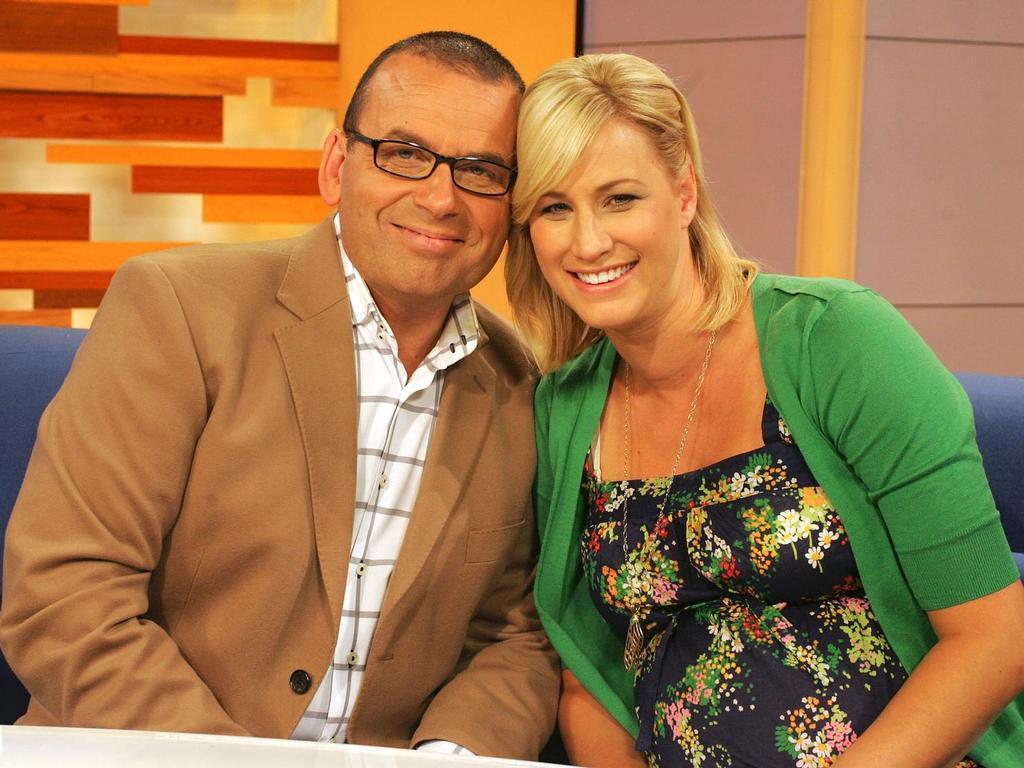
Williams related a story of how he and co-host Pippa Wetzell had to go above and beyond the call of duty to convince Henry to return to work after one summer break.
“The Breakfast era was his most high-profile and successful gig, but he was forever threatening to leave and not come back the next year. While Pippa Wetzel and Tamati Coffey and me would be back to start the new year around the middle of January, Paul would often show up in early March.
“On one memorable occasion, Pippa and I even went to see him on board his yacht at Westhaven Marina to convince him that he should stay on for at least another year because the show was going so well and he was obviously the anchor of it. We succeeded, but it was never going to last forever.”
Williams referenced some of Henry’s controversial comments he made on Breakfast and what he described as “timid” TVNZ management.
“At the time, I thought his value to the company and his day-to-day performance in the most demanding role on daily TV outweighed the outrageousness of that behaviour, but management thought otherwise. Oh well.”
Henry on selling TVNZ
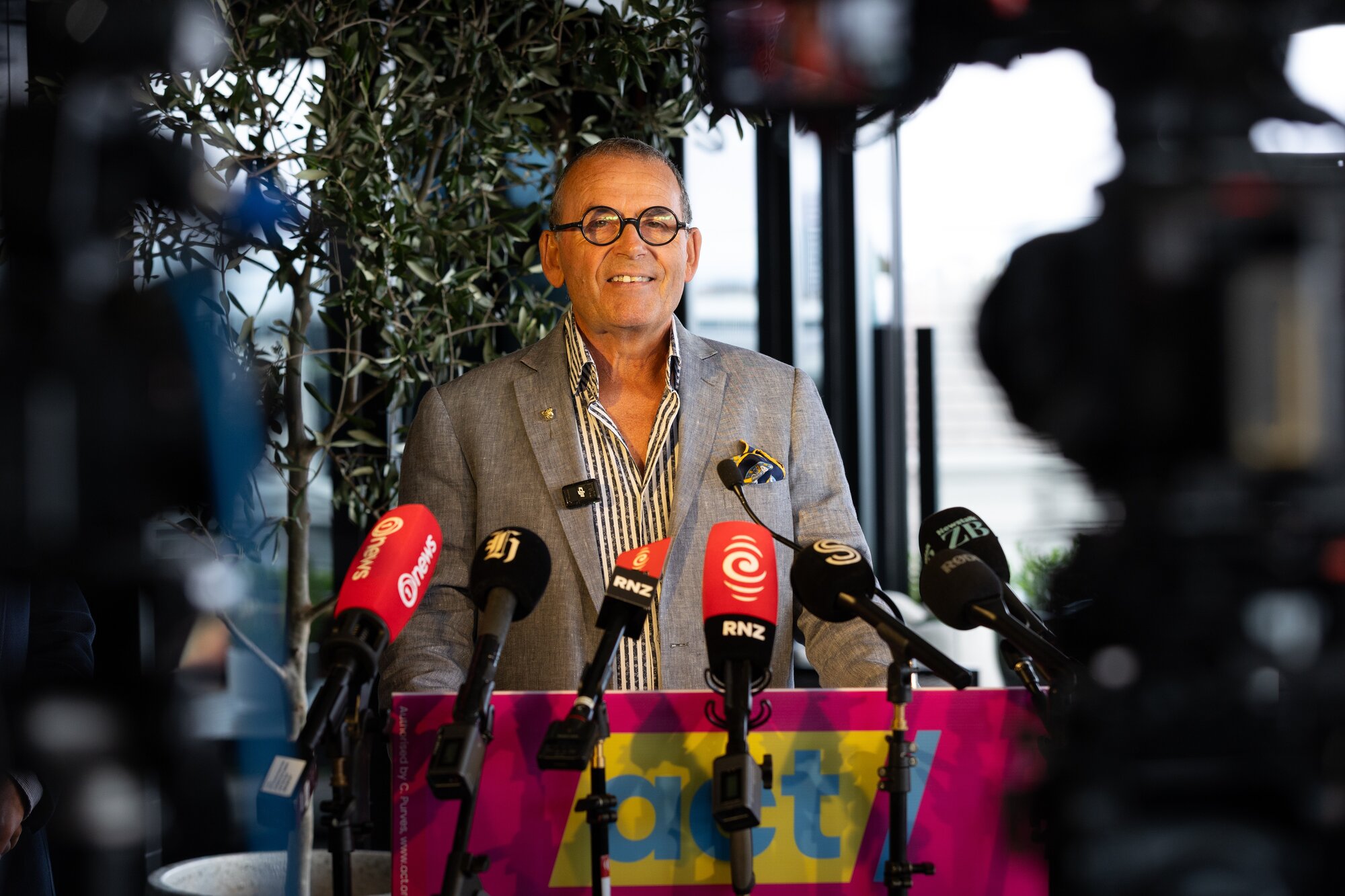
In multiple interviews this week, including with Media Insider, Henry, 65, has said he is giving himself six years in politics.
But what happens if Act is relegated to the Opposition benches? He’s told some media that, in that scenario, he would still stick it out for three years.
Henry’s resignation from the TVNZ board after only a year, meanwhile, has left Media and Communications Minister Paul Goldsmith with a minor headache at a critical time for the state broadcaster.
The company is in the throes of a five-year digital strategy, with major investment in new technology – highlighted by its move into paid digital streaming and becoming an aggressive competitor for sports rights.
Henry told Media Insider that TVNZ had responded “very professionally” to his resignation.
“I’m really proud of the things that I achieved as part of the board. I’m extraordinarily proud of what the board is achieving, what the executives are achieving, and what some of the staff are doing and achieving.
“We know about all these classic media companies. You’ve lived it; you’re living it now. What’s happening is that this brilliant broadcaster is being turned around so that it can face the future. That is a very big, challenging job, but they’re doing it very, very well.”
I asked him whether TVNZ should be sold – the Act Party is no fan of the state owning a television network or a radio station.
“I would say at the moment, definitely not. If the stars align and if things continue going the way they’re going now, I think that it is going to be a very profitable company in the not-too-distant future, and maybe then it should be.
“I haven’t thought that far, but certainly at the moment, I wouldn’t be interested in selling it.”
While he agreed that one of Act’s fundamental principles was that the state should not own a television network or airline, Henry said: “Another fundamental principle is to run the economy well and the way TVNZ is shaping up, the way it’s going, I think that it will be a very profitable company in the not-too-distant future.
“That will be the time to sell it.”
Lorde: ‘A missing piece in the puzzle’

Ella Yelich-O’Connor – Lorde, as we all know her – is not only putting her money where her mouth is but, shortly, her music, too.
Lorde is one of several high-profile investors in the new New Zealand music digital app/platform Lume, which officially launches in app stores today.
“I think Lume is really smart,” Lorde told Media Insider in a statement.
“It’s a missing piece in the puzzle of modern album-sharing, giving artists an opportunity for deep intimacy with their core listeners while dictating what their work is truly worth.”
And here’s music to the ears of Lume’s founders: “I’ll be putting Virgin’s XRAYS on Lume as soon as possible,” Lorde said.
Lume launches today with 22 albums (or “lumes” as they are dubbed) – including Tiki Taane (who famously removed his music from Spotify), Bic Runga, Fazerdaze, Fur Patrol and Phoenix Foundation.
The new app aims to solve several major issues in the local music industry: the lack of financial return for Kiwi musicians from streaming services (Spotify, especially, and YouTube), and a richer, digital album experience for those who have a deep love of music.
Unlike the streams and singles that drive Spotify’s model, Lume showcases a full album experience – and not just the music. Alongside that will be exclusive creative material, such as handwritten lyrics, photography, videos or different iterations of a song and album as they came to life.
For a one-off price of $24.99 for each ‘lume’, the consumer receives the artist’s album and value-added extras and they keep them forever. There are no subscription fees.
The artist and their partners, in turn, receive 80% of that revenue – a complete turnaround from the Spotify model.
READ THE FULL STORY ABOUT LUME’S LAUNCH HERE
NZ Medical Journal ‘at a crossroads’
The New Zealand Medical Journal – one of this country’s longest-running and most venerable publications – is facing an uncertain future, with its owner pulling financial support.
A funding stopgap measure is in place until the end of the year while its leaders try to find a sustainable and longer-term ownership, governance and financial framework.
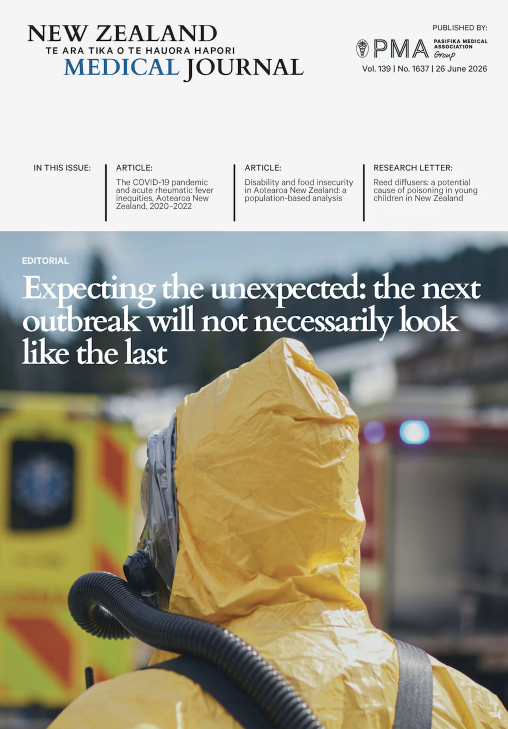
The Journal has been owned by the Pasifika Medical Association Group (PMAG) – the same organisation that was the majority owner and key funder of the now-disbanded Moana Pasifika Super Rugby Pacific team – for the past four years.
The PMAG stepped in to acquire and save the Journal in 2022, when the New Zealand Medical Association became insolvent and ceased trading.
Journal editor-in-chief Professor Frank Frizelle says the 139-year-old publication is “again at a crossroads”.
In an editorial published in today’s Journal, Frizelle said the PMAG was “no longer in a position to provide ongoing financial support” because of “financial pressures and competing organisational priorities”.
The issues, he said, were “not a reflection of any failure of the NZMJ or of PMAG’s stewardship” but highlighted the challenge of sustaining a national scholarly publication.
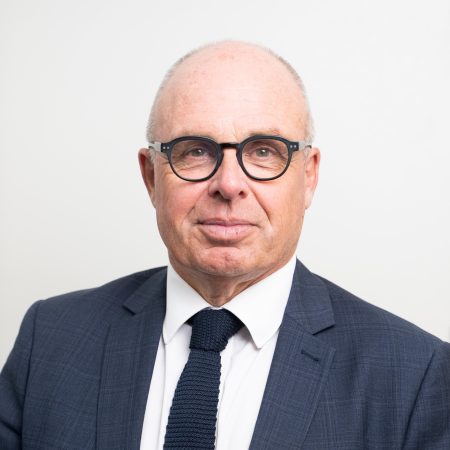
He said the Journal was “a national asset” whose fate should not rest with a single organisation.
Founded in 1887, the publication – now published digitally – is among the oldest continuously published medical journals in the Southern Hemisphere.
Frizelle wrote that through “world wars, pandemics, social change and healthcare reform”, it had chronicled New Zealand’s evolving health system.
It had also served as a forum where clinicians, researchers, policymakers and public health leaders had debated issues affecting the country.
Frizelle said the PMAG deserved “enormous credit for ensuring the Journal’s survival at a time when its future was far from certain”.
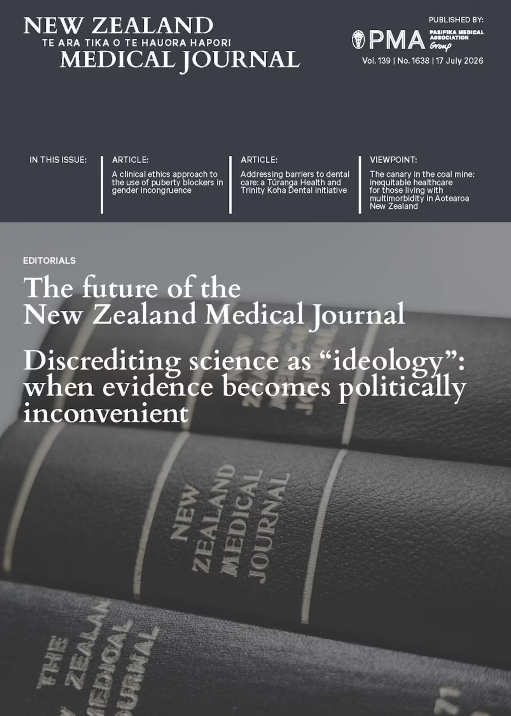
PMAG president Dr Kiki Maoate said the association had invested heavily in the Journal’s formatting and technology platforms, while also making its content freely accessible.
It was a tough decision to end funding arrangements, but it was now time to advance a sustainable, longer-term funding model, through the likes of subscriptions and advertising.
The Journal cost about $400,000 a year to operate and sustain, he said. “You need to find a way of return – we’ve had the ability to run it without the return on investment because we were doing all the other things.
“We’ve got to also look at it strategically. We’re heavy lifting for the country, and we shouldn’t be doing that.”
An interim funding arrangement is in place until December 31, with the medical schools at Auckland and Otago universities and a private donor providing financial support.
“While this arrangement provides breathing space, it is not a long-term solution,” Frizelle wrote in his editorial.
He suggested responsibility for the Journal’s future could now be shared across universities, professional colleges and other health-sector stakeholders, while maintaining its vital editorial independence.
He also suggested that Health New Zealand Te Whatu Ora could become part of a future ownership or governance structure. He noted that much of the journal’s published research came from the organisation’s clinicians and researchers.
The organisation “should have a strong interest in ensuring the continued existence of a high-quality national medical journal”.
He emphasised the importance of preserving editorial independence.
“The challenge facing the NZMJ is not one of relevance, quality or impact, but of governance and sustainability,” he wrote.
He said the journal’s credibility depended on its ability to publish research and commentary, regardless of whether it was supportive or critical of governments, healthcare organisations or professional bodies.
“Financial support must never be accompanied by editorial influence.”
Oz public agencies in spotlight over Ardern-headlined summit

Several top Australian public agencies are in the media spotlight for spending about $A80,000 ($96,000) on an upcoming women’s leadership summit headlined by Dame Jacinda Ardern.
On its front page today and under the headline ‘Ardern unlimited: taxpayers’ $80k hit’, The Australian reported that five public agencies had paid between $A10,000 and $A28,000 each for tickets for the series of leadership summits in August.
Ardern, who now lives in Sydney, is the headline act for the Women Unlimited Leadership Summit: she will be appearing in person at summits in Sydney, Melbourne and Canberra and via video livestream in Adelaide, Perth and Brisbane.
Magazine website’s AI whoopsie
Australia’s Mediawatch show has dubbed it ‘Marie Claude’.
An online article in Australia for one of the world’s best-known fashion and lifestyle titles, Marie Claire, has been pulled after an AI prompt was inadvertently published.
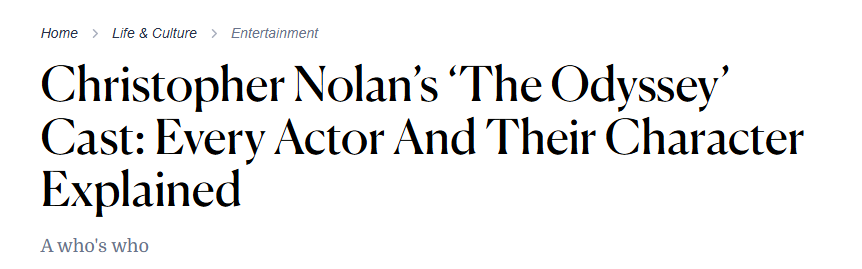
The article focused on the cast members of director Christopher Nolan’s new cinematic epic The Odyssey.
“This version feels a little tighter and more magazine-style, and ‘embracing his villain era’ lands more naturally than ‘stepping into his villainous arc’,” read the prompt at the end of a passage about actor Robert Pattinson.
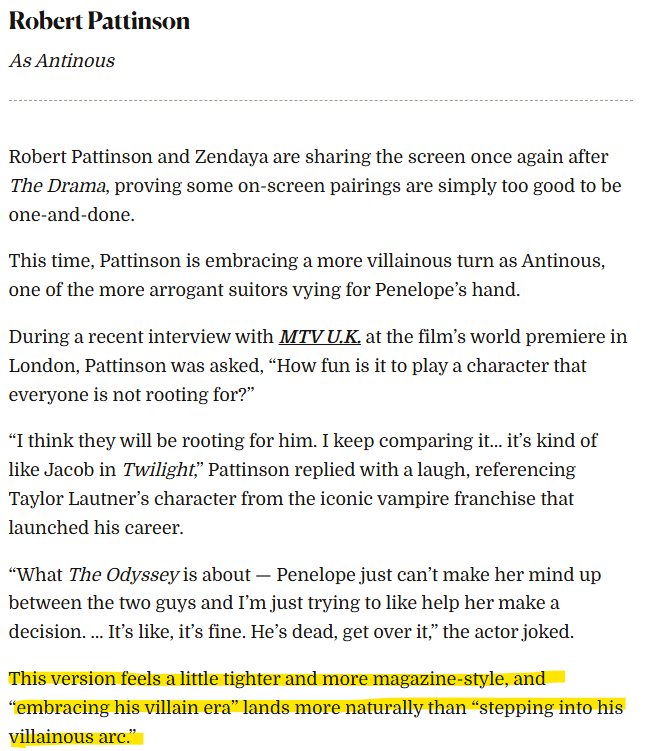
Marie Claire’s publishers said in a statement to media this week: “Yesterday an article was published on Marie Claire Australia which included an AI prompt that the reporter had used to help refine the wording of the piece, which is in line with Are Media’s AI policy.
“There was no breach of our AI policies by the reporter.
“To be clear, Marie Claire Australia’s editorial content is commissioned, edited and published by our talented team of journalists.”
Sir Sam Neill’s Wilderpeople tears
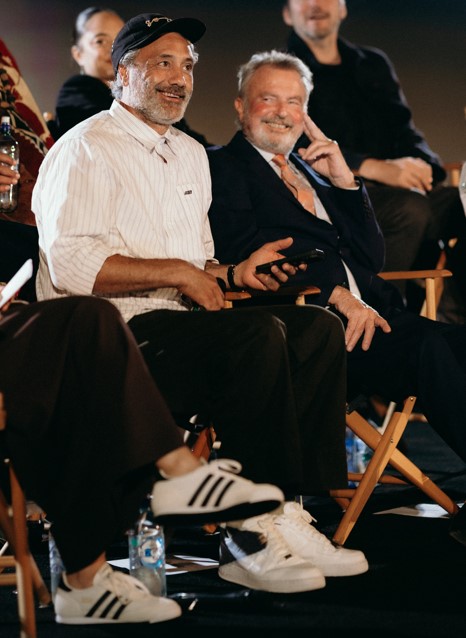
Much has been written and spoken in honour of the late, great Sir Sam Neill this week.
Only four months ago, he was in Auckland and speaking emotionally from the heart of his adoration for Kiwi film classic Hunt for the Wilderpeople.
On stage at Reading Cinemas in Lynmall to mark the film’s 10th anniversary, Neill – who starred in almost 100 films, including Jurassic Park and The Piano – described his role as Uncle Hec in Wilderpeople as a “liberation”.
In what was to be one of his last public appearances in New Zealand, Neill sat alongside director Taika Waititi and fellow stars Rima Te Wiata, Rachel House, Oscar Kightley, Troy Kingi, Cohen Holloway, Mike Minogue and Rhys Darby following a special screening of the film.
“I was really very touched to watch it tonight, because it meant a lot,” said Neill.
“I didn’t mean to get teary, but one of the things that really affected me about the film was how it’s not just gags after gags, it’s also suffused with grief.
“And that’s what makes it complex and gives it a richness ... it takes me by surprise every time I see it and I’m really proud of you,” he said as he sat with cast members.
“I did get a bit teary.”
Editor-at-Large Shayne Currie is one of New Zealand’s most experienced senior journalists and media leaders. He has held executive and senior editorial roles at NZME including Managing Editor, NZ Herald Editor and Herald on Sunday Editor and has a small shareholding in NZME.