Media Insider: ‘Inappropriate’, ‘appears to be contrary to law’ - Chief Ombudsman censures MBIE over staff sharing of NBR paywalled journalism

MBIE has been urged by the Ombudsman to apologise and sort an ‘appropriate remedy’ over ‘inappropriate’ NBR paywall rule breaches. How MBIE has responded to the potentially far-reaching decision - and who else is in the gun.
A Government department’s sharing of paywalled business journalism was “inappropriate”, “unreasonable” and “appears to be contrary to law”, says the Chief Ombudsman, in a likely precedent-setting opinion that is being hailed as a victory for safeguarding copyright journalism.
Chief Ombudsman John Allen says the Ministry of Business, Innovation and Employment (MBIE) should apologise to NBR for the internal sharing of the business website’s journalism outside of NBR’s terms and conditions.
He has also recommended that MBIE “engage with NBR about an appropriate remedy for this practice”, and that it “undertake periodic monitoring to ensure that this practice is not continuing”.
The decision comes as NBR awaits the Ombudsman’s final opinions about alleged similar behaviour at Inland Revenue, Internal Affairs and the Financial Markets Authority.

Media Insider revealed last October that NBR had embarked on a campaign to crack down on entities that had been allegedly breaching its paywall rules - at that stage, it had reached out-of-court settlements with three major corporates, including a national law firm, for what it called the illegal stealing of its content.
In November, Media Insider further revealed NBR was pursuing IRD, alleging a breach of copyright over the tax department’s use of a single subscription to the business news website.
NBR said today it had now secured settlements from 19 entities, resulting in payments for damages and legal costs of more than $200,000.
NBR says most of the alleged breaches of copyright have been through entities “sharing small numbers of subscriptions widely among their staff or by using subscriptions to share copied versions of articles to non-subscribers”.
“NBR’s terms and conditions specify that a subscription cannot be shared with others and [that] to do so is a breach of copyright,” it says.
NBR believes its campaign sets a copyright legal precedent for other major New Zealand publishers, including NZ Herald and BusinessDesk owner NZME, Stuff, Are Media, ODT and Newsroom, all of which publish subscription journalism as part of their business models.
NBR’s MBIE complaint
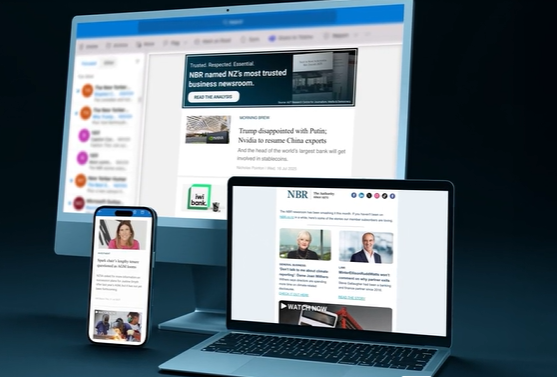
NBR has uncovered what it calls “widespread alleged breaches” of its paywall terms and conditions at 11 Government departments since 2020, following Official Information Act requests.
“Collectively, the departments admitted [that] at least 230 articles were inappropriately shared with thousands of staff,” says NBR.
It said MBIE acknowledged sharing at least 149 articles; Inland Revenue at least 43 articles; Internal Affairs at least 23 articles; and the Serious Fraud Office at least 15.
In the case of MBIE, the Chief Ombudsman said NBR had complained that the practice of sharing content at MBIE was inappropriate and contrary to law as it breached its terms and conditions.
Allen reported that MBIE had confirmed that individuals outside those with paid licences had access to NBR content between August 2021 and early November 2025.
MBIE had also confirmed to him that staff could request access to a specific article from its library team and that about 57 articles were shared in this way across the period in question.
“In two sample searches, MBIE found 49 articles were shared during the period August to October 2021 [and] 75 articles were shared during the period August to October 2024,” Allen reported.
‘Inappropriate’ - Ombudsman’s finding
Allen said he was concerned about MBIE’s sharing of NBR content and about the frequency with which it was happening.
He said he had formed a final opinion that MBIE’s practice of sharing NBR content was “unreasonable and appears to be contrary to law”
“In my opinion, the type of sharing was clearly not how subscriptions were reasonably intended to be used and appears to breach NBR’s terms and conditions.
“The level of sharing indicates [a] systemic practice that appears to have harmed NBR’s commercial position.
“It is inappropriate for a government agency to breach conditions at what appears to be a systemic level.
“While it is appropriate that MBIE is undertaking substantial work to identify the extent of sharing and has taken steps to prevent sharing in the future, I remain concerned that such practice was occurring over a long period and consider MBIE should take steps to ensure that this practice does not occur in the future.”
He has written to the Government minister responsible for MBIE, Nicola Willis, “advising of my findings in this matter and my recommendations to address the concerns I have identified as a result of this investigation. I have also written to the Public Service Commissioner.”
MBIE responds
MBIE told Media Insider in a statement that it acknowledged “the receipt of the Ombudsman’s final opinion”.
“MBIE takes its obligations in relation to copyright, licensing agreements and the management of third-party content seriously,” said Paul Stocks, MBIE deputy secretary corporate and digital shared services.
“Since becoming aware of concerns regarding the sharing of NBR content, MBIE has taken a number of steps to strengthen compliance. These actions include increasing the number of NBR licences available to staff, updating internal guidance and communications, and strengthening the management of NBR subscriptions.
“MBIE is continuing work to provide NBR with further information regarding the extent of content sharing that occurred.”
Once that work was complete, MBIE would consider its response to the Ombudsman’s recommendations, Stocks said.
‘This opinion vindicates NBR’s action’
In a statement, NBR co-editors Calida Stuart-Menteath and Hamish McNicol said they welcomed the Ombudsman’s opinion.
“MBIE says it plays a central role in shaping and delivering a strong New Zealand economy, yet the Chief Ombudsman has ruled its widespread practice of sharing NBR content likely harmed the independent, privately owned publication’s commercial position.
“This opinion vindicates NBR’s action against all those who have been found to be sharing content in breach of copyright and our subscription terms and conditions over the last year, setting a precedent for all media organisations which will enable the long-term sustainability of New Zealand’s vital fourth estate.
“We look forward to all government departments which have been sharing NBR’s content incorrectly appropriately remedying us for the harm it has caused.”
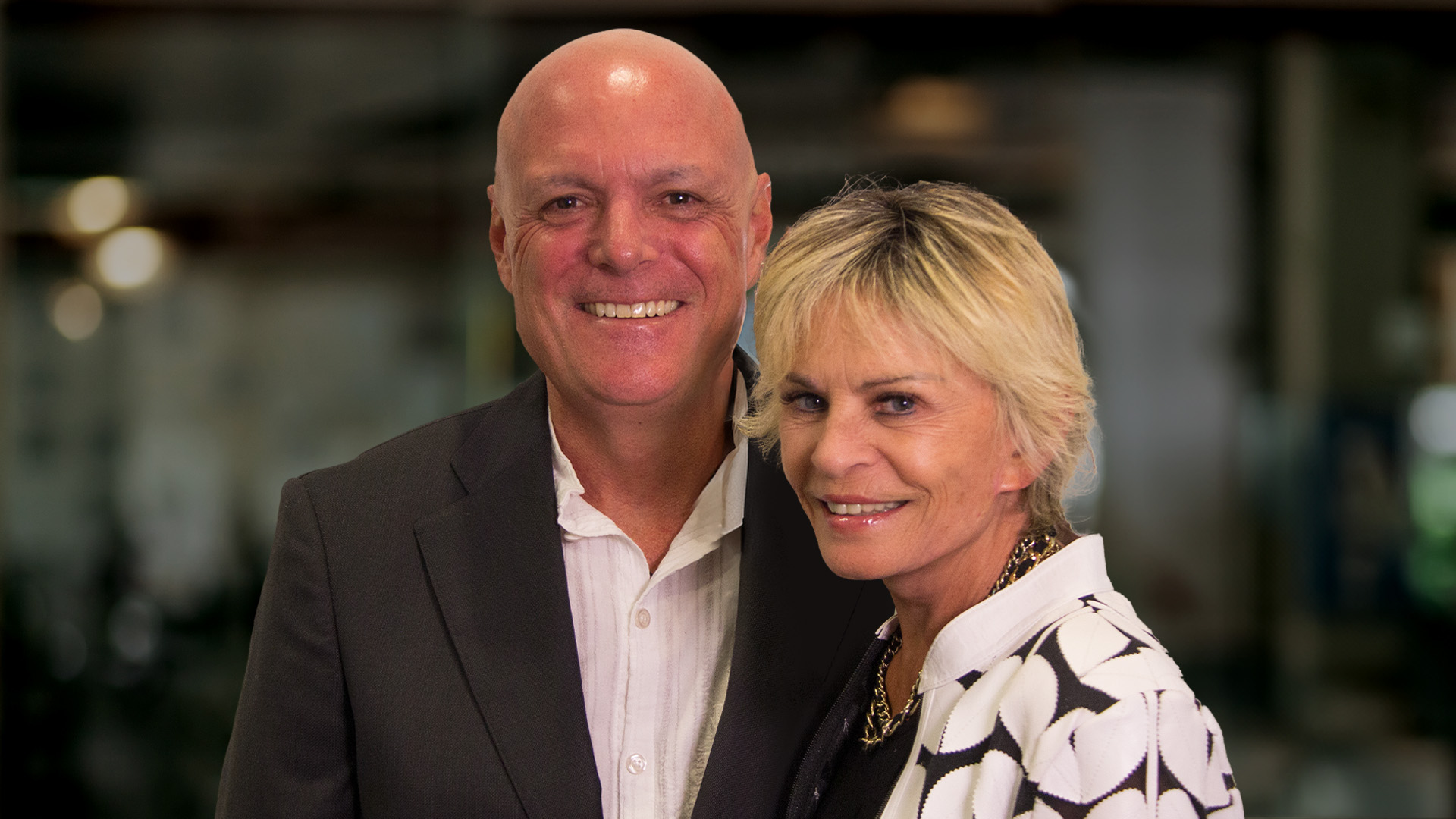
In an email to his staff on July 3, NBR co-owner Todd Scott said of the Ombudsman’s finding: “Today is one of those days that reminds us why we do what we do”.
“The Chief Ombudsman’s findings are a significant result for NBR and an important acknowledgement that what we’ve been saying all along was right.
“More importantly, they reinforce a principle that matters to every journalist and every independent publisher: quality journalism has value, and copyright deserves to be respected.”
He said the result vindicated NBR’s position and “sends a message”.
“Government departments should know better, and now the Chief Ombudsman has said so. I also believe the media coverage that follows will have a much broader impact by reminding businesses that copyright isn’t optional. It applies equally to everyone.”
Editor-at-Large Shayne Currie is one of New Zealand’s most experienced senior journalists and media leaders. He has held executive and senior editorial roles at NZME including Managing Editor, NZ Herald Editor and Herald on Sunday Editor and has a small shareholding in NZME.