Media Insider: Madcap move or masterstroke - will new editor-in-chief Matthew Hooton make or break The Post?
Madcap move or masterstroke? Why Matthew Hooton could make or break The Post as its new editor-in-chief. Just what are its readers and journalists in for?
NBR publisher and co-owner Todd Scott labelled it “unimaginable”. NZME editorial advisory board member Philip Crump called it “astute”.
“Smart but somewhat risky,” wrote right-wing commentator David Farrar.
Among the many polarised views of Matthew Hooton’s appointment as editor of The Post and Sunday Star-Times, there was, at least, one fairly common immediate reaction: “What the f***?”
The man who has been the focus of some of Hooton’s most strident recent criticism was more circumspect.
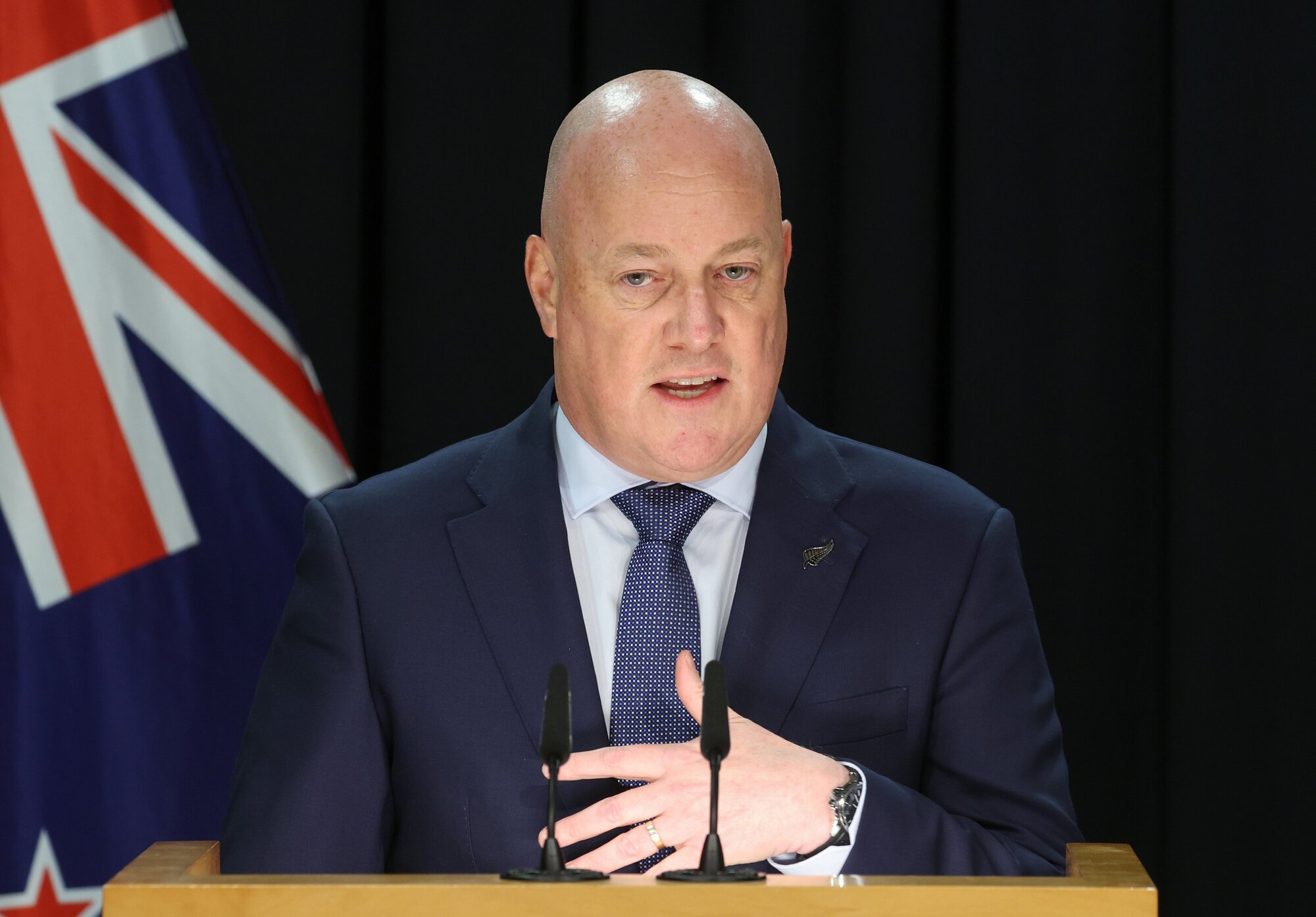
”Oh, it’s a decision for The Post ... awesome," said Prime Minister Christopher Luxon, collecting his notes and ending his Beehive Theatrette post-Cabinet press conference on Monday.
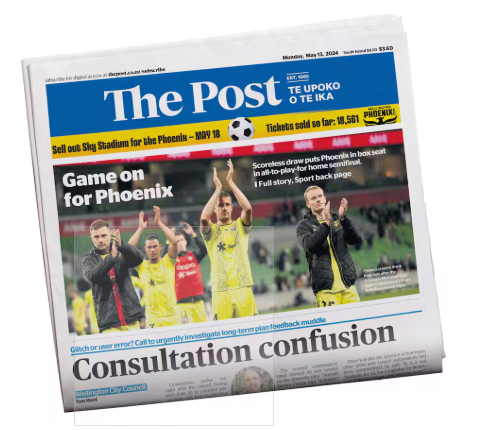
Stuff has certainly created one of the most surprising and intriguing media storylines of 2026. Hooton, the centre-right political strategist and columnist, is about to take the reins of one of the country’s bigger newsrooms.
Some of its journalists are understood to be aghast; others are nervously excited.
How this begins and ends is now largely in Hooton’s hands; his political and strategic brain is well-known, perhaps unrivalled when it comes to how he argues his position in his weekly columns.
But he’s untested in two big areas – news journalism itself, and his ability to lead a big group of staff, in particular a group of seasoned, sceptical journalists.
For Stuff, this is a high-stakes move: taking one of its longest-established news brands - The Post has arisen from the ashes of The Evening Post, The Dominon and The Dominion Post - and suddenly injecting a powerful new and clearly opinionated leader.
There’s a strong business case in support of Hooton: he is an expert in two of the journalism pillars that drive most digital subscriptions (politics and business), and he has a bulging contact book across myriad industries. Alongside that, his appointment means the NZ Herald has lost a hard-hitting columnist.
But this appointment goes beyond that. In regular public surveys, many New Zealand media firms – Stuff included – are perceived to have a left-of-centre political bias.
For The Post at least, in one electric move, Stuff owner Sinead Boucher is blowing up that perception at a time when big, single personalities can drive media engagement. She has unleashed a powerful force to potentially drive significant change.
Why Hooton?
On his Kiwiblog site yesterday, political commentator David Farrar also wrote of the perceived left-wing perception of The Post and Sunday Star-Times.
“Matthew’s appointment will neutralise that (at least in the short term) as Matthew is, of course, a centre-right classical liberal. This will expand the potential readership and subscription base.
“This does not mean Matthew will turn The Post into a more sympathetic paper for the National-led Government. Off memory, Matthew has been at war [with], or strongly critical of, every single National Party leader since Jim Bolger, except possibly Todd Muller."
Another source said: “I would imagine that National (and Luxon in particular) will be more nervous privately than Labour at his appointment. Hooton is far harder on his own tribe than the other lot.”
Sam Gribben of the E tū union – which represents journalists – wrote on social media: “I think Hooton could do a good job and may well have a better approach to proper journalism than some other current editors. He’s right wing as f***, but his writing is almost uniquely non-partisan for a hack of his type, and he’ll try to be the right editor for the beltway libs.”
Hooton may need time to learn his staff’s strengths and weaknesses and to contemplate his journalistic strategy – or he might not. Just how he tackles the role, the latest addition to a colourful CV, remains the biggest question.
Former colleague Ben Thomas, who worked alongside Hooton at his Exceltium PR and lobbying agency from mid-2015 to mid-2019, says Hooton has a healthy regard for the fourth estate.
“He’s somebody who really respects the media and the role that they have – the particular role that news media has that is distinct from, quote unquote, alternative media or social media or opinion.
“That’s always been very clear to him. Certainly, when I worked with him in PR, you learn that those are very distinct roles, and there’s an enormous amount of value in the traditional news media role.”
Will he go in all guns blazing, from a leadership and news agenda perspective?
“Matthew’s always been very big on fact-finding and really understanding ... an issue. The first steps are always to learn everything you can about it, and that would often include talking to people on the ground.
“I can’t see that he would take a fundamentally different approach here. In terms of understanding issues and what you’re dealing with, he’s always been very thorough in that sense.
“I wouldn’t say he’s an imperious command-and-control guy.”
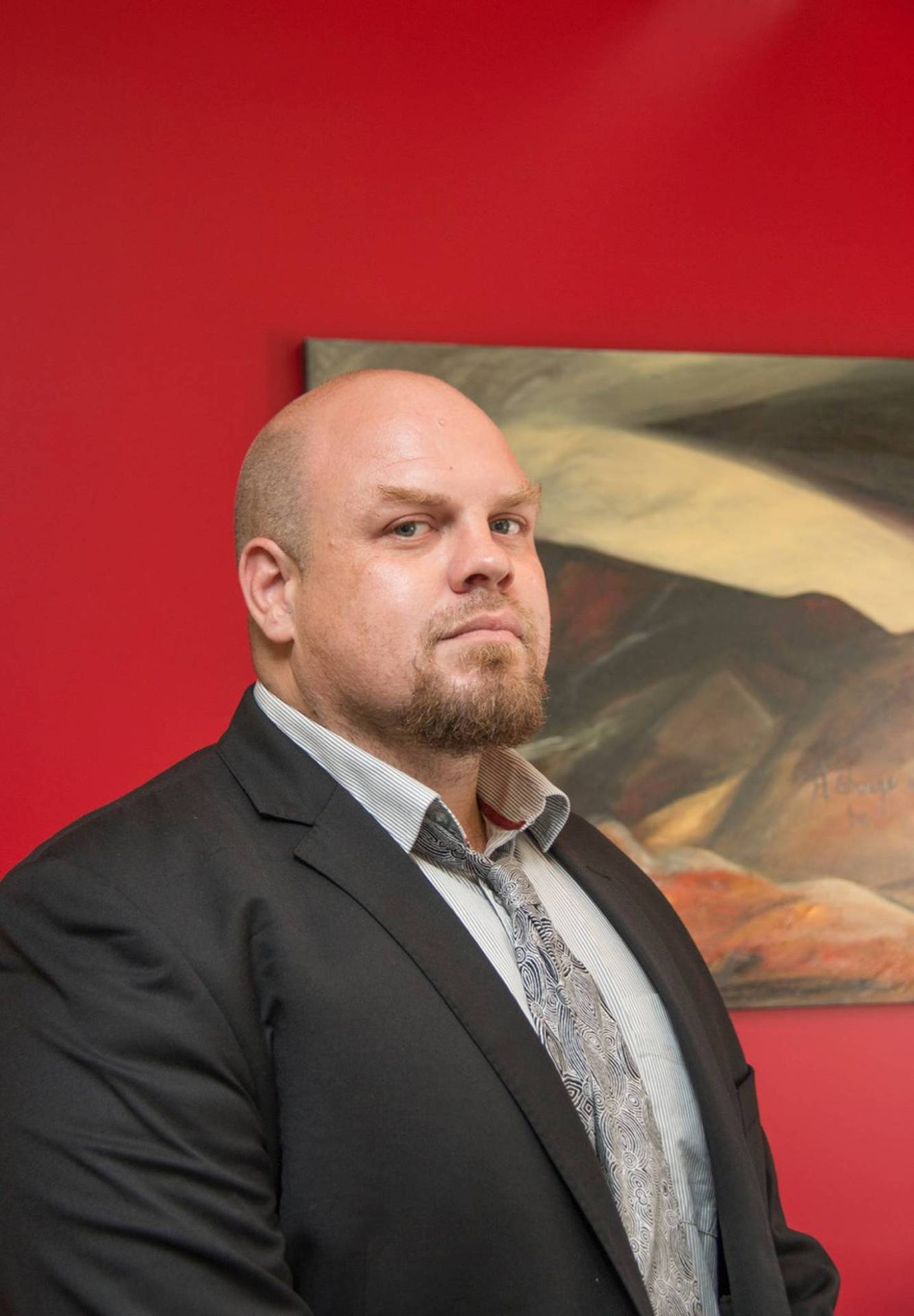
The new associate editor of The Post, Luke Malpass – his elevation from business, economics and political editor was also announced yesterday – will have some heavy lifting to do in support of Hooton.
Sources believe Malpass will play a critical role in the day-to-day support of Hooton, helping him with the operation of the newsroom, and calming frazzled nerves in some quarters.
One senior media source described the Hooton appointment as “very daring but very exciting”.
“I think he needs to be hands-off and leave the day-to-day oversight of journalists to Luke, at least for a year or so, until he learns the business better. But in terms of story ideas, direction, strategic oversight and hiring decisions, it will be fascinating to watch.”
Ben Thomas, meanwhile, pointed to Hooton’s own comments on The Post’s website on Monday, in which he outlined six crises, as he saw them, facing New Zealand.
“We have a productivity crisis, a fiscal crisis, a crisis of entrenched poverty, a race relations crisis that’s growing, a climate crisis, and an infrastructure crisis,” Hooton said.
“They are in many ways all linked, and they all need to be resolved.”
Thomas thinks that’s where Hooton will direct his attention as editor-in-chief, seeking to make a difference – rather than using The Post as any sort of personal political platform.
“I certainly wouldn’t imagine that it becomes a vanity publishing kind of outfit. I’ve never seen any indication that that’s how he looks at these things.”
At the Herald, Hooton has earned a reputation as a headstrong business and political columnist. He is a stickler for detail, a key attribute for any editor.
He’s been demanding about his copy, and can be occasionally combative – for example, not always taking suggested editing changes to his column particularly well.
As one source said, he can be “shitty” if lawyers want to make tweaks or changes. By the same token, if he understands a good case or argument for copy changes, he’ll agree to them – or rewrite the copy himself.
Thomas also highlights one of these characteristics: “When I worked for him, he was a very punctilious proofreader – he wouldn’t let anything go out with spelling or grammatical errors on it.”
Lawyer, blogger and NZME editorial advisory board member Philip Crump wrote on X of Hooton’s appointment: “Congrats to my friend and old school buddy Matthew Hooton on being appointed as editor-in-chief of the Post. Never afraid of new challenges.”
In a further comment, he compared it with the appointments of former Conservative MPs George Osborne as the editor of the Evening Standard in London between 2017-20, and Michael Gove as the editor of the Spectator since 2024.
“It’s not without risk, but it’s astute.”
The Post’s future
Hooton’s appointment also comes amid big questions of The Post’s future ownership. Those questions have been swirling for more than a year.
Ever since it shifted focus to its digital subscription business model in 2023 (along with The Press and Waikato Times) – and more particularly since Stuff placed the three mastheads into their own, standalone business – there have been questions over their future direction and stewardship.
NZME has been touted as a possible buyer of the Stuff Mastheads business – there had been initial discussions, but Stuff announced in March 2025 that it was pulling out of those because of shareholding and board changes at NZME.
The Post’s audience, meanwhile, remains solid. Stuff has described it as New Zealand’s “fastest-growing national news brand”, although that’s off a much smaller base than other mainstream news sites.
Its monthly digital audience in April was 512,000, down 3.2% on March but up 9.4% year on year. That compares with Stuff’s website audience of 2.108 million (down 9% YOY), NZ Herald’s 1.997 million (up 5.2%), RNZ’s 1.684 million (up 8.2%) and TVNZ’s 1 News 804,000 (up 8.3%).
The Post’s daily print readership is 113,000 compared with the Herald’s 507,000.
Stuff, of course, has not released its subscription numbers - as a privately owned company, it is not obliged to do so.
It will be interesting to observe just how much time Auckland-based Hooton spends in Wellington - as Stuff strives to make The Post a national brand, it will be critical to maintain a strong base of readers in the Capital.
There is already reasonably strong criticism that The Post’s local Wellington coverage has declined in recent years.
As well as his centre-right commentary, Hooton has been no fan of the public service in Wellington, or its own council.
He told The Working Group weekly political podcast in 2022: “Wellington is a complete basket case. It’s filled with absolute imbeciles and losers who run the Government departments. Then you’ve got a whole lot of people who vote for Jacinda Ardern. So it’s got absolute imbeciles.
“And on that council in Wellington, it’s dominated by these flaky woke, ludicrous Green, left-wing virtue-signalling clowns and so Wellington has the city it deserves. Obviously, I wish even more harm upon it; I hope they continue to vote the way they do.”
More recently, he has criticised the Government’s plan to cull 10,000 public servants. He didn’t think it went far enough.
“Nicola Willis should aim for at least 30,000,” he wrote on LinkedIn. “These people have skills, but their ‘jobs’ don’t really exist, and they should be making a contribution in the private sector.”
The Post’s newspaper will soon be printed in the South Island - its print plant is moving location from Petone in Wellington after more than 35 years, after businessman and outspoken Stuff critic Troy Bowker acquired the building.
“Good luck to Hooton as editor,” Bowker told Media Insider in a text message on Monday. “He’s going to need it – trying to (literally) sell yesterday’s news and relying on the ferry, which is notoriously unreliable.”
Defamation battle
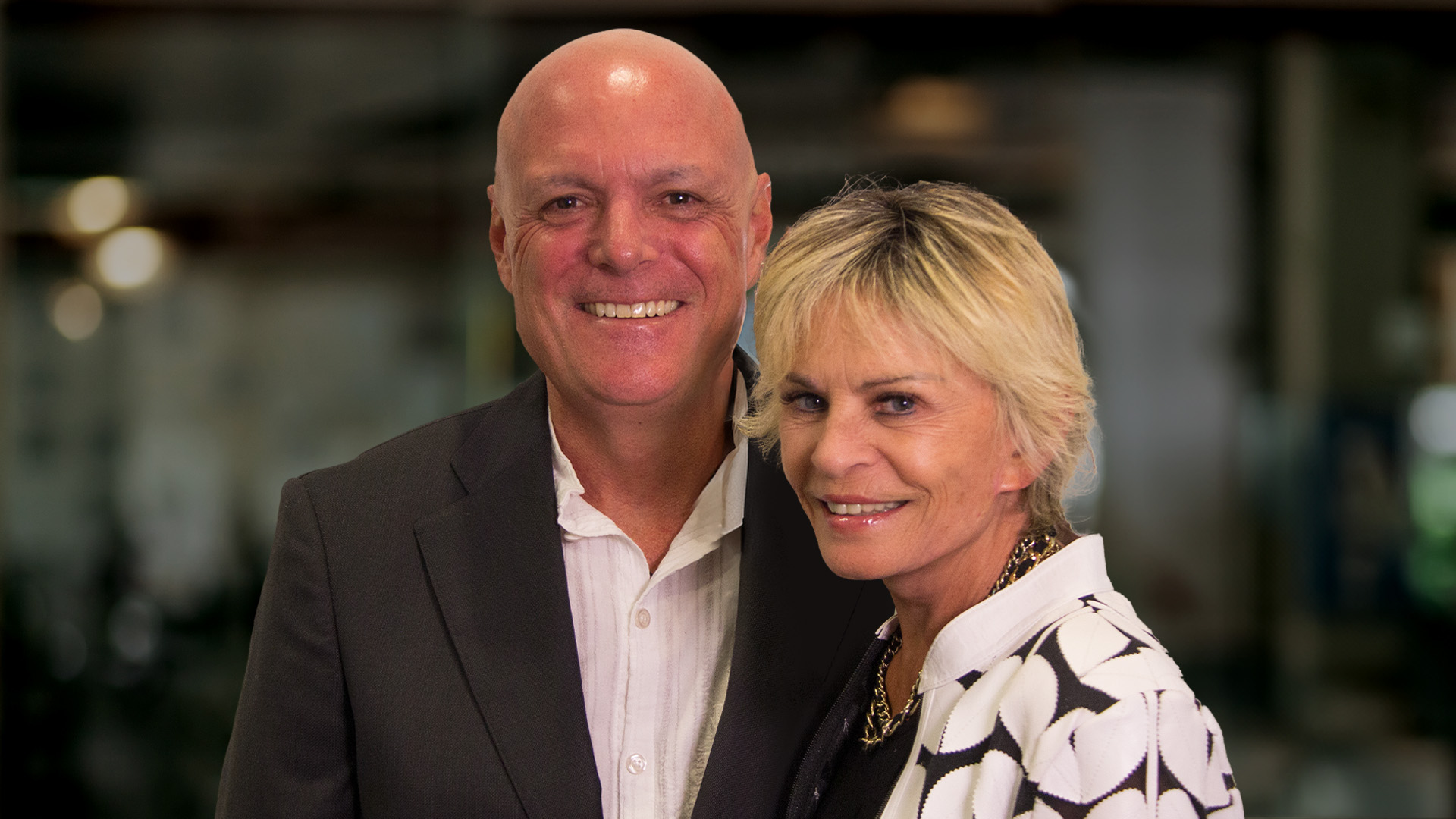
National Business Review co-owner and publisher Todd Scott has a unique view of Hooton.
In March 2018, Hooton wrote a column for NBR that former National MP Steven Joyce – now chairman of NZME, publisher of the NZ Herald – said was defamatory of him.
Hooton apologised and contributed to Joyce’s legal costs.
The NBR, however, stood firm. Joyce sued the publication and Scott.
Joyce won his case in the High Court along with legal costs of almost $270,000, but the Court of Appeal later overturned that decision.
In the appeal judgment, Justices Miller, Goddard and Brown said Hooton had a reputation for being provocative.
“A reasonable reader of the article’s exaggerated and colourful prose would understand that it was, as Fourth Estate pleaded, intended to be an entertaining ‘hit’.
“There is nothing improper in the conduct that this passage, properly understood, alleges. It might perhaps be described as petulant,” the judges said.
Scott was unimpressed that Hooton had apologised early to Joyce.
He noted on LinkedIn yesterday that Hooton had not worked as a journalist.
“Should the power and influence of a newsroom sit with someone who has never had to carry the responsibility of journalism?
“Journalism isn’t simply writing opinions. It isn’t access, influence, connections or having powerful friends.
“Journalism is standing behind what is published when the pressure arrives. When lawyers arrive. When reputations are on the line. When there is personal and financial risk attached to every word.
“The public sees the byline. What they don’t see is the responsibility that comes with it. The legal responsibility. The ethical responsibility. The accountability. The willingness to defend what has been written when it becomes difficult, expensive and uncomfortable.
“That is why I find this appointment so unimaginable. Should we value influence and political connections? Or should we value people who have demonstrated a willingness to stand behind the published word when it matters most?”
In 2024, Hooton also apologised for comments he had made on a podcast about former National Party leader Don Brash during a heated debate about the Treaty of Waitangi and the advocacy group Hobson’s Pledge.
An enchanting CV
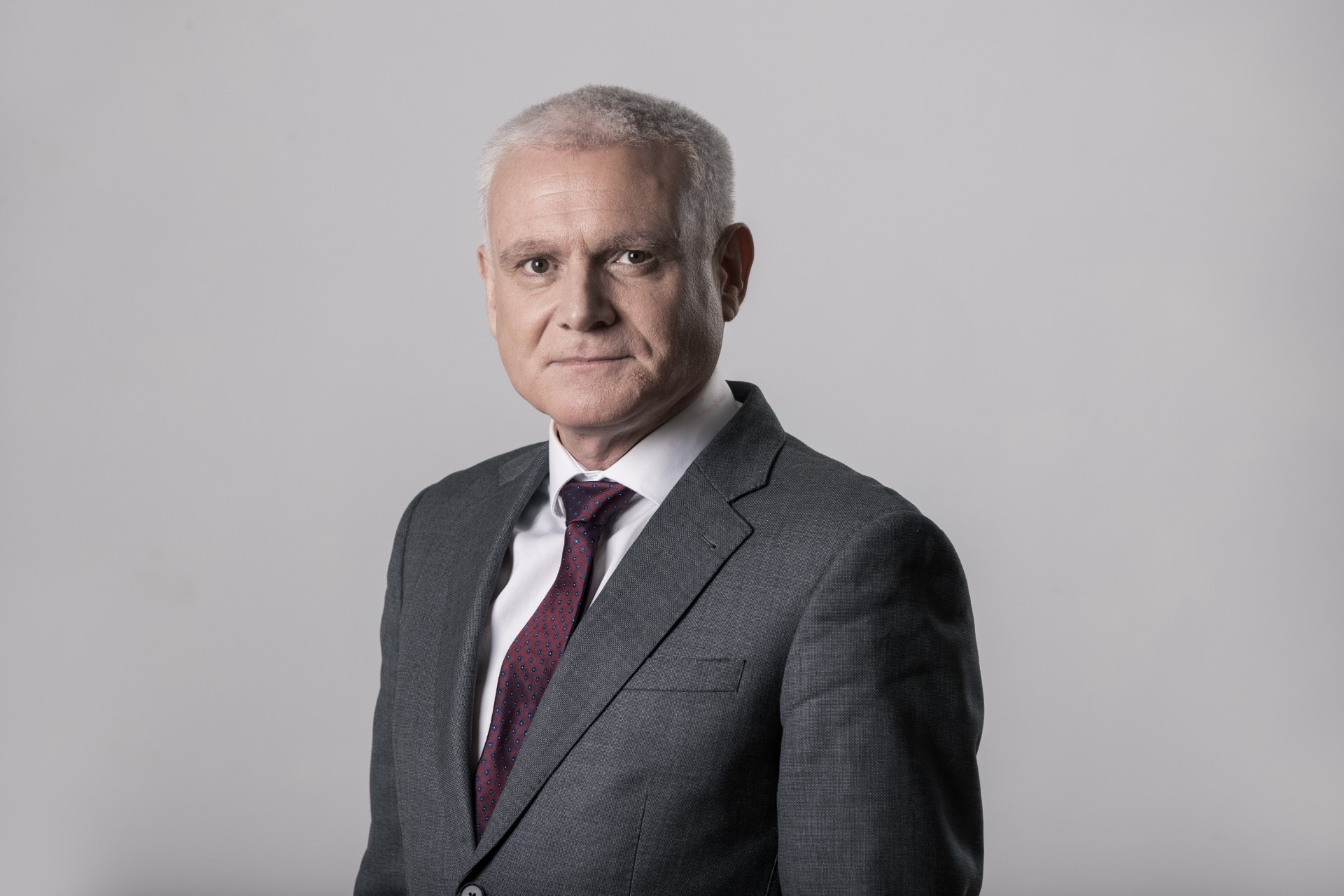
Media Insider has sought an interview with Hooton; he is yet to respond.
His CV is peppered with myriad roles: speechwriting, political strategist and operative; PR specialist and lobbyist and even Mongolia’s honorary consul in New Zealand. He’s come and gone from Parliament multiple times – mainly attached to the National Party (including as a summer intern speech writer for Lockwood Smith), but he’s also spent some time with Act.
He was once appointed the head of communications at Fonterra. “I was completely out of my league,” Hooton told The Spinoff’s Toby Manhire in 2019.
Last year, he told Manhire of his Mongolian links: “When I was a little kid, I had a map of the world on my bedroom wall. The Soviet Union and China were both in yellow, and there was this green island in the middle – a landlocked island. I thought: I wonder what that is. So that’s why I first became interested.”
David Farrar said of The Post appointment: “Matthew did not seek out this role. He was headhunted for it. He has been exceedingly happy as a visiting associate professor at the National University of Mongolia. He doesn’t need the job – he is doing it for the challenge."
Another source said, “He will also need a crash course in media law!”
On Newstalk ZB on Monday evening, Finance Minister Nicola Willis praised Hooton as a writer but also said there were things he had got entirely wrong. Asked how she felt he would fare, Willis said: “Well, I always hope that everyone gets the success they deserve.”
Now that’s a line that Hooton might have been proud of writing.
Editor-at-Large Shayne Currie is one of New Zealand’s most experienced senior journalists and media leaders. He has held executive and senior editorial roles at NZME including Managing Editor, NZ Herald Editor and Herald on Sunday Editor and has a small shareholding in NZME.