Media Insider: Mark Sainsbury’s new business venture - with a personal twist; TVNZ’s forecast $48.8m losses; Inside Sky’s ‘super intense’ NRL rights win
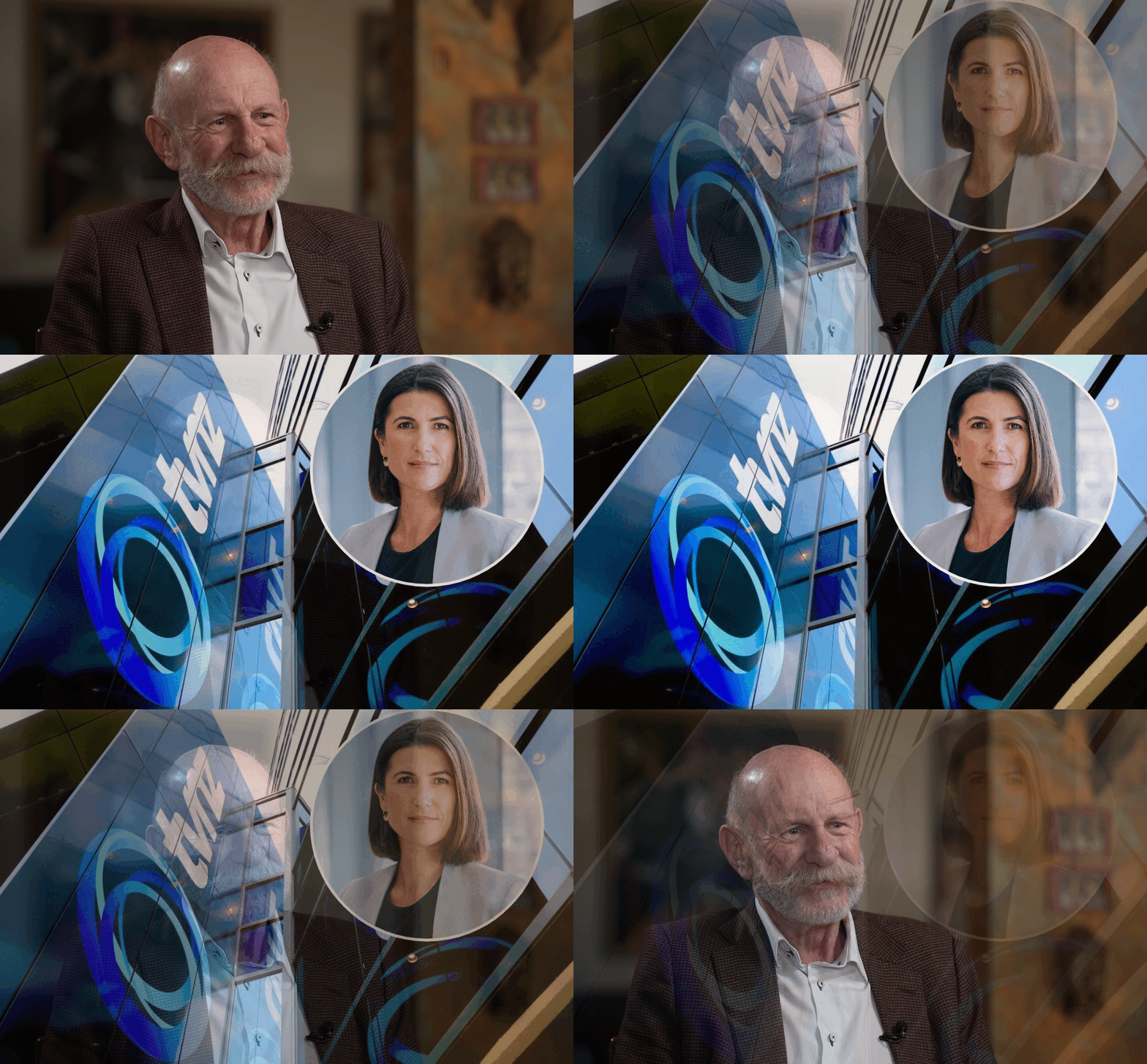
One of New Zealand’s best-known broadcasters unveils a new business venture - with a poignant twist; Revealed: Why TVNZ is set for a $48.8m hit as it reinvests; Inside Sky TV’s ‘super intense’ NRL rights win; Govt considered scrapping domestic screen production rebate.
Mark Sainsbury, the then political editor for TVNZ, received the call on a quiet Friday as he was working in the parliamentary press gallery. A neighbour reported an ambulance outside his father’s home.
“We’re really sorry,” the neighbour told Sainsbury, back in May 2001. “We think your dad’s had a heart attack.”
Sainsbury, with “tears pouring”, immediately hightailed it to the Hutt Valley in his Mark II Jaguar. “I just screamed out there. They were ringing on the way, and I said, ‘I don’t want to know, I don’t want to know’.”
Devastatingly, the heart attack was fatal – by the time Sainsbury arrived, his father, Robert Sainsbury, had died.
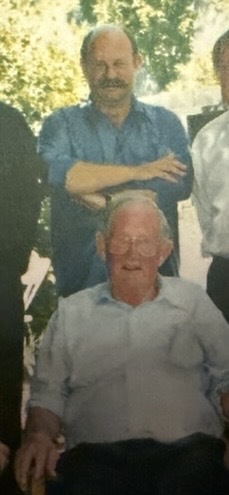
Just a couple of weeks earlier, Sainsbury had sat down with his father, a World War II veteran, for 15 minutes for an interview for TVNZ to talk about his four years as a prisoner of war in Crete.
Sainsbury was previewing his own visit to Greece with then Prime Minister Helen Clark to mark the 60th anniversary of the Battle of Crete.
The interview with his dad was to be the last time Sainsbury saw him alive – the image of him happily chatting in his favourite chair, a La-Z-Boy, is ingrained, and that 15-minute conversation, now preserved on DVD, is one of Sainsbury’s most precious items.
Now, 25 years on, that heartbreak has been top of mind for Sainsbury, who has teamed up with former TVNZ executive producer Antony Stevens for a new venture, “I Always Meant to Ask”.
The pair are using their broadcast, interview and production skills to offer keepsake video interviews to families of loved ones.
They are creating personal, broadcast-quality interviews and films that tell the stories of people’s lives.
“That’s the whole thing of this – I always meant to ask,” Sainsbury says, reflecting on the life of his own father, who, like so many of his generation, had not talked about the war after they returned home.
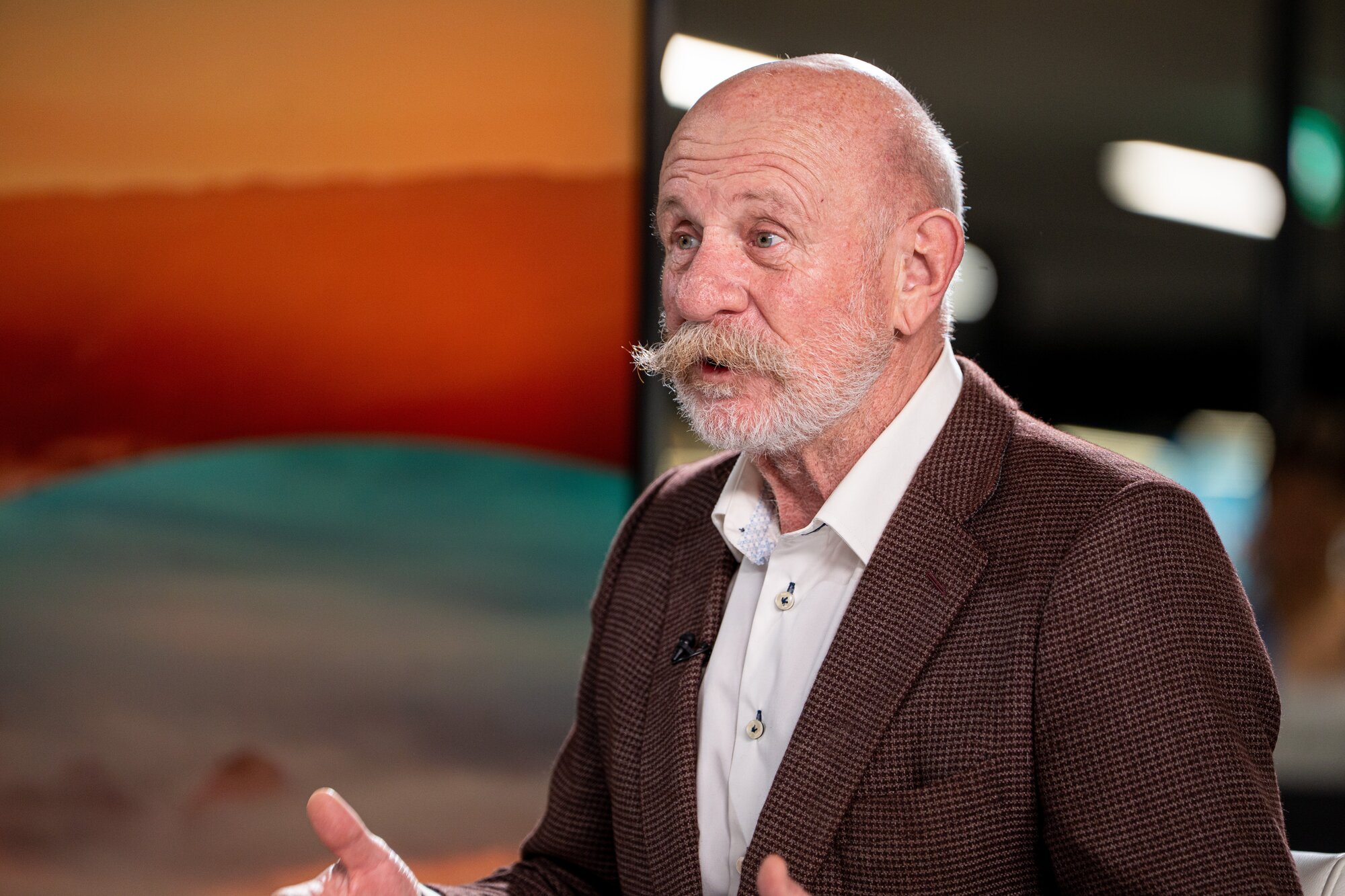
For Sainsbury and Stevens, that applies more broadly – to families who may not have taken the time to sit with a loved one, to ask them fully about their lives, and to preserve memories.
“Everyone has that. We always meant to ask. We’ve never talked about this, never talked about that,” Sainsbury says.
He and Stevens believe there will be children and grandchildren who will be motivated to organise interviews with loved ones, and others who will want to get their own stories recorded.
“I’ve worked in media all of my life – how difficult would it have been to sit with our parents for a couple of hours at some stage? We all put it off, we all mean to do it, and we never do it.”
Sainsbury, who conducts the interviews, and Stevens are offering three tiers of packages.
According to their website (Ialwaysmeanttoask.nz), the “essential” package for $4500-$6500 is a half-day shoot for a 30-60-minute film; the “signature” package for $7000-$10,000 is a 60-90-minute film with added extras; and the “legacy” package for $10,000-$15,000 is a fully produced documentary across multiple days.
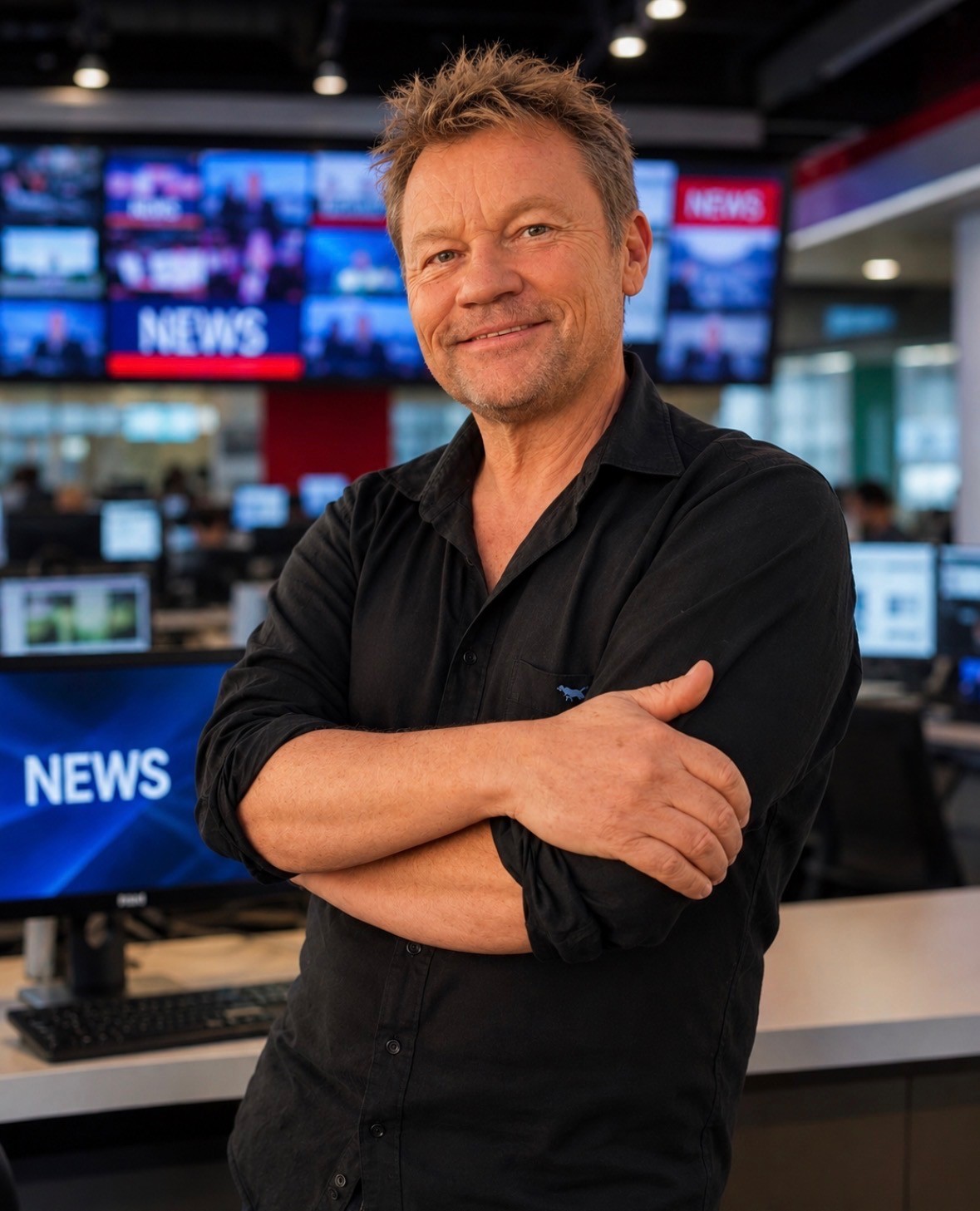
The pair say they, by chance, had been thinking of a similar venture before they joined forces.
Stevens, a former executive producer of Seven Sharp, Breakfast and Fair Go, recalls watching the movie Amadeus, based on the life of Mozart.
“It made me think of my stepdad, who is 88 and a lover of classical music. I wondered where Mozart ranked in his top composers and then thought, there are actually so many questions I need to ask about his wonderful life before it gets too late. That was the lightbulb moment for me.
“Everyone needs to capture these family stories from their elders before it’s too late. Once captured on film, it can be passed down through the generations to come.”
One of Sainsbury’s great talents is his ability to connect with people. He’s regularly approached on the street for a chat – even if he laughs that some people can sometimes be a little mixed up about which shows he hosted.
The former TVNZ political editor and long-time 7pm Close Up host was not a Fair Go presenter, for example.
“It is great to be doing something,” Sainsbury, who is Wellington-based, says.
He also volunteers at the SPCA and works with other agencies and organisations, and he leads the annual Men’s Health Week.
And despite that 15-minute sitdown with his dad just a couple of weeks before his death, he knows there could have been more things he could have asked.
Such as the time Sainsbury’s grandfather and his brother headed to Argentina in the early 1900s to buy a farm with a bag of money.
“They spent the lot. There was a rumour that my grandfather’s brother fired a gun off in some house of ill repute in Buenos Aires and missed the Prince of Wales by a matter of inches.
“My great-grandmother hadn’t heard from the boys, so she got on a sailing ship and went over and dragged my grandfather back to Wairoa. Imagine leaving Buenos Aires in the 1900s and arriving back in Wairoa.”
He knows he could have asked his own dad more about that. “There’s the frustration because when they’re gone, they’re gone – it’s too late.”
But he is delighted to have a recording of his TVNZ interview. “I’m so pleased I got it – there he is, all the mannerisms ... and then the frightening thing is you start to see elements of yourself!”
Digital reinvestment: TVNZ’s forecast $48.8m losses
TVNZ is forecasting almost $50 million of cumulative losses across two years as it invests in its transformation from a traditional broadcaster to a digital-first media business.
TVNZ is forecasting a $20.7 million financial loss in 2026 and a further $28.1m loss next year as the state-owned broadcaster deliberately and heavily invests in its five-year digital strategy.
The broadcaster has previously signalled that it would fall into the red over the next two years – the scale of those expected losses has now been revealed in its new statement of performance expectations.
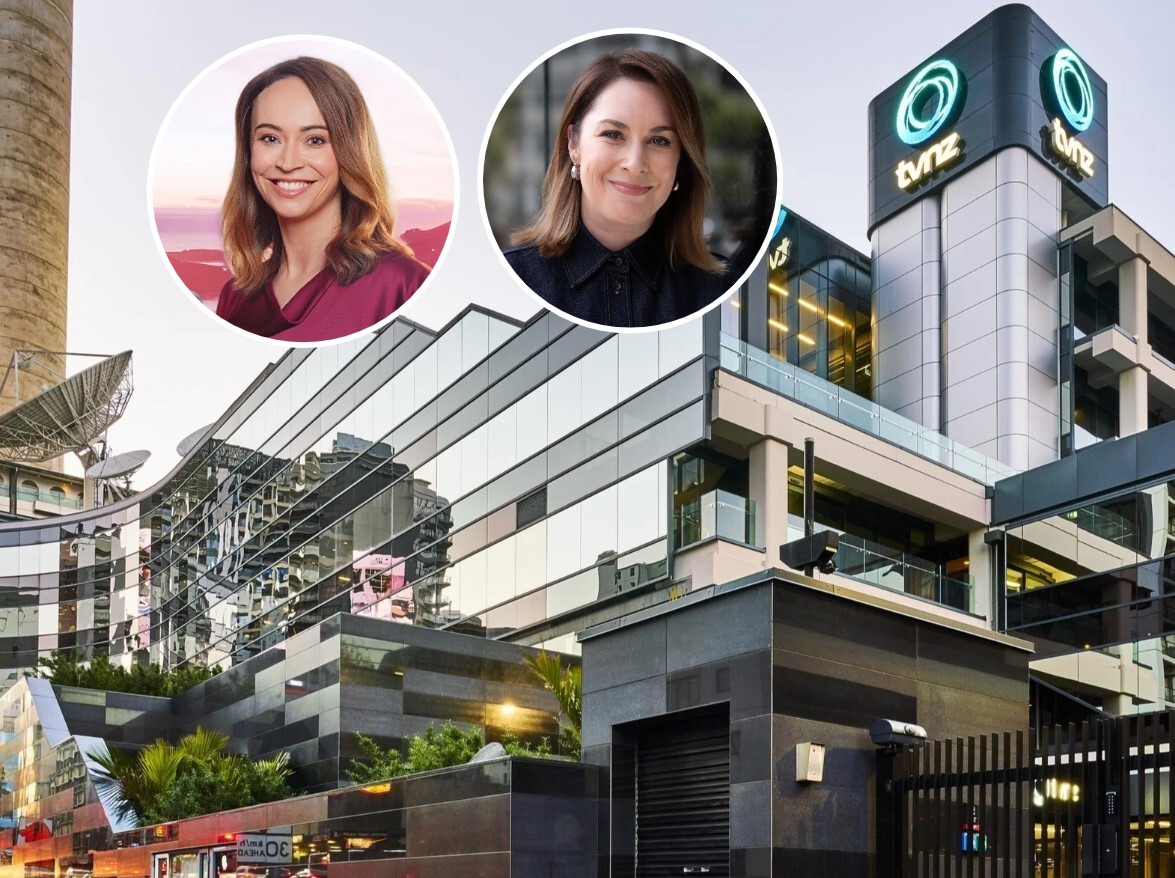
TVNZ is a Crown-owned entity – it is not funded by the taxpayer, with almost all of its revenue coming from advertising.
However, its financial performance has been under heavy scrutiny from the Government, following several years in which it did not pay a dividend.
News tip? Feedback? Email shayne.currie@nzme.co.nz
It returned to paying a dividend last year – a $3.1m payment on the back of a $10.7m profit – but TVNZ does not expect to pay a dividend in its 2026/27 financial year as it focuses resources on its digital transformation programme.
That strategy aims to double TVNZ’s digital audiences, triple its digital revenue and deliver sustained profitable earnings by 2030.
Earlier this year, TVNZ announced a $2.4 million net after-tax profit for the six months to December 31 and a $1.6m dividend. This was on the back of revenue of $134m for the six-month period, down 12% on the same period in the previous year.
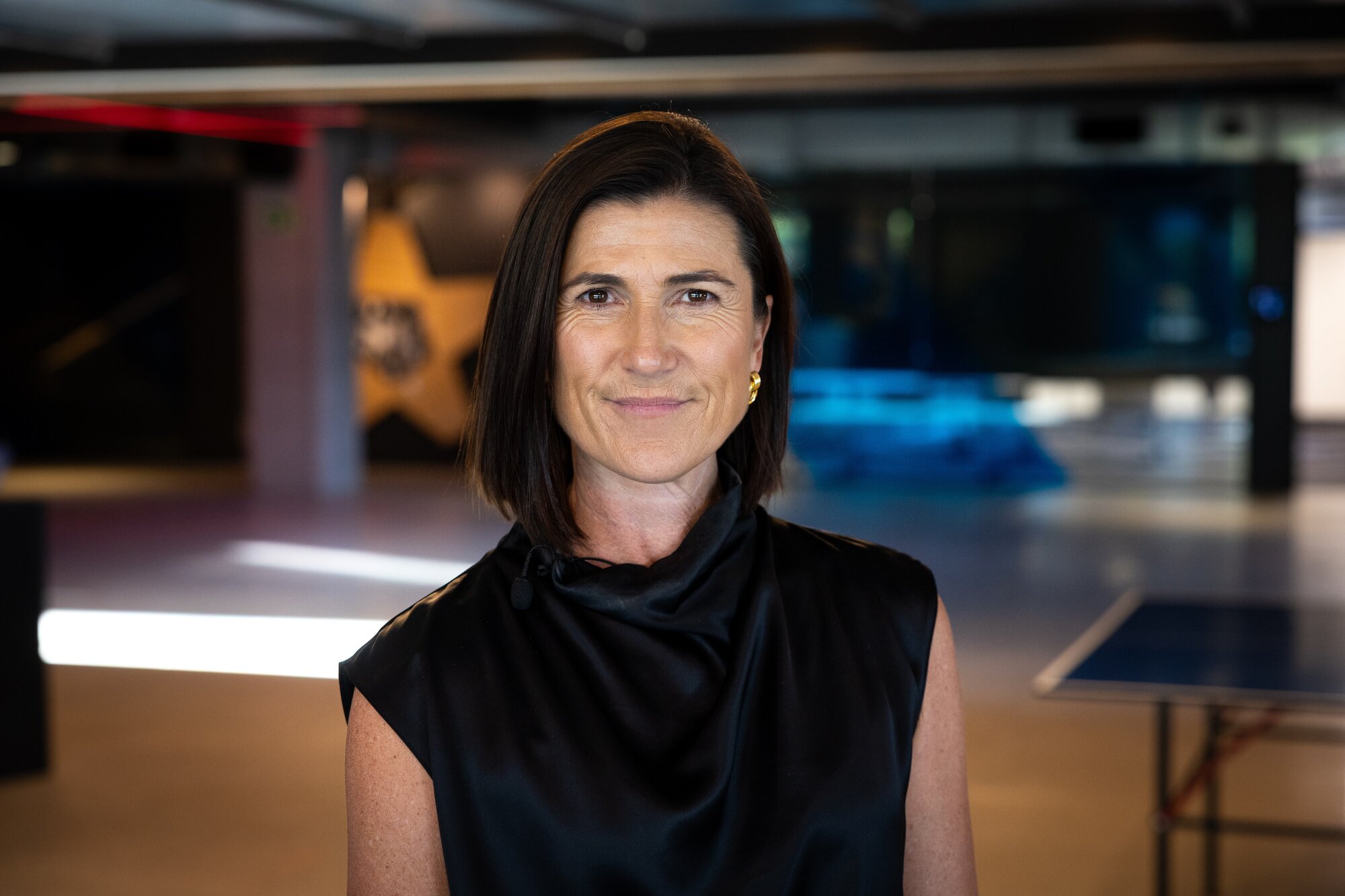
At the time, TVNZ chief executive Jodi O’Donnell said the company’s full-year result would be a “relatively sizeable loss” but one that was also “well planned”.
“We’re clear around what we’re delivering for that value, so it’s an investment that will set us up long term,” O’Donnell said then.
She would not say what the loss was expected to be, but the new statement of performance expectations lays it out: a forecast $20.7m loss for the 12 months to June 30, 2026 and a budgeted $28.1m loss for the 12 months to June 30, 2027.
TVNZ is investing tens of millions of dollars in its digital capabilities, most notably headlined by its investment in TVNZ+ and the ability to introduce pay-per-view events and subscription television.
That new technology has been on show with its coverage of the Fifa World Cup.

The move into paid streaming marks the biggest business shift in TVNZ’s modern history, creating a new revenue stream beyond advertising and the traditional free-to-air model.
As well as the new TVNZ+ platform, the company is also investing in a cross-platform advertising system, a new audience measurement tool, the replacement of legacy broadcast technology and content management and supply-chain systems.
The investment – and financial losses – are being covered by its reserves.
TVNZ’s balance sheet remains strong, with equity forecast to be $231.2m at the end of its 2026/27 financial year.
In an accompanying statement of intent, TVNZ says: “Successfully delivering the first three years of our Digital+ strategy positions TVNZ to achieve sustainable growth from FY28 onwards.“
TVNZ’s confidence in the strategy is reflected in its digital revenue forecasts, which are projected to grow from $67.8m in FY25 to $94.1m in FY27.
In a statement yesterday, a spokeswoman said: “As previously signalled, TVNZ expects to report a loss in FY26 and FY27 as we deliberately invest in technology that will support our future growth.
“This is a planned, one-off investment being funded from our cash reserves. It’s showing up for New Zealanders in products and services like a new TVNZ+ platform and our first paid product for the Fifa World Cup.
“We will share more details on our FY26 performance and progress when we release our annual results.”
Industry headwinds
TVNZ’s accompanying statement of intent also outlines the many pressures facing the broadcaster and other local media, including the battle against global streaming services for audiences; advertising revenue shifting to Google, YouTube, Meta and other digital platforms; and traditional content suppliers such as Disney and HBO introducing their own direct-to-consumer services.
TVNZ also described smart TV manufacturers such as Samsung and LG as “media businesses in their own right”, seeking commercial arrangements from broadcasters for prominence on smart TV home screens.
“New Zealand has materially fewer media regulatory protections than comparable markets such as Australia and the United Kingdom,” TVNZ states.
“To maximise long-term commercial sustainability, TVNZ’s digital strategy must be supported by appropriate regulatory measures that help level the playing field with global platforms that do not reinvest meaningfully in the local market.
“Over the forthcoming period, TVNZ will continue to work constructively with Government to advance a regulatory environment that supports a healthy and sustainable media ecosystem - one that protects the prominence of trusted local journalism as a key foundation of democracy, enables New Zealanders to see themselves reflected on screen, and ensures domestic operators can compete on fair terms with global platforms that operate without equivalent obligations.”
‘Super intense’: Inside Sky’s NRL rights win
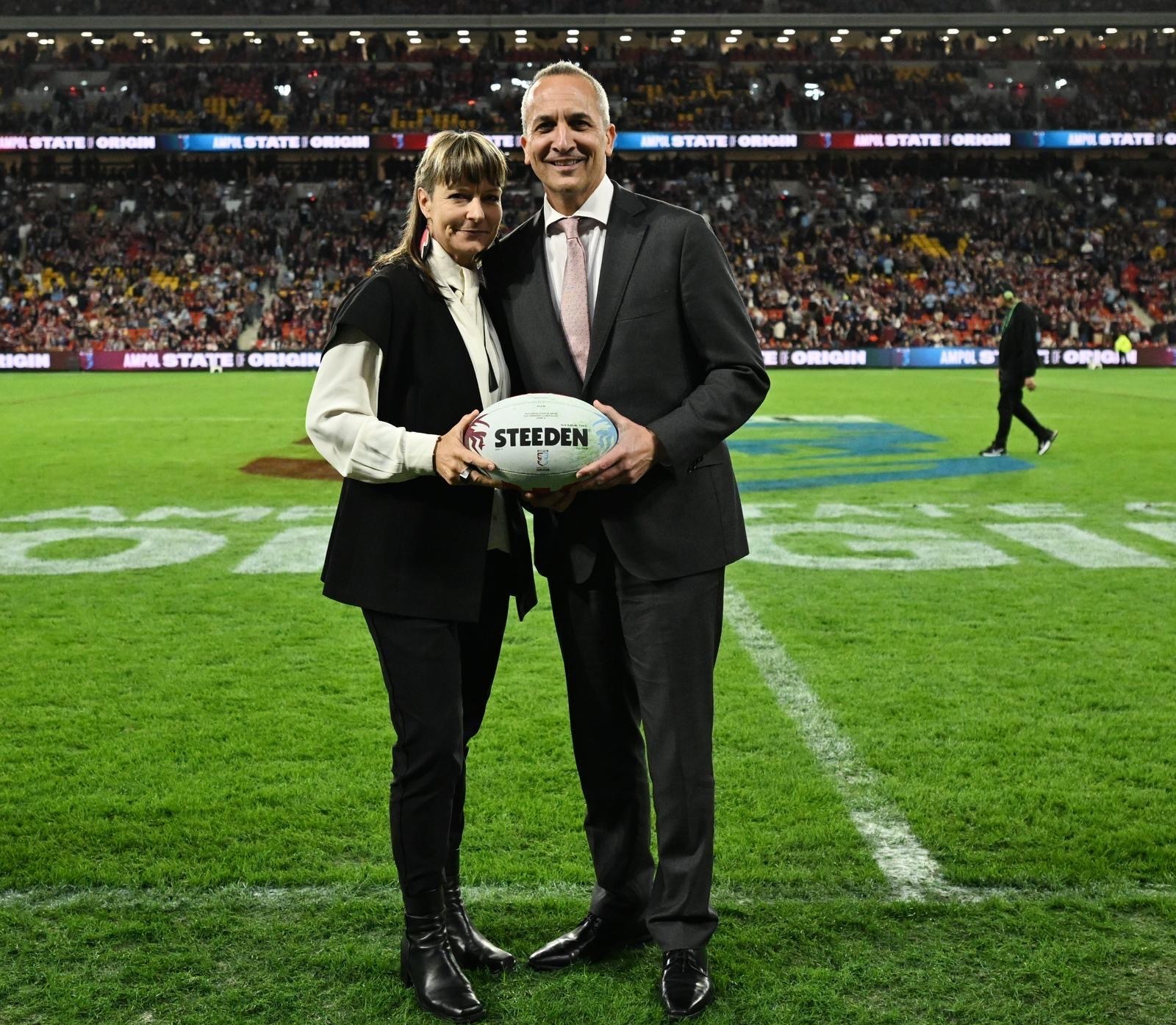
Sky TV has revealed it had just three months to officially pull together its successful NRL rights bid and that chief executive Sophie Moloney was heavily involved as part of a “super intense” team effort that also included a specialist board committee.
Retaining the rights was critical for Sky, especially as TVNZ becomes a viable and aggressive competitor for sports rights – a season-long sport such as the NRL would give TVNZ a huge boost as it embarks on its new subscription strategy.
TVNZ is, rightly, earning plaudits for its current football World Cup coverage. Despite myriad issues with the new-look TVNZ+ app a couple of months ago, most of these have now been ironed out.
TVNZ’s World Cup Event Pass price of $44.95 has also been praised by football fans and viewers as highly affordable.
But with Sky having been involved with the NRL for three decades, it was always going to be tough to knock the incumbent from the pedestal.
And the amount of money that Sky has reportedly paid for the new seven-year deal – reportedly $A50m ($61m) per year, around $15m-$20m more than the current package – was likely well out of TVNZ’s league right now.
Across seven years, that’s an investment of more than $400m for Sky.
Tender documents for the rights were issued in mid-April, and the NRL wanted the rights resolved by mid-July – that’s when NRL chief executive Andrew Abdo is departing the organisation to become the boss of Tennis Australia.
Despite that short, three-month timeframe, Sky says its “deal strategy” planning began in advance.
“Our NRL planning included assessing viewership data, fandom trends and financial scenario planning – drawing on expertise across our commercial, data and insights, finance, content, customer, marketing and legal teams," Sky chief corporate affairs officer Chris Major said.
“We had a clear view of the value of NRL to our customers and our business, which informed our deal strategy when the process began. We also had the conviction that we are the best partner for NRL in this market – we understand the game, our Sky Sport team delivers it with passion and skill to Kiwi fans, and we’ve been committed to helping its growth in NZ."
As well as Moloney, key commercial leaders and legal team members were involved in the deal and negotiations.
Sky’s board and its content rights committee – chairman Philip Bowman and directors Keith Smith and Mike Darcey – were available for guidance and input at all hours.
“It was a super-intense effort by the team, and everyone’s delighted,” Major said.
Goldsmith weighed pulling the plug on domestic screen rebate
A newly released Cabinet paper reveals Arts, Culture and Heritage Minister Paul Goldsmith considered winding up New Zealand’s domestic screen production rebate before successfully making the case for $185.3 million to retain it over the next four years.
The Government backed the domestic rebate in the Budget, saying it was vital for screen sector jobs and investment and local storytelling despite growing pressure on the Crown’s finances.
The rebate scheme, which provides qualifying local TV and film productions with a 40% cash rebate on eligible spending.
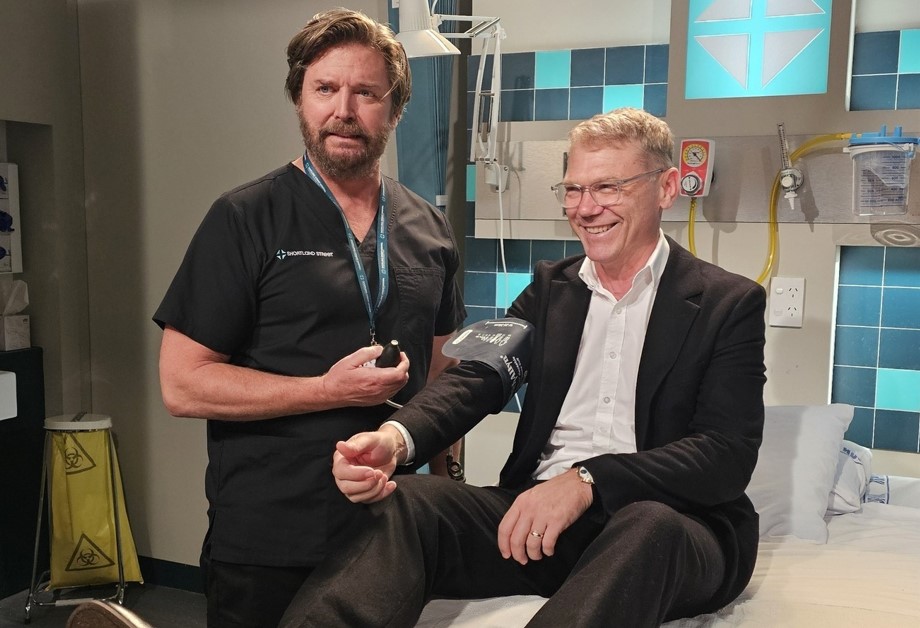
In a newly released Cabinet paper, Goldsmith said the rebate’s success had created “significant cost pressures”.
The programme’s annual cost had steadily climbed since its funding baseline was set in 2014, forcing successive governments to repeatedly top it up.
“Given this Government’s focus on fiscal discipline ... I have considered winding up the NZSPR-NZ. That would have major impacts for the screen sector workforce, its cultural contribution and its economic value.”
Over the last five years, the domestic rebate had generated more than $635m in qualifying spend in NZ, he said, with more than 40% of production budget finance coming from overseas - equating to around $278m in international investment.
The paper cited a sector employing around 24,000 people and contributing about $3.5 billion to the economy.
Goldsmith said the domestic rebate was also a critical counterpart to the international screen rebate.
The Government opted to tighten some settings to reduce future fiscal risk while making other changes designed to stimulate growth and attract more international investment into New Zealand-made productions.
The little-used “additional rebate” - which allowed some productions to receive up to $20m in taxpayer support – was removed. The Cabinet paper noted only two productions had ever accessed that higher level of funding — The Luminaries and The Convert – but ministers viewed the provision as an unnecessary long-term fiscal risk.
At the same time, the Government doubled the standard project cap from $6m to $12m, removed restrictions on claims for high-profile creative talent and lowered eligibility thresholds for feature films.
Those moves were to help encourage larger and more internationally competitive productions, while supporting the creation of New Zealand intellectual property with export potential.
Mānawatia a Matariki! Don’t miss more Media Insider content this weekend.
Editor-at-Large Shayne Currie is one of New Zealand’s most experienced senior journalists and media leaders. He has held executive and senior editorial roles at NZME including Managing Editor, NZ Herald Editor and Herald on Sunday Editor and has a small shareholding in NZME.