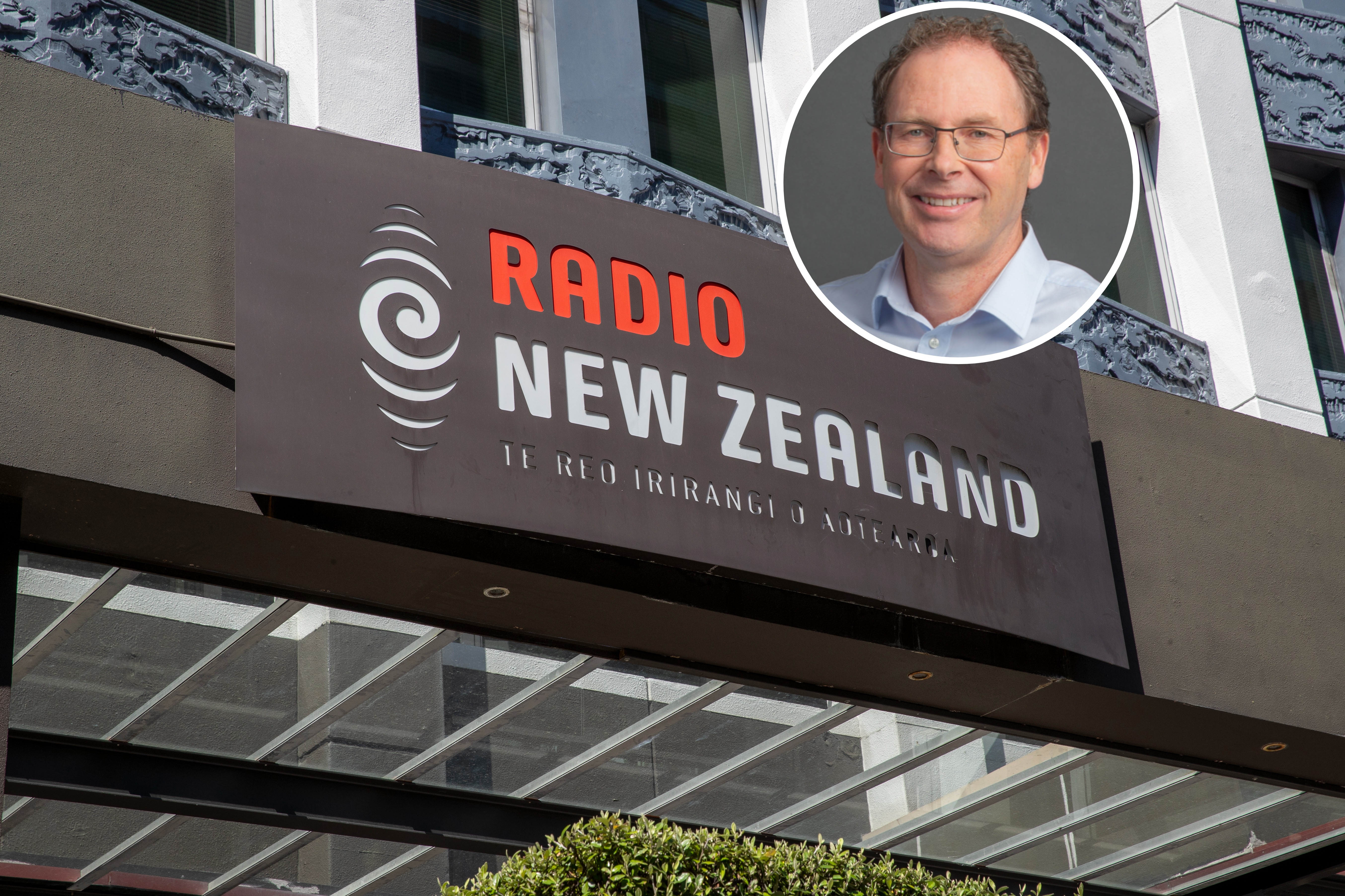
Media Insider: New RNZ chairman Brent Impey on ratings, trust, shows and talent: ‘I want to win’
On his first day in the role, RNZ’s new chairman opens up on radio ratings (‘not good enough’), trust levels, talent and the opportunity to change perceptions of the public broadcaster through a focus on impartial journalism.
Brent Impey has been in the hot seat as RNZ chairman for less than a day and is already coming out firing: “I want to win”.
In a small corner room of RNZ’s flash new offices in central Auckland – the organisation is now on the sixth and seventh floors of TVNZ’s headquarters – he’s specifically referring to RNZ National’s listenership, the broadcaster’s public trust levels and its news website performance.
“If you look at the major [radio] competitor, Newstalk ZB, which is rating extremely well, as you say in your column every week ... I get that, I understand that, [but] we’re coming after you,” says Impey.
Fighting talk that has possibly been missing, at least publicly, from the public broadcaster in recent years.
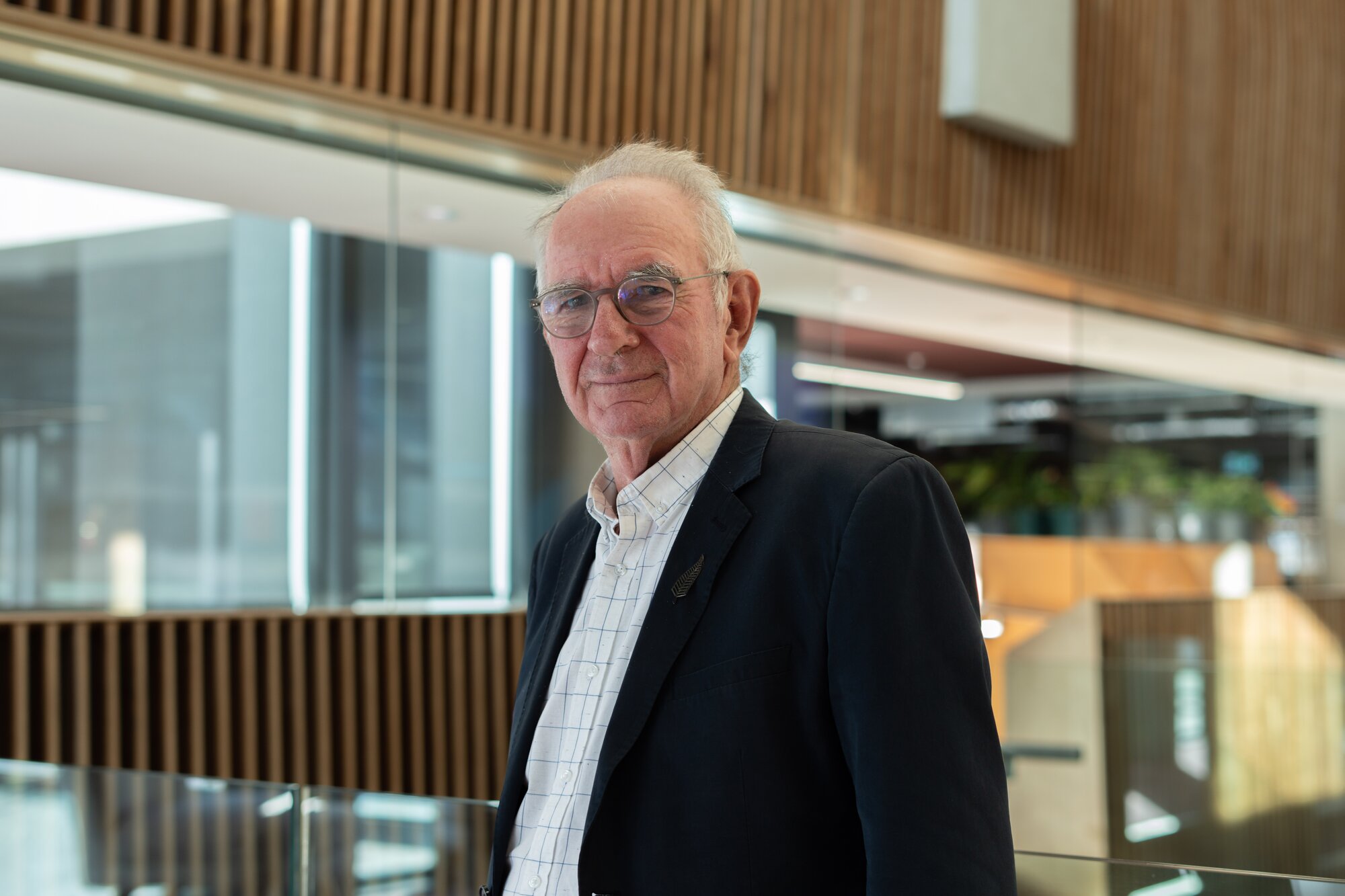
“I believe we can adopt a more winning attitude and, look, there are tremendous advantages for RNZ,” he says.
“A little bit of depth into this: I remain firmly of the view that RNZ ... has to be non-commercial. It cannot compete for commercial advertising. It’s not fair to the commercial operators, and also, it’s inappropriate for this organisation.
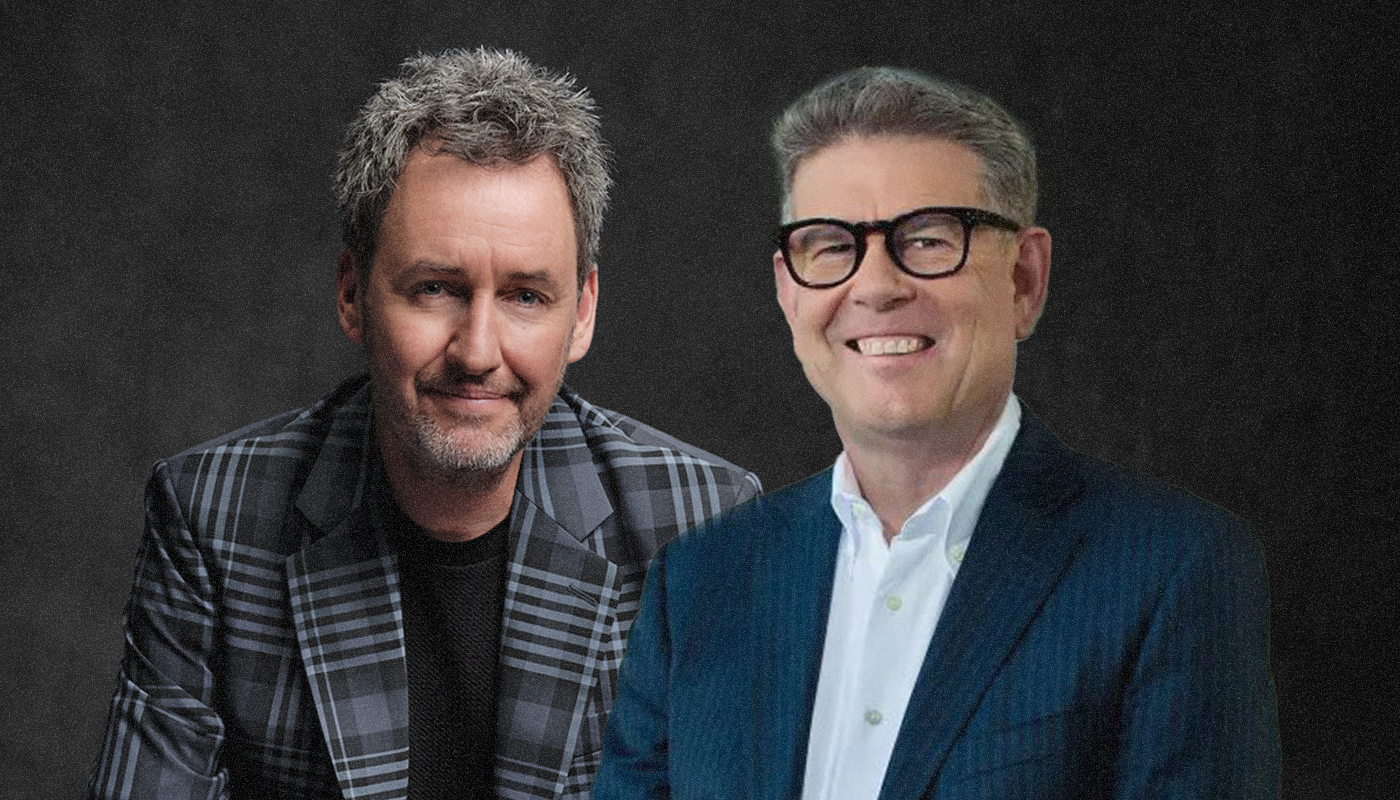
“But with that come advantages. Mike [Hosking, ZB’s breakfast host] is running 18 minutes of commercials an hour.”
Hosking’s show actually has just under 16 minutes of ads an hour, say insiders, but the point is, as Impey states, “RNZ’s running none”.
“So that provides at least an opportunity to be a substantial competitor.
“I’ll be quite clear about this. I believe we should be aiming to win ratings, win audience, and the more audience you gain, the more that you are providing a return for the taxpayer.”
Six years ago RNZ was the country’s No 1 radio station. It’s now No 6, behind NZME’s Newstalk ZB and four MediaWorks music stations.
Impey knows these numbers well. Everything in media, he points out, is measured.
“The trust number of 56 [56% of people trust RNZ according to its internal survey work] is best in New Zealand, but it’s not good enough. The RNZ National cume [cumulative audience] of 492,000 isn’t bad, but it’s not good enough.
“The digital numbers [monthly audience] – I think Stuff’s 2.1 million, Herald’s 1.8 million, RNZ 1.6 million... we’ve got to get past the Herald and Stuff.”
RNZ talent changes
RNZ has overhauled several shows in recent times – John Campbell has started as co-host of Morning Report, alongside Ingrid Hipkiss; Guyon Espiner is now host of Midday and Saturday Morning staff, including hosts Susie Ferguson and Mihingarangi Forbes, are currently being consulted over proposed changes.
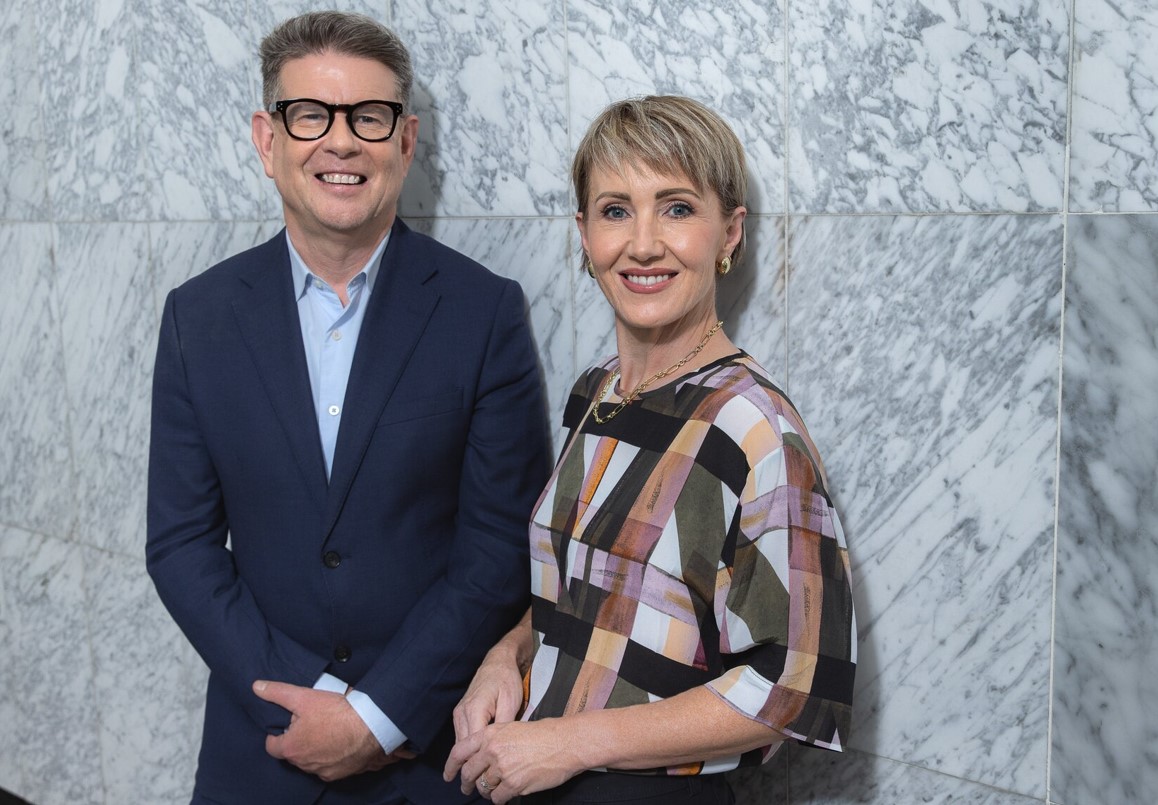
Do Impey’s comments about targeting the No 1 position mean more talent changes are possible, even for shows that have been through recent overhauls?
“That is not a governor’s role. We set the strategy, and it’s up to the management to decide, with the overall strategic direction, those sorts of choices,” he says.
He would be “happy to offer advice, but the decision on talent and the make-up of shows is for the management led by the CEO”.

Asked more generally if he thought there would be more changes, he said: “If you’re operating as a dynamic business, you’ve got to be open to change. You’ve got to go where the market’s going, and that’s the sort of guidance that I’d be giving the CEO as opposed to saying, I think X should be replaced by Y or whatever.”
Asked what his personal view was of current RNZ talent, he said: “I can’t afford to have a personal view because it’s one person’s view and now that I’ve taken on this role, it’s different criteria.
“I’ve got to operate at a different level, so I don’t have a view, and actually I’ve cut myself out of a view because of the role.”
Asked specifically about the proposed Saturday Morning changes, he says: “I’m not involved in that – no involvement whatsoever.”
He adds: “Paul [chief executive Paul Thompson] reported to the board that a process has been started, a process is underway, and – you know – my view, ‘noted’.
“But it’s about ratings. If a show isn’t rating, and we’re out here to win, we’ve got to win. So I’m totally okay with the process.”
Focus on website performance
Despite RNZ’s growth in its digital numbers in recent years, Impey sees more opportunity.
“I think we can continue to improve,” he says, before citing the performance of other public broadcasters’ websites.
“BBC’s number one, ABC’s number one, we’re number three, right? We’re here to win.”
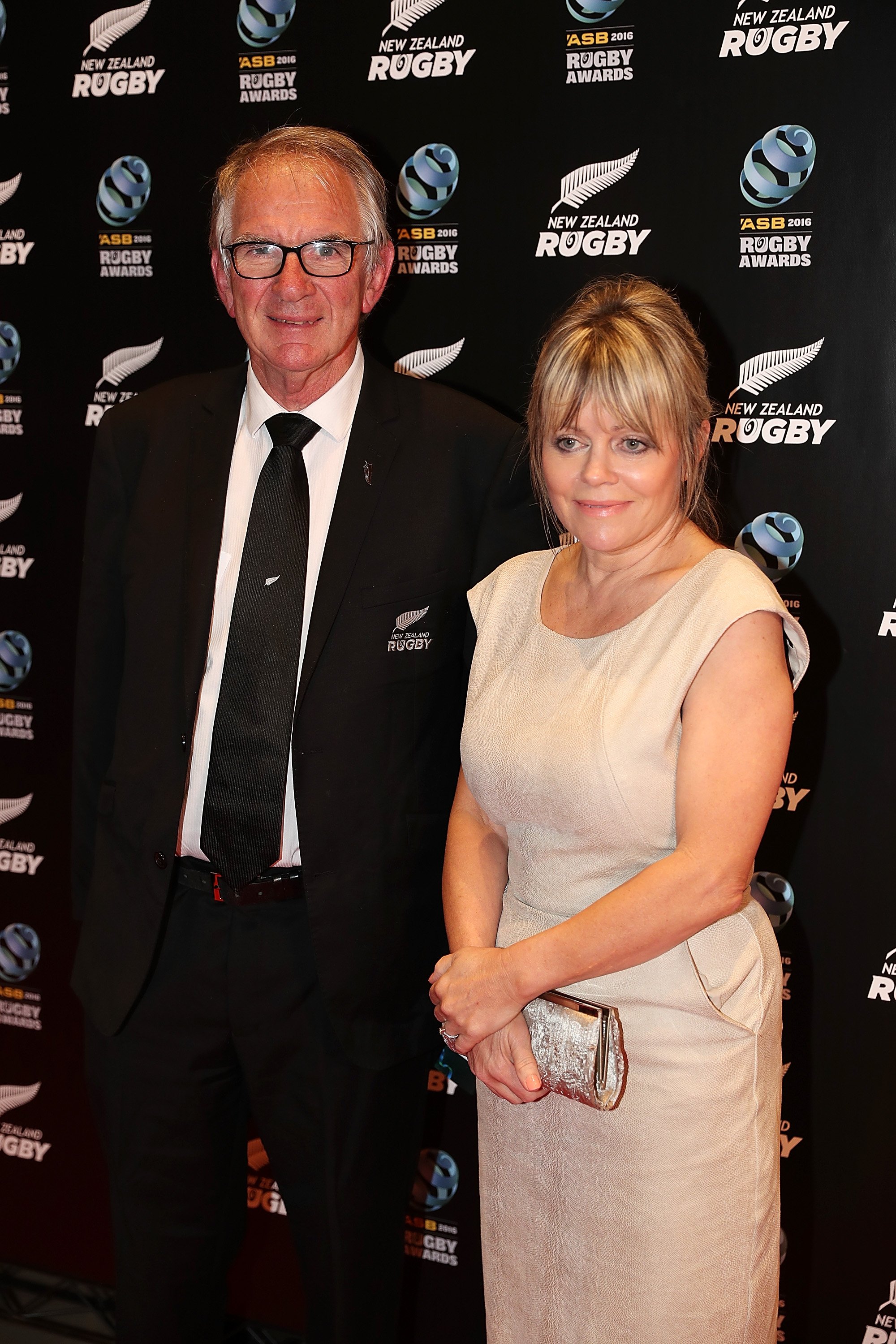
Impey is one of New Zealand’s most renowned business and media leaders. He has had a wide range of directorships and governance roles and was previously the chairman of NZ Rugby and a chief executive of MediaWorks (2000-2009).
His media career has also included board roles at the Television Broadcasters Council, Advertising Standards Authority and Radio Broadcasters Association.
Impey is the partner of MediaWorks chief executive Wendy Palmer. The pair were clear in September 2024, as was Media Minister Paul Goldsmith, that this would be managed appropriately.
Impey said at the time: “RNZ has a clear conflicts of interest policy which I agreed to upon joining the board. Adherence to this policy will ensure no issues arise.”
More generally, Impey says today: “I come from the view that the Government has appointed me as a chair, and they’ve made these appointments of people to the board, and I have made it clear my view of coming into a role like this is that we’ve got to win.
“To be honest, it’s no different from my role as chair of the Fijian Drua or chair of the advertising agency, Thompson Spencer. We had to win – that was my role at New Zealand Rugby and at MediaWorks.
“In that respect, I hope that, in advance, people know what they’re getting when they give me a gig.”
Trust and impartiality
But surely it’s not win at all costs, I pose, when RNZ also has public broadcasting principles and a public charter to meet.
Here, Impey reverts to the importance of public perception.
“We can’t do what ZB’s done and gone well to the right, nor can we do what Today FM did and went quite a way out to the left, particularly that breakfast show, and it failed.
“We’ve got to, within our realm, build trust, be impartial and drive that. So the answer is yes, as a public broadcaster, there are principles that we have to adhere to.”
Media Insider: What do you say to critics who say RNZ is left-wing?
Impey: “The trust surveys show that, and I think that the opportunity is [an] impartiality position where you are criticised by both left and right. It’s a fair question, and it’s there in the survey results, and I think it’s an opportunity.”
Media Insider: Do you think it is left-wing?
Impey: “It’s not my view that it’s left-wing. If someone perceives it that way and a large number of people perceive it that way, then the opportunity is to make the move. It’s irrelevant what I think.”
A new chief executive
Impey says his relationship with outgoing chief executive Paul Thompson is “very good”.
He and the rest of the board were advised by Thompson last December that he planned to leave at the end of this year, after 13 years as boss.
“We talk regularly already,” says Impey, who moves into the chairman role after having been an RNZ director since September 2024.
“I’m one of those who ... by going by no surprises, I don’t need to have a set time per week to talk to him. But if I’ve got a point to raise or he’s got a point to raise, ‘phone me’.”
Over the next six months, Thompson will continue to be charged with building RNZ National’s numbers, raising trust levels and further work on RNZ’s website.
Impey says RNZ is running an open process to find a new chief executive, with advertisements underway. A subcommittee of the RNZ board – Impey, Gracie MacKinlay, Mads Moller and Paula Browning – would filter candidates, with a shortlist of two or three to “come before the board for a final decision”.
He hopes RNZ can announce a new chief executive by September.
Asked what new skill sets the board would be seeking in a chief executive, Impey says: “The view of myself and the new board is that we’re going through a really dynamic, transformational time in media. RNZ’s got to be part of that to provide the value for the shareholder [which] equals the New Zealand public.
“The skills we are requiring are media skills, the ability to transform – a lot of that transformation can be in technology and [someone who] knows how to work in an ever-changing, dynamic industry.
“To be honest, I would be very surprised if it wasn’t someone with media experience.”
As Media Insider revealed last Friday, RNZ is separating out the chief executive and editor-in-chief roles – both currently held by Thompson.
“If I go back to my broadcasting days at MediaWorks, one of the things that occurs, particularly in a small country like New Zealand, is pressure, whether it’s commercial pressure or political pressure, on the CEO.
“Back in those days, when I first got there, we decided to prepare a deed of editorial independence, which was done between Mark Jennings as head of news and myself and that served us very, very well.
“Because if those pressures come on – and they can come on in tight times and traumatic times – it’s important that the organisation’s editorial independence is known.
“I’m very strong on that issue of editorial independence.
“Given where New Zealand’s at, given where the organisation’s at, given we want to build trust – so it’s linked to trust – the separation of these two roles makes sense.”
He expected RNZ’s head of news, Mark Stevens, to take on the editor-in-chief role.
Asked how he himself would handle any pressure from politicians, Impey is steadfast.
“I am more than open to talking with the minister if he wants to talk to me, any Opposition broadcasting spokesperson, any politician, leader, or otherwise. [I am] completely open because they are the Government, they represent the taxpayer.
“But ... if it ever moved to editorial, no.”
He says he would simply tell them it’s inappropriate.
“My role is to make sure we operate within budget, we operate according to the charter, we operate according to what’s been agreed with the Crown.
“All of that, no problem. I believe we should be very open. Hence this sort of interview.”
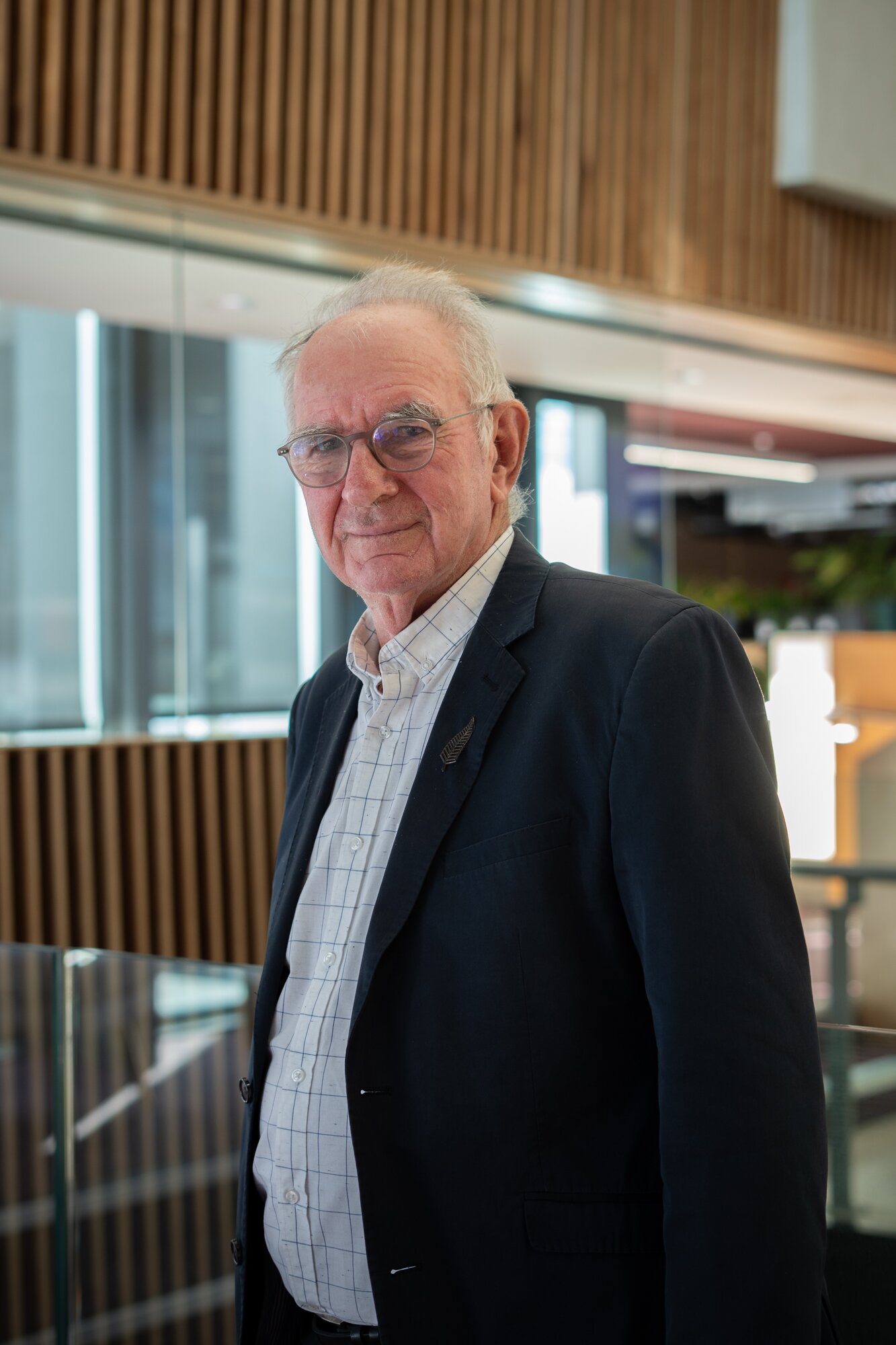
Broadcaster facing budget cuts
RNZ is also facing hefty budget cuts – 7% for the past 12 months, 2% for the current year and 5% next year and the following year.
“I believe that through a combination of technology and focused goals and other goals we’ve been talking about, I think we can get there.”
Does he expect more staff cuts? RNZ had 349 staff as of November last year.
“The first thing is to come up with a plan – the plan to achieve those goals.
“Once you’ve done that, and you put your structures in place, then you know what your staff numbers are like, whether you need more or less. Technology is a terrific help in this space now.”
Editor-at-Large Shayne Currie is one of New Zealand’s most experienced senior journalists and media leaders. He has held executive and senior editorial roles at NZME including Managing Editor, NZ Herald Editor and Herald on Sunday Editor and has a small shareholding in NZME.