Media Insider: RNZ salary costs rise $5m, number of people earning more than $100,000 increases from 145 to 178
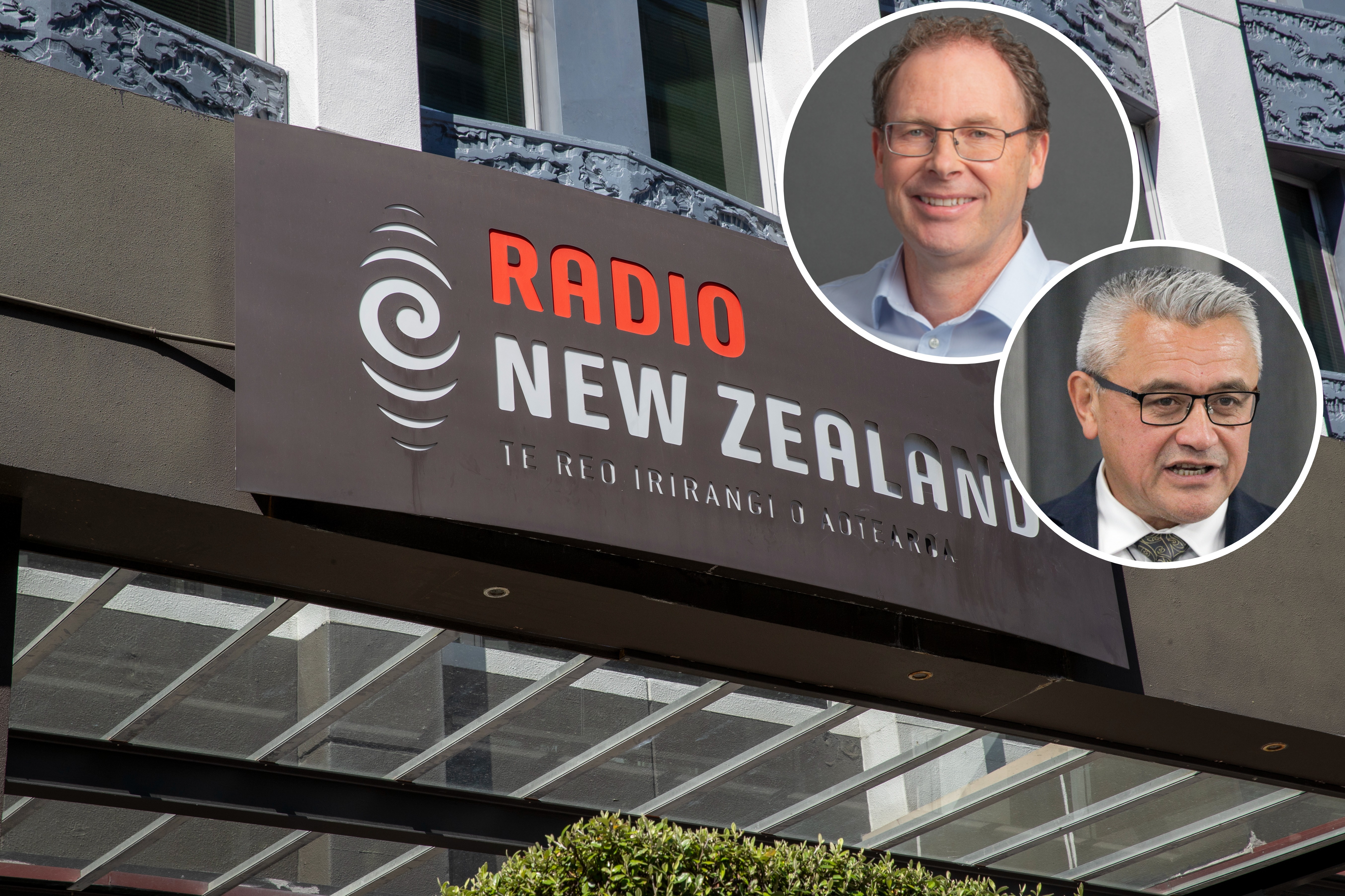
A Treasury document says RNZ needs to be more efficient and that ministers need to ensure its board chair is holding the broadcaster’s executive to account. It comes as RNZ’s latest annual report reveals a rising salary budget and a bottom-line deficit - the broadcaster has responded with an outline of its latest budget and cost-saving plans.
The number of people earning more than $100,000 at RNZ has increased from 145 to 178 in 12 months, following an increase from 107 to 145 in the previous year.
Over a two-year period, the public broadcaster’s salary bill has increased from $32.08 million in 2023 to $37.09m in 2024 to $42.2m in 2025, according to RNZ’s latest annual report tabled in Parliament.
Those numbers have risen under an increased taxpayer-funded budget approved by the previous Labour Government.
But the annual report shows the public broadcaster has also reported a net deficit of $1.3m against a budgeted surplus of $4.96m for the 12 months to June 30, 2025.
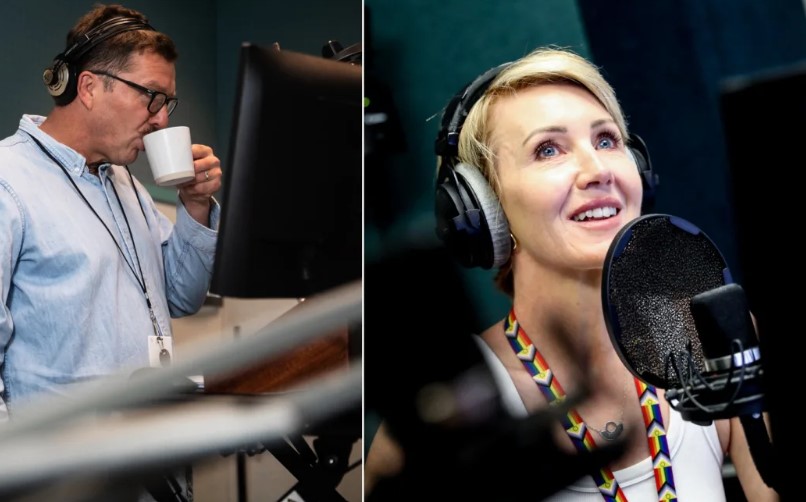
In its financial notes to the annual report, RNZ states that “the variance was largely driven by timing matters and prudent operational choices”, including, principally, the delayed sale of Titahi Bay land in Wellington and slightly higher personnel costs because of lower-than-budgeted annual leave taken by staff.
It appears very little of this is washing with Treasury officials, who are pushing for increased focus on the public broadcaster, according to a document released under the Official Information Act.
The document shows Treasury officials specifically recommend that, at regular meetings, ministers seek “an assessment from the RNZ Chair on how RNZ is responding to your expectations, and assurance that management is being held to account”.
The Government in May slashed RNZ’s budget by almost $5 million a year for the next four years, and the public broadcaster undertook a voluntary redundancy programme in the weeks following.
“Despite funding increases in recent years, RNZ generated a net deficit in FY25,” said the Treasury report dated September 16, and addressed to Media and Communications Minister Paul Goldsmith, Finance Minister Nicola Willis and Associate Finance Minister David Seymour.
“RNZ needs to deliver its operations more efficiently, including right sizing, so it does not rely on cash reserves and the sale of land to fund operations.
“While some cost reduction initiatives are being implemented, further savings need to be identified and realised.”
According to its annual report, RNZ has 361 staff as of June 30, 2025, up from 347 in 2024 and 309 in 2023.
In a statement, RNZ said the annual report covered a period when it “increased staffing to invest in journalism and content and undertook a series of projects to upgrade our technology that were long overdue”.
“As outlined in the Treasury document, following a reduction in funding announced in May, RNZ identified a number of areas of savings that came into effect from 1 July this year,” said an RNZ spokeswoman.
“These include a reduction in our external commissioning, marketing and discretionary spending as well as the removal of a proposed healthcare benefit and the opening of a voluntary redundancy scheme.
“This is a sensible first step, but we have been clear with our people that we will need to do more in the coming year and further savings will need to be made. Our focus remains on being a sustainable organisation that continues to serve the public interest according to our Charter.”
RNZ has today provided a breakdown of its cost savings plans and updated staff numbers.
It said it had accepted 10 voluntary redundancies in the past six months, representing a saving of about $1m.
As of November 30, total staff numbers were 349 - a reduction of 12 (or 3.3%) from the end of June.
RNZ says it is also saving money through the reduced discretionary spend ($2.5m), marketing ($0.4m) and commissioning spend ($1.5m). It has also reduced capital expenditure with new initiatives to be funded through internal change ($2m) and it has removed the proposed healthcare benefit and performance-based payments ($1m).
It said it had advised the Government “that we will need to make a further $3m to $4m in annual savings”.
“This is for 2026-27, we have line of sight for savings this financial year to live within our funding reduction, but recognising inflation and unionised pay increases, we need to make a further $3-$4m of saving for the following financial year to live within our envelope (like any other business with rising costs).”
Treasury on RNZ
Treasury notes for RNZ’s year ended June 30: “Operating costs increased 16% year on year (YoY), with continued increases in personnel costs, FTEs, and production and distribution costs.
“Cash and cash equivalents of $18.8m are above budget by $10m, with $8m of this due to term deposits having matured. We understand much of this balance is committed to upcoming capital investment. We have requested a three-year capital expenditure plan from RNZ.”
The Treasury report refers to RNZ’s overall audience increases, driven by strong digital audience growth.
“However, RNZ’s live radio audience has declined over time,” says the Treasury report, written before last week’s latest ratings survey, which showed RNZ had enjoyed an increase in radio listenership.
“Significant work is required to progress RNZ’s audio plan and its AM transmission strategy, while it continues to maintain legacy infrastructure and invest in digital capability and performance,” says Treasury.
RNZ is undertaking a major review of its audio endeavours under recently appointed chief audio officer Pip Keane.
Among those changes, it is expected to shortly announce a new host of its flagship show Morning Report.

Trust levels increase
RNZ has highlighted rising public trust levels in the organisation, according to an annual survey that it commissions.
According to the “RNZ Value Indices”, run by Verian, 58% of people now consider RNZ an organisation they can trust, up from 49%. The organisation also sits atop AUT’s annual trust in media survey.
“This is very encouraging but there is still work to do: trust in media has been shaken globally and it is incumbent on public media, in particular, to address this,” says RNZ chair Jim Mather in the annual report.
“If our news service, for example, is not trusted, the crucial role of public media is weakened.”
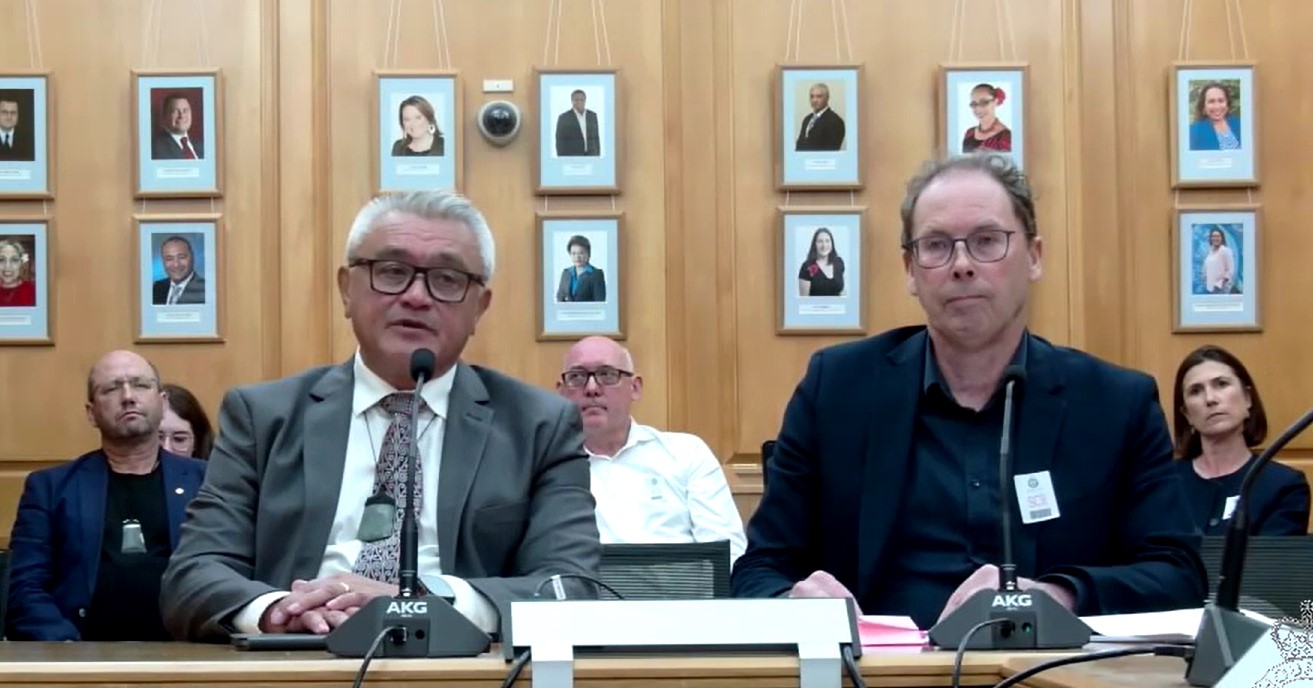
He also referred to the company’s radio listenership.
“Another area the board has prioritised is RNZ’s radio offering. Our digital audiences continue to grow but over the reporting year, the RNZ National audience showed signs of softening. How we serve our loyal radio audience is receiving a renewed focus.”
RNZ chief executive Paul Thompson states in the annual report that “maintaining and building public trust will be our priority”, but he also sounds a general warning.
“Media organisations are again at the crossroads of dramatic technology upheavals. AI alone will have implications for what media we consume and the way we consume it. And the speed of change is only increasing. We will need to keep pace with audiences as they find new ways to engage with content and seek out material they trust.
Editor-at-Large Shayne Currie is one of New Zealand’s most experienced senior journalists and media leaders. He has held executive and senior editorial roles at NZME including Managing Editor, NZ Herald Editor and Herald on Sunday Editor and has a small shareholding in NZME.