Media Insider: The Chase NZ host Paul Henry outruns Broadcasting Standards Authority over Indian food comments
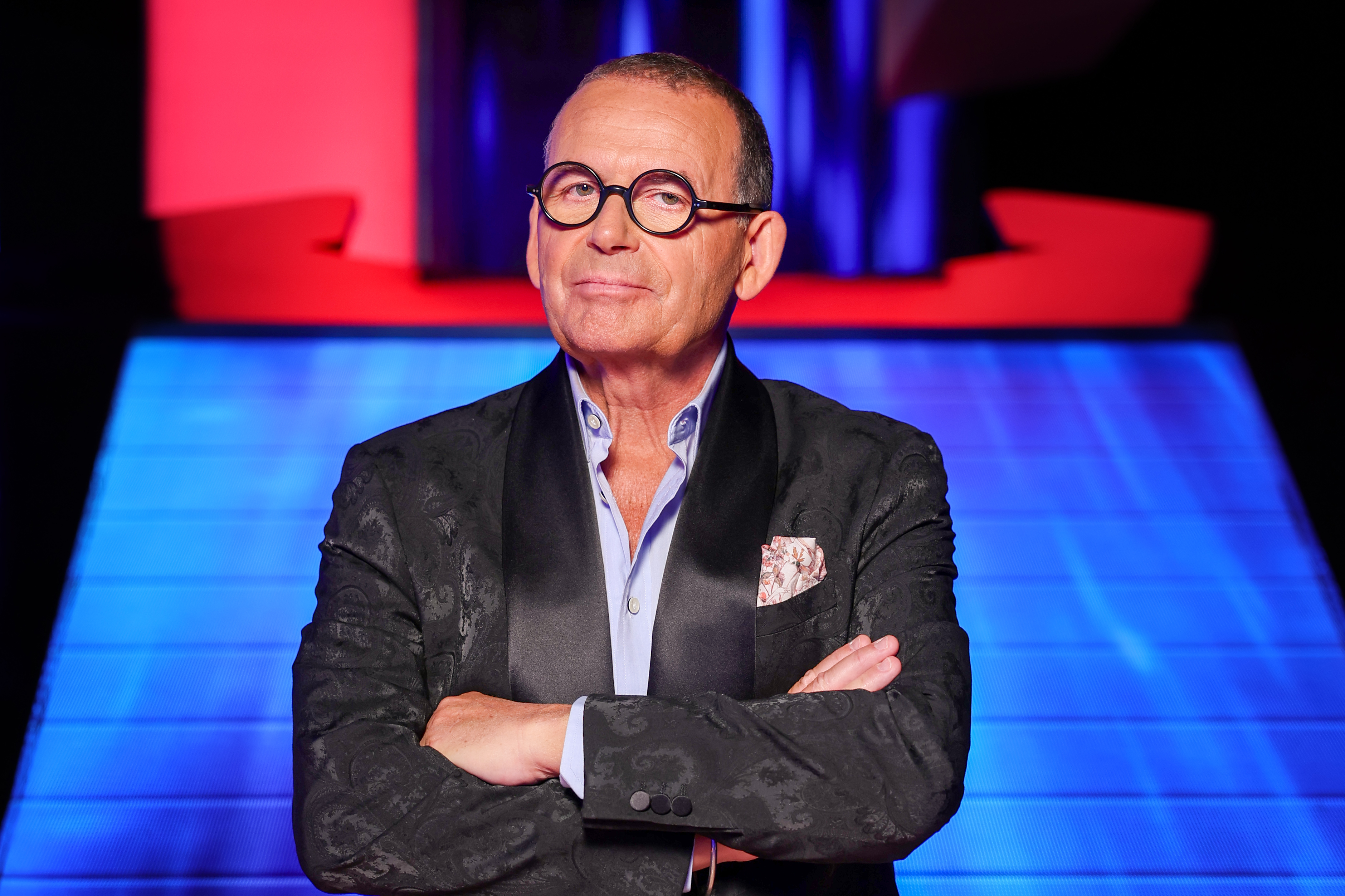
A complainant said The Chase NZ host Paul Henry’s comments denigrated Indian culture, but - by the narrowest of margins - the BSA disagreed.
The Chase NZ host Paul Henry has narrowly outrun the Broadcasting Standards Authority, after a complaint about comments he made about Indian food on the quiz show.
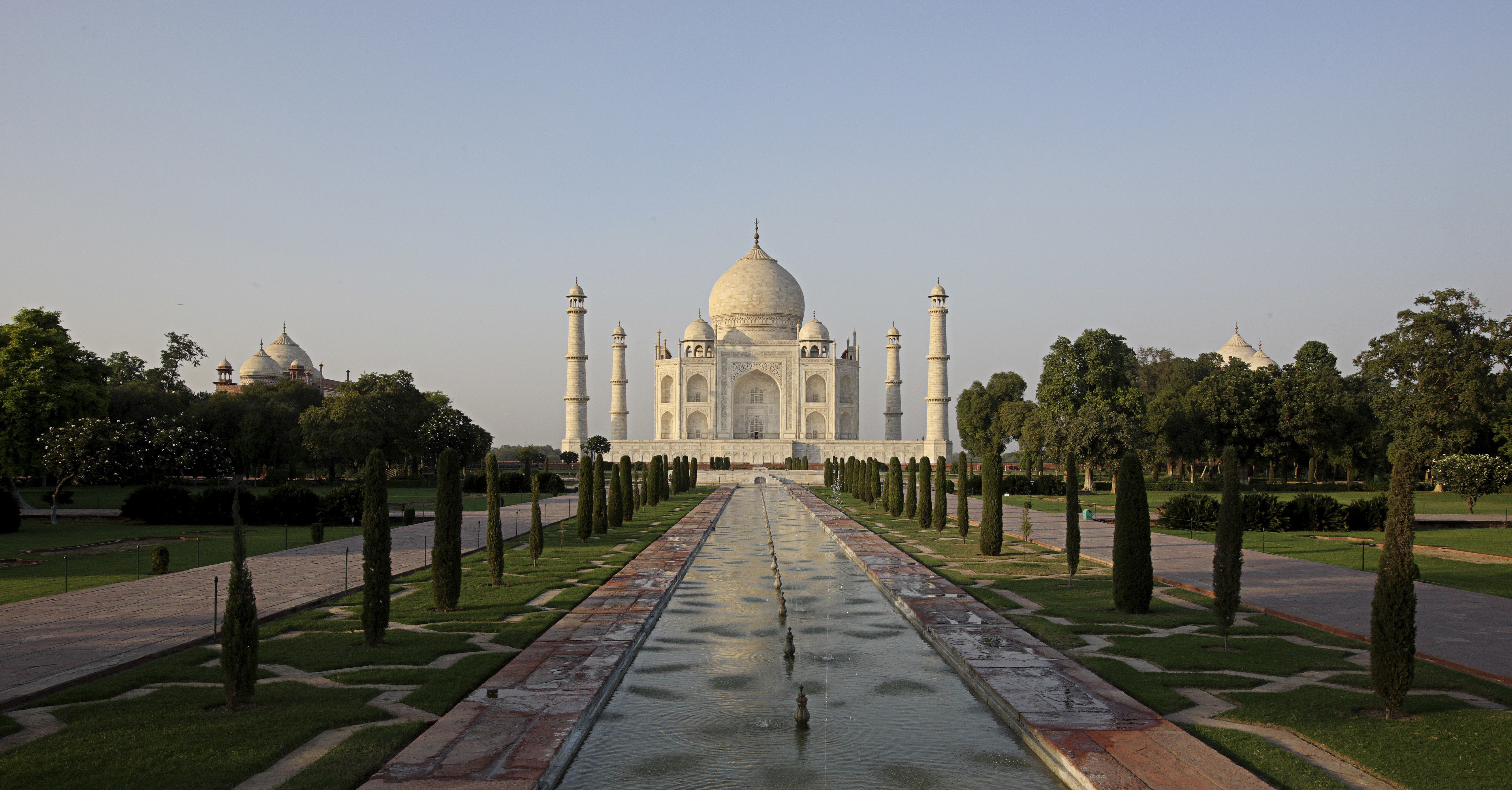
Henry, who hosted a limited-run New Zealand season of the hit British show last year, joked with a contestant who said they would spend any prize money on a trip to the Taj Mahal in India.
Henry, who is also now a TVNZ board member, told the contestant: “You’ve got to be so careful what you eat” and that several of his friends had “exploded” in the Taj Mahal, where it was “very hard to find a bathroom”.
Later in the episode, Henry said: “$45,000, Taj Mahal, you can buy a lot of wet wipes with that.”

The four members of the BSA considered a complaint that Henry breached the discrimination and denigration broadcasting standard.
The BSA said the complainant believed the comments had “the potential to encourage discrimination against India and Indian people, through reinforcing harmful racial stereotypes that India (and, by association, Indian people) are dirty and unhygienic”.
“They are colonial-era narratives that have historically been used to demean Indian people and South Asian communities and to portray their environments as inferior,” said the complainant.
“The reduction of a culturally and historically significant monument to the centre of crude toilet humour directly reinforces these stereotypes.”
The complainant also referred to historic, controversial comments Henry made more than 15 years ago when he was host of TVNZ Breakfast - including mocking the name of Sheila Dikshit, an Indian government minister, and questioning whether then Governor General Sir Anand Satyanand was a real New Zealander because of his heritage.
In a just-released decision, two BSA members, chair Susie Staley and Karyn Fenton-Ellis, said the comments on The Chase did not breach the discrimination and denigration standard; the other two members, John Gillespie and Aroha Beck, said it did.
Because of Staley’s position, the majority of the board therefore rejected the complaint.
The authority said the majority of members found the comments appeared intended as a humorous anecdote focused on Henry’s friends’ unfortunate travel experiences and could not be said to implicitly refer to, or target, Indian people in this way.
A minority considered the comments reinforced negative stereotypes about Indian people.
TVNZ, in defending the comments to the BSA, said they simply reflected some of Henry’s friends “experiencing stomach issues at the monument”.
“Many people experience such issues when travelling overseas and [TVNZ] does not agree that the reference to this is denigrating to the Indian people.”
TVNZ also referred to official government advice on “Keeping healthy when travelling” to illustrate that one type of disease to be aware of when travelling is “diseases spread through contaminated food, water or poo”.
It said previous comments made by Henry were not relevant to the complaint.
In their majority decision, Staley and Fenton-Ellis said: “We acknowledge the complainant found Henry’s comments to be discriminatory and offensive.
“We agree the joke was tasteless and pushed the boundaries of acceptable humour. However, noting the contextual factors ... we do not consider the comments had the effect of reinforcing or embedding harmful stereotypes that India and Indian people are dirty, unsafe or unhygienic.
“Henry’s comments appeared intended as a humorous anecdote focused on his friends’ unfortunate travel experiences and, in our view, could not be said to implicitly refer to, or target Indian people generally.
"Interpreting the comments as insinuating Indian people were dirty, unsafe or unhygienic would require us to read in a meaning too far removed from the comments themselves."
In their minority view, Gillespie - a former head of news at TVNZ - and Beck said: “While the story may have been focussed on the experience of his friends when travelling in India, in our view, the underlying insinuation, given his introductory comment, was that India and Indian people are ‘dirty’ and ‘unhygienic’, being the main reason Henry’s friends would have become sick.
“It was more than a humorous story about trying to find bathrooms at the Taj Mahal.”
TVNZ has been approached for comment.
Editor-at-Large Shayne Currie is one of New Zealand’s most experienced senior journalists and media leaders. He has held executive and senior editorial roles at NZME including Managing Editor, NZ Herald Editor and Herald on Sunday Editor and has a small shareholding in NZME.