Rabobank tells banking competition inquiry, ‘There is no one dominant bank’
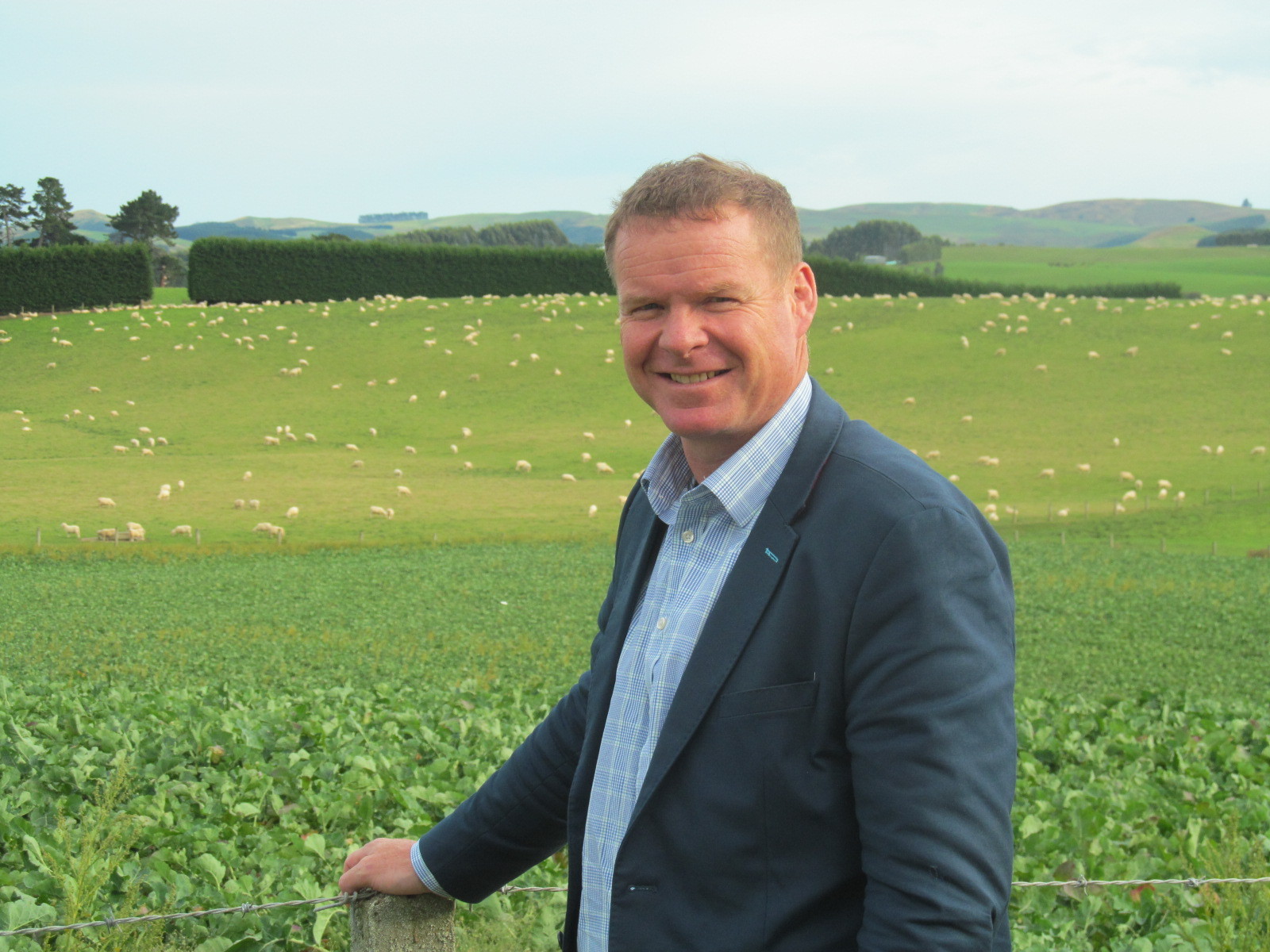
Rabobank is assuring MPs it operates in a market that has a “high degree of competition”.
“There is no one dominant bank [in the food and agricultural banking sector],” Rabobank NZ chief executive Todd Charteris told the Finance and Expenditure Committee, which is leading an inquiry into banking competition.
Charteris said the rural sector was mainly serviced by Rabobank, which is part of a large international banking co-operative group based in the Netherlands, and the four large Australian-owned banks – ANZ, ASB, BNZ and Westpac.
He said business was “well distributed” between the five banks, which each have market shares of between 14% and 24%.
He said Rabobank had grown its share of the rural lending market to nearly 22%, from just below 17% in 2018.
“So, we think we’re doing our bit to create that competition in the New Zealand market.”
However, Charteris suggested more debt wasn’t always what the rural sector needed.
He noted the amount of dairy debt issued by New Zealand banks had dropped to a stable level “through strong cashflows and debt repayments”.
The value of dairy debt on issue by all New Zealand banks surpassed $41 billion in 2018/19, before dropping to $36b or $37b, where it’s stayed since 2022, according to data collected by the Reserve Bank.
“I don’t think it’s necessarily due to a lack of debt,” Charteris said.
“There’s a potential need for more capital, but it could be in other forms as opposed to more traditional bank debt instruments.”
Rabobank NZ’s board chairman Chris Black recognised it would be tough for a new player to enter the rural banking market.
He said barriers to entry had gone up, as the regulatory requirements banks faced had increased.
“Some banks have come into the market and left, because you do need quite a lot of expertise in rural because it has variability, unlike housing lending for example,” he said.
Black disagreed with the Commerce Commission’s suggestion that a bigger, better capitalised Kiwibank could be a “maverick” disruptor that improves competition in the sector.
“The idea of having maverick banks is unusual, I think. In the banking sector you want a strong, stable, secure organisation. To me, maverick and banking don’t correlate particularly well,” Black said.
He recognised the Reserve Bank’s capital requirements contributed towards Rabobank having a smaller return on equity than the big four Australian-owned banks.
For example, Rabobank’s return on equity was 7.4% in the June quarter, compared to the Australian-owned banks reporting returns of equity of between 11.4% and 13.1% in the same period.
Black said Rabobank’s profitability was “acceptable to us”, while Charteris said the bank was “comfortable” with the amount of capital the Reserve Bank required banks to hold in relation to the different sorts of lending they do.
The Reserve Bank requires banks to hold more capital in relation to their rural lending than their mortgage lending, which is deemed lower risk.
Rabobank reported it had a net interest margin of 2.7% in the June quarter – a level above that of the big four banks.
In its written submission to the inquiry, it said it set lending interest rates on a case-by-case basis.
“We employ a thorough process that takes account of each client’s circumstances, including sector exposures, entity governance, variability in both income and costs, commodity outlooks, business plan information, the current and forecast financial position and any other relevant risk factor to calculate an individual probability of default,” Rabobank said.
“This is combined with an assessment of our ability to recover a loan in default through any collateral provided. As each client’s circumstances are different, interest rate margin variability is common.”
Charteris told the committee 16 of its customers’ businesses had gone into receivership over the past 10 years – only five of these occurring in the past five years.
Jenée Tibshraeny is the Herald’s Wellington business editor, based in the parliamentary press gallery. She specialises in government and Reserve Bank policymaking, economics and banking.