Rocket Lab added to Nasdaq-100 putting it in the same club as SpaceX
Elon Musk’s SpaceX is grabbing all the headlines this morning, but Rocket Lab is also poised to make a giant leap.
The Kiwi-American firm is being added to the Nasdaq-100 - an index that tracks the 100 most valuable non-financial stocks on the Nasdaq - from June 22.
Nasdaq inclusion is huge for Rocket Lab chief executive Sir Peter Beck, and more than 32,000 New Zealanders who own shares in the firm he founded, because it means investment funds worldwide that track the Nasdaq-100 will have to buy Rocket Lab shares however they are performing on June 22 to balance their portfolios.
Analysts say SpaceX’s fast-tracked inclusion into the Nasdaq-100 - a three-month-to-a-year “seasoning” period is usually required - is one of the key reasons its shares have surged today, given it has triggered funds into “forced buying” at the same time retail investors are fighting over the unusually low number of shares (sub-5% of the total) that have been made available for SpaceX’s free float.
The Nasdaq-100 also includes the likes of Nvidia, Apple, Microsoft, Amazon, Google parent Alphabet, Walmart, Tesla and Meta.
Rocket Lab was added to the index alongside red-hot data centre operator CoreWeave, which is riding the AI boom.
Charter Communications - a broadband and cable TV provider - and global call centre giant Cognizant dropped out.
To be added to the Nasdaq-100, a firm must be one of the Nasdaq’s 100 largest firms by market value.
Rocket Lab’s shares have jumped nearly 300% over the past year, giving it a market capitalisation of just over US$60 billion ($100b) as its US military business has boomed, and contracts have been signed for its much larger, crew-capable Neutron rocket, due for its first launch later this year.
Forbes’ real-time wealth tracker estimates Beck’s fortune - largely tied to his Rocket Lab stake - at US$5b. The Southland-raised entrepreneur, who reduced his salary to US$1 as part of a drive to get Neutron over the line, has only sold a limited number of shares, with some of the proceeds going to his philanthropic foundation and the raft of start-ups he’s backed, including Halter and HeartLab.
Rocket Lab is now incorporated in the US, which, following a string of acquisitions, is now also home to most of its staff. And its Neutron rocket will launch exclusively from Virginia.
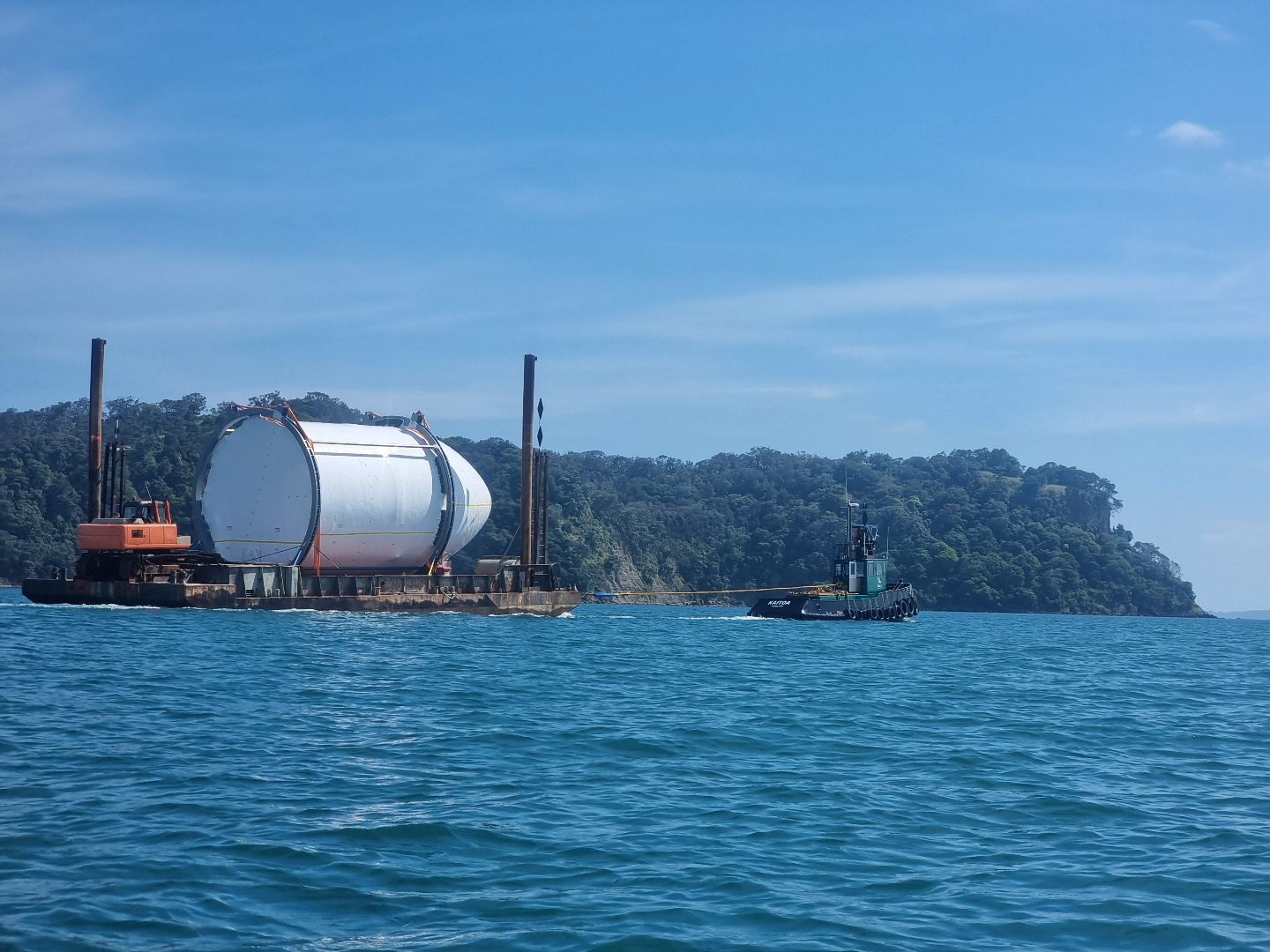
But the firm also maintains substantial operations in NZ, from its two launchpads in Mahia to its satellite systems, R&D and Electron assembly plant in Auckland to its fabrication plant in Warkworth - bought from Sir Russell Coutt’s SailGP - which made the giant nose cone for the first Neutron.
Like SpaceX, which lost US$4.9 billion on revenue of US$18.7 billion last year, Rocket Lab’s financials orbit far below its market value.
Rocket Lab has reported first-quarter 2026 revenue that rose 63% over the first quarter of 2025 to US$201.3 million. It lost US$45m over the three-month period. It finished the quarter with US$1.5b in cash and has long said it won’t break even until after the Neutron is in service.
Investors in both firms are banking on huge growth in the years ahead.
“This is a landmark moment for Rocket Lab. Inclusion in the Nasdaq-100 reflects the extraordinary journey our team has been on, from a small company with big ambitions to a global space leader,” Beck said this morning.
“It’s an honour to be recognised alongside some of the world’s most innovative companies. It underscores the growing importance of the space economy and our leading role within it. We’re incredibly proud of what we’ve achieved, and even more excited about what comes next.”
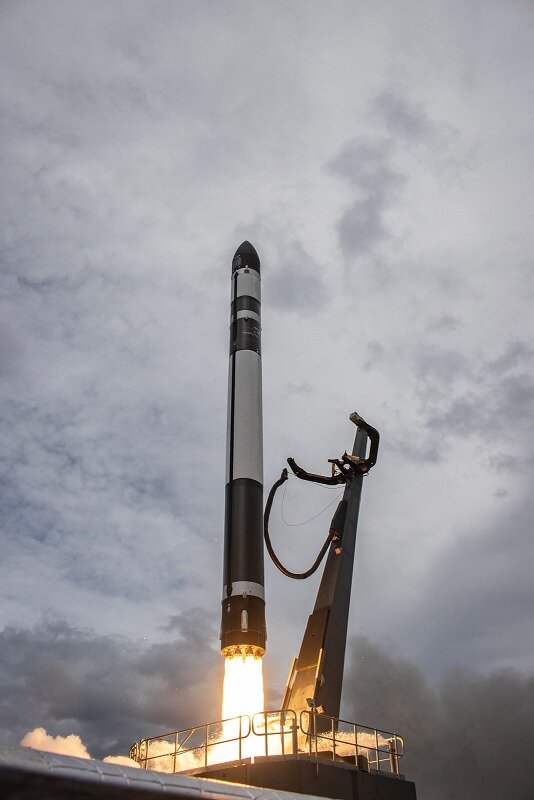
Although they could pop with its official entry into the Nasdaq-100 on June 22, Rocket Lab shares gave back some of their recent gains today. The stock was down 10.6% to US$102.60 as the SpaceX IPO sucked all of the oxygen from the room.
Chris Keall is an Auckland-based member of the Herald’s business team. He joined the Herald in 2018 and is the technology editor and a senior business writer.