The Trump wrecking ball strikes ... again! – Liam Dann
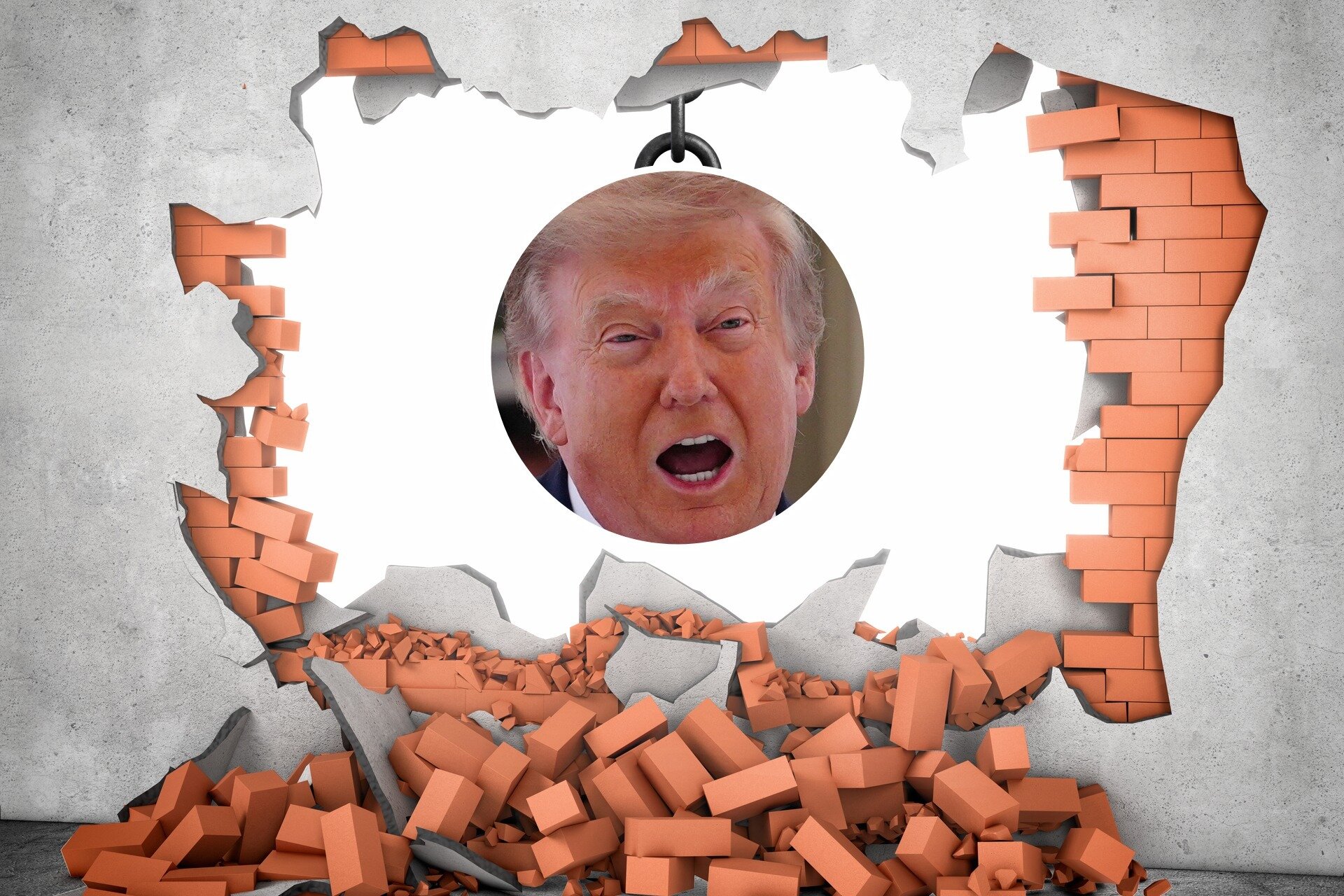
United States foreign policy continues to be a wrecking ball for New Zealand’s economic recovery hopes.
It seems like every time we might be starting to turn a corner and seeing signs of growth, the ball swings back to smash our fragile confidence.
We copped a double blow last week as US President Donald Trump escalated the conflict with Iran and lifted tariffs on our goods.
It’s a hugely frustrating situation that creates multiple direct and indirect headwinds for our economic hopes.
The most immediate (and the most damaging) is what the re-escalating conflict in Iran is doing to fuel prices.
Brent crude oil rose back above US$100 a barrel on Friday. That will push retail petrol prices back up well past $3 a litre in the coming days.
In a week where we’ve been worrying about a historical inflation rate (for the second quarter), the latest fuel spike doesn’t bode well.
The first thing higher petrol prices do is take money out of the pockets of consumers and undermine any confidence that might have been creeping back into their spending outlook.
The second thing it does is put upward pressure on inflation, making it more likely the Reserve Bank will have to lift interest rates faster.
As Finance Minister Nicola Willis pointed out on Tuesday, if you exclude the fuel shock, inflation doesn’t look so bad at just 2.9%.
Unfortunately, there are two reasons this doesn’t provide much comfort.
One is that you can’t exclude the fuel shock – the price we pay at the pump is very real.
The other is that lower inflation in lower parts of the domestic economy is to do with underlying weakness.
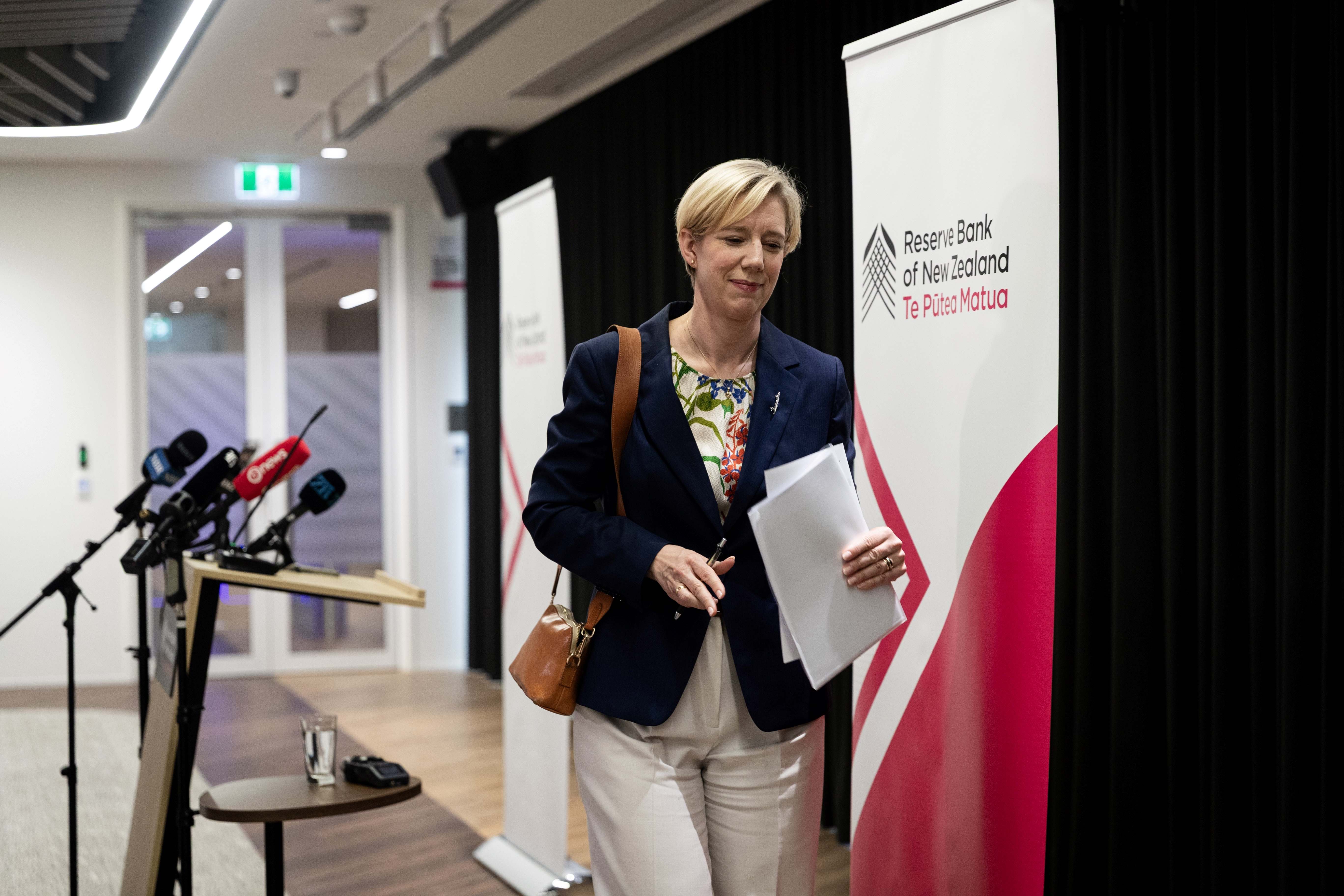
That complicates things for the Reserve Bank, which is under pressure to lift interest rates to curb inflation but is also well aware that will further impede domestic growth.
It almost goes without saying that the US Administration doesn’t care in the slightest about our domestic economic fortunes.
But there’s also no shortage of economists who argue that US policy is also undermining its own performance.
The nation is shooting itself in the foot for weird ideological reasons that appeal to the MAGA base, despite evidence that they are costing the country billions and pushing up the cost of living.
Unfortunately, while they don’t have to worry about our economy, we do have to worry about theirs.
There is an adage that, when America sneezes, the world catches a cold. If the US economy slows, it hits global growth and demand for exports everywhere.
And then there’s Wall Street. Seemingly already inflated to bubble territory by enthusiasm for artificial intelligence (AI) stocks, there are fears that another inflation spike, and the higher interest rates that go with it, could trigger a major correction, or even a crash.

The strength of our KiwiSaver accounts has been one of the few economic bright spots for many New Zealanders this year.
Does that generate a wealth effect? Are people more likely to spend when they see their KiwiSaver balance rising?
I’m not sure there’s any definitive research on that yet.
But it makes sense that, even as house prices fall or flatline, a rising KiwiSaver balance is providing some security and underpinning consumer confidence.
Neither of Trump’s two external blows is a complete surprise.
After his initial tariff regime was struck down by the US Supreme Court, he’s back with a new one – based weirdly on international slavery rules – set at a blanket 12.5%.
New Zealand exports, currently riding high on a surge in global demand for protein, have coped relatively well with tariffs at 10%.
Even at 12.5%, there’s no reason to assume they won’t continue to.
We should have seen the latest oil price hike coming too.
The conflict has been escalating in the Middle East for about two weeks now.
I think we did see it but hoped that, if we just kept watching the World Cup, it might all go away again before it became too much of an issue.
It didn’t, and US$100 oil seems to have been the flashpoint for news headlines.
Technically, you can make the case that the latest shock is more worrying than it was in March.
One of the small mercies in the first wave was that the oil market coped better with tighter supply than many thought it would.
But that was because of the excess reserves that many countries had built up (especially China) and which they drew on for several months.
Those reserves are now depleted, and an extended supply disruption could potentially be worse for pricing.
It is, of course, quite likely that Trump will look to head off negative market reaction by talking about diplomatic solutions again in the next few days.
But it’s becoming clear that the sticking points aren’t easy to resolve.
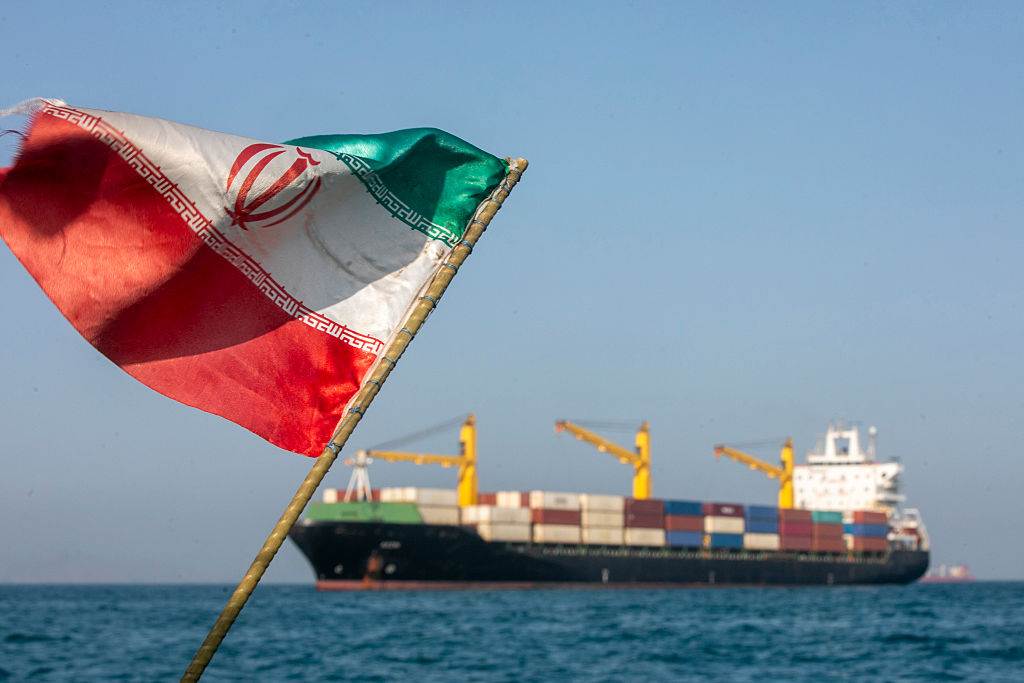
Iran has discovered it has real leverage in the Strait of Hormuz and is prepared to tolerate a lot of bombing to hold on to it.
I still believe, as I have from the start, that if the tension becomes chronic and prolonged over years, the world will adjust.
We’ll accelerate electrification and move away from such heavy reliance on the Middle East for the fossil fuels we need.
It might even be good for us.
But that takes time.
For now, an extended period of high fuel prices increases the likelihood that the inflationary effects will flow through to other parts of the economy.
Which brings us back to that pressure on the Reserve Bank.
For all that, I take some comfort in the lack of public interest in the re-escalation of the conflict.
Psychologically, it may do less damage to business and consumer confidence this time around.
The shock of the new is gone.
I’m also well aware that writing about a volatile, fast-changing geopolitical situation or market ahead of time is risky.
My deadline is 5pm on Friday, and this column runs on a Sunday.
Perhaps Trump will announce a deal in the interim and the world will look like a better place again.
Stranger things have happened.
I’ll happily risk the commentators’ curse here; a reverse jinx if you will.
But short of that, the question becomes: can the New Zealand economy continue to recover under the added weight of fuel costs, elevated inflation, higher interest rates and increased export tariffs?
We’ll see.
Liam Dann is business editor-at-large for the New Zealand Herald. He is a senior writer and columnist, and also presents and produces videos and podcasts. He joined the Herald in 2003.
Catch up on the debates that dominated the week by signing up to our Opinion newsletter – a weekly round-up of our best commentary.