Trump’s tariffs prove an opportunity for West Auckland duo relocated to Austin
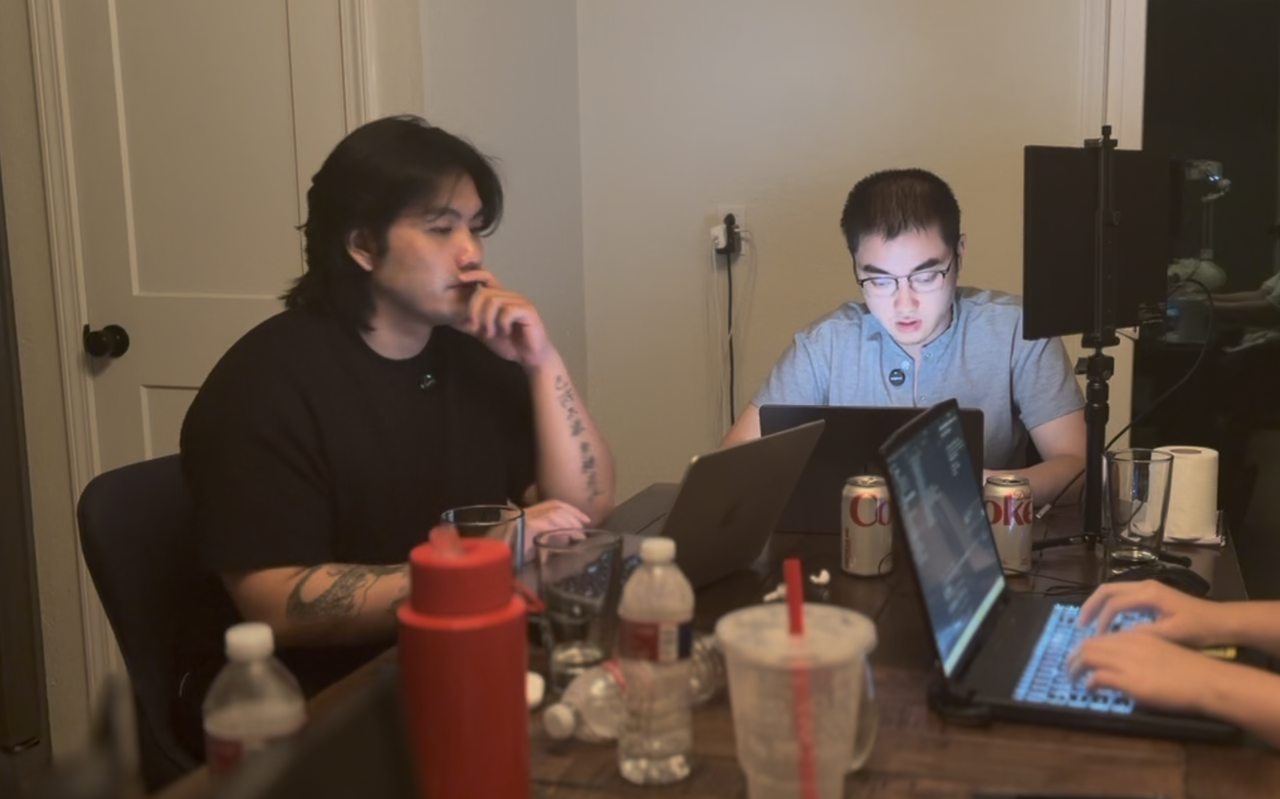
US President Donald Trump’s tariffs – and their ever-shifting levels – have been a pain point for many businesses around the world.
But they’ve been the making of two West Auckland-raised entrepreneurs, now based in Austin, Texas.
Chen Cui and Sean Yu (both 25) have just raised US$2.1 million ($3.5m) for their 9-month-old start-up, GingerControl – which started as a tariff calculator but has now expanded to an artificial intelligence (AI) platform that automates global trade compliance for importers, exporters, manufacturers and customs brokerages.
The product handles duty and tax calculation, the HS (Harmonised System) code classification used to identify thousands of physical goods in the global trade system, tariff engineering and customs entry auditing, all in one workspace.
In short, it’s an AI-powered compliance sidekick that frees up time and stops companies from getting crushed by customs audits and tariff mistakes that can lead to confiscated goods or six-figure fines.
The latest feature they’re piloting, Compliance Radar, tracks updates from four US agencies plus the White House. If GingerControl is plugged into your supply chain software, every new policy announcement can be automatically cross-referenced against every product in your company’s portfolio. And if it doesn’t affect any, it’s not surfaced.
That matters because a number of GingerControl’s clients have thousands of products are impacted by every trade policy shift by the US, and responses from those targeted.
Cui says Importers and exporters are now dealing with an unwanted firehose of information. They fear the penalties and broken supply chain repercussions if they miss any new development.
Trade updates used to be quarterly. Now they’re weekly, with potential shifts overnight (the “Ginger” in GingerControl has hints of an internet meme about the mercurial US President, though its co-founders say it’s a reference to the calming herb), which can be followed by retaliation by the targeted countries.
Westside story
Cui, who went to Rutherford College, grew up helping at his auntie’s small Chinese import business in West Auckland.
“My parents weren’t well off, and working in the family business was essentially most of my childhood,” he says.
The business didn’t survive Covid, but the earlier exposure stuck with him. He saw firsthand how manual and error-prone the industry could be.
Yet it was happenstance that eventually drew him into global logistics.
He initially embarked on a Health Sciences degree at Auckland University while Yu (who went to Avondale College) studied biomedical engineering at Imperial College in London.
“My parents wanted me to be a doctor. But in my first year I thought, ‘I hate studying. I’m not going to live someone else’s expectations.”
Answering the call
Cui took a couple of jobs in tech, keeping in touch with Yu, who was involved with various UK start-ups and venture capital firms.
“Then we got a call from a friend who said, ‘I’m starting a business importing wine into the US’.”
“This was just as tariffs were taking the world by storm,” Cui says.
Their friend, faced with a 50% increase in costs, desperately needed a way to grapple with the ever-shifting playing field. Digital natives Cui and Yu rode to the rescue - then quickly saw a “generational” chance to change the whole industry.
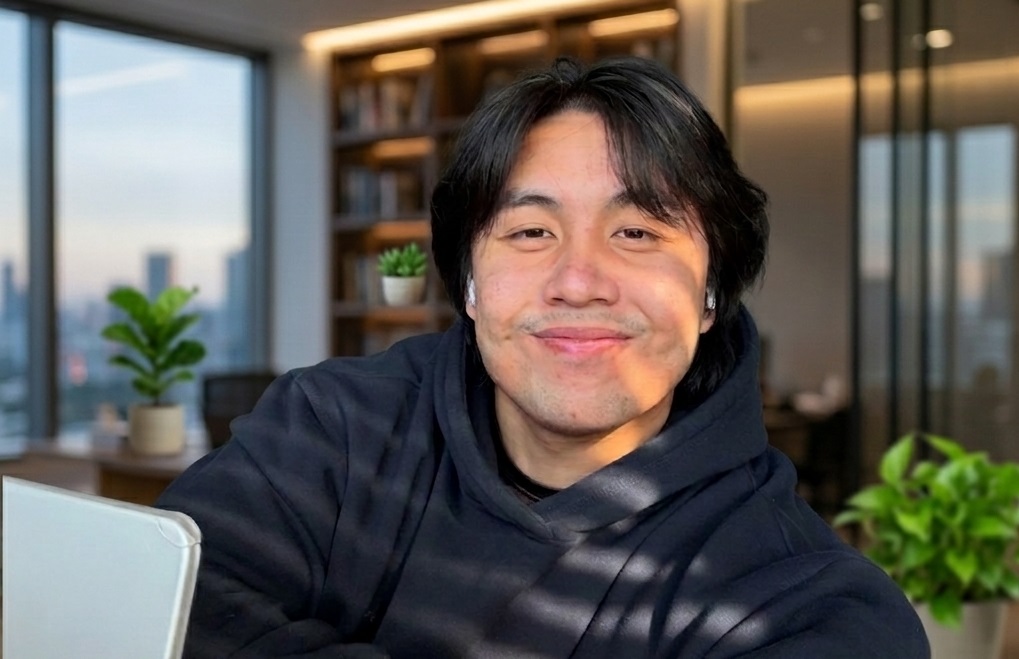
After months of research, they founded GingerControl in September last year and, in short order, had more than 140 clients signed up, from sub-$10m customs brokerages to a life sciences multinational with more than US$800m in annual revenue.
The pair chose Austin in part because the Texas city is something of a tech hub, but more because it has the highest concentration of customs brokerages, due to its proximity to the US’s major oil and gas ports.
The US$2.1m seed round was led by London-based venture capital firm Backed VC, where Yu had contacts.
By their own account, their product is faster and easier than what they see as the only high-tech competitor, Flexport.
GingerControl to total control
You might have the casual impression that trade instability has levelled off. It’s just slipped down the news cycle. Take just this week. Yesterday, Trump targeted Brazil with a 25% tariff on a broad range of imports. Today, the US president proposed tariffs of at least 10% on 59 countries plus the 27-nation EU (ostensibly as an effort to crack down on goods produced by forced labour, but it also gels with a broader drive to use alternative mechanisms to effectively reinstate tariffs struck down by the Supreme Court in February. New Zealand is caught up in the latest push).
Yet some point, Trump will exit stage left. Would the tariff situation stabilising be a negative for GingerControl?
Cui says tariff calculations were his start-up’s foot in the door, but it’s now in the process of using AI to automate a whole suite of features in the trade sector, which he says is a surprisingly undigitised world of manual paperwork and spreadsheets.
“We want to expand globally, not just focus on North American imports.”
Chris Keall is an Auckland-based member of the Herald’s business team. He joined the Herald in 2018 and is the technology editor and a senior business writer.