Ka Whawhai Tonu review: Kiwi film’s powerful storytelling from our nation’s past
A bloody, brilliant coming-of-age film stacked with powerful performances, Michael Jonathan’s directorial debut Ka Whawhai Tonu is filmmaking we need more of.
It’s 1864 and Waikato is in the midst of battles between the British Imperial Army and Māori as the New Zealand Wars rage on.
Ka whawhai tonu, was part of the chief’s famous response to colonial troops, and has informed the title of a new local film seeking to render this chapter of history on the big screen.
The feature-length directorial debut of Michael Jonathan (Tainui, Mātaatua, Te Arawa) Ka Whahai Tonu is a coming-of-age film, for its young leads, and for a country and culture in a period of flux.
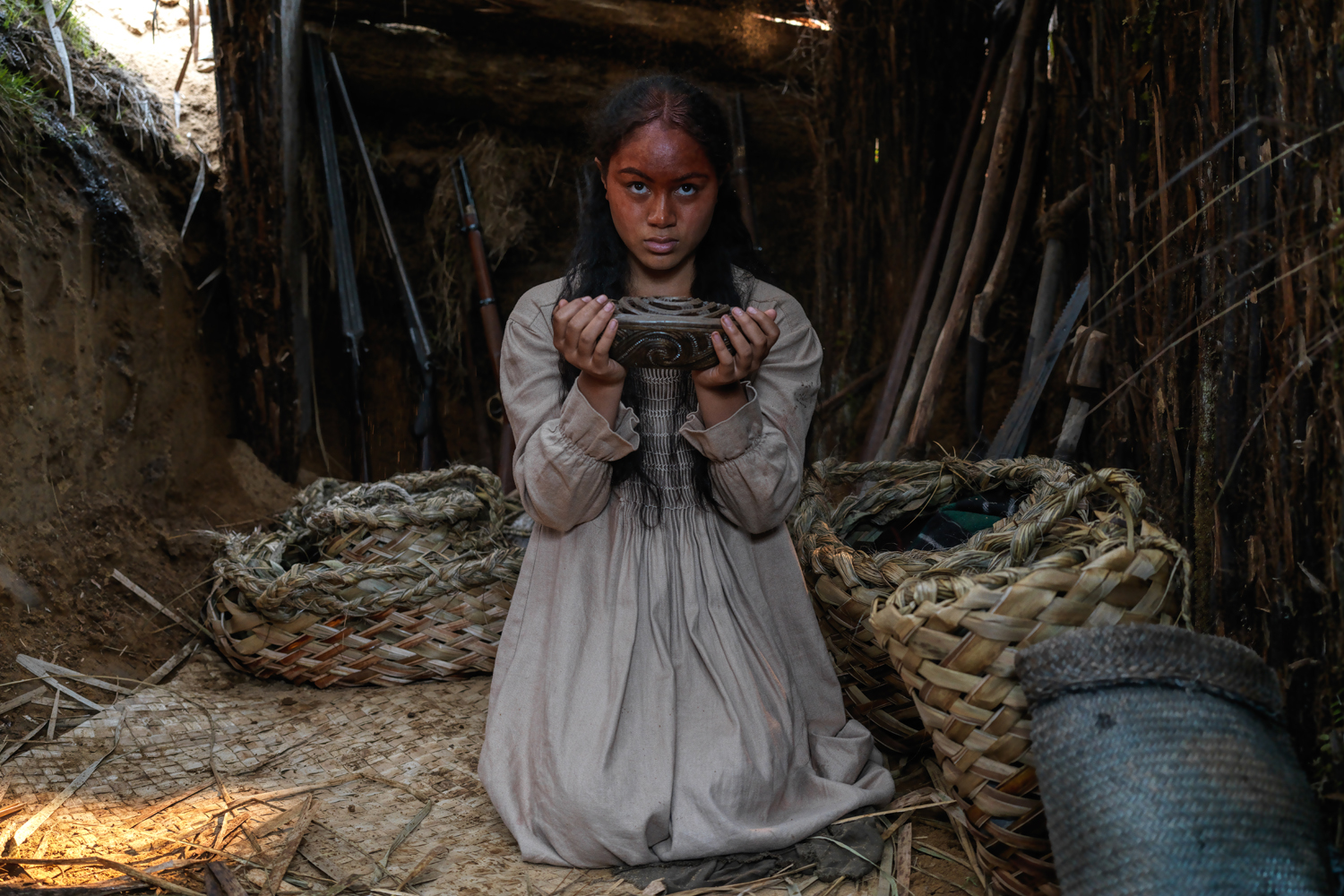
Young actors Paku Fernandez (Ngāti Porou, Ngāi Tahu) and Hinerangi Harawira-Nicholas (Ngāi Tūhoe) serve as the story’s fictional anchors, characters who exist in liminal spaces in society.
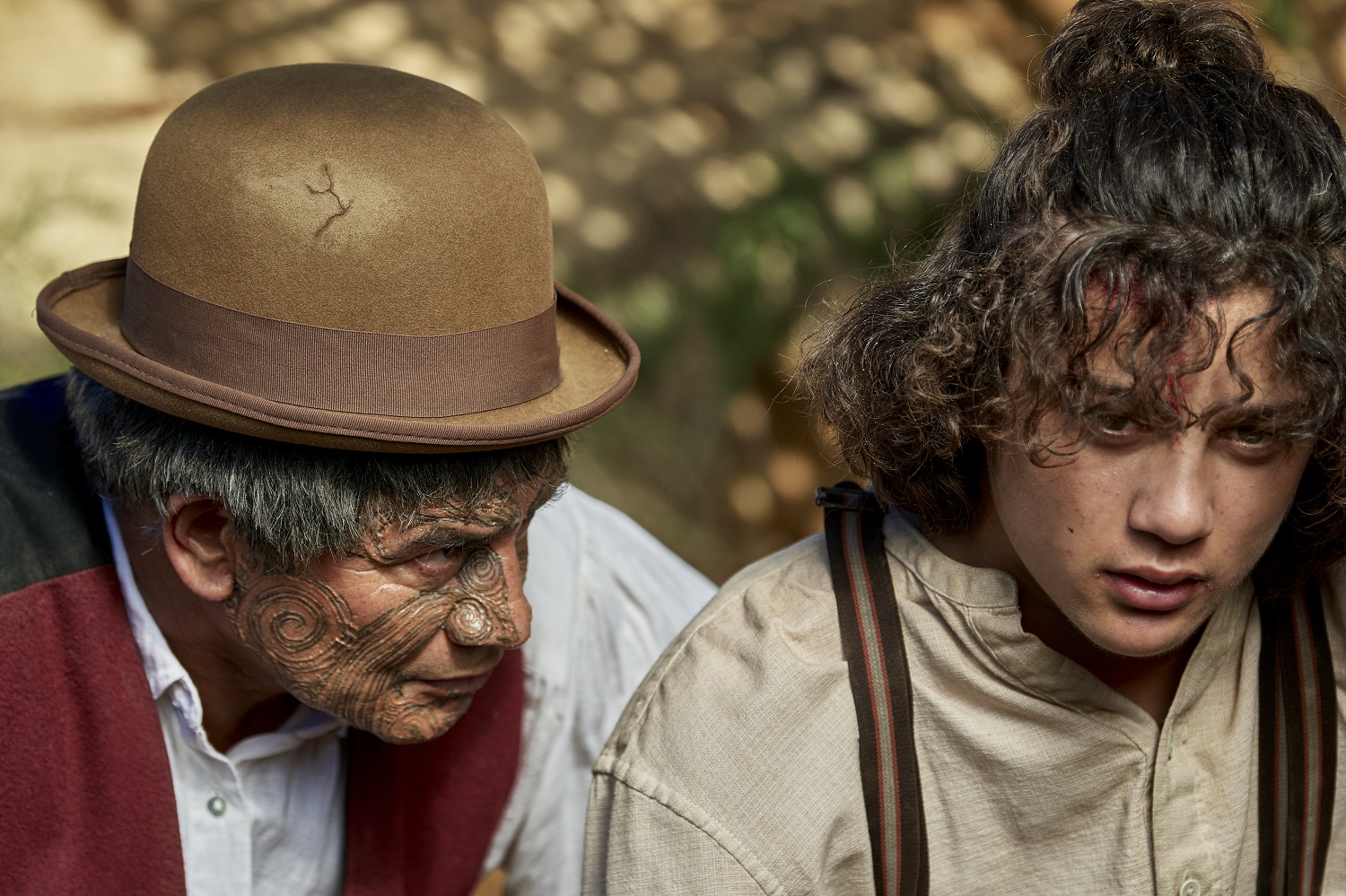
Fernandez is magnetic as Haki, a captive boy with a Pākeha father and Māori mother. Harawira-Nicholas is Kōpū, a hesitant prophet, estranged from her mother and burdened by her role in society as a medium for war.
Adolescence is its own kind of chaos, and here it’s backdropped by the tumult of very real conflict.
Amid the struggle, combat and violence of the Battle of Orākau – the action-driven narrative of the film – is an intimate, introspective story, as the two forge a friendship and fight for their escape.
Their performances are intense and affecting, particularly for two actors early in their careers, and they’re among cinema greats. The cast ranks include acting heavyweights Temuera Morrison (Ngāti Whakaue, Ngāti Maniapoto), Miriama Smith (Te Arawa, Tūwharetoa) and Cliff Curtis (Ngāti Rongomai, Ngāti Pikiao).
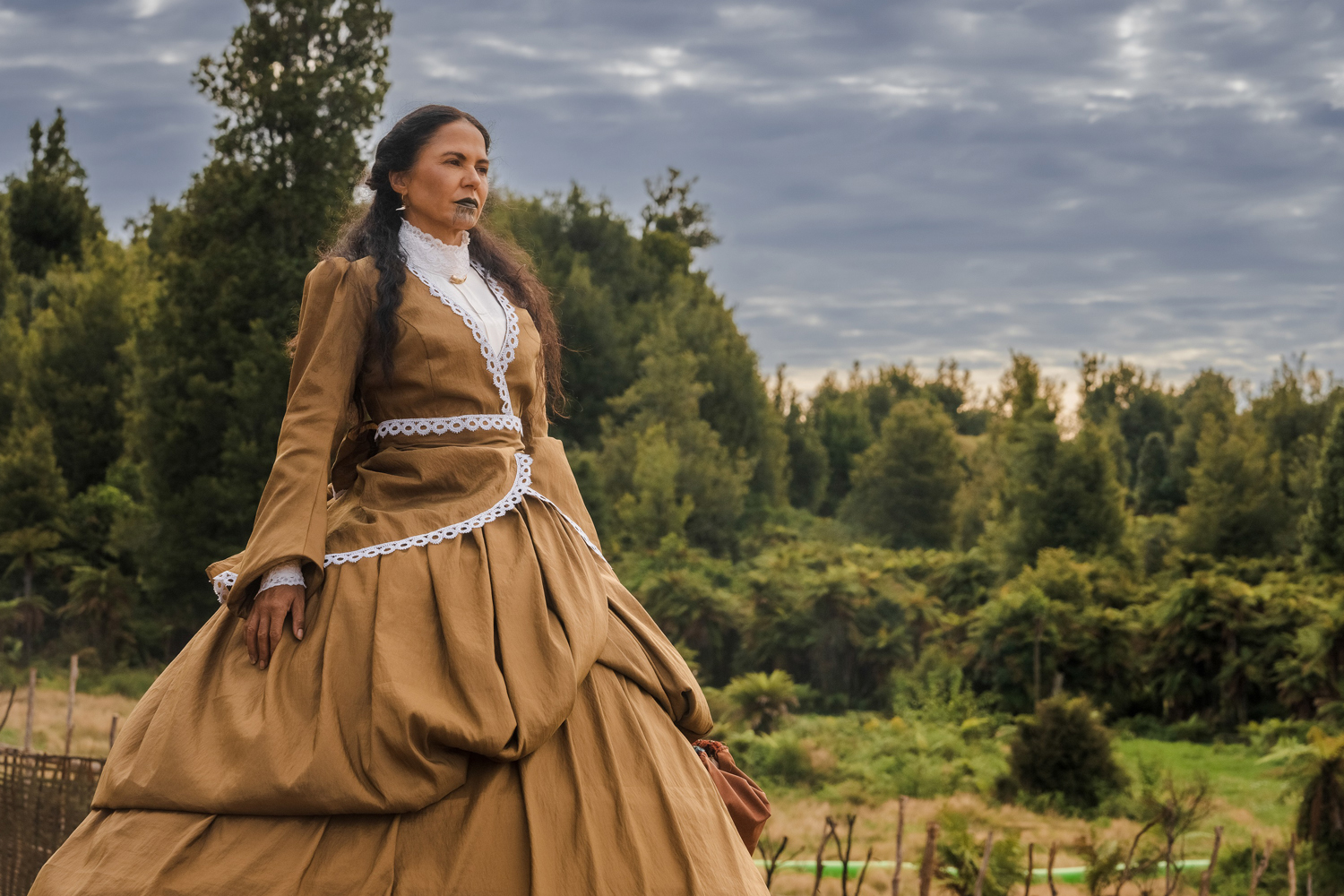
Morrison portrays Rewi Maniapoto, rangatira of Ngāti Maniapoto, delivering a transfixing, mercurial performance.
The brutal Battle of Ōrākau was a climactic event in the New Zealand Land Wars; a last stand against the colonial forces, whose 160th anniversary was marked earlier this year.
READ: The Journey of Ngāti Maniapoto Rewi Maniapoto’s kaitaka wings its way home
Translating this on screen is no small feat, balancing accuracy and artistry.
Director of photography Grant McKinnon renders the breadth of introspection and warfare with equal sensitivity.
Impressively (and importantly) the pa was recreated to scale, with production designer Shayne Radford working from Jonathan’s “Bible” of research.
Wardrobe designer Te Ura Hoskin’s (Ngāti Hau, Ngāpuhi, Ngāti Uriarau ki Rarotonga) costuming does a deft job at rendering societal nuances and the cultural flux of the period, as colonial garments were integrated with more traditional elements of dress – skilled weavers created cloaks for the film.
Makeup artist Sara Fitzell collaborated with renowned moko artist Jacob Tautari, and each moko was approved by the tribes of a depicted ancestor.
The film’s historical characters – including Tūhoe chief Te Whenuanui, portrayed by Te Wakaunua Te Kurapa, and Miriama Smith’s Hine-i-tūrama Ngātiki – add to the story of Haki and Kōpū, a woven narrative of fact and fiction.
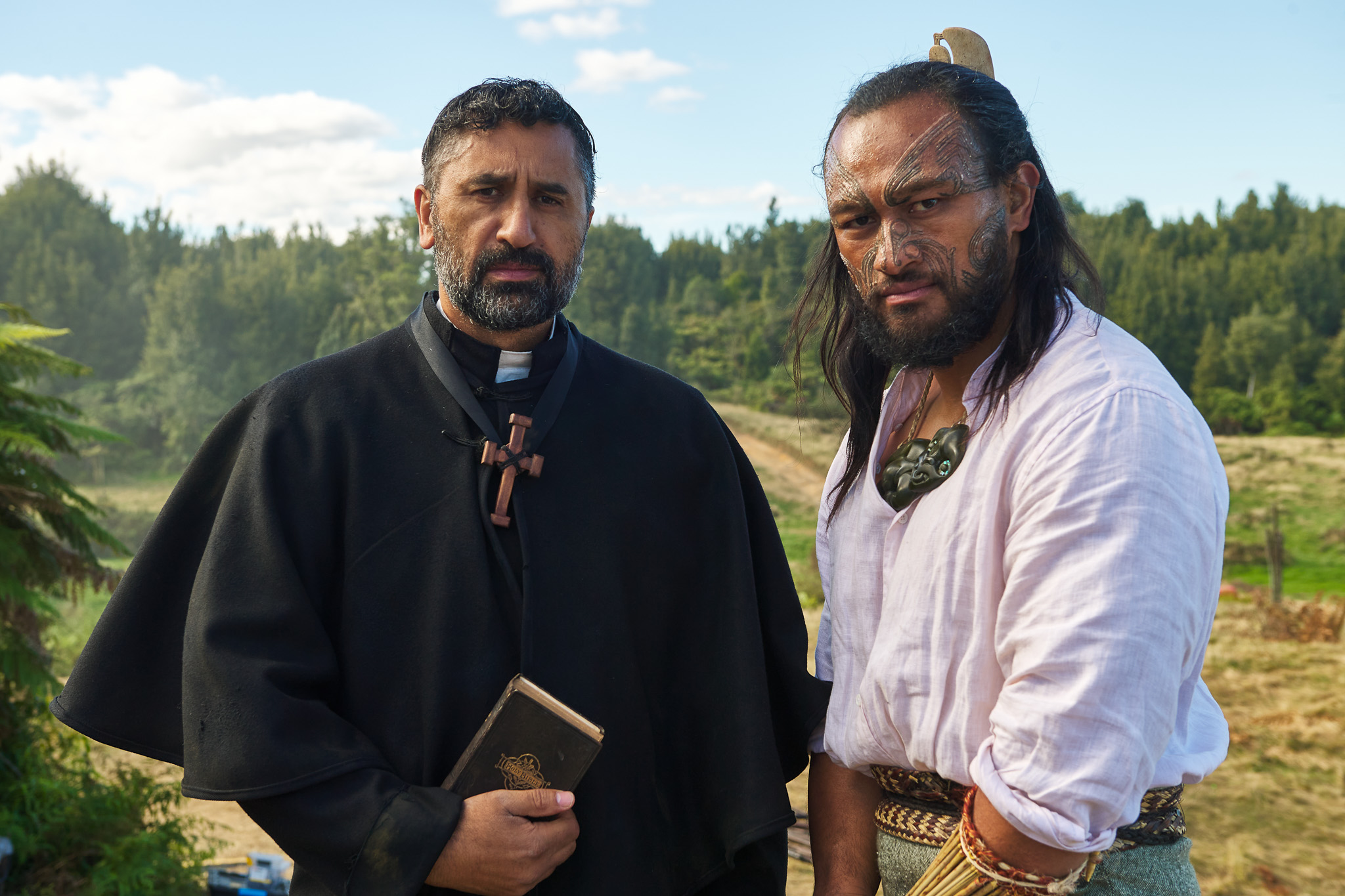
Written by award-winning screenwriter Tim Worrall (Ngai Tūhoe), the film draws from real accounts of the Battle of Ōrākau from those who survived the siege.
There’s also a layer of contemporary metaphor threaded through the film, and much will resonate with contemporary audiences, both Māori and Pākehā, from the legacy of colonisation and honouring Te Tiriti o Waitangi, to boundaries of cultural orthodoxy and the tensions of selfhood and community.
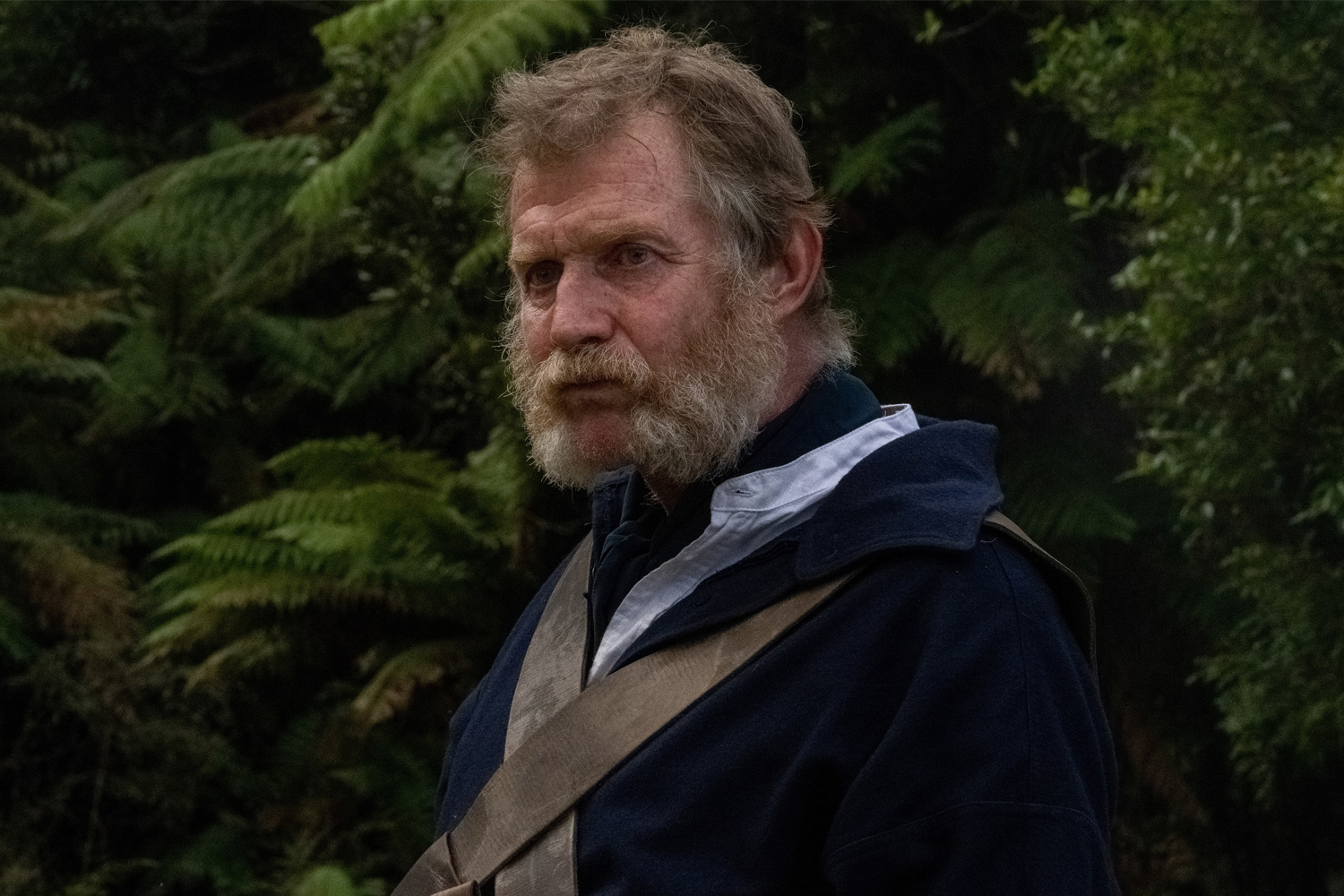
It’s a milestone work and the first feature film for director Michael Jonathan (Tainui, Mātaatua, Te Arawa) who has a career spanning three decades – including cinematography on Merata: How Mum Decolonised the Screen (2018) and The Volcano: Rescue from Whakaari (2022).
With Ka Whawhai Tonu, Jonathan and producers Piripi Curtis (Ngāti Rongomai, Ngāti Pikiao) and Toby Parkinson turn an indigenous lens on the real-life tragedy, worked with iwi, hapū and whānau for the film. The story has the blessing of tribal entities Ngāti Maniapoto, Tūhoe and Ngāti Raukawa.
Notably and successfully, 95% of the film’s dialogue is in te reo; this choice is critical to the world-building, respect for the source material, as well as challenging conventions in film, and offers an immersive experience.
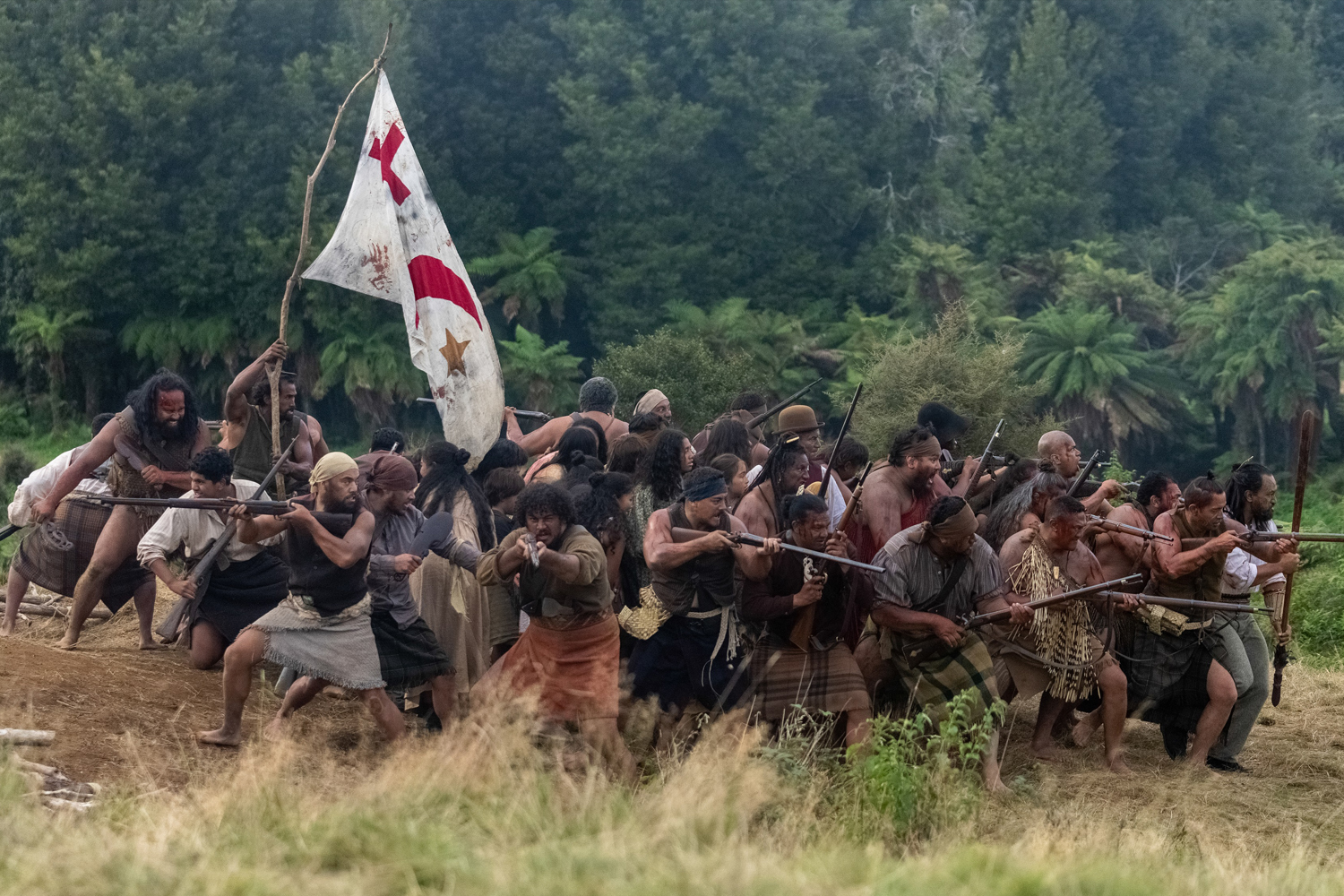
It’s being released ahead of the Matariki public holiday – the film comes out Thursday – and fittingly it was premiered in Waikato, screening in Kirikiriroa Hamilton last week.
Steeped in te ao Māori, mana and respect, it’s a landmark release for our filmmaking landscape, a legacy that includes films such as Utu (1983), which Jonathan credits as sparking his interest in film.
It follows Lee Tamahori’s excellent The Convert earlier this year, and this kind of storytelling is something we need more of on our screens, both big and small.
READ: The Convert actress calls on non-Māori to see film to better understand Māori views
There’s a power in revisiting the past, and telling our own stories; it’s important work, and revisiting truths and giving history – the people who lived it then, and are living it now – a voice is the gift of film as a medium.
“I heard Carey Carter call ‘karawhiua’ instead of action,” Morrison told RNZ’s Saturday Morning’s Susie Ferguson.
“A deep voice rose from within [me] – ‘E hoa, ka whawhai tonu mātou mō ake ake ake!’ [Friend, we will fight on forever, forever and forever!]”.
‘Ka Whawhai Tonu’ will be released over Matariki weekend on Thursday.
Emma Gleason is the New Zealand Herald’s lifestyle and entertainment deputy editor. Based in Auckland, she covers culture, media and more.