Sir Sam Neill cancer-free after cutting-edge CAR T-cell therapy turns health battle around
Kiwi acting legend Sir Sam Neill is cancer-free.
The Jurassic Park actor shared the “extraordinary” news five years after being diagnosed with a rare form of stage-three blood cancer.
Speaking to Australian outlet 7News, Neill said “I’ve just had a scan just now and there is no cancer in my body, that’s an extraordinary thing”.
Neill, 78, also detailed how his medical turnaround came after half a decade of unsuccessful cancer treatment, which had him squaring up to his mortality.
“I’ve been living with a particular type of lymphoma for about five years and I was on chemotherapy and the pretty miserable business but it was keeping me alive,” Neill said.
“Then the chemo stopped working. I was at a loss and it looked like I was on the way out, which wasn’t ideal obviously.”
Neill, who revealed his diagnosis in 2023, credits a cutting-edge treatment with helping him become cancer free.
“It’s science at its best,” he said.
Chimeric Antigen Receptor T-cell therapy (CAR T) is an immunotherapy that reprogrammes a patient’s own cells to recognise and kill cancer cells.
It is primarily used for blood cancers such as leukaemia, lymphoma and myeloma that have returned or stopped responding to conventional treatments.
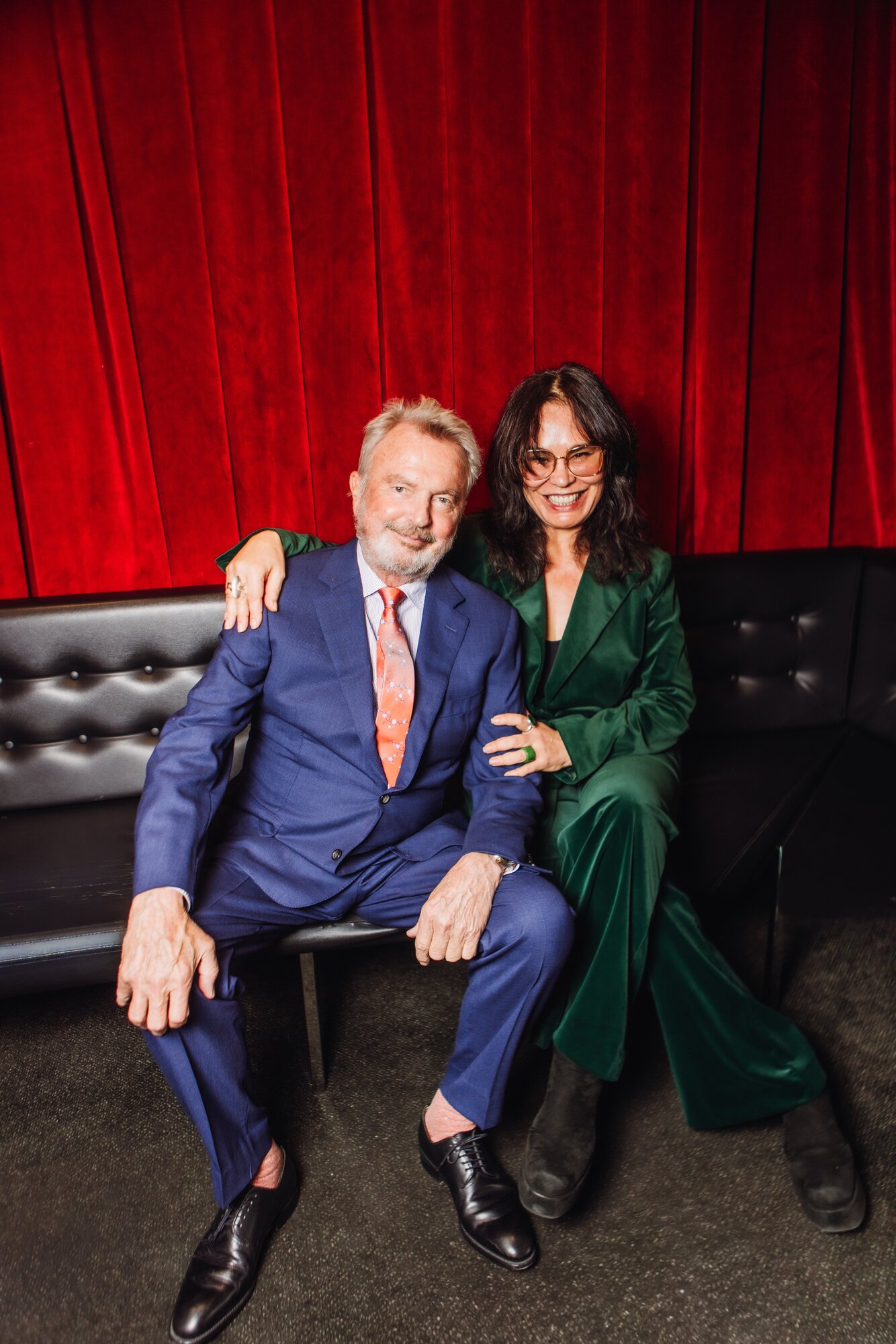
Currently, the treatment is only available in New Zealand through clinical trials, such as one being undertaken by the Malaghan Institute of Medical Research.
The institute says the main barriers to CAR T-cell therapy globally are the burden of managing side-effects and the cost.
“By combining an improved safety profile with cost-effective manufacturing, we aim to address both issues.”
Neill is an advocate for the therapy, which has received regulatory approval and is set to be publicly rolled out in some Australian states over the coming months.
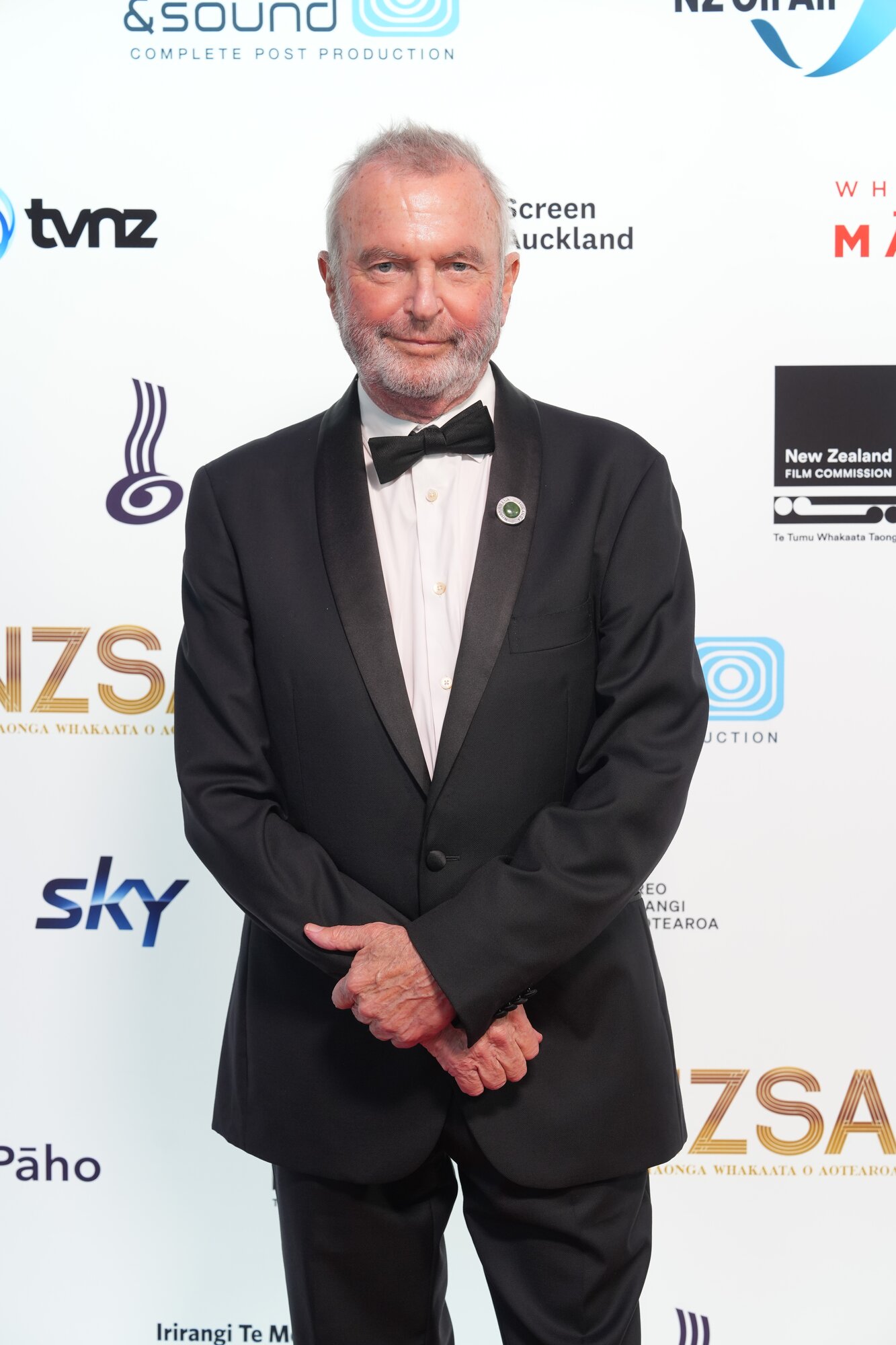
Speaking on Kate Thornton’s White Wine Question Time podcast in 2024, Neill spoke about the “strides” that have been made in science over the past two decades that mean people like himself have better survival rates.
“I’m very grateful for not just the wonderful care I’ve had from doctors and nurses and so on, but also the strides that have been made in treating these things in the last few years,” he said.
“If this had happened to me 20 years ago, I wouldn’t be around to talk to you.”