Why Oscar-nominated The Zone of Interest is a tough, must-watch movie
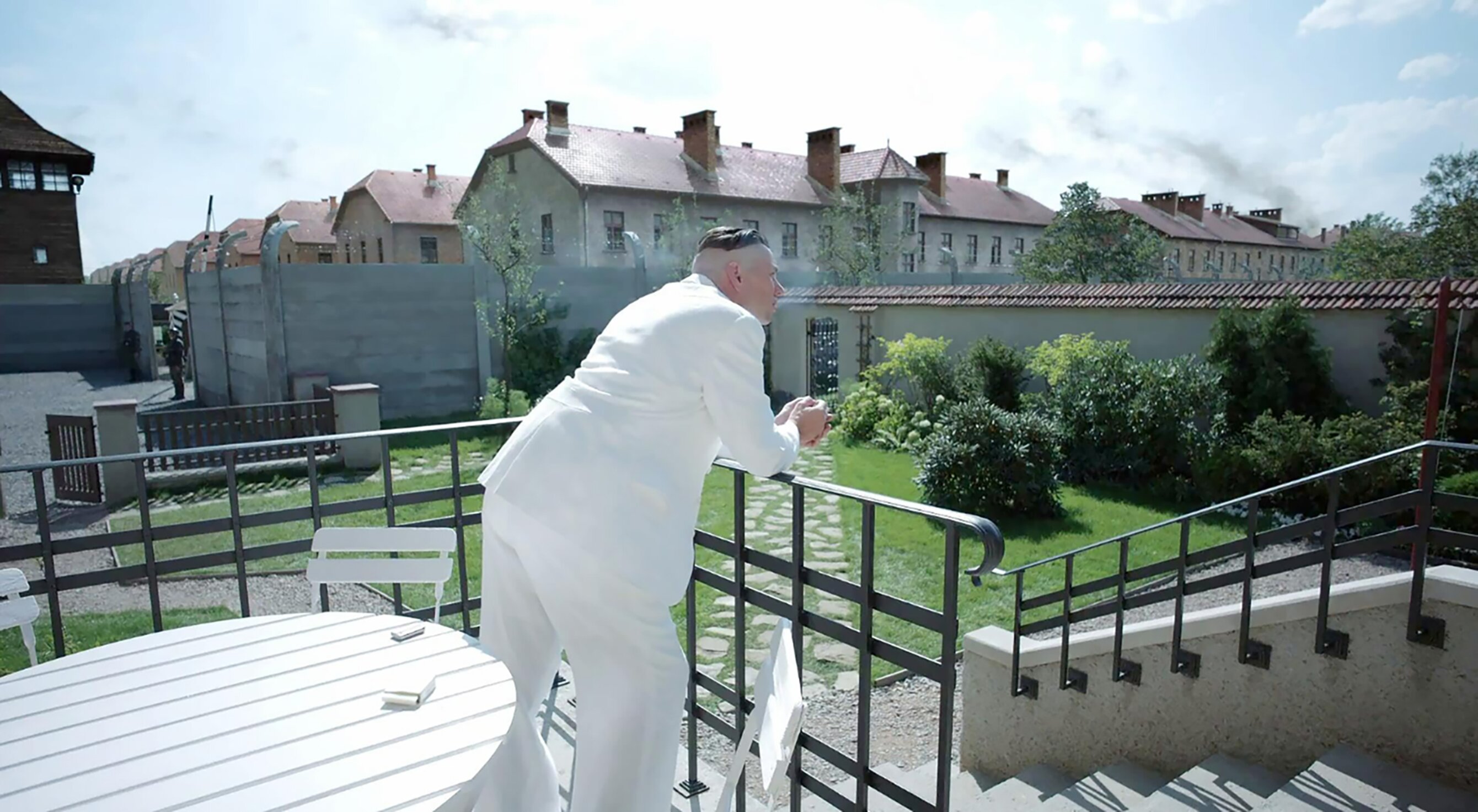
Location, location, location. In Jonathan Glazer’s new film The Zone of Interest, Hedwig Höss has found a heavenly home – lush garden, swimming pool - in which to raise her family. Over her garden wall is the neighbour from hell, Auschwitz, a death camp operating at full stretch under the command of her husband Rudolf. She’s unbothered.
Zone is loosely based on Martin Amis’s inevitably, sometimes jarringly, more satiric novel. There are no laughs in the movie. It portrays perpetrators as people who could, in their domestic setting, pass for an ordinary family of the time. The message, for many commentators: any of us could be Hedwig and Rudy. We’re all capable of … anything.
I’ve had arguments about that view over the years. I don’t buy it. Hedwig happily sorts through the spoils that come her way: clothes of murdered babies for her youngest; a fur coat she tries on, careful to check for jewels sewn into the hem in another woman’s doomed, desperate bid for survival. Hedwig is not in denial, not just looking away. Brazen, gleeful, she views with approval the destruction of those responsible for “Bolshevik things” and “Jewish things”.
In Rudolf’s discussion with the engineer of an efficient new crematorium, the engineer boasts about how many “pieces” it can process, eager and proud. It’s too easy to say this population has been brainwashed to think of their victims as subhuman. If that were the case the endless, creative cruelties and public humiliations the Nazis and their often-enthusiastic helpers meted out to their victims would have been pointless.
“The sadism of treating human beings like vermin,” psychologist Paul Bloom wrote in an article on cruelty, “lies precisely in the recognition that they are not.” Rudolf comes home for a day’s work exterminating men, women and children, and fusses over his beloved horse.
The horrors beyond the garden wall are unseen but the movie is at pains to let them bleed into the Höss’s sunny world through noises: screams, gunshots, the barking of dogs and guards, the persistent grinding of the machinery of death.
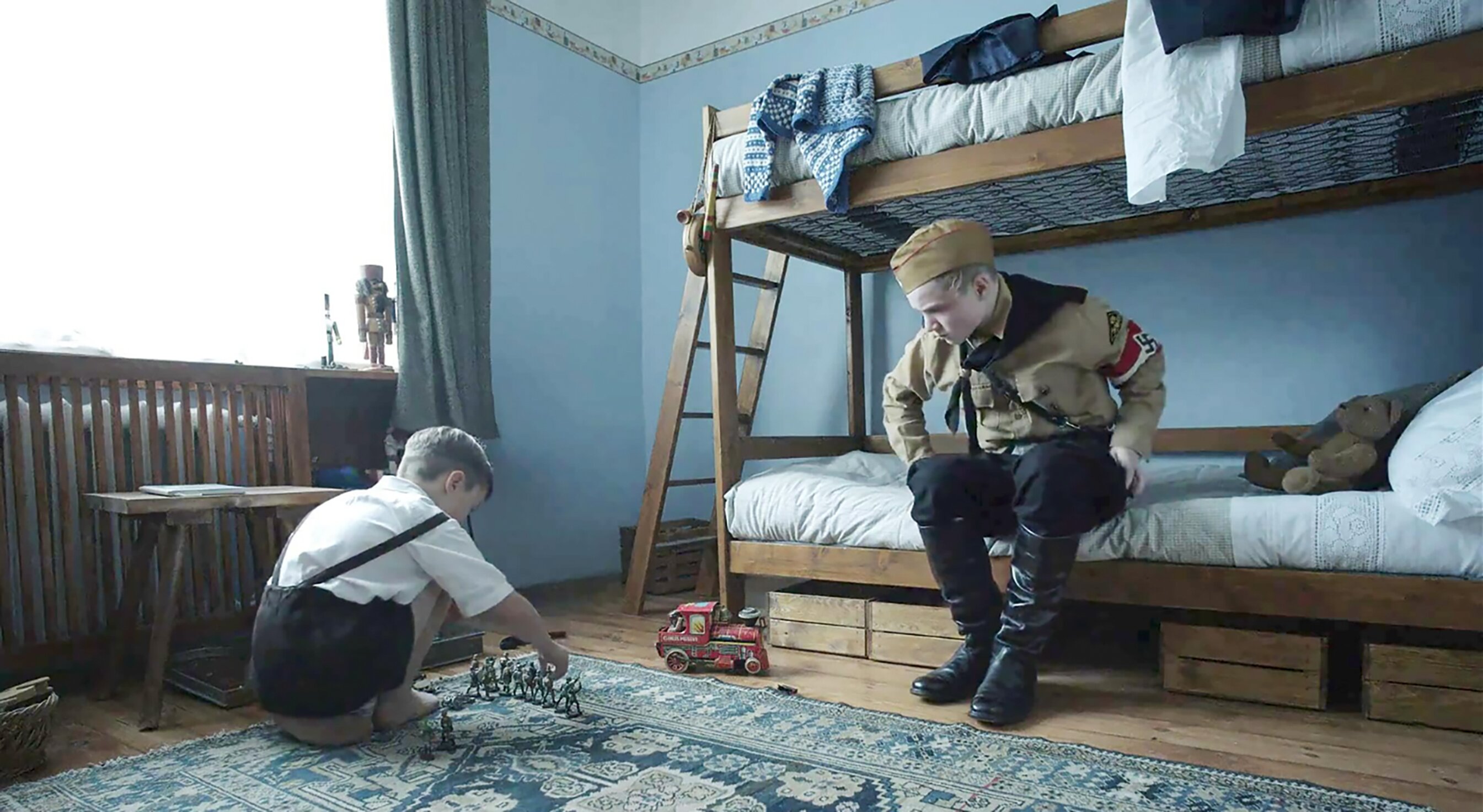
Significant moments can slip by almost unnoticed (small spoiler alerts here). One of the Höss children hears yelling and opens a window. A prisoner is to be killed for fighting over an apple. “Don’t do that again,” the child mutters to himself as he hurries back to his play.
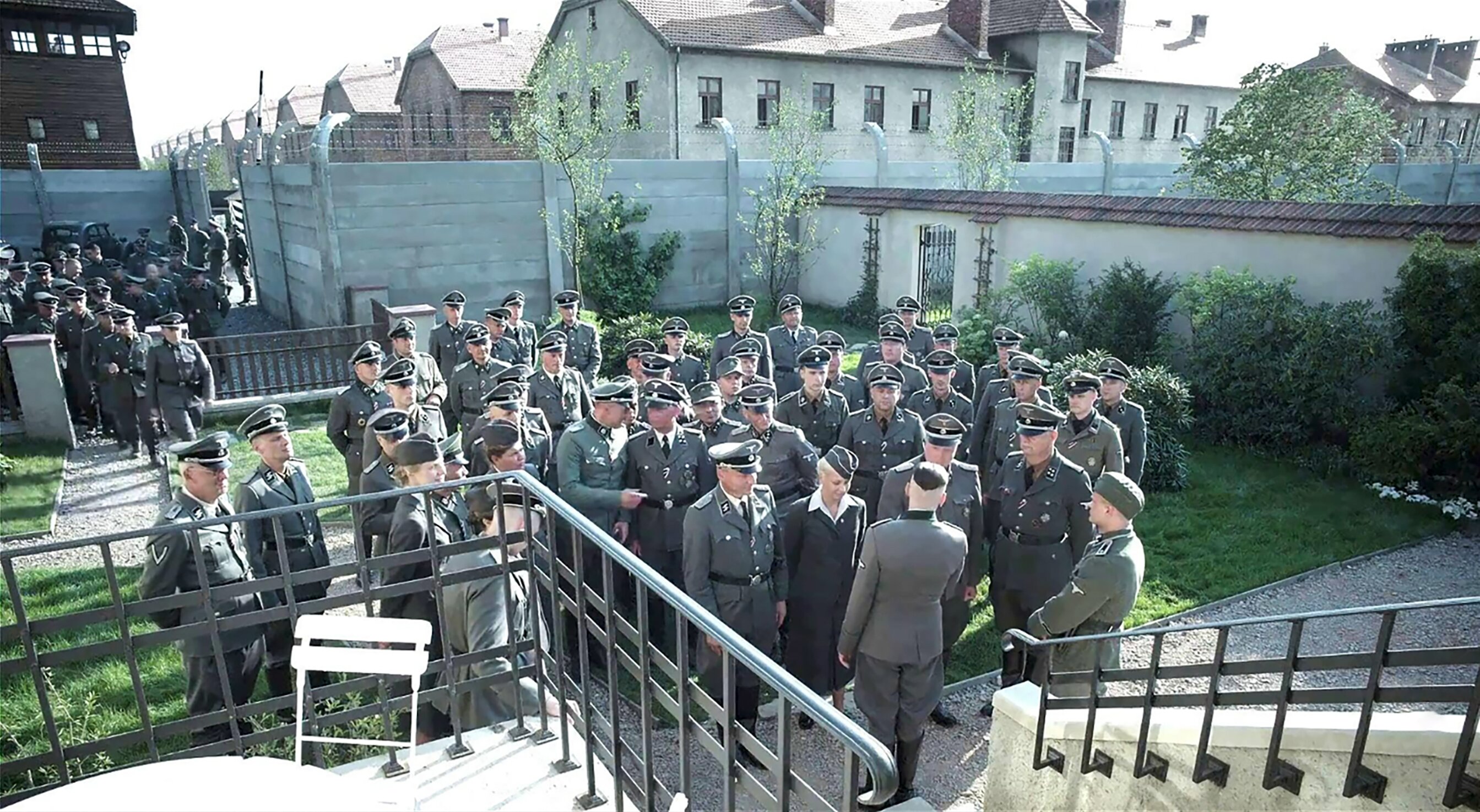
Hedwig’s mother, Linna, visits. “It’s a paradise garden,” she says. “Rudi calls me the Queen of Auschwitz,” Hedwig laughs. “Maybe Esther Silberman is over there,” muses Linna, looking across the garden. She mentions her failed bid for her former neighbour’s curtains after the deportations but even she can’t stomach staying with the Queen of Auschwitz and what’s over the wall.
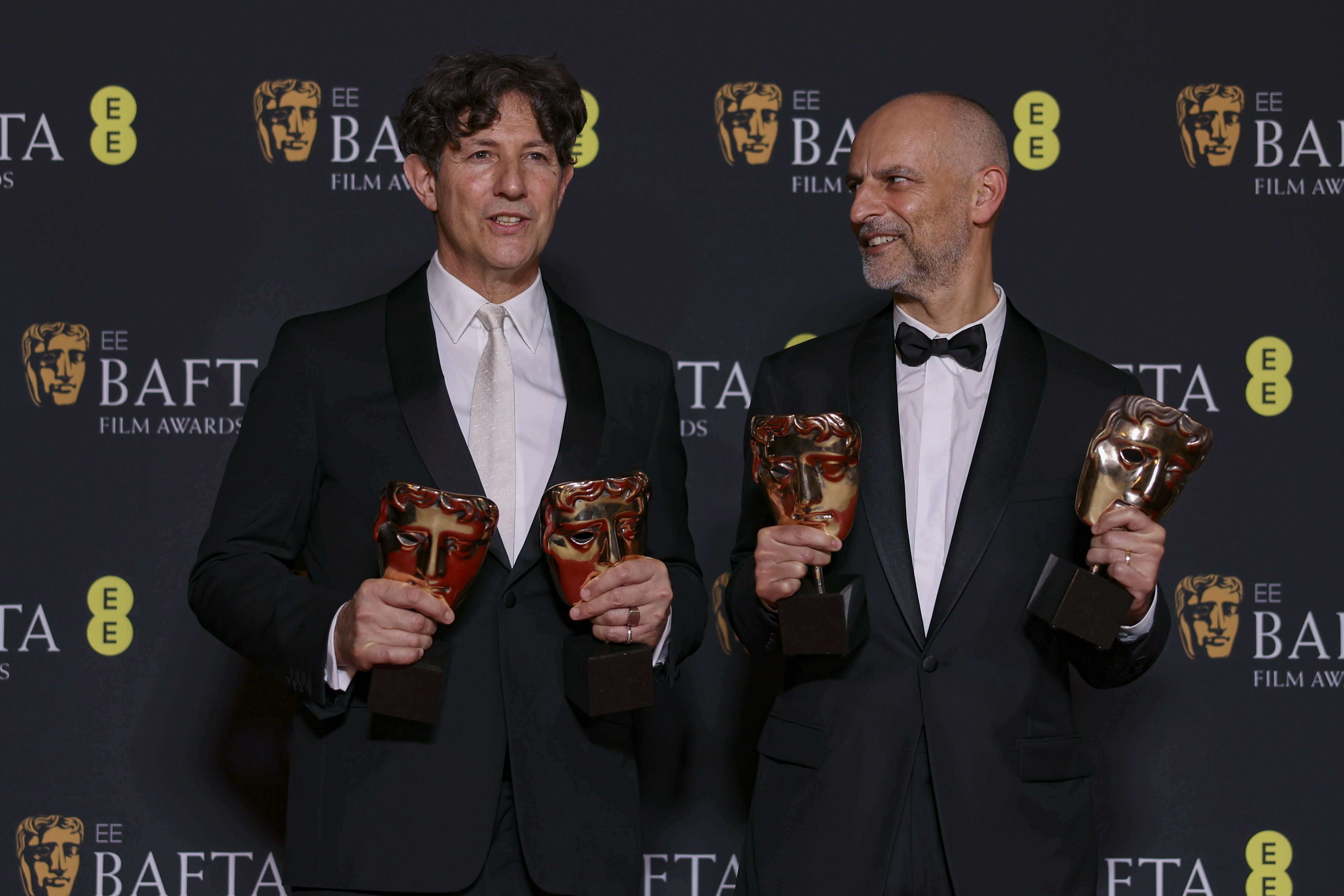
The movie is winning awards. The makers have been asked how it relates to our dark times. Director Glazer spoke on CNN about “selective empathy”.
“It seems so clear that we care for the safety of some groups of people from violence, oppression and injustice – our own tribe mostly - more than we care for other people who are not in our tribe,” he said.
Producer James Wilson, accepting a Bafta, said, “It seems stark right now that we should care about innocent people being killed in Gaza and Yemen in the same way we think about innocent people being killed in Mariupol or in Israel.”
The film depicts one act of radical empathy. A local young Polish girl sneaks out each night on secret missions. Helping a Jew in German-occupied Poland could mean death for her and her entire family.
There’s a moment of time travel in the film, to Auschwitz now. It’s startling, especially if you’ve been there. It’s empty of visitors. Workers carefully clean exhibits to preserve evidence of the crime. Back in their world, the Höss’s show not a single second’s compassion. No thinking, no learning. That is left to those who go to watch the movie. Highly recommended.