Ngāpuhi asks police for Ōpōtiki-style crackdown on methamphetamine in Northland
Ngāpuhi is calling for police to round up drug dealers in Northland using the same strong tactics they used in drug raids on Ōpōtiki last year.
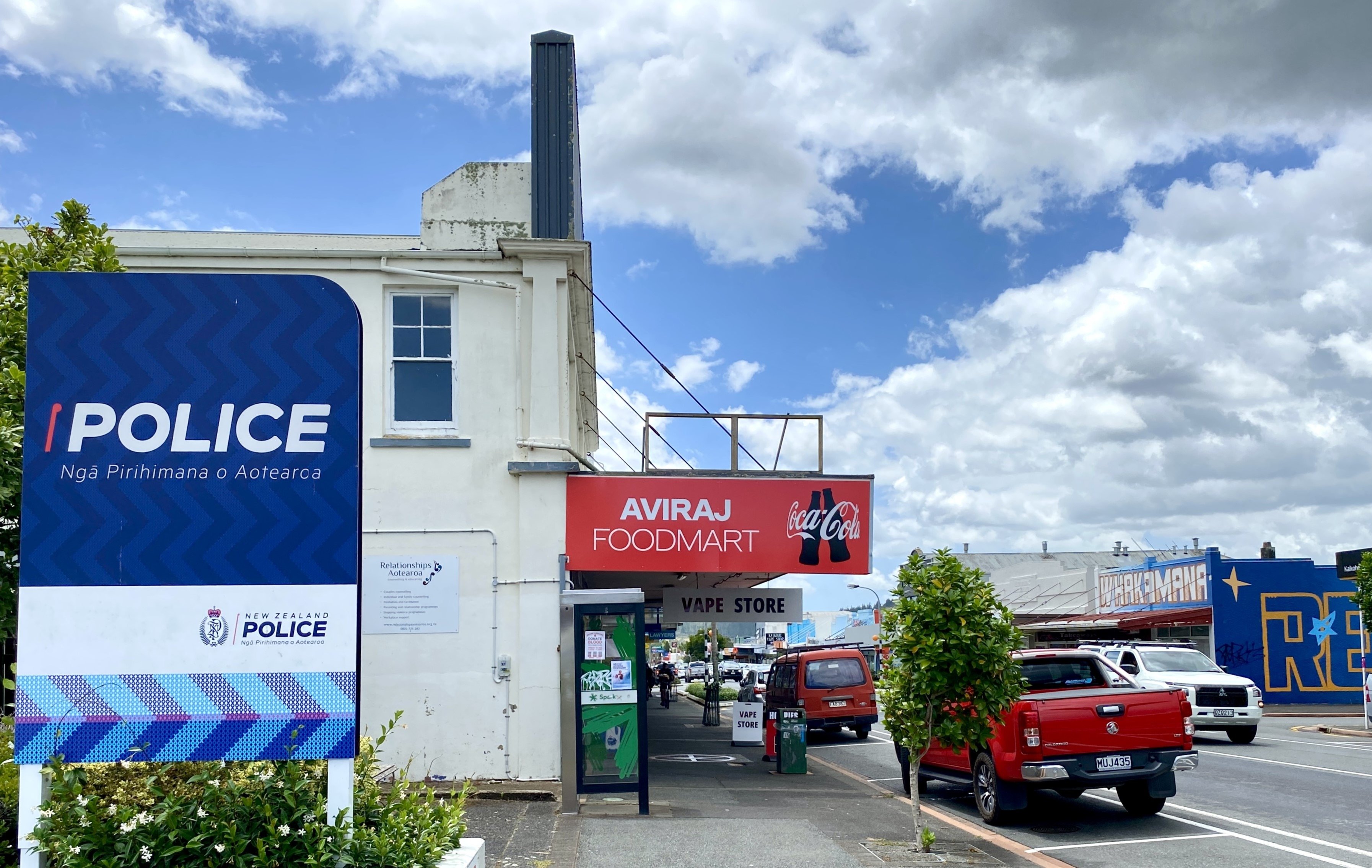
Leader of the country’s largest iwi, Mane Tahere, said he asked the Police Minister for decisive action after recently seeing a group of youngsters smoking a meth pipe in daylight in the main street of Kaikohe, just down the road from the police station.
“Our hard, staunch kind of hate for the police is not the future” he said.
Other locals have told the Herald teenagers openly sell and smoke drugs in the streets.
Northland has the highest consumption of methamphetamine in New Zealand, with nearly 2000 milligrams per day consumed per 1000 people.
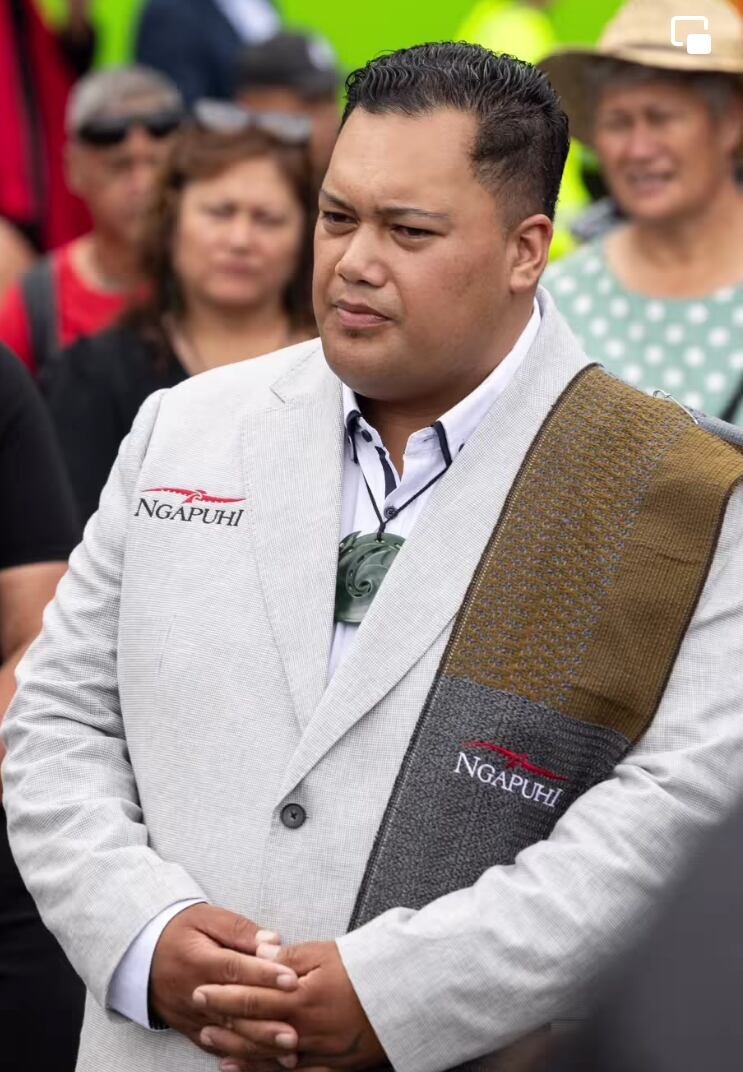
In April Tahere met with Police Minister Mark Mitchell, Māori Development Minister Tama Potaka and list MP Shane Jones, who lives in Northland, to discuss ways the community, iwi, local government and central government could collaborate.
Mitchell told the Herald police can’t solve the issue by themselves and the Northland community needs to take control.
“We will do what we can to support the community,” he said.
“It requires local government, community and strong iwi leadership to get at the heart of the social issues that are driving this.”
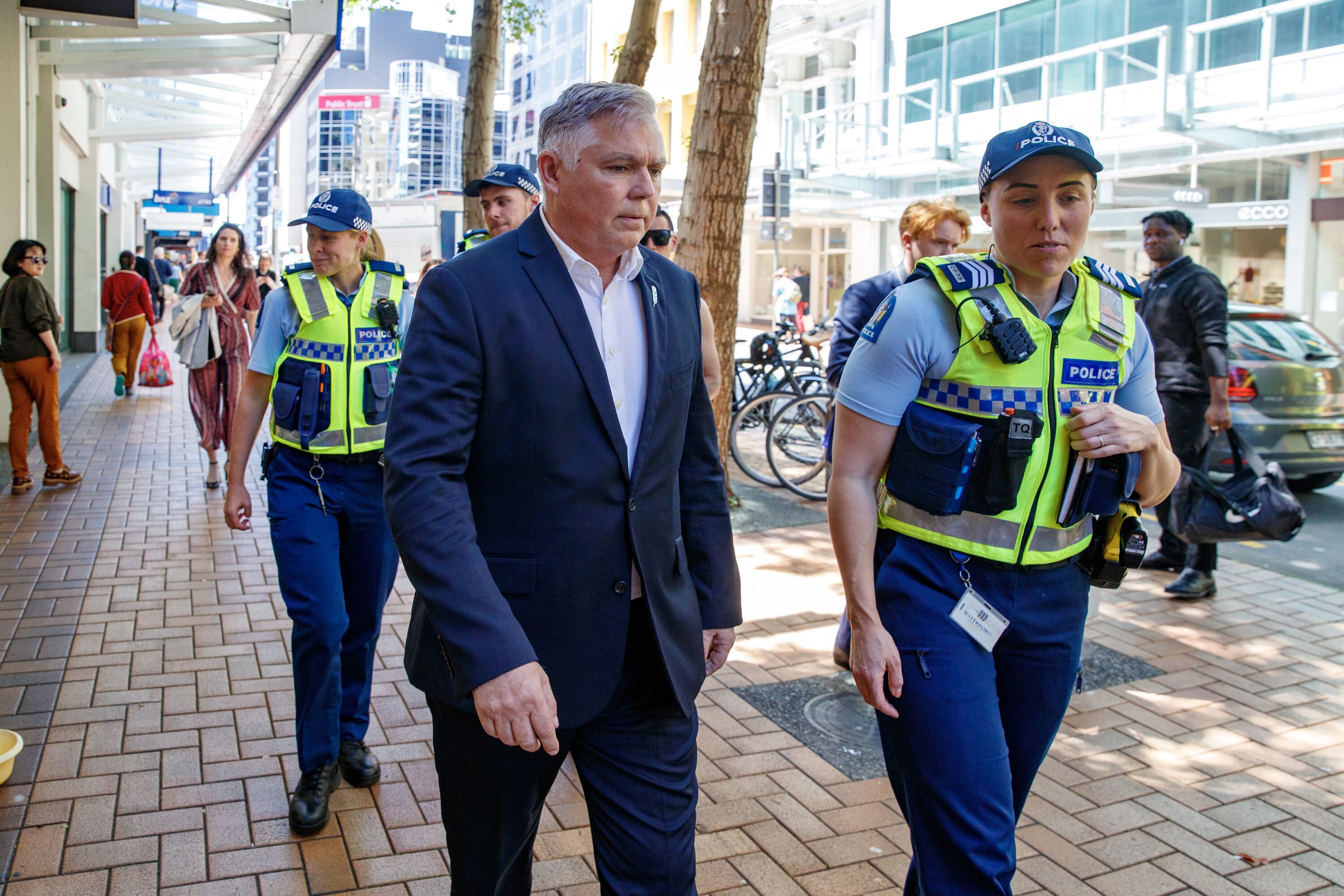
Mitchell said tactics police used in Ōpōtiki in 2024 could be deployed to Northland.
Last year, police simultaneously raided 15 homes in Ōpōtiki. Twenty-two people from Ōpōtiki were charged with a variety of charges including possession of methamphetamine for supply and participating in organised criminal groups.
Police copped criticism from people who believed its National Organised Crime Group (NOCG) took a heavy-handed approach.
Some in the Ōpōtiki community complained of strip-searches, and very young children watching parents being taken away by police.
A Police spokesperson said at the time they were acutely aware that there were children at some addresses.
”At one address where both parents were being arrested, we were very mindful that two children would need alternative care. While whānau members were identified and contacted, the children’s father placed them in the back of a police vehicle to stay warm and safe while they waited.
”At no point were any children left unattended for any period of time alone at a property.”
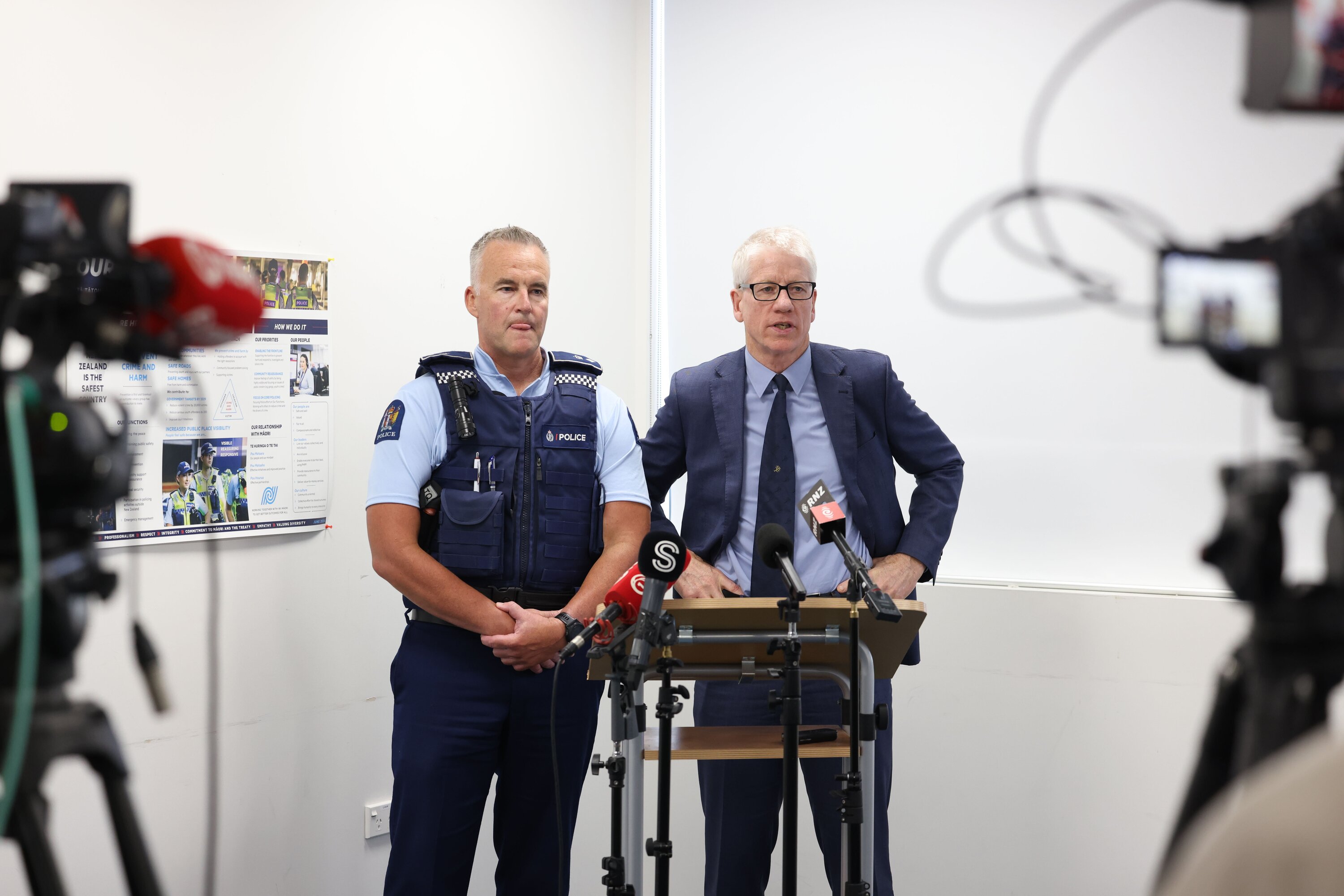
Mitchell said Mane knows his community and applauded him for being proactive.
“Mane could probably point to the whānau where the issues are coming from,” Mitchell said.
“He would like see a big push in Northland like we did in Ōpōtiki. That is an operational matter the police will have to work out but I have told Mane we need to be doing the same thing.”
Tahere said his meeting with the ministers was just the start.
The view by some Māori that you can’t trust police must be wiped aside, he said.
“For us as Ngāpuhi, we have said, instead of fighting politically let’s come together and take on these real issues.
“Our marae are telling the stories of whānau becoming dependent on drugs.”
“[A crackdown] isn’t the solution to all problems in Northland but its a major part.
“Some people won’t believe asking the police to crack down is the right action.
“We have to take the lessons of Ōpōtiki and be prepared on the after match but the major part of this is the crack down of supply.
“Ngāpuhi are some of the staunchest in our ways but our population is a young population.
“Our hard, staunch kind of hate for the police is not the future. A lot of police are our whānau now anyway” he said.
In a Facebook post, Jones said he would stand up for Kaikohe and wanted Kaikohe to stand up for themselves.
“In the event there is a delivery akin to Ōpōtiki in the future, stand up for the rule of law and stand up and support the police,” Jones said.
Joseph Los’e is an award winning journalist and joined NZME in 2022 as Kaupapa Māori Editor. Los’e was a chief reporter, news director at the Sunday News newspaper covering crime, justice and sport. He was also editor of the NZ Truth and, prior to joining NZME, worked for urban Māori organisation Whānau Waipareira.