Alec Baldwin trial documentary: Rory Kennedy on politics and justice
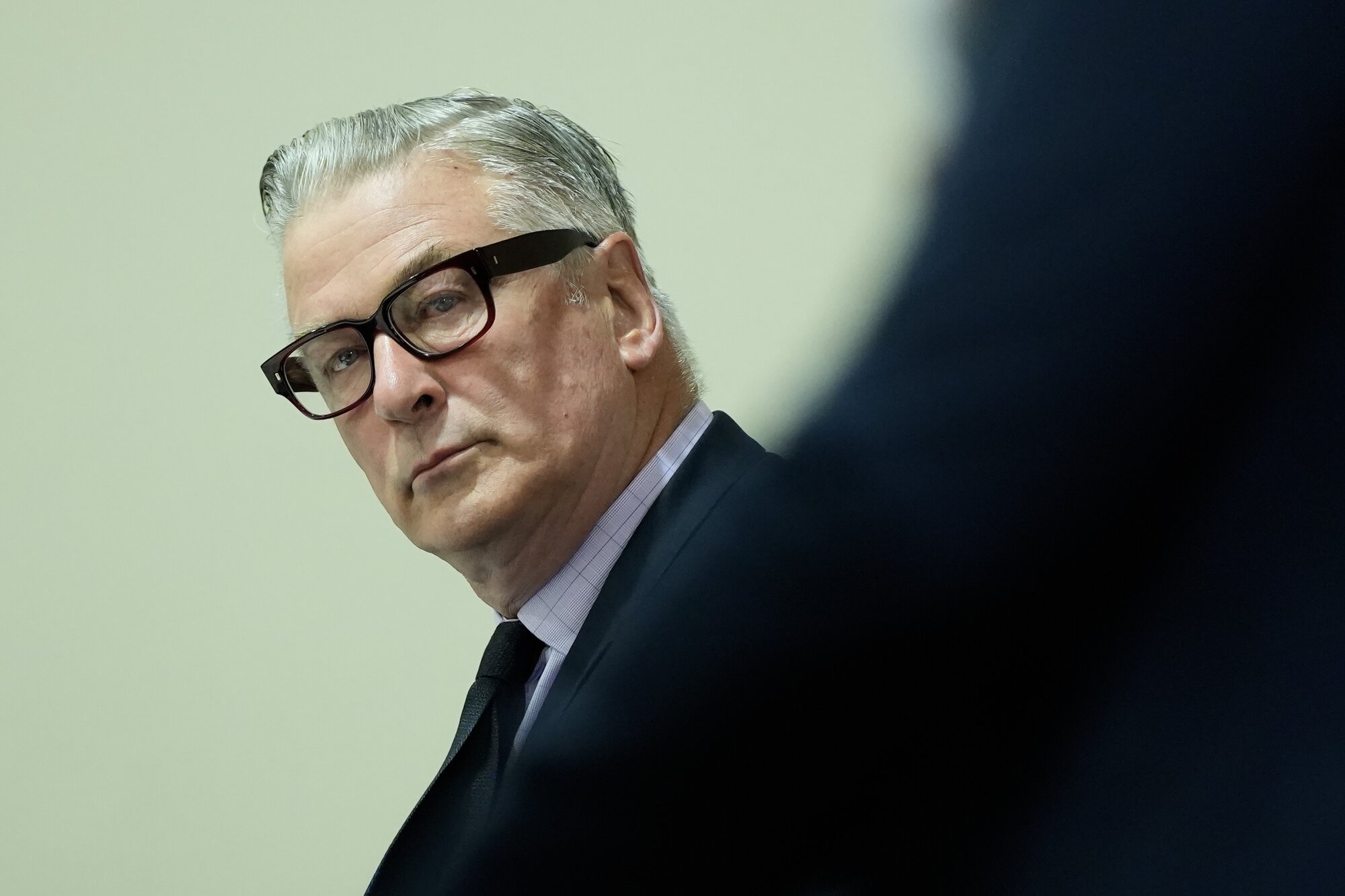
Rory Kennedy spent three years filming Alec Baldwin as he fought manslaughter charges. The resulting documentary is a raw, unguarded look at celebrity, the political infiltration of the American legal system and the court of public opinion. Words by Karl Puschmann.
Justice, it’s said, is supposed to be blind. But anyone can see that isn’t always the case. Especially in America, especially when celebrity is involved and especially in the court of public opinion.
Take the recent trial of actor Alec Baldwin. The 68-year-old screen veteran was charged with involuntary manslaughter after a gun he was holding while filming on-set accidentally went off, injuring the film’s director Joel Souza and killing 42-year-old cinematographer Halyna Hutchins.
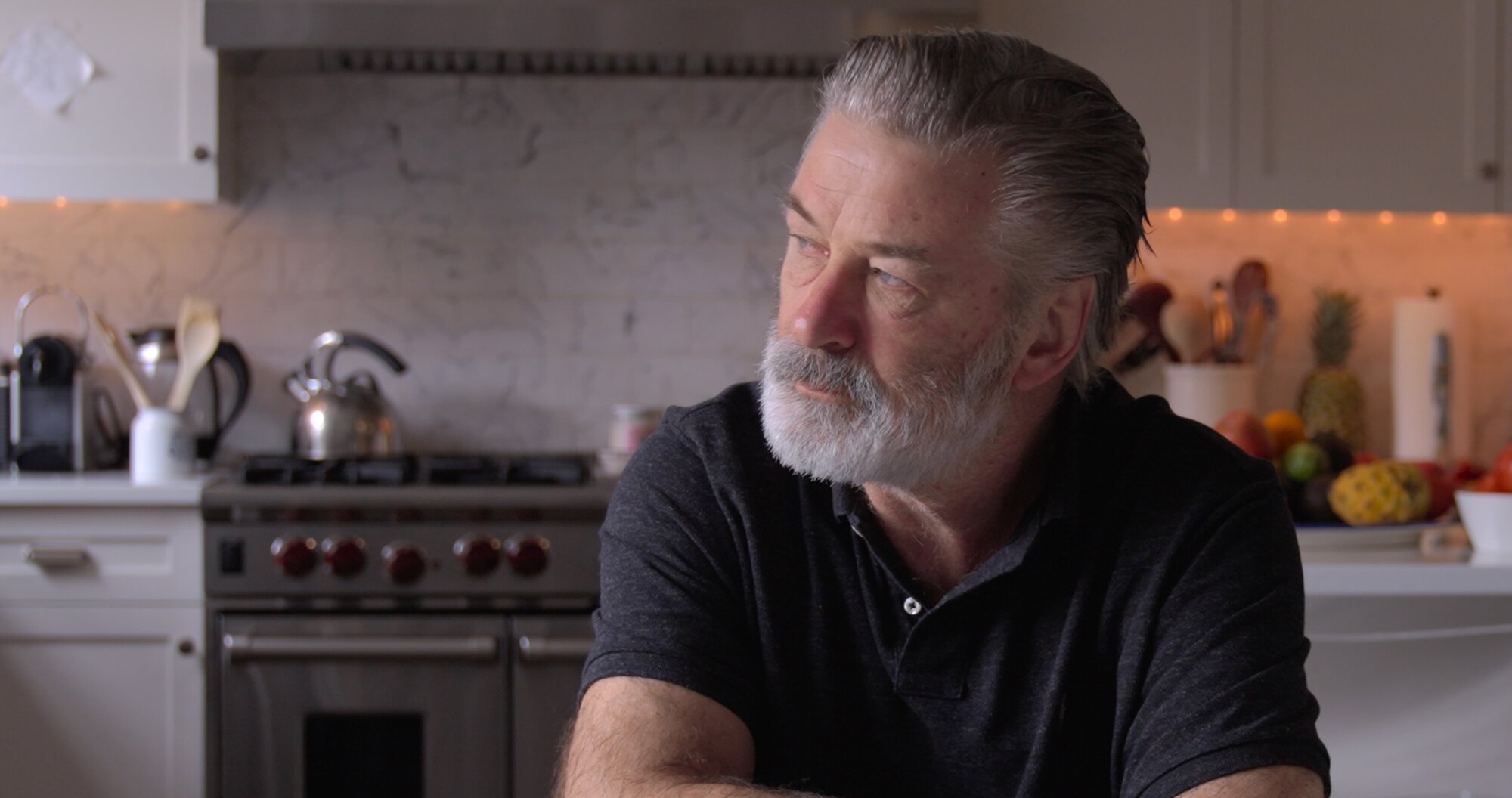
It was a tragedy. The gun was supposed to have been loaded with dummy bullets, blanks. When the bullet was recovered, it was found to be a live round. It should never have been in the gun. Then again, the gun never should have gone off at all. Baldwin insists he did not pull the trigger, saying the gun went off in his hand after raising it in action.
How did a live round end up in the gun? Did Baldwin pull the trigger? Was it an accident at all? Even before the accident, reports from the set of Rust, an old-school Western, described it as a pressure cooker environment. The film’s low budget and big ambition led to crew walkouts over the exhausting conditions, there were pay disputes, and severe safety lapses, including at least two prior accidental weapon discharges where a prop gun accidentally went off.
Headlines that read “Baldwin charged with murder” proved irresistible to all facets of the media and the public imagination. Serious news crews investigated, paparazzi circled Baldwin and his family, and social media was overrun with reckons declaring Baldwin’s innocence or, more often than not, guilt.
The accident occurred in October 2021, and Baldwin was charged 15 months later in January 2023. A few weeks after that, acclaimed director Rory Kennedy reached out to Baldwin, at that time a loose acquaintance, with an idea.
“I texted him and asked if he might be interested in doing a documentary about him and his life. He replied, saying, ‘That seems like a terrible idea. Why would you want to do that?’”
She laughs and says she sent him back a few lines saying his life story was interesting, the very public ups and downs, and that it would make for an interesting story.
“It seemed worthy,” she says, “I really didn’t elaborate. He was like, ‘Well, let me talk to my wife, and we’ll think about it’. I didn’t hear from him for about two months.”
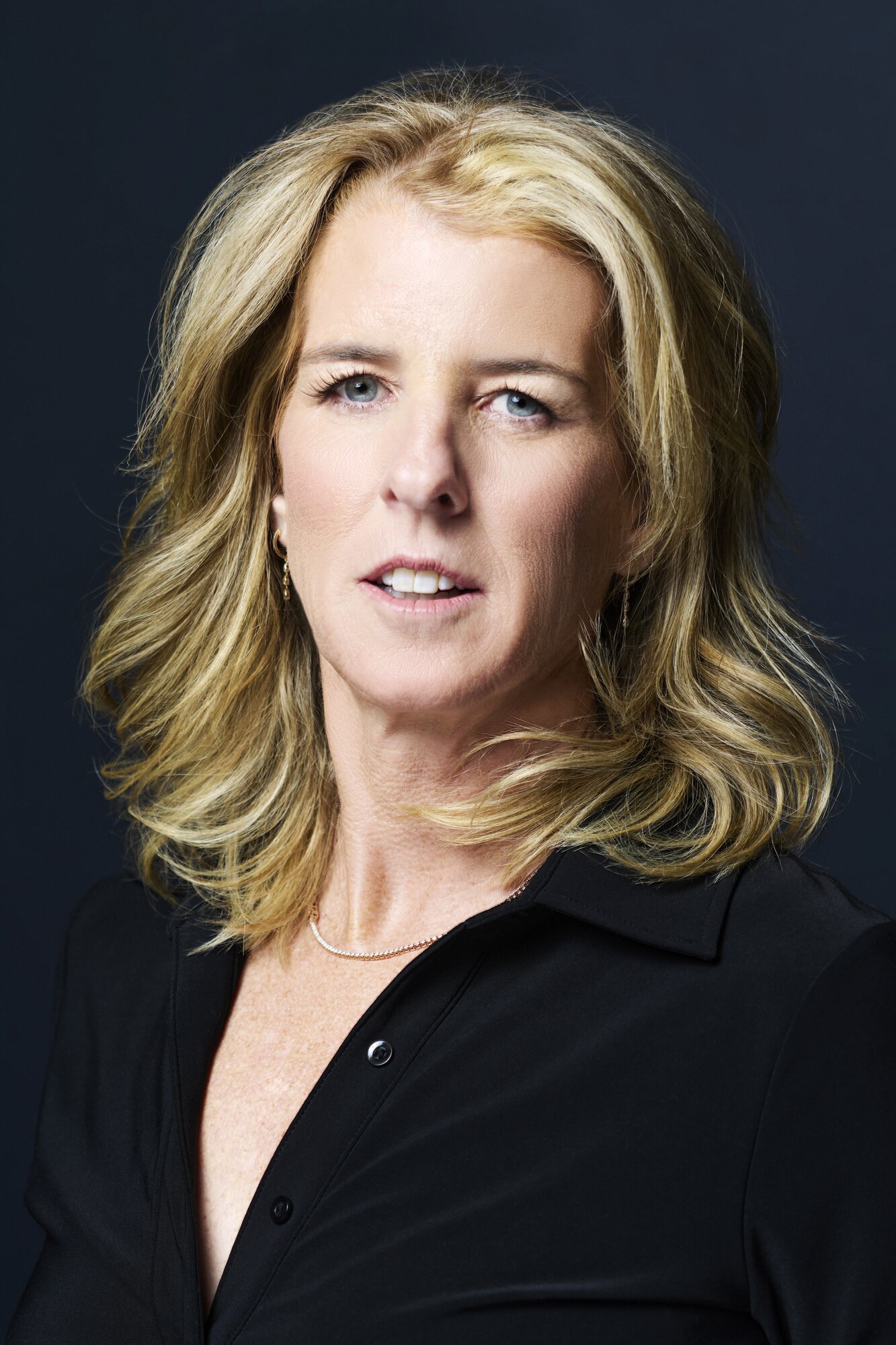
Kennedy maintains it wasn’t an anxious wait.
“I hadn’t really done anything on the project. I was working on two other films, so it was more along the lines of he’s either going to say ‘Yes’ or ‘No’, probably ‘No’, and that’s fine. But let’s find out.”
Kennedy was on holiday with her family when the actor called, saying he was in. The initial charges against him had been dropped and filming on Rust had resumed. Kennedy was keen, but had three conditions: she would have full editorial control, the exclusive to his story and that he would not take any financial payment from the film. Baldwin agreed. The contract was so simple that it fit on a single page.
“That says a lot about Alec,” she says. “There’s courage there to just hand that control over to a film-maker. He wasn’t trying to hide anything. Over the course of the film, the amount of access that he gave me and the rawness of his journey and emotions of what he was going through… It’s an extraordinarily intimate portrait with exceptional access.”
Which had not been the plan at all.
“We imagined that it would actually veer more towards a biopic,” Kennedy says. “The Rust case seemed like it was going to just resolve without a trial.”
With charges withdrawn, it was full steam ahead on his life story. Then, everything changed. During an interview in his New York City office one afternoon, Baldwin got a call. A grand jury had reindicted him on the same involuntary manslaughter charge. Kennedy’s camera catches his shock, confusion and worry before the session is cut short so he can rush to his family.
“It was shocking,” she says. “There were so many reasons why it shouldn’t go to trial on a legal basis. But it did.”
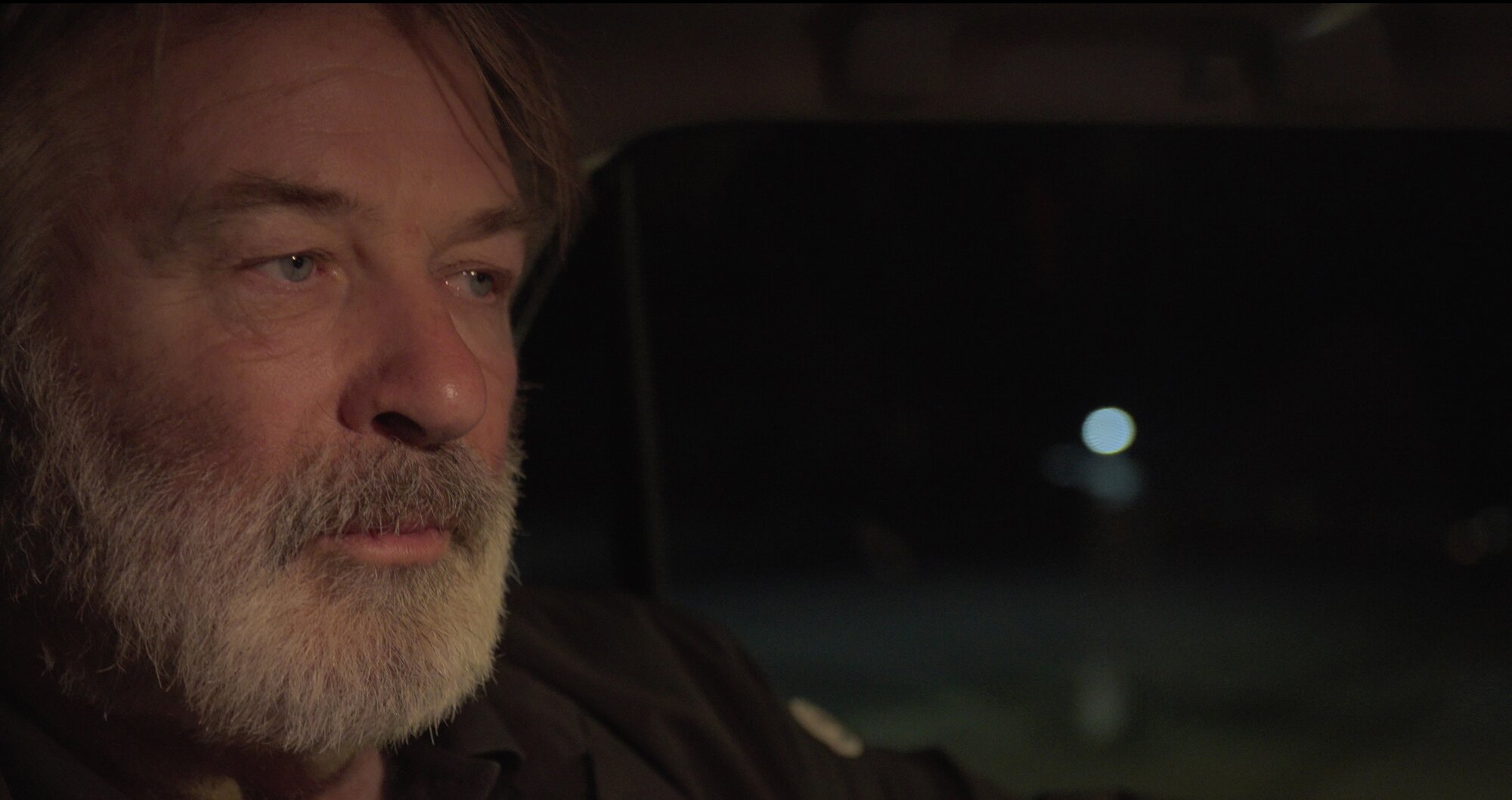
The film’s direction changed instantly. It was now about the trial and Baldwin’s rocky emotional journey navigating through it.
This, as it happens, is exactly Kennedy’s wheelhouse. Her films have largely focused on human rights, political corruption, social inequality, and systemic failures, such as Ghosts of Abu Ghraib, which exposed the abuse of Iraqi prisoners by US military personnel, and Last Days in Vietnam, about the chaotic end of the Vietnam War. She’s even covered Aotearoa history with The Volcano: Rescue from Whakaari, which documented the 2019 eruption of White Island and the harrowing survival stories of the tourists and guides.
“There was a sense that Alec was very much on trial because of his character, much more so than actually what he did,” she says. “That became a theme of the film. We explored the controversial things about him to really demonstrate how this was actually about those situations and not so much about the guy holding a prop that had been loaded.”
Watching The Trial of Alec Baldwin, it is clear he was prosecuted with such tenacity because of his fame, and because the Republican-led prosecution team were looking for a career-defining win against a famous Democrat. Justice and the truth didn’t come into it.
“Yeah,” Kennedy agrees. “It’s really outrageous.”
As an American citizen, seeing the prosecution team’s behaviours and actions unfold before her and her camera was chilling.
“Unfortunately, we’re seeing how politics plays itself out in the court system all too often right now. Particularly with the extreme politics that we’re experiencing here in the United States with President [Donald] Trump, and how those court systems are being manipulated to not necessarily support the law, but to support a political position. Once we get our system back, which has been hijacked over here, we need to put guardrails in place to protect ourselves from these kinds of situations in the future.”
As well as political interference, Baldwin also faced the cultural kind as well. Coverage of the initial tragedy and Baldwin’s two charges were inescapable. But when it came time for the unsexy nuts and bolts of a criminal trial, the media circus packed up and went home, seemingly deciding that the case had no more clicks and views to give.
“We felt the film was a Rorschach test, where it was more of a reflection on us than it was about Alec Baldwin,” Kennedy says. “It’s revealing in terms of the judicial system, what it says about the media and what motivates their storytelling, and the people on social media – and us – who had such strong opinions about what happened and about Alec Baldwin, but didn’t know the facts. The film shows that, as an audience, our appetite does lean towards that salacious stuff that we can gorge on. It’s distressing that there’s no counter to that.”
She pauses for a second, then muses, “I guess documentaries like these are the counter to that.”
Kennedy points out that while there was a frenzy around Baldwin for years, few people know what actually happened in the trial. This is a shame, because what happened was completely wild and, if you are American, an infuriating and gross injustice.
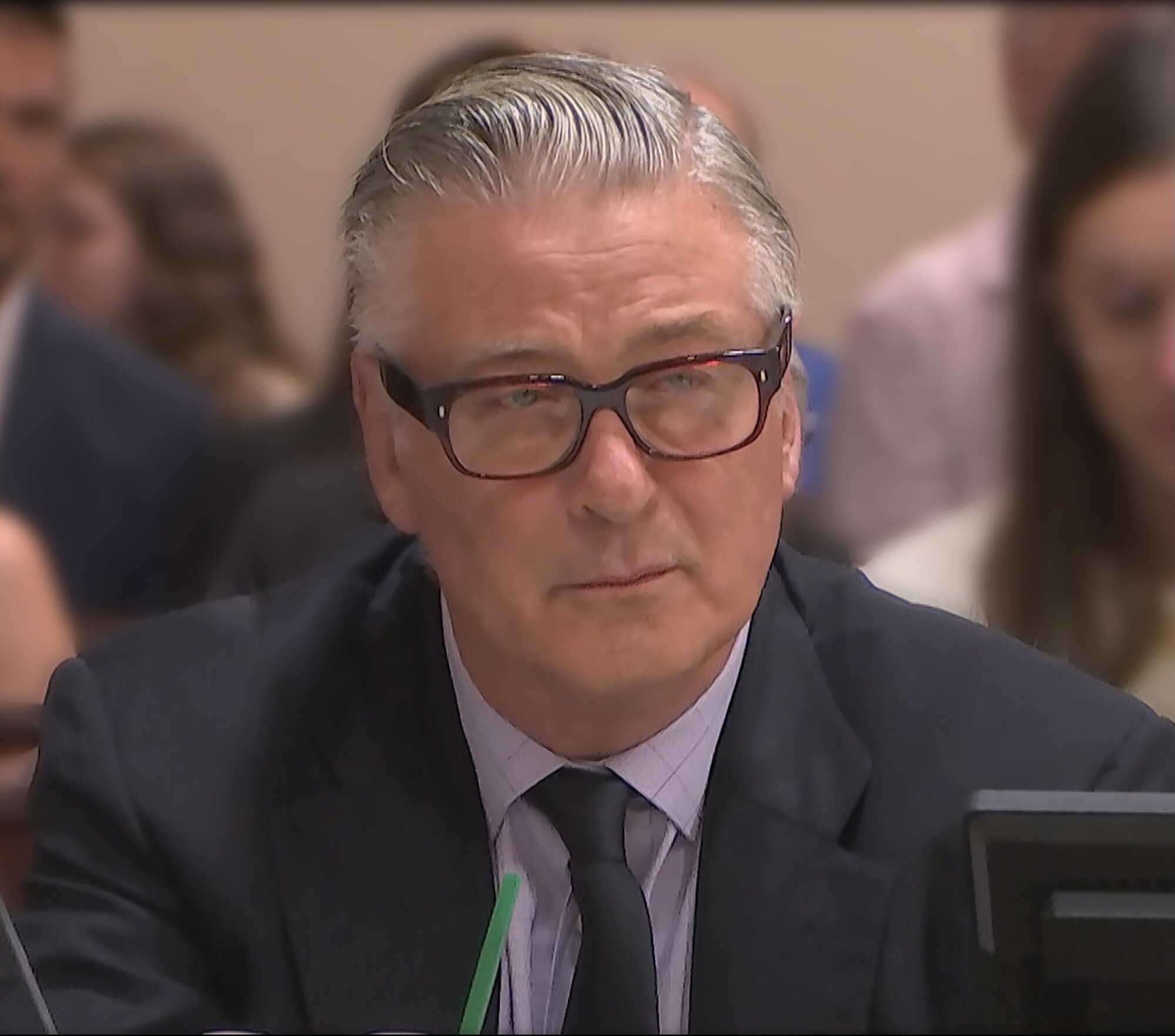
The arrival of a literal smoking gun during the trial, where Baldwin sat facing an 18-month prison sentence, is shown to be an intense, extremely bizarre moment of high emotion for defence and prosecution. It’s a moment that lays bare exactly what was going on, and Kennedy captures it with the heart-stopping drama of a Hollywood courtroom thriller. Which, in a way, this case actually was.
“A strong part of me feels like Alec was treated unfairly. He didn’t deserve to go through what he went through. His life really was destroyed in many ways as a result of that,” Kennedy says. “He’s hurt, and he’s damaged, and he can be an unreliable narrator because of that. It’s nice if this film helps people understand him a bit more and how profoundly unfair this situation was. But it also helps us understand our judicial system and how social media and politics impact these institutions and the decisions that are being made.”
Kennedy spent three years with Baldwin, witnessing his ups and downs, and even becoming part of the story herself when the prosecution subpoenaed her interview footage.
“It was irritating and completely ridiculous,” she says, still sounding a little riled up by the legal overreach. “There was no legal case there. She had no rights to our footage.”
Kennedy, a known Democrat, says fighting the subpoena cost her about US$50,000 ($85,000) and that it “also spoke to the politics that were driving the legal case, ultimately”.
The film is now hitting global release, but she confirms Baldwin has seen it.
“Initially, he really didn’t like the movie,” she says. “It’s not a movie that’s a love letter to Alec Baldwin, clearly, and it’s not the movie he would have made.”
She waits a beat, grins and adds, “But he’s now come around to appreciating it”.