Former All Black Keven Mealamu on living with atrial fibrillation and his passion for art
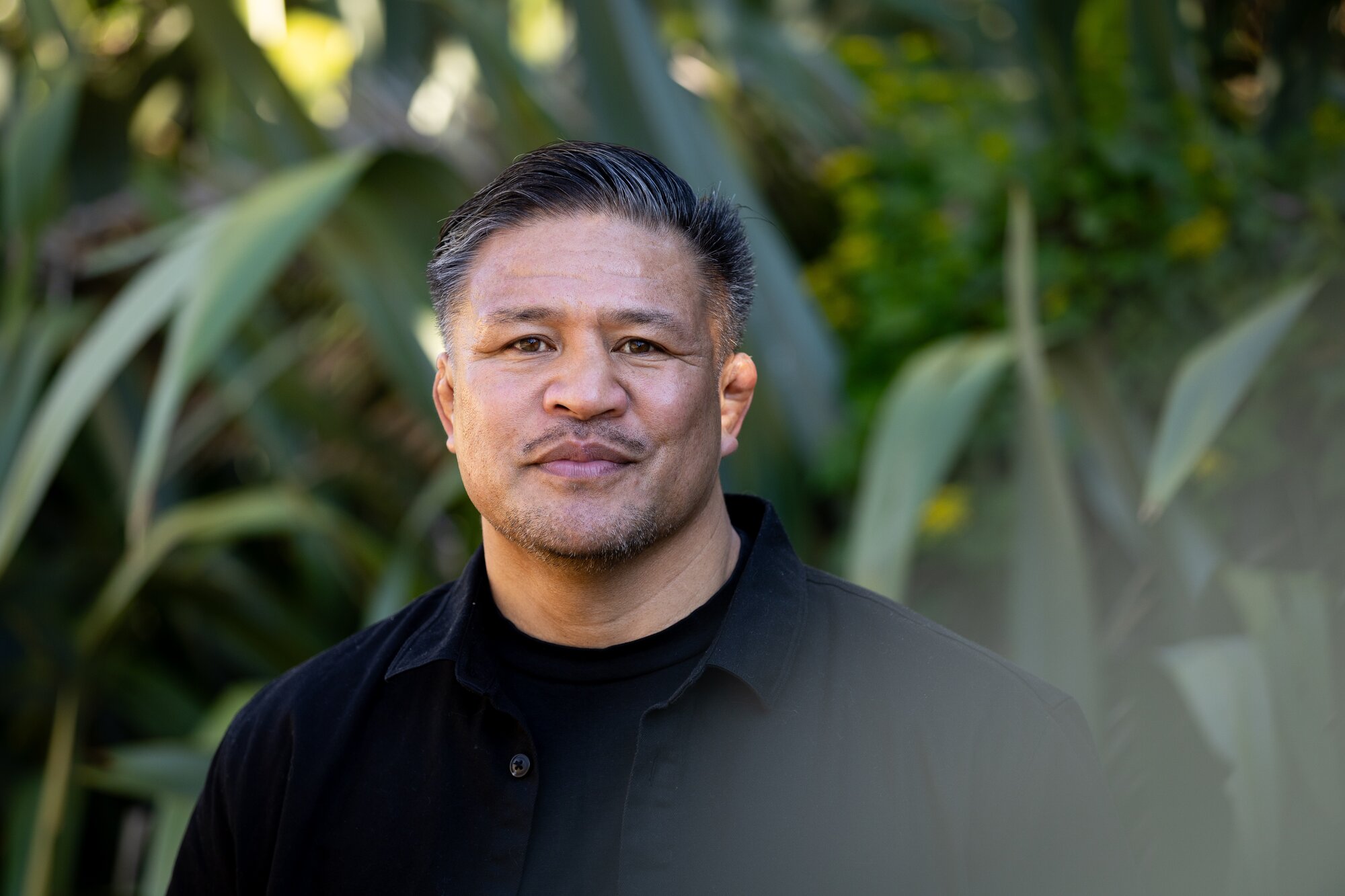
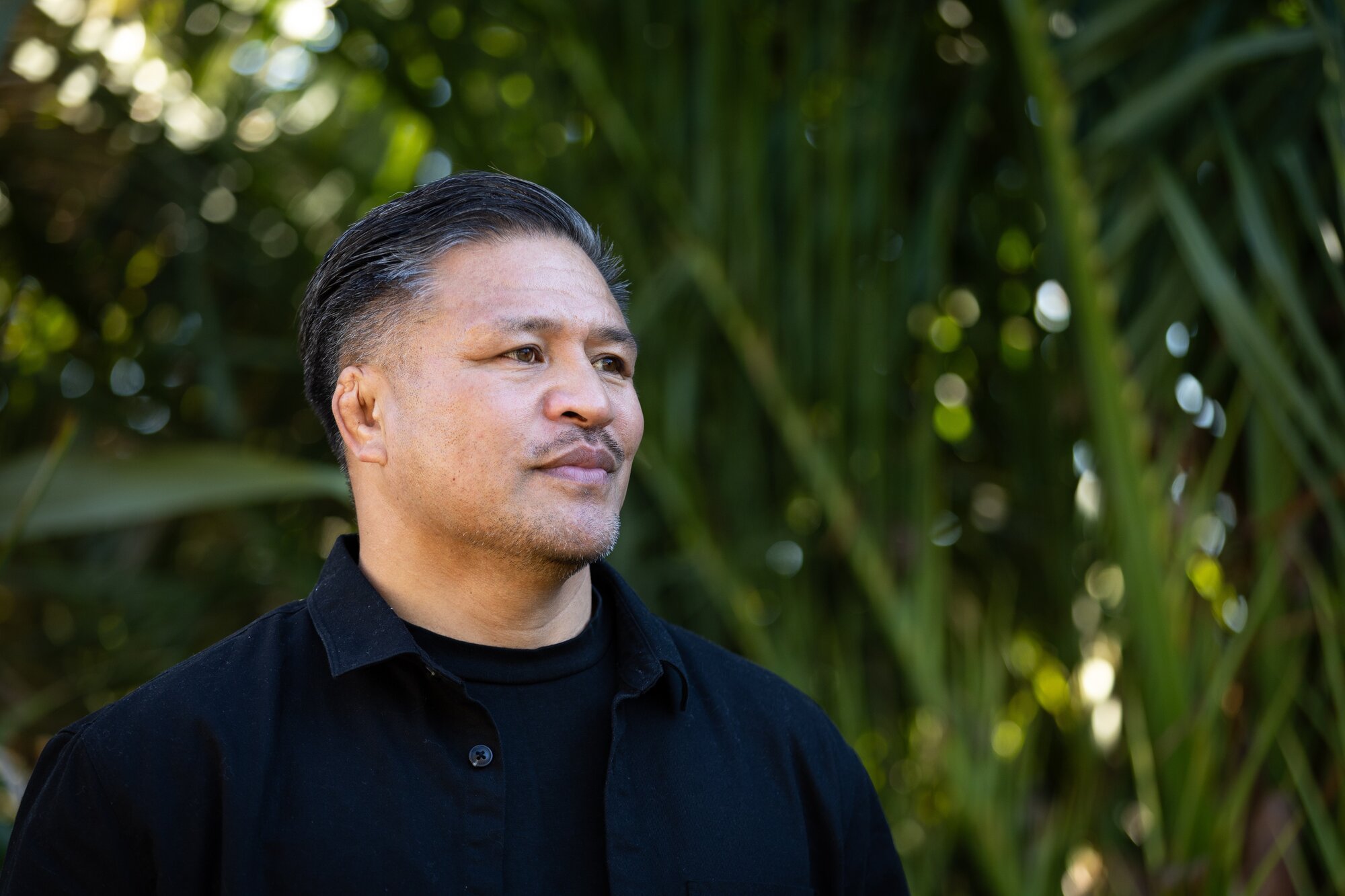
When former All Black Keven Mealamu was diagnosed with atrial fibrillation, he didn’t believe it.
“There’s no way I should have this,” he remembers thinking. “I look after myself quite well, so why is this happening to me?
“You sit in a bit of denial.”
Mealamu, who played 132 test matches for the All Blacks, was diagnosed with the heart condition in 2022 after collapsing at the gym while training for a Fight For Life charity boxing fight.
If he’d gone through with the bout, his heart rate could have risen to the point of causing heart failure.
Atrial fibrillation is a common heart arrhythmia. According to the Heart Foundation, a healthy heart beats at a steady rhythm of between 60 and 100 beats per minute, controlled by regular electrical signals. This is known as sinus rhythm.
When you have atrial fibrillation, those signals become erratic, causing the heart’s top two chambers – the atria – to twitch or quiver, making your heartbeat irregular and often faster than normal.
While not immediately life-threatening, the condition significantly raises the risk of stroke and heart failure, where the heart is unable to pump blood around the body effectively.
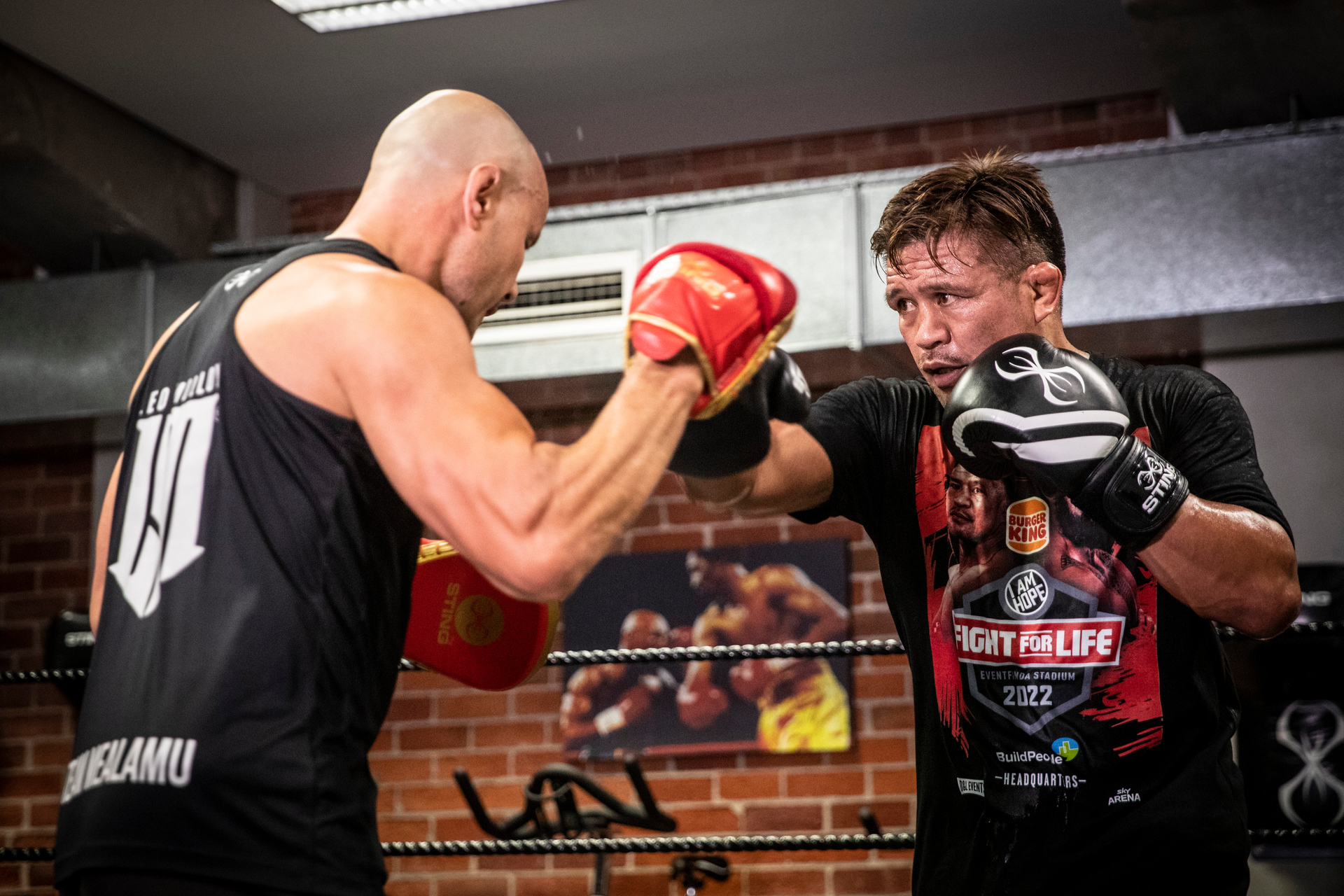
Not everyone experiences symptoms. In Mealamu’s case, he recalls simply struggling to cope with the boxing training.
“As someone that’s come from team sports, it was very tough. It was a lot tougher than preparing for rugby,” he says.
“In the lead-up, I just thought that’s how hard it was, that maybe I was struggling with the preparation just because it was hard.”
When he was diagnosed, his first response was, “Man, all this work I’ve done has been a waste of time”.
However, he was soon grateful the condition hadn’t gone undetected for longer.
“When you get a chance to reflect, you go, ‘How lucky am I, that I found this out earlier and I’m able to do something about it?’
“It was a blessing in disguise.”
Risk factors for atrial fibrillation include age, high blood pressure, other types of heart disease, genetics, sleep apnoea and drinking alcohol.
In Mealamu’s case, it’s not clear exactly what caused it.
“I hear that it’s quite common with sportspeople,” he says.
“I think it’s from years of just pushing to the limit. I think a lot of it is around fatigue. I just couldn’t differentiate between, ‘I’m training really hard’, and ‘Something’s actually not right’.”
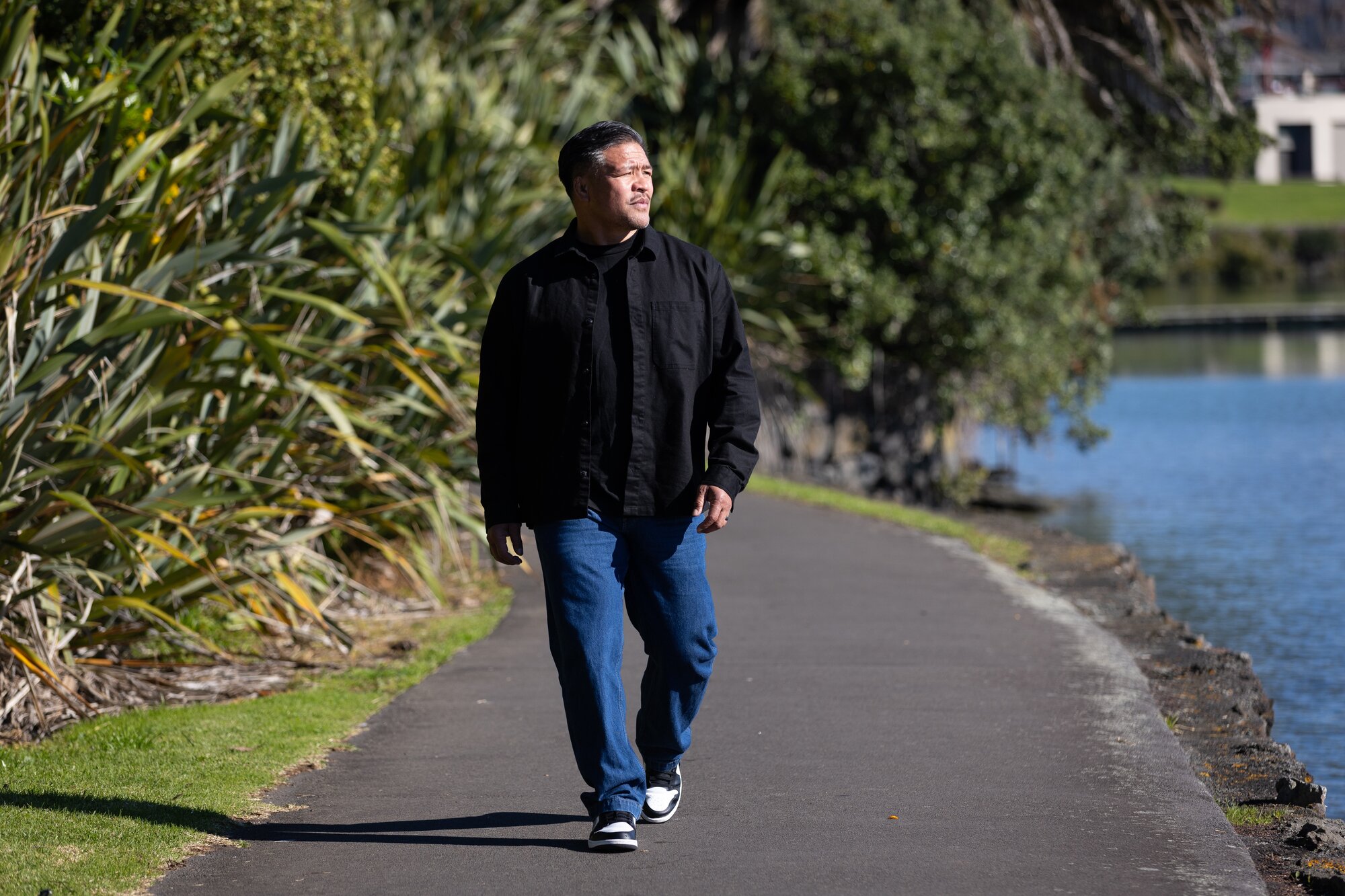
In the years since receiving his diagnosis, the 47-year-old has undergone several procedures to get his heart rhythm back to normal, including cardioversion, which involves using an electric shock to reset the heart’s rhythm.
“I had a couple of those done ... it worked for a little bit, but [my heart] went back into fibrillation.”
He’s also had two ablations. This involves inserting a tiny catheter into the heart via a blood vessel in the groin, neck or shoulder. The catheter delivers either heat or extreme cold energy to create small scars on the heart, as the faulty signals that cause atrial fibrillation can’t pass through scar tissue.
“The first one was successful for a little bit, and then it went back into fibrillation,” Mealamu says.
A second round a couple of months ago successfully reset his heart to the correct rhythm, “so I’m really stoked”.
Now, life is about maintaining his health and wellbeing, not just for his own sake, but for his family and community.
“It’s around medication ... that’s really hard if you’re not used to taking medication, so just trying to get my head around doing that consistently.”
Mealamu also needs to ensure he’s getting enough sleep and eating properly.
“But also just having a look at life again ... ‘Am I training to be an athlete or am I training just for wellbeing and long life?’”
As an athlete, he’s used to the cycle of injury and recovery. During his time as an All Black, he ruptured a chest tendon and dealt with repeated calf strains.
But recovery means something different now. These days, it’s about long-term, sustainable wellbeing.
“It’s not about stopping moving, it’s just moving smarter.”
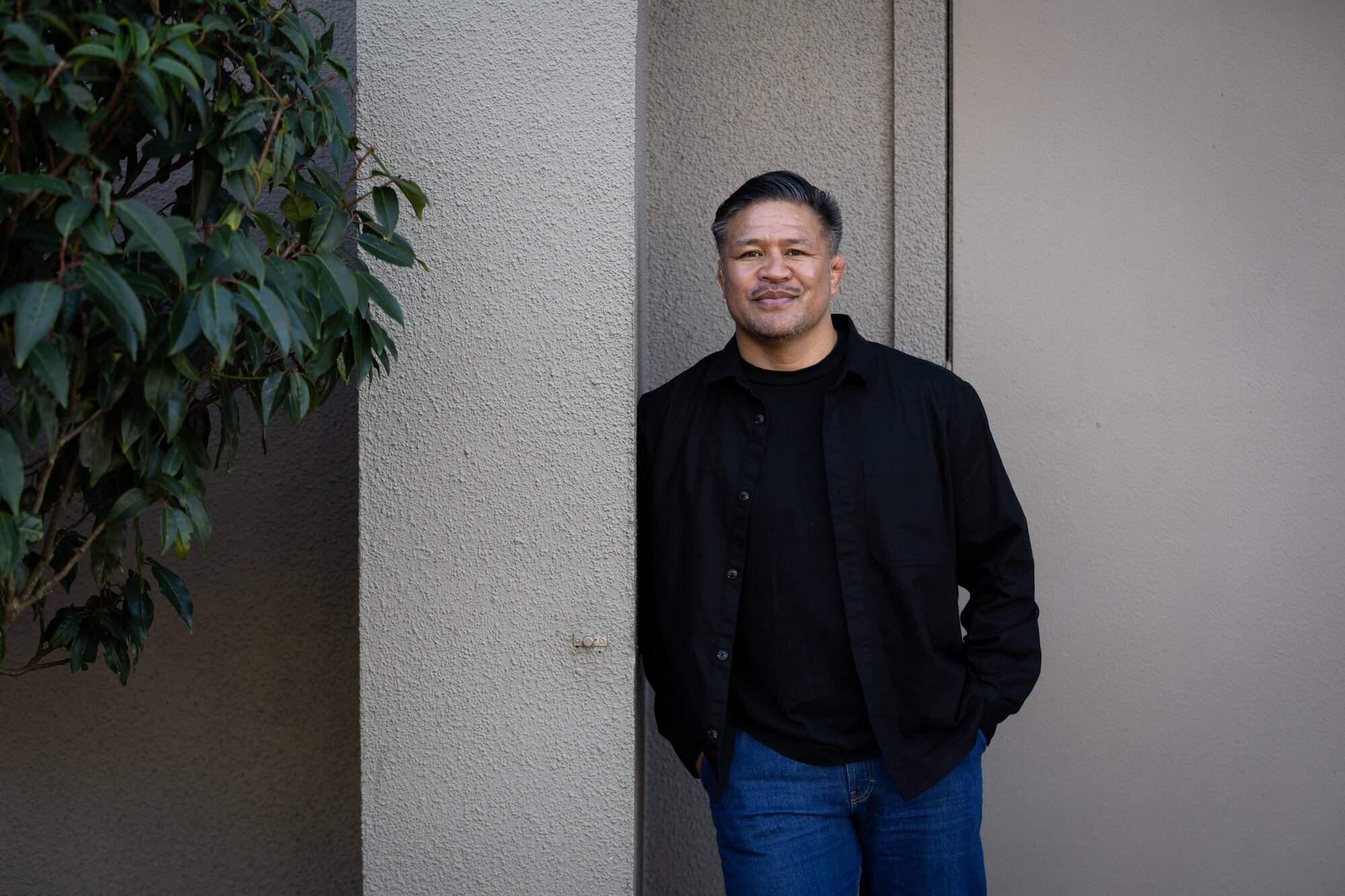
Mealamu says it’s led to more open conversations with his loved ones about health.
“It just puts to the forefront everyone’s wellbeing: physical wellbeing, mental health. Because I think it’s all related.
“I think some of the condition that I have comes through a bit of stress as well. [I’m] trying to manage that well.
“That’s the conversation we have, and it’s not just our immediate family, but making sure we can have these conversations with our wider family as well and even our communities.”
Men in particular often delay seeking treatment for health issues, or hesitate to talk openly about them.
“Sometimes it’s just pride and it’s not wanting to let people down,” Mealamu says.
“I think it comes from a good place, but it’s about realising that actually, the longer we’re around, the more we can do to look after the people that we love.
“It’s funny, sometimes we look at it backwards. We just try and look after other people, but if you’re not around, you can’t do that.”
He’s found another helpful outlet in art, which he says helps give him a sense of peace about his condition.

His most recent work depicts a heart filled with hand-drawn patterns representing his Samoan heritage, with bird of paradise flowers symbolising growth and resilience.
It’s a tribute to his physical, mental and spiritual health journey since his diagnosis.
The artwork is part of a hand-painted mural in Waterloo, London, alongside the work of 20 other artists, athletes and public figures, each representing a personal health journey in support of Bupa’s Express Your Health campaign.
The three-time All Blacks captain’s work features alongside that of Olympic diver Tom Daley and Australian football league player Cody Weightman, among others.
For Mealamu, art has always “been a part of life”.
“I remember going over to my grandparents’ house and seeing all my uncles’ art boards around the house,” he says.
“My mum was always creative as well, so I think that’s where I picked up the love for it.”
Pursuing art and graphics during school led him to take on a signwriting apprenticeship while chasing his early rugby dreams.
“I think there was always something in me that really loved the creative side [of things].”
As a professional athlete he’s used to the spotlight, but having his artwork come under scrutiny was something else entirely.
“It felt easier going out and playing [rugby] in front of 100,000 people than it did putting my art in front of people.
“I remember at school, there were artists I thought were heaps better than me. Putting work out, I was like, ‘This feels a bit uncomfortable’.”
But he’s gone on to have his artwork published, illustrating several kids’ books to raise thousands for Starship children’s hospital.
“[That was] something really special to be a part of.”
He retired from the All Blacks in 2015, but these days he gets to balance those two interests – art and sport – perfectly, with roles on the boards of New Zealand Rugby and Creative New Zealand.
“When you return to creativity and you’re in that sort of state, it’s something really rewarding, especially when you’re really busy,” he says.
“That’s a really good place for the mind and body and soul to be in ... as you’re looking back to some sort of recovery.”
Bethany Reitsma is a lifestyle writer who has been with the NZ Herald since 2019. She specialises in all things health and wellbeing and is passionate about telling Kiwis’ real-life stories.