How to make the most of your ‘12 good years’ between 60 and 72
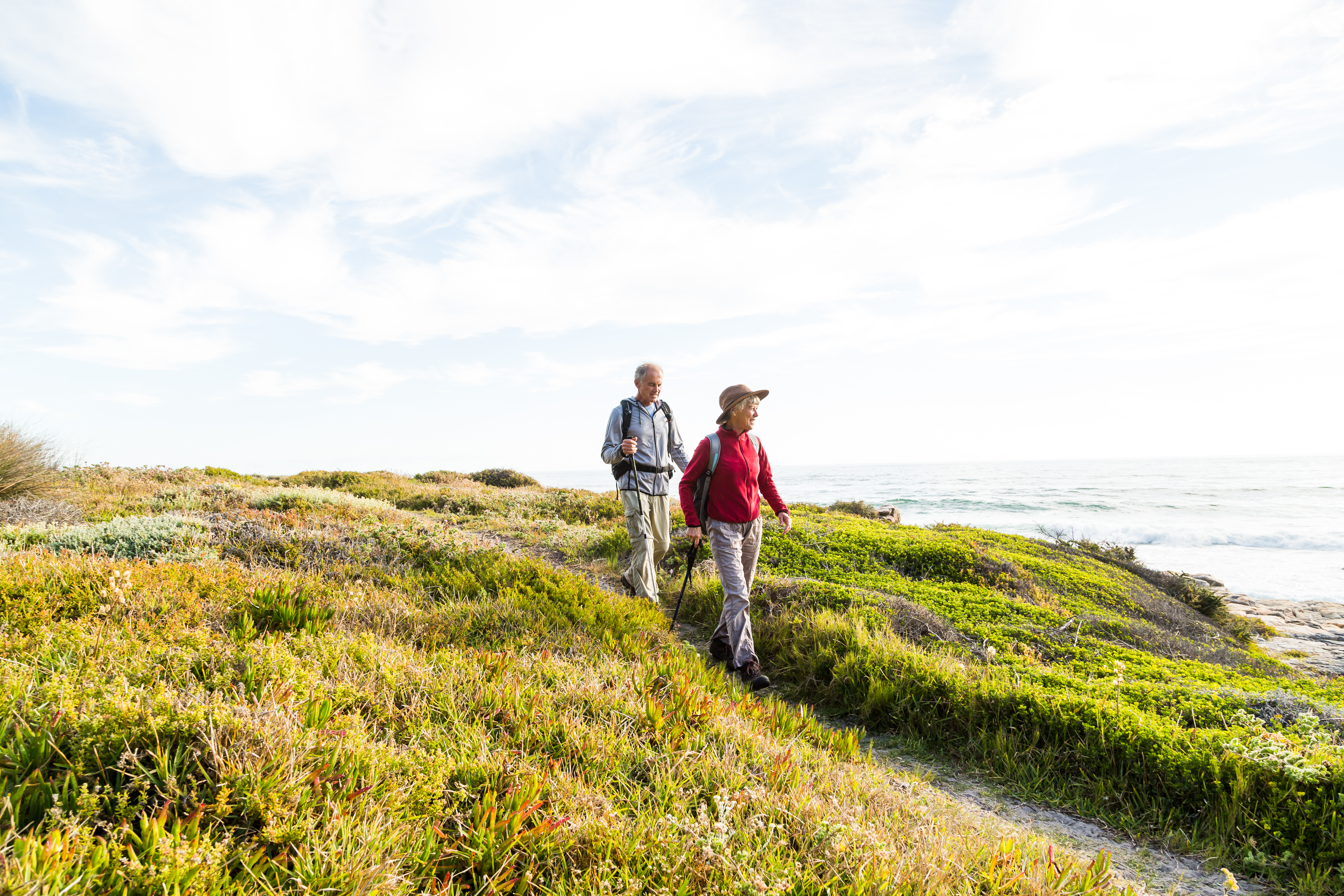
By doing as much as we can now to harness our mobility and independence, we’re also building resilience and strength for the years ahead.
Experts on how to live better for longer have identified a sweet spot. They want us to pay particular attention to the 12 years between the ages of 60 and 72, the years which for most of us come after retirement and before age-related decline.
It is, they say, the time for every healthy 60-year-old to harness their mobility and independence, in readiness for a time when they will be less so.
Quite rightly, they’re arguing that these years are not a dress rehearsal for your eighties, but the main event – and we must use them. Some call it “future-proofing”, others “front-loading”.
Either way, it’s a way of seeing these 12 years as an investment for the years to come. Indeed, studies show that physical robustness and resilience “cross a tipping point” near age 75.
So it’s not just a question of making these years rich and meaningful for the sake of it. It’s more that by doing as much as we can now, we’re also building resilience and strength for the years ahead.
It’s the proactive approach to ageing I have been trying to take, even though, at 74, I have passed that sweet spot. I know from my work as an author, interviewing many inspiring octogenarians and beyond, that there are some aspects of ageing you can’t fight, but keeping an open mind and as active a body as possible plays an important role.
Look at these years as a renaissance, not a retirement
When it comes to age-related decline, the ageing process itself is not the problem, says Sir Muir Gray, one of the country’s foremost experts in disease prevention and healthy ageing.
When I met him recently, he shared that his key message for anyone over 60 is that: “Ageing is a normal biological process.
“Most diseases are not caused by ageing but by the modern environment… long sitting hours, stress without physical release, poor diets and pollution all add to risk… it’s the modern environment that fuels silent inflammation,” he insists.
“Genes aren’t destiny either,” argues Dr Gray, who is the former Chief Knowledge Officer of the NHS and a board member of the Oxford Longevity Project. “For most people, lifestyle and environment matter much more than inherited risk.”
That is why he urges everyone to create healthy habits, not just changing diets and improving sleep patterns, to build up resilience. “It’s never too early or late to start. Even in your 70s and beyond, changes can protect your brain health and slow any physical or mental decline.”
When I ask him what practical actions we can all undertake in the rush to front-load, he tells me about the four “esses” – suppleness, strength, skill and stamina – and his four suggestions to encompass them in a daily routine.
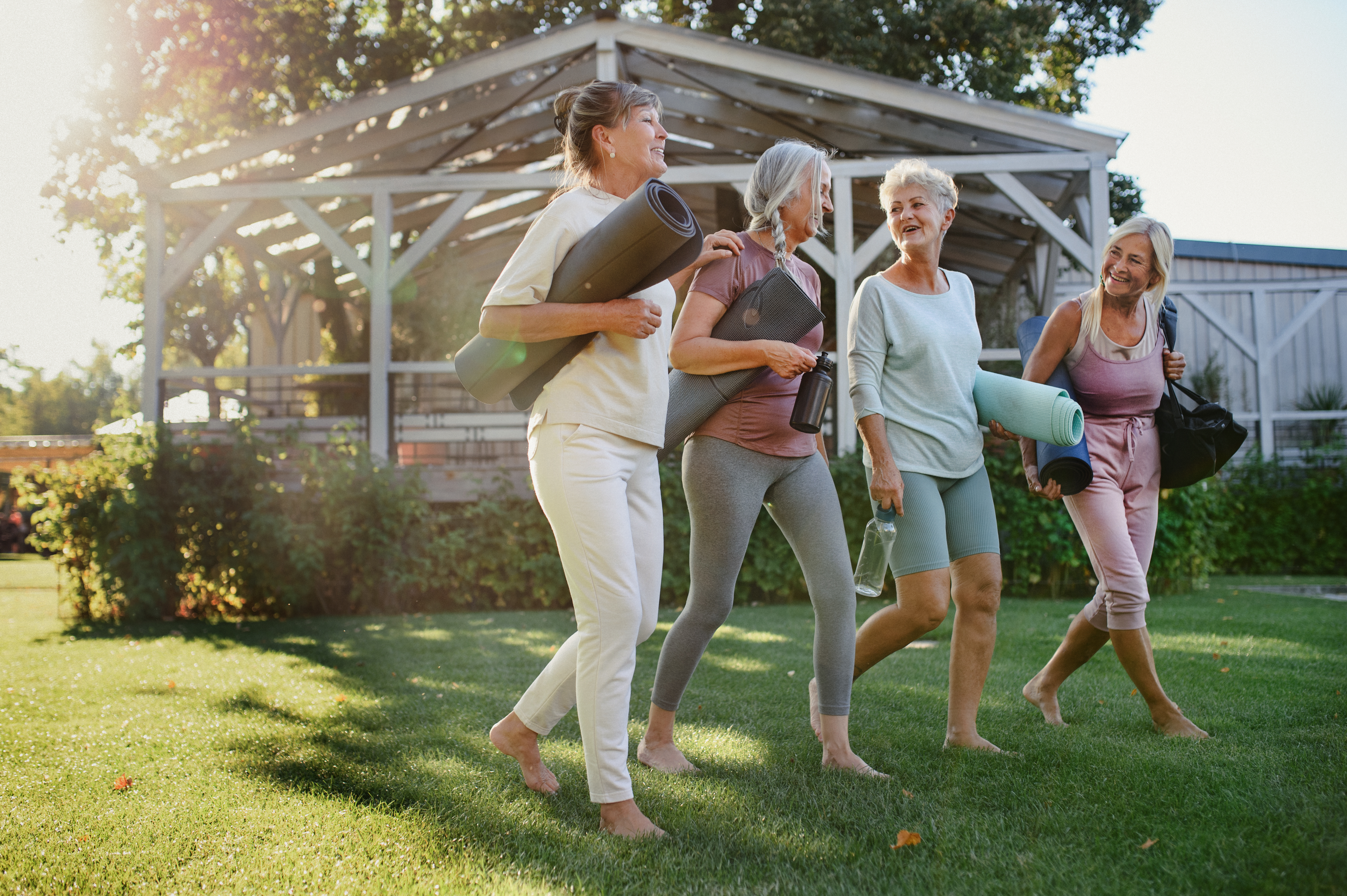
“First, start with a brisk 30-minute walk every day. Secondly join a class – one you like – thirdly volunteer and fourthly get on a committee or get involved in a community.” He reminds me it is possible to see ageing as a time of growth and opportunity – a renaissance, not a retirement – and that optimistic people live longer and stay healthier.
So, how do we make the most of our good years?
Start banking your fitness now
Some facing retirement believe they need to be careful after 65 and worry about protecting themselves from falls by not taking risks or starting new adventures.
Often, they should be seizing the healthy first decade of retirement to do all the activities there was not time for in fulltime work. A more practical response to fear of falling might be to do regular balance exercises, which strengthen ankle joints, and perhaps keep a wobble board in the bathroom for practice while brushing teeth.
According to Vicki Anstey, extreme athlete and author of Other People Are Like The Weather, when she ran a busy exercise studio she met many women (although of course the same applies to men) who approached her classes with trepidation, arguing “oh well it’s too late now, so I won’t bother at all”. But, she insists, “It is never too late. What we do each decade lays down the foundation for the next.”
As for me, what other activities am I using to front-load my later years? I walk almost every day – an activity I don’t even think about any more. I have my walking clothes ready so I can fall out of bed and go before I have had time to change my mind because it’s raining or I’m tired.
Usually I am plugged into an audiobook, but sometimes I just listen to birdsong and admire the scenery. I also do regular Pilates classes and weight training and, most important of all, I try not to sit at my desk for too long at a time, tempting as it is just to finish that chapter. I keep a yoga mat and bag of resistance bands in my study, which persuades me to do the odd crab walk or stretch.
In his new book Increase your Brainability (a word he invented), Dr Gray argues that prevention pays off in many ways. “The same steps that lower dementia risk also reduce heart disease, stroke, diabetes, depression and some cancers.”
He is fully in favour of the front-loading argument, saying that “investing in a deposit account of fitness means you have more reserves to fall back on if necessary if disease hits”.
Build a cognitive reserve
Gray emphasises that it is not only physical activity, such as a hike for stamina or lifting weights for strength, that matters. He highlights the importance of staying socially active and acquiring a skill.
“Education and mentally demanding work protects the brain,” says Gray. “They build ‘cognitive reserve,’ which helps the brain resist damage. Retirement without stimulation [which for him means something more challenging than an easy sudoku or simple word game] may increase the risk of decline.”
Learn a language or write that book, travel the world to visit your great aunt in Vancouver or join a choir. I am fortunate as a writer that I can keep working and giving talks about my books takes me all over the world discussing them with a wide variety of audiences. Travelling with a purpose is hugely stimulating, as I am constantly meeting new people and learning about different cultures.
Book the trip
Listening to Gray talk about making the most of your mobile years strikes a chord with me. For the last 20 years, I’ve been thinking about trekking the Samariá Gorge in Crete, Greece – the longest gorge walk in Europe. Every year there’s a reason why I don’t do it. Either it’s a swollen knee, a weak hip or just procrastination. But this May, I decided I could put it off no longer. The idea of a challenge was a wonderful way to make sure I kept up my training.
Finally, I planned the hike. I took advantage of three of my granddaughters Bella, 15, Sophia, 13, and Lottie, 10, being on May half term and booked our trip to the majestic white mountains of western Crete. It was for pleasure, of course, as well as a chance to be with these three girls and put down memories by doing things they might not otherwise choose in their time off school.
I am fortunate to live near them and occasionally do school runs with them. But this time was especially precious just to talk about nature and history or even life plans over a whole day. And, knowing that I was also building up my physical credit bank balance for my later, less able, years, provided another reason.
Preparing for the seven-hour hike – and desperate as I was not to lag too far behind the sprightly teenagers (which of course I did anyway) – encouraged me to practise a range of training exercises including Bulgarian split squats and lunges, step ups with weights, Pilates, yoga for stretching and swimming for endurance and improving my lung capacity.
And one new activity: joining a hip-hop dancing class where, even though I am the only one who can’t sing along to Beyonce lyrics because I don’t know them, I still emerge happy.
Music is a well-known mood booster and dancing builds endurance without stressing any particular muscles, while following the routines requires serious concentration.

Make memories
Many of my contemporaries, as soon as they focus on their retirement, put spending more time with grandchildren high on their bucket list. But here the investing side of front-loading is especially important. What matters is not simply passive time with grandchildren, when we are no longer active and they have to help us get out of a chair or constantly search for lost phones or glasses. What matters is quality time when they still think you have something interesting to tell them.
As we hiked our way across slippery shale and steep paths, we discussed what an important role the Samariá Gorge played in World War Two as an escape route for fleeing Allied troops after the disastrous 1941 Battle of Crete. We rested for our picnic lunch at a deserted village where the King of Greece (George II) and his Prime Minister had sought refuge before fleeing to Egypt via the southern coast.
I am hoping the girls will not only remember this historic and beautiful spot but see me as useful for more than simply cash handouts. I certainly learnt plenty from them.
I take to heartGray’s powerful message that not only must we all fight ageism, but that positive beliefs about ageing matter. Planning and researching a multi-generational activity like this hike and the anticipation of having a shared goal is, I believe, one of the most precious ways to front-load my dwindling 12 good years. I am already planning what the next trip should be.